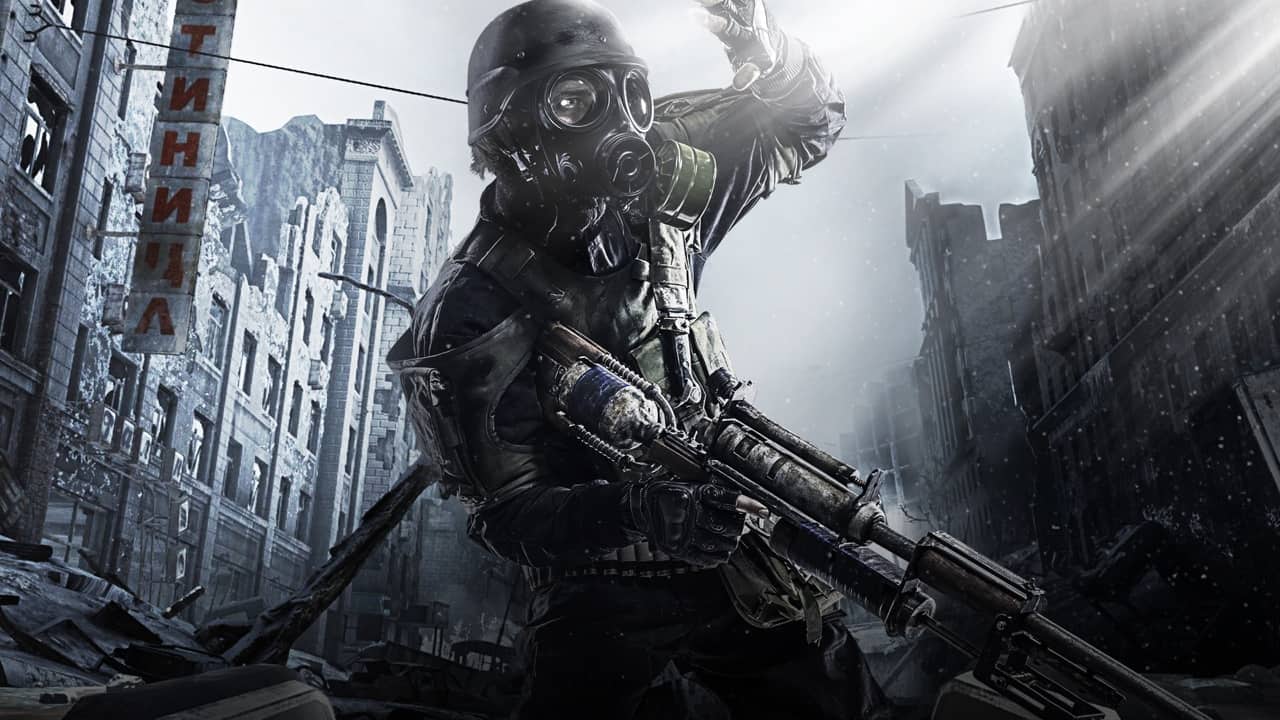
Title: Metro: Last Light Redux Developer: 4A Games Publisher: Deep Silver Released: August 26, 2014 Platform Reviewed: PlayStation 4 Platforms Available: PC, PlayStation 4, Xbox One, Nintendo Switch, Linux, macOS Article Reading Time: 7 minutes
The game was created under the supervision of Ukrainian game development studio 4A Games. In addition, the author of Metro 2033 and Metro 2034 collaborated on both games. This time, he was entrusted with the work of creating dialogues and stories. His script for Metro: Last Light was too long for the game to reach its full potential, so he reworked it into another book called Metro 2035. Even though only some things Dmitry Glukhovsky had in mind during the months of development was included in the game, the story is more than complex enough, and the same could be said for the rest of the game.
Last Light takes place a year after the events of the first installment, in which Artyom decided to launch a missile attack aimed at the Dark Ones, supernatural beings found around the subway that were killing everyone in their path for no reason. In Metro 2033, the game even had two possible endings, of which the creators decided to follow the worse of the two. By now, Atyom had become an official member of a group called Sparta, an elite unit of the city of Polis that had simultaneously taken control of the D6 military base from which the missiles were launched. However, the last Dark One has been found on the surface, and Artyom is ordered to kill him. But, of course, the whole thing goes wrong. After being captured by the Nazis and rendered unconscious, Artyom wakes up in a concentration camp putting him in an awkward situation from which he must shoot his way out.
Exploring the Depths and Heights of Post-Apocalyptic Russia
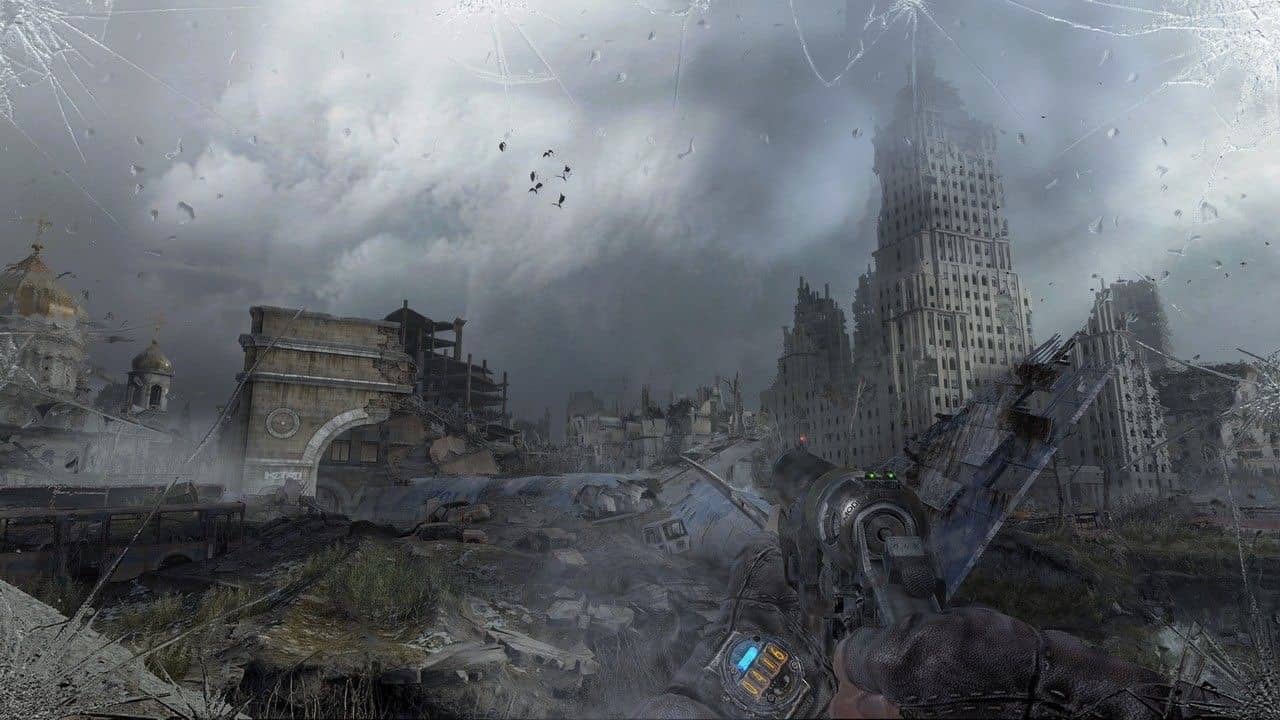
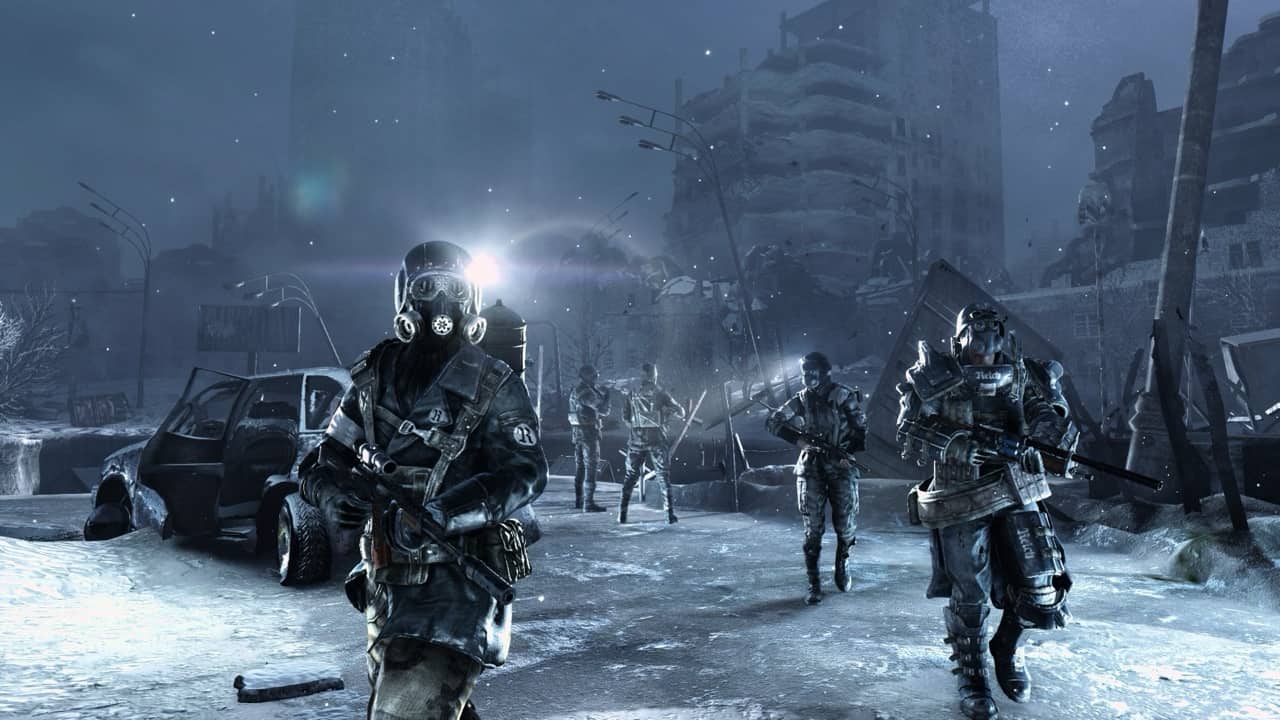
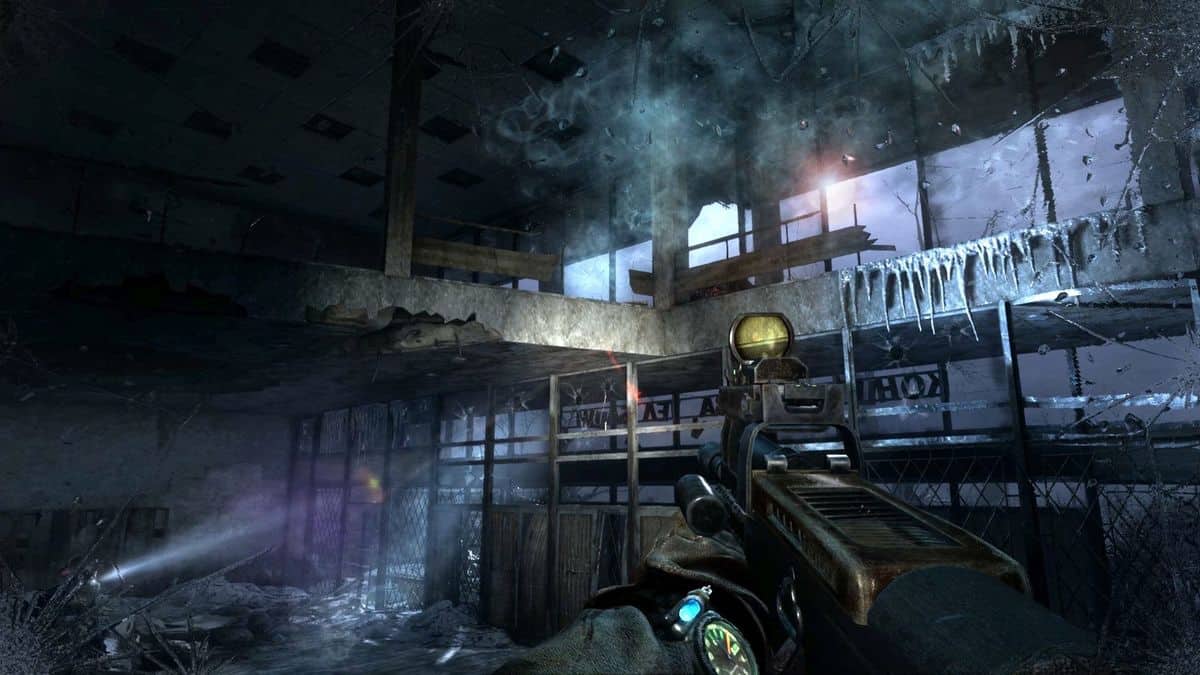
Of course, the dark corridors of Metro 2033 follow us into the sequel, although this time, we get to see the surface more often than ever before. This is where the adrenaline kicks in anyway, as you never know when you’ll run out of filter on your gas mask, which then forces you to hide back underground as quickly as possible, lest you accidentally become a mutated monster, which you’ll meet more than enough of here. The developers manage to build up a decent atmosphere by exposing the player to unexpected situations connected with the story, which take you by surprise and, at the same time, present you with a new challenge to overcome each time.
Gameplay Mechanics in Metro: Last Light
Before the game’s release, the developers talked a bit about sneaking around behind enemy backs, which helped hold me up in more than one of the many situations I had to deal with opponents. Admittedly, while I did my best in the rest of the game, they could spot me a little too quickly. The subsequent match of Rambo in a situation where many enemies are running at me from all sides doesn’t have that atmosphere anymore.
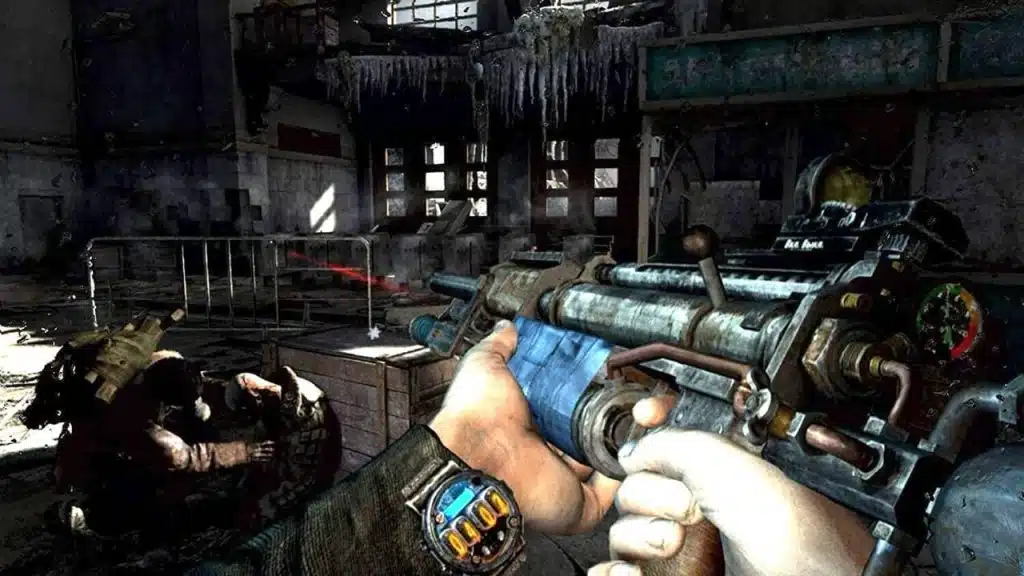
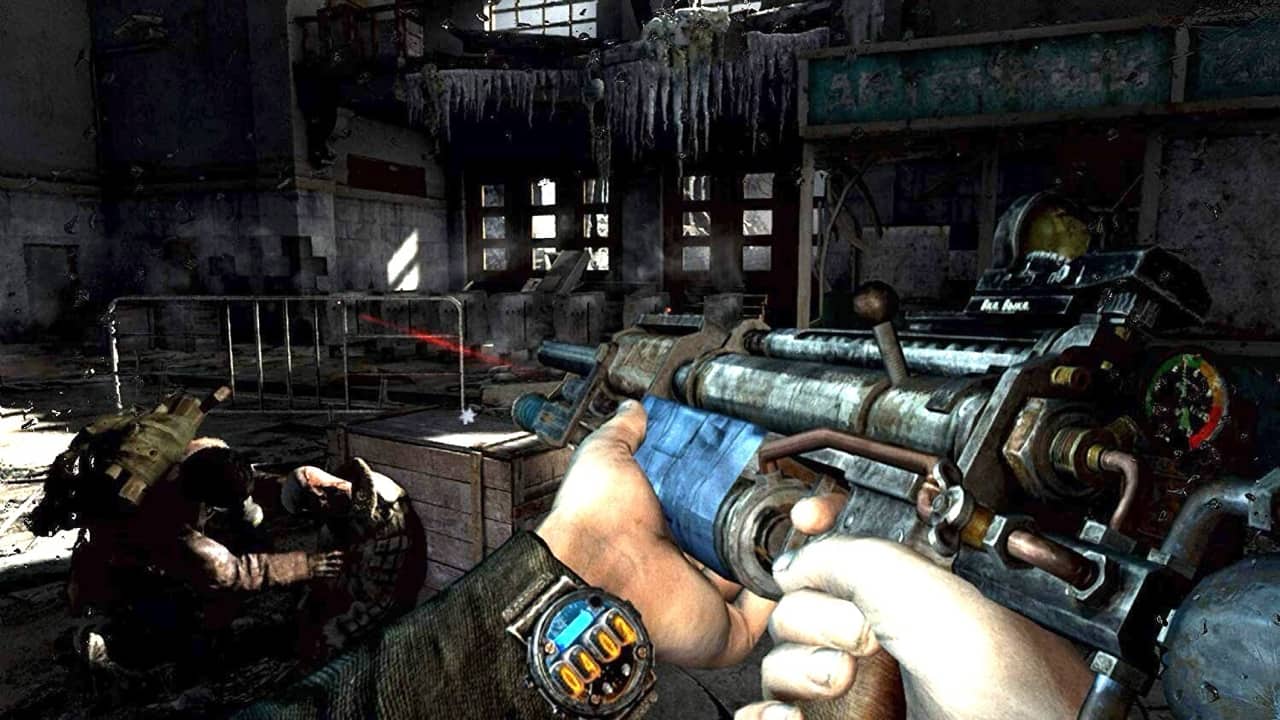
There are enough weapons to choose from in the game for everyone to find the one that will be their salvation from any dangerous situation. After just a few minutes in the game, it’s possible to occupy all three weapon slots available to you, but taking out enemies will give you much more exciting and functional weapons. Hence, it’s pointless to settle for anything ordinary. You can also fit various upgrades to individual pieces, including thermal vision, silencers, faster reloads, larger magazines, or any of several other gadgets that will come in handy along the way anyway. Formidable enemies can, at most, be annoyed with one well-aimed shot to the head, and over time, it won’t be relatively as easy with any of your opponents. The talk of the constant fear of running out of bullets that we had with the previous installment is gone now, and there are enough of them even on harder difficulties.
AI Shortcomings and Atmospheric Inconsistencies
You can’t use this method against mutated enemies coming straight at you, but if you’re in an enclosed area with many enemies, just find a good spot, take one good shot, and you’re done. The blunt AI ensures that if you just sit in a narrow corridor and wait, almost everyone in the room will gradually appear in front of you. And once you’ve killed them off, which isn’t the only problem, you collect the fallen bullets from the 20 or so enemies stacked neatly on each other. By this point, you’re already deprived of atmosphere altogether and have to wait for the game to build some up again. Unfortunately, this is an easy way to fight that you’ll occasionally take advantage of unknowingly, which could be better.
Attention to Detail: Level Design and Immersion
There are also some issues in the game, such as bugs and other minor bugs that made their way into the game during development. While they don’t cause any significant glitches that would render the game unplayable in a split second, it wouldn’t hurt if the developers dared to fix at least a few of them, as it would add greatly to the game’s overall feel. Despite this, the developers manage to work perfectly with level design. Every space you visit is unique and will impress you somehow. Here’s an enemy trapped under rubble begging for mercy; there are survivors imprisoned by enemy factions desperately begging for your help, but there’s nothing you can do about it. It’s little details like this that build the game’s magic.
Metro 2033 set a high bar for graphics, and its sequel continues the trend with stunning visuals. The soundtrack enhances the game’s atmosphere, providing an immersive experience. It effectively signals the presence of enemies, adding to the tension and immersion. However, some technical issues detract from the overall experience, although they are manageable.
Metro Sequel Folding Up
Metro: Last Light is not a run-of-the-mill shooter that can just be overlooked. Out of respect for the first installment, I was already looking forward to seeing what the developers would showcase. However, it was clear to me that there was still plenty of room for perfection. In any case, the sophistication of the game world, the great story, and the vibrant atmosphere convinced me that the game is worth playing, whether you liked the first installment or not. The truth is, however, that a lot more could have been worked on in terms of gameplay, as the moments when it comes to eliminating enemies are the ones where you sometimes feel almost indifferent to this aspect. Nevertheless, the game deserves a positive rating and is a solid sequel overall.
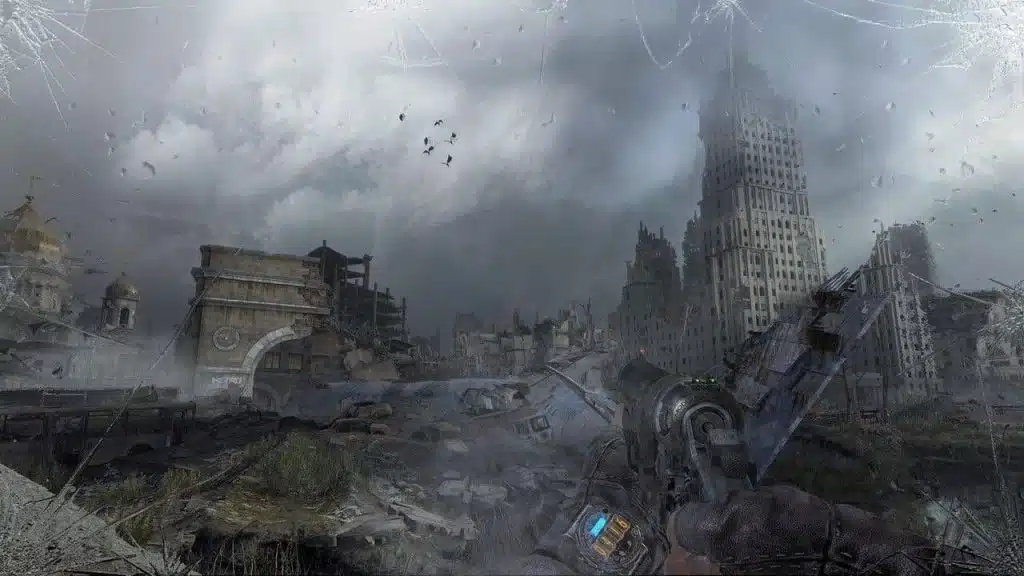
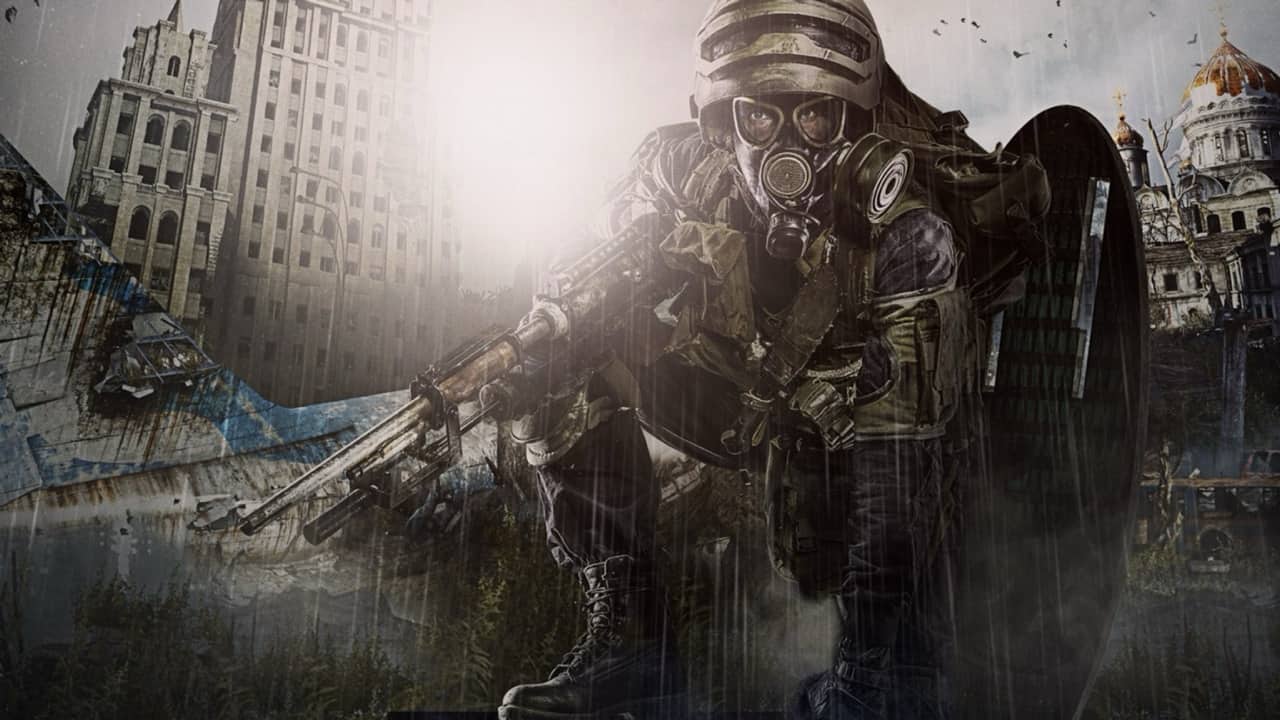
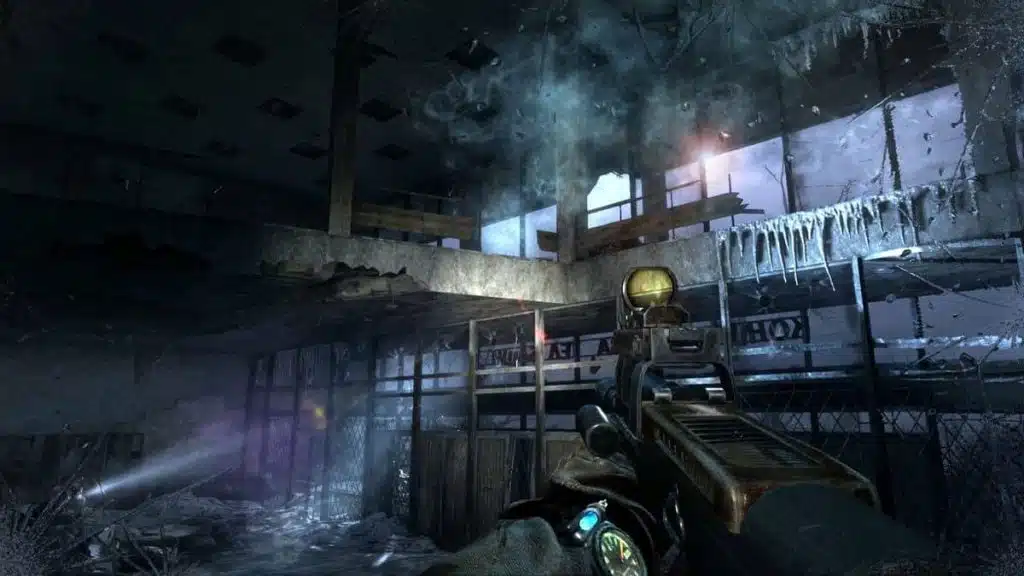
Metro 2034 Last Light – The Russian winter is gone for now, but the radiation is not
Metro 2034 Last Light – The Russian winter is gone for now, but the radiation is not
Metro 2034 Last Light Front
Metro 2034 Last Light Front Picture
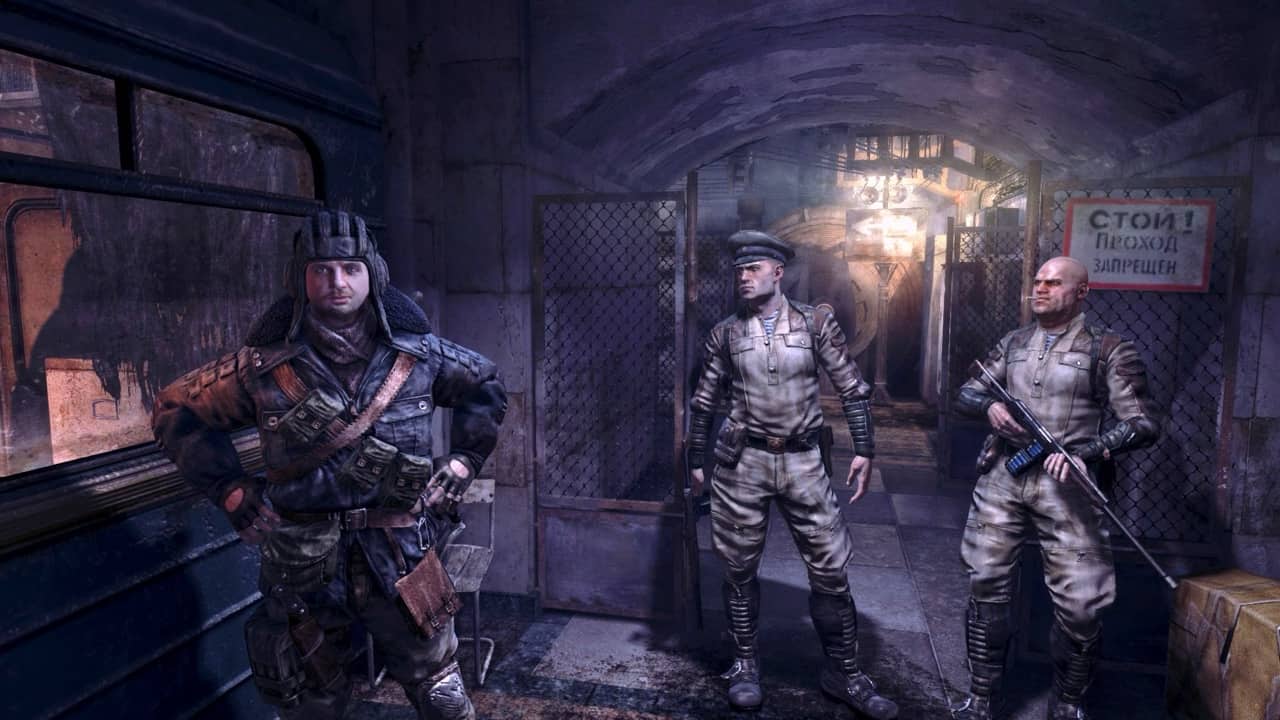
Metro 2034 Last Light – Many stations are under Communist or Nazi rule
Metro 2034 Last Light – Many stations are under Communist or Nazi rule Picture
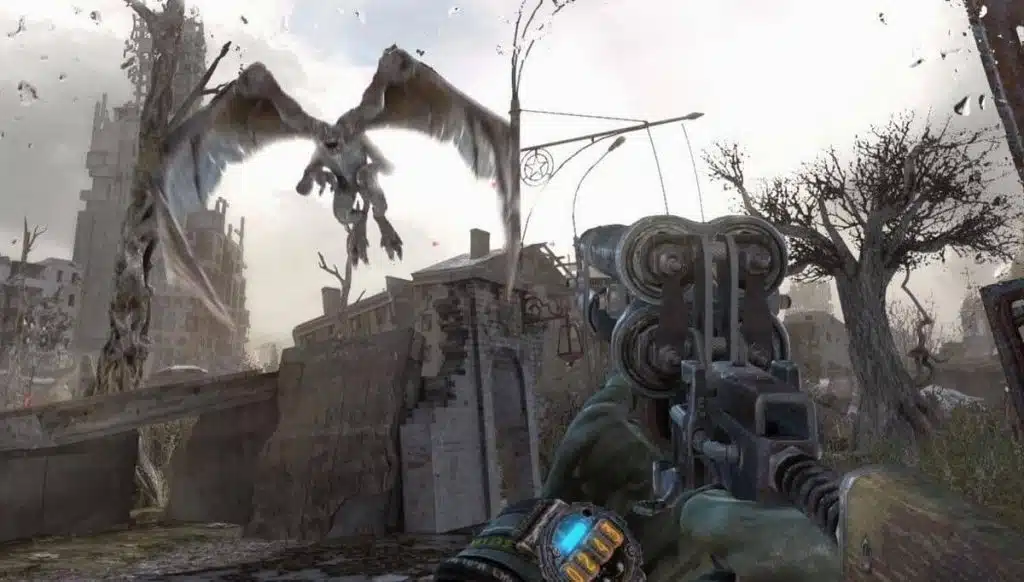
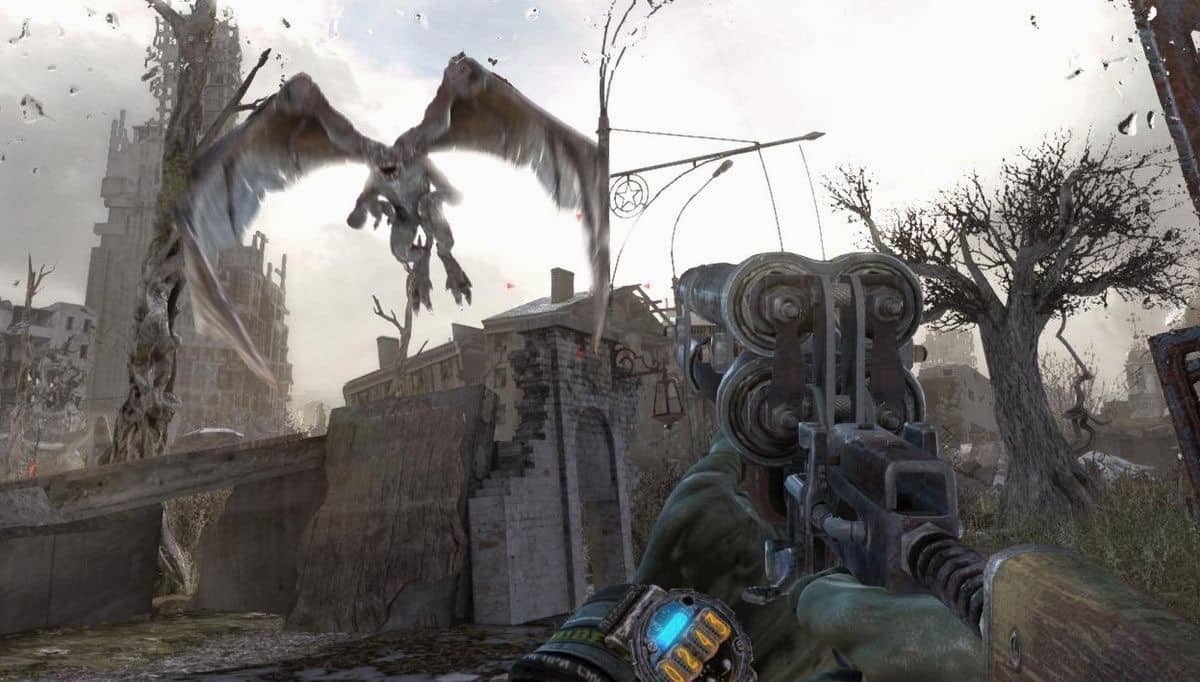
Metro 2034 Last Light – The most dangerous mutants of the surface – Demons
Metro 2034 Last Light – The most dangerous mutants of the surface – Demons Picture
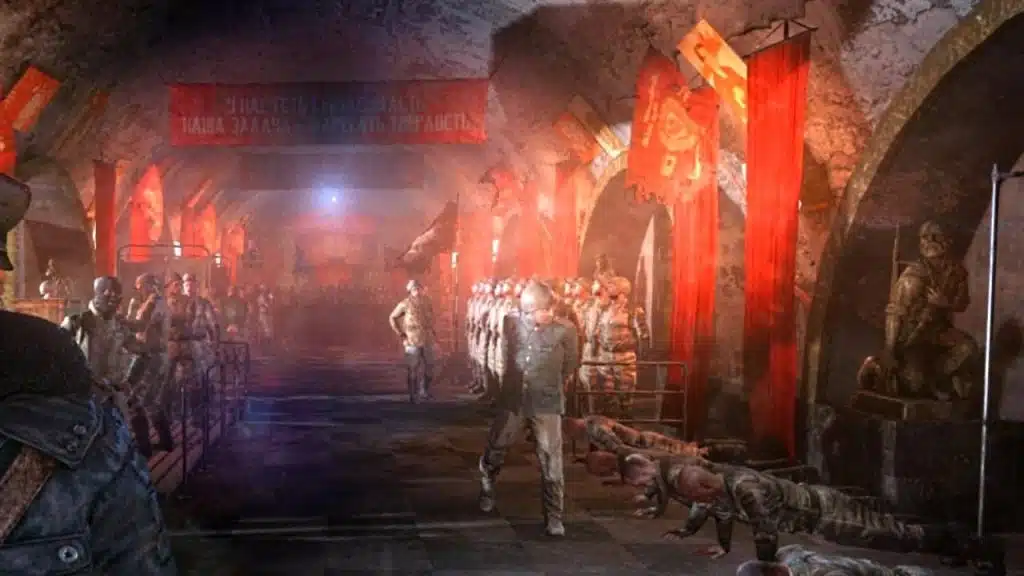
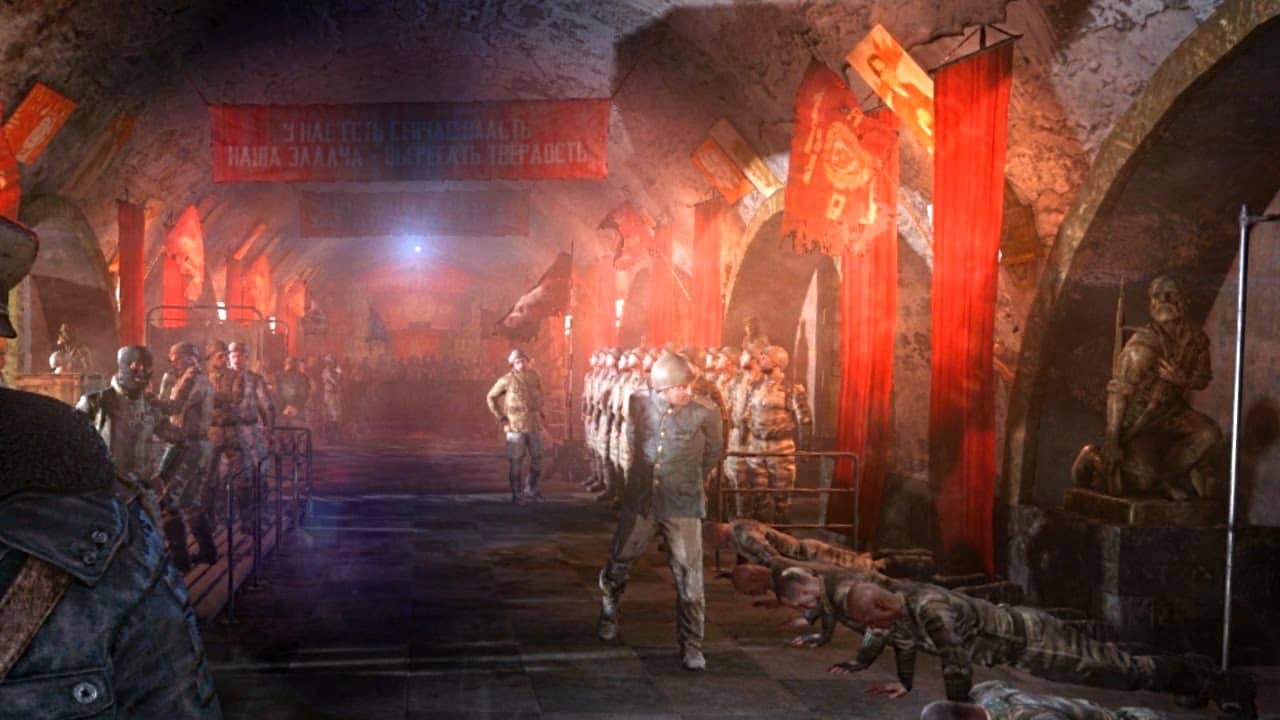
Metro-2034-Last-Light-The Communists are-preparing for the coming war
Metro-2034-Last-Light-The Communists are-preparing for the coming war picture
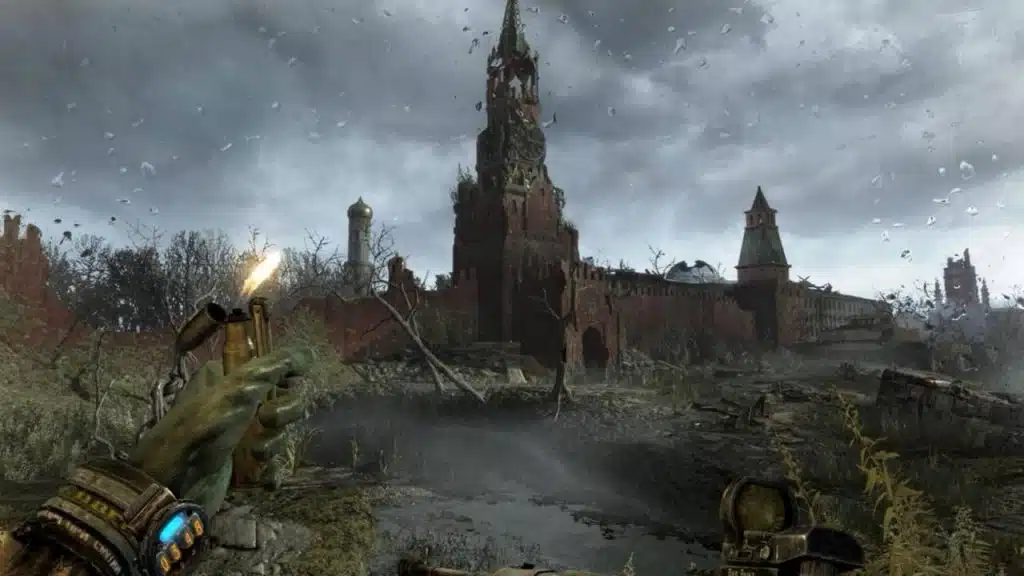
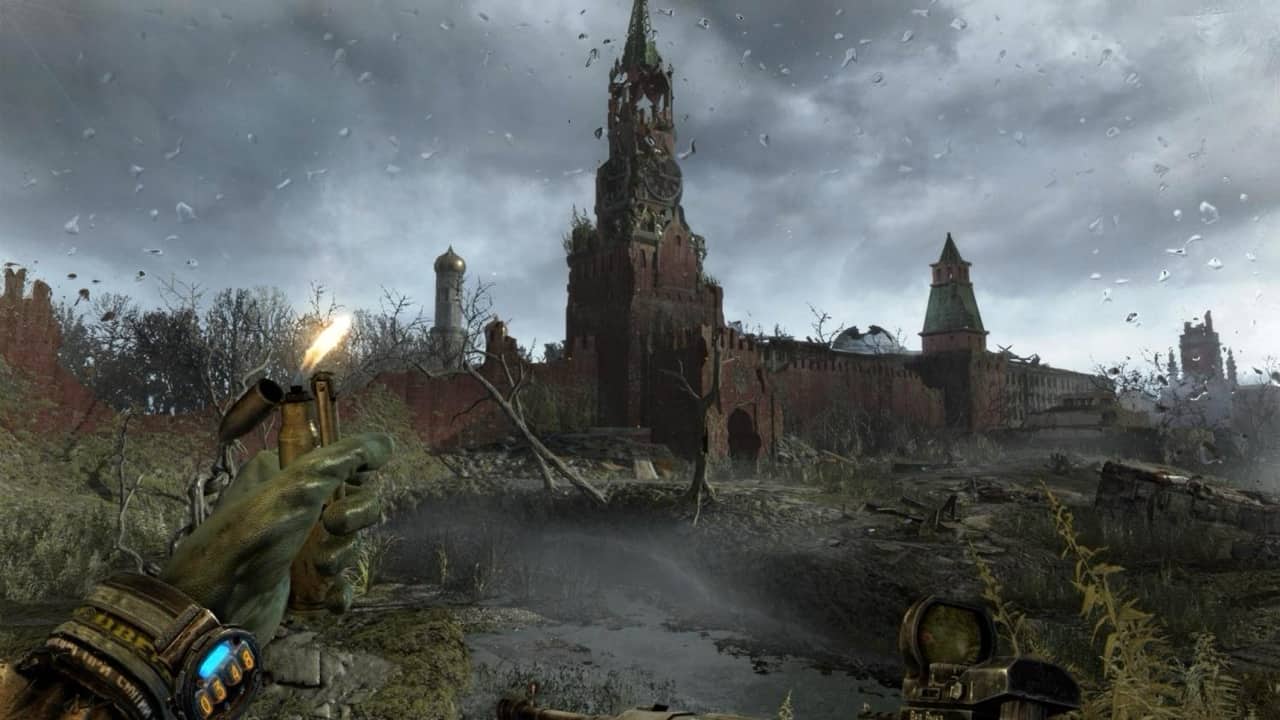
Metro 2034 Last Light – The famous red square, but in ruins
Metro 2034 Last Light – The famous red square, but in ruins
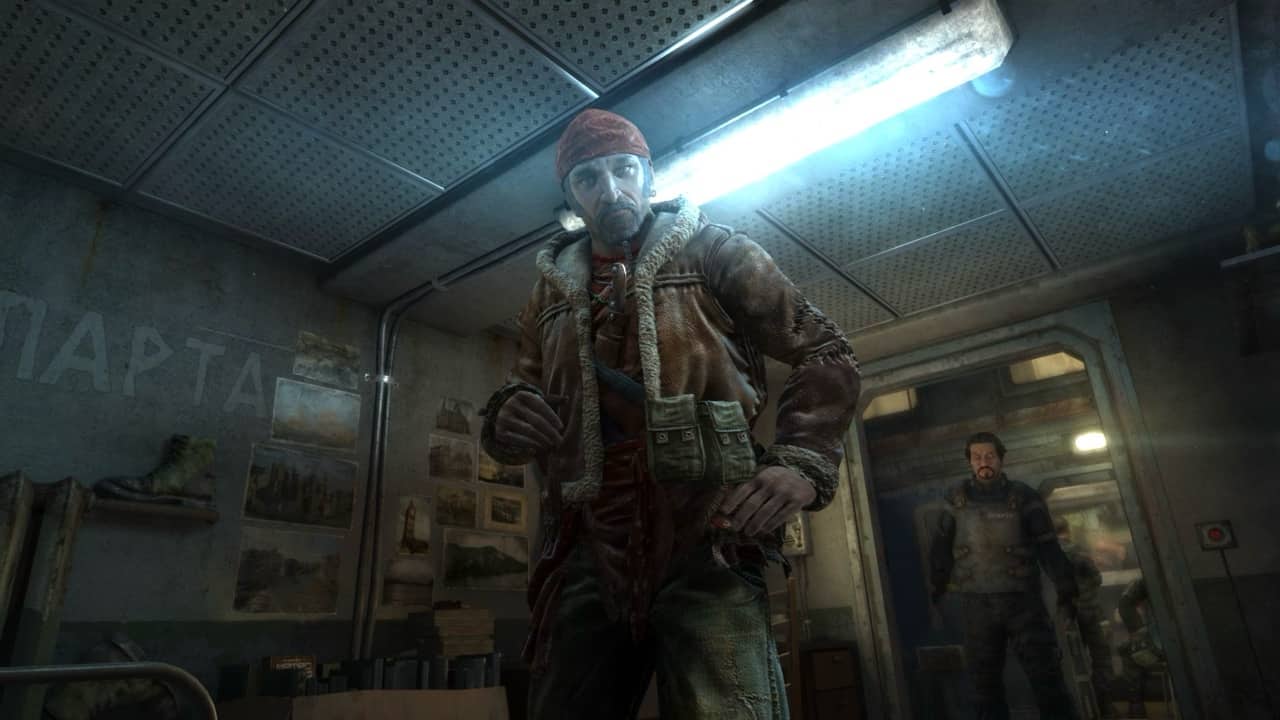
Metro 2034 Last Light – The good old Khan is Back on Scene
Metro 2034 Last Light – The good old Khan is back Picture
Metro: Last Light Redux – purchasing the game from these trusted retailers
Title: Metro 2033 Redux Developer: 4A Games Publisher: Deep Silver Released: August 26, 2014 Platform Reviewed: PlayStation 4 Platforms Available: PC Game, PlayStation 4, Xbox One, Nintendo Switch, Linux, macOS Article Reading Time: 7 minutes
Step into Metro 2033: A Post-Apocalyptic Survival Game
The story is based on the book of the same name by Dmitry Glukhovsky. It takes place in Metro 2033 in the year 2033 (surprisingly!) in Russia after a nuclear war(surprisingly!). The Earth’s surface as we know it no longer exists. Harsh and inhospitable conditions prevail everywhere, and humanity has had to take refuge underground, in this case, in the vast complexes of the Moscow Metro. Some stations have been turned into small settlements teeming with the lives of dozens of people waiting to return to the surface once more. Unfortunately, even in the Metro, people are not safe. Most stations face constant mutant raids and, last but not least, a brand newly – horribly dark.
The main character is a young man named Artyom, who also serves as the narrator in the game. His station has become the target of frequent attacks, resulting in a dwindling fighting force and never-ending waves of mutants. Artyom is tasked with traveling to the remote Polis station to seek assistance. It becomes evident that things will be more complex than they seem. “Metro 2033” was developed by the relatively new studio, 4A Games. Upon closer examination, it is revealed that its founders originally came from Ukrainian GSC Game World., the creators of the S.T.A.L.K.E.R. series, and this influence is apparent in the game.
Gameplay Mechanics and Tutorial: Navigating the Dark Tunnels
The game opens with a brief tutorial, introducing players to fundamental gameplay mechanics such as using a gas mask and navigating through tight spaces. The story then shifts to the past as the protagonist, Artyom, begins recounting his experiences. With over 20 chapters, the game offers approximately ten hours of gameplay on normal difficulty. The initial gameplay experience is captivating, with the first half hour standing out as one of the most intense and engaging introductions in the video game industry at the time.
Immersive World-Building: Exploring the Populated Subway Stations
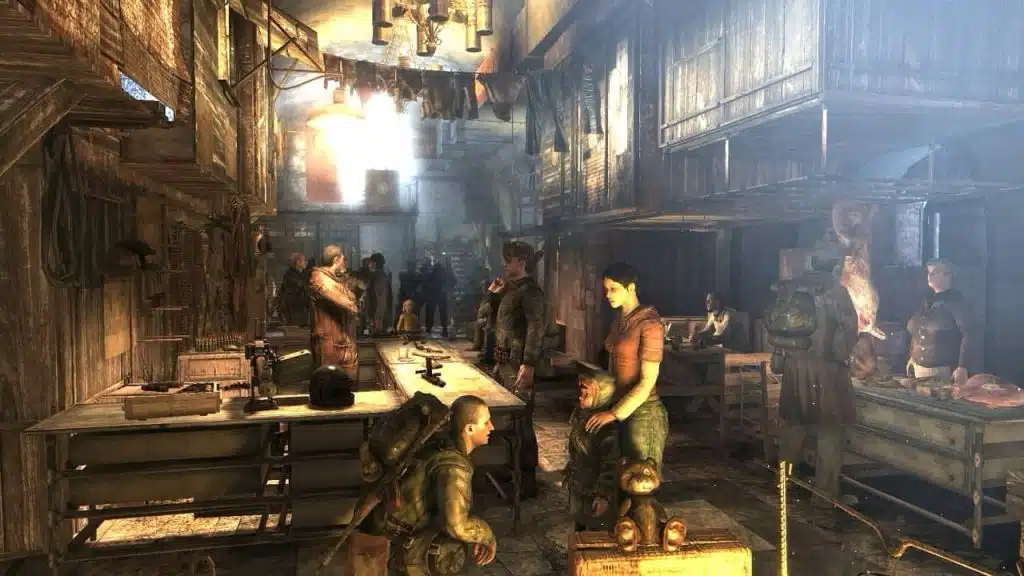
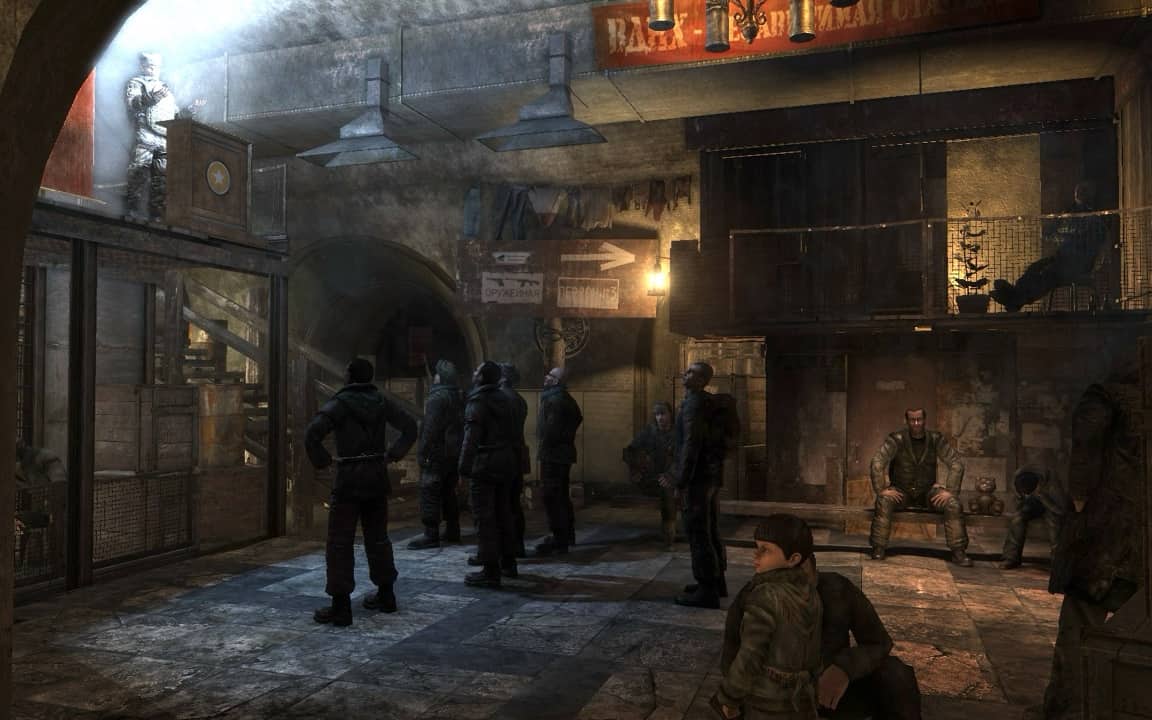
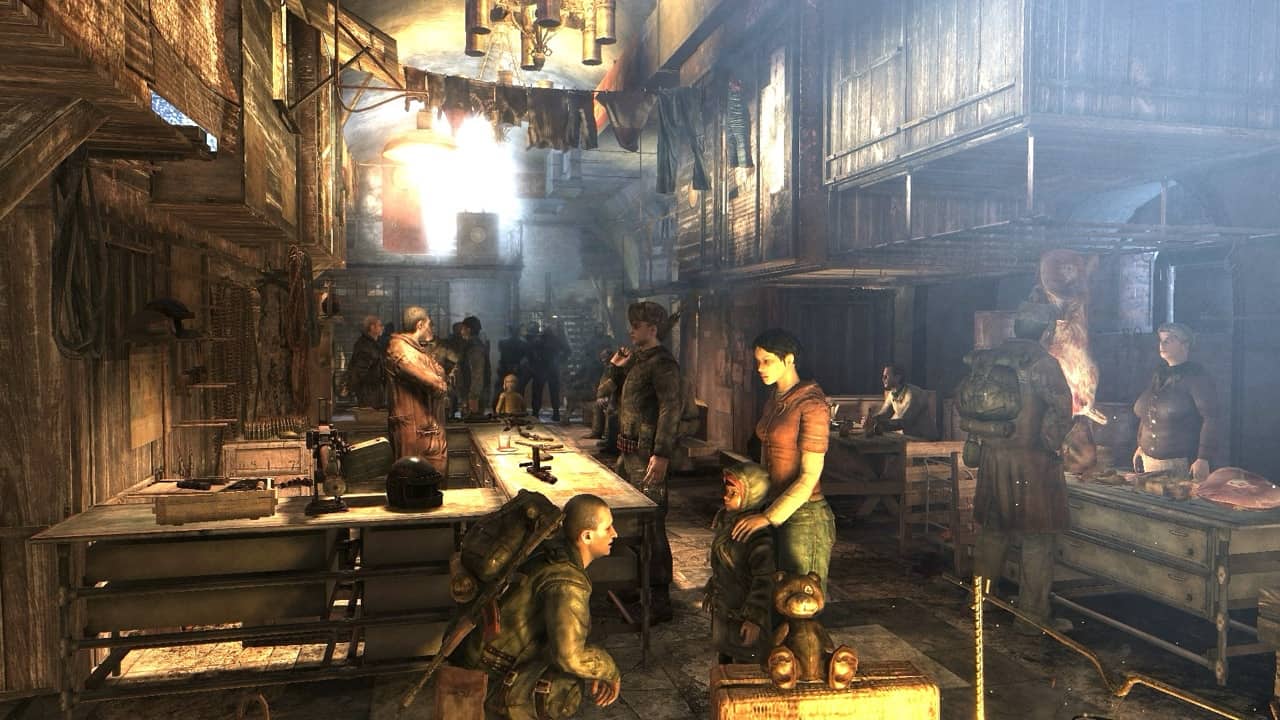
The populated subway stations are bursting with life. People are talking amongst themselves, small children are chasing each other amongst the adults, food or homemade weapons are being sold, pigs are being bred nearby, etc. Unlike in Stalker, however, you can’t dialogue with people, take side quests, or trade (with a few exceptions).
You won’t find that in Metro. So everything just acts as a visual gateway that makes the world perfectly believable, and you get along with it beautifully. As I’ve already described, Stalker is similar in world and gameplay, but you have to forget about the vast world whole of side quests. There’s simply no room for anything like that in the dark tunnels of the Metro.
The game is more similar to the Call of Duty series, where you go through a closed corridor from point A to point B without the possibility of getting lost, and with the help of many scripts, that make the game a truly luxurious experience. You’ll rarely be alone on your journeys through the subway tunnels, and the teammates, aided by dozens of scripts, draw you into the game perfectly.
Combat Encounters: Facing Human Enemies and Mutant Threats
As for combat, I have to differentiate between human and mutant combat. The humans, i.e., bandits, fascists, communists, and others that can be encountered in the tunnels, are good to fight against. Artificial intelligence may not work 100% at times, but it has its bright moments when the enemies cover and cooperate. Stealth techniques can be employed in places, where you’ll be turning off lamps, avoiding traps and pitfalls that would attract a curious patrol (broken glass, hanging cans), and trying to dispatch one by one in silence. Sometimes, it is possible to get through the parts this way, and sometimes not, but you can’t say that stealth is just for show.
Facing mutants presents an even more significant challenge due to their tendency to attack in large groups, their ability to endure multiple shotgun blasts to the head, and their knack for depleting your ammo reserves. Dealing with mutants can be incredibly frustrating and intense, creating a nightmarish experience within the game. Moreover, mutants often swiftly close the distance and engage in chaotic close-quarters combat, making it extremely difficult to aim precisely.
Weapon Variety and Ammunition: Usual Scavenging for Survival
There are just enough weapons in the game. In addition to a knife, pistol, and dynamite, you can also carry a shotgun and a submachine gun. They are nicely processed, but I missed some information about the effectiveness or accuracy of each weapon. Several times during the game, you will be at a shopkeeper who will offer you several new pieces, or you will have the opportunity to exchange your current one for one you just found. Still, you would look in vain for any comparison with the current one.
The game uses old pre-war ammunition as payment, which is far more effective than homemade ammo. You can rearm with it anytime, but I recommend doing so only in the most urgent cases, as you can practically shoot out all your “funds” that way.
Audiovisual Excellence: Crafting a Believable Post-Apocalyptic World
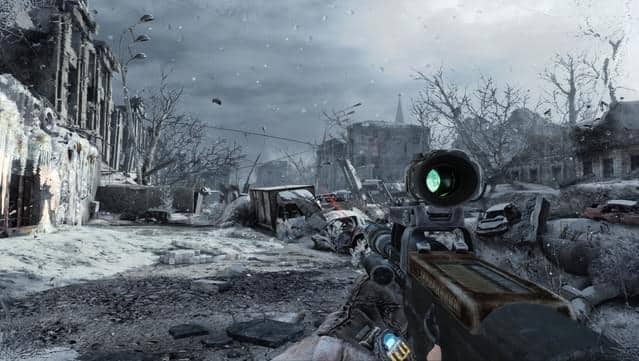
What the game really excels at is the audiovisual design. Rarely will you have a more immense expanse in front of you. Hence, the developers could play with even the finest details and design a believable post-apocalyptic world. The old and dark tunnels of a long-abandoned subway have never looked better. Several times during the game, you even get to the frozen surface of war-torn Moscow.
As for the gameplay, I’d say that such a pure RPG might not be wrong, but at least a few elements, like in the Stalker mentioned above, would be enough. For example, an inventory or the ability to get better armor or parts to upgrade weapons. All that can be collected are weapons and ammo, and even more so, by collecting them directly from the bodies of fallen enemies. If the corpse of a bandit is lying on its stomach, for example, you can’t see if it has a machine gun clip attached to it at all. Hence, you need to be more alert and thorough in your search for valuable ammunition.
So, in the end, we get, as I said, a linear corridor shooter like Modern Warfare. The subway map is huge, but you only look at a fraction of the stations. However, a slightly more open world with a few optional stations made the game more lively.
Metro 2033 is an excellent survival action game. It stands out for its ultimate atmosphere of a post-apocalyptic world (which, by the way, was conceived initially) . These are smaller colonies of people in stations fight against aggressive mutants but also against each other. Game offers a tremendous audiovisual treatment, which presents a natural spectacle together with a bunch of scripts. It is spoiled by occasionally frustrating fights with mutants and a few minor bugs. it’s a super-decent game that, despite its similarities to the Stalker series, has its own identity that no action game fan should really miss.
Metro 2033 Redux – Nazi Ideology did not Disappear, but You can Work on it
Metro 2033 Redux – Nazi Ideology did not Disappear Picture
Metro 2033 Redux – Every Journey to the Surface is Dangerous
Metro 2033 Redux – Every Journey to the Surface is Dangerous Picture
Metro 2033 Redux – There is Strict Order in Metro Stations
Metro 2033 Redux – There is Strict Order in Metro Stations Picture
Metro 2033 Redux – Snowy Moscow
Metro 2033 Redux – Snowy Moscow Picture
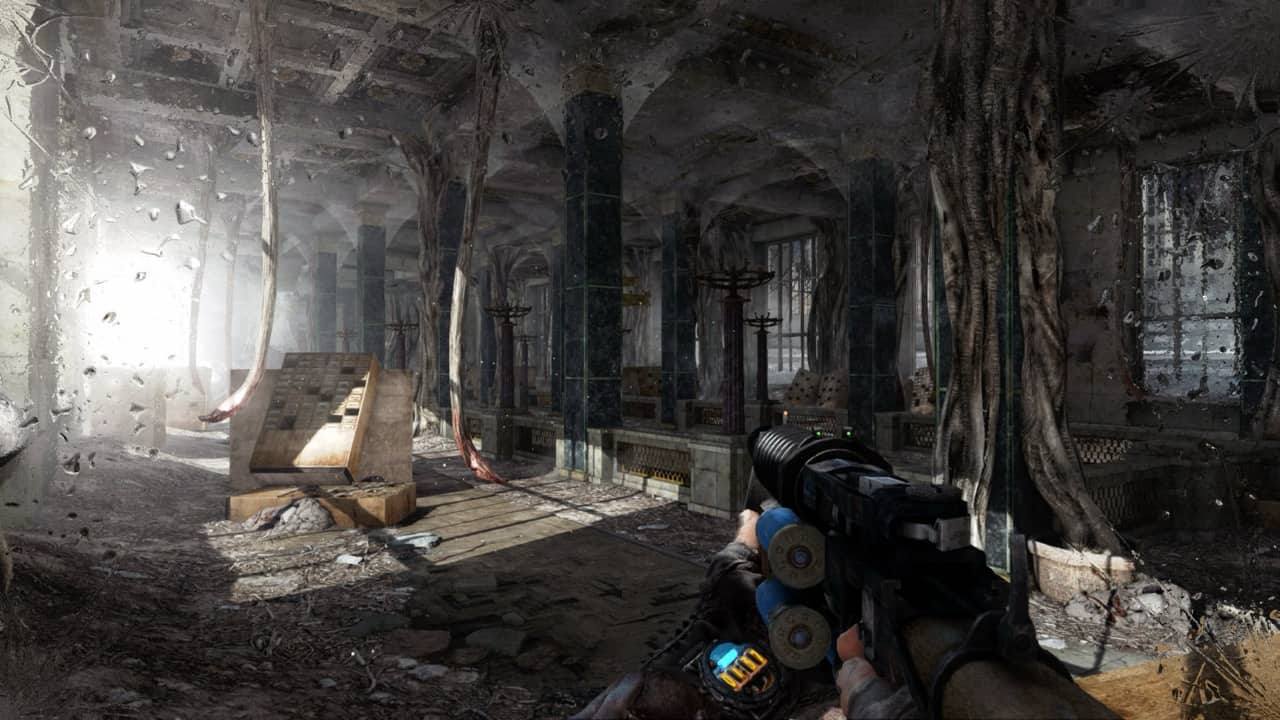
Metro 2033 Redux – The Old Library, Your Future Nightmare
Metro 2033 Redux – The Old Library, Your Future Nightmare Picture
Title: Resident Evil 4 Remake Developer: Capcom Publisher: Capcom Released: March 24, 2023 on PlayStation 5, PlayStation 4, Xbox Series X/S, and PC Platform Reviewed: PlayStation 5 Article Reading Time: 10 minutes
Introduction: The Legacy of Resident Evil 4
Resident Evil 4 has long been one of the most popular installments in the franchise, alongside the second game. When the original game came out in 2005, there was a lot to praise. This action-horror adventure impressed with its approach to storytelling, revolutionary third-person view with over-the-shoulder aiming, the evolution of the game’s universe with a significant change of setting, boss fights, and overall styling and atmosphere.
But what was once revolutionary is now, at best, a complete staple or, at worst, an outdated element. This was a hugely important and, more importantly, ambitious project for the developers at Capcom. With something so beloved, all it takes is one misstep, and it can all come crashing down like a house of cards. Most importantly, though, that script version only happens here.
Reimagining a Classic: Balancing Old and New
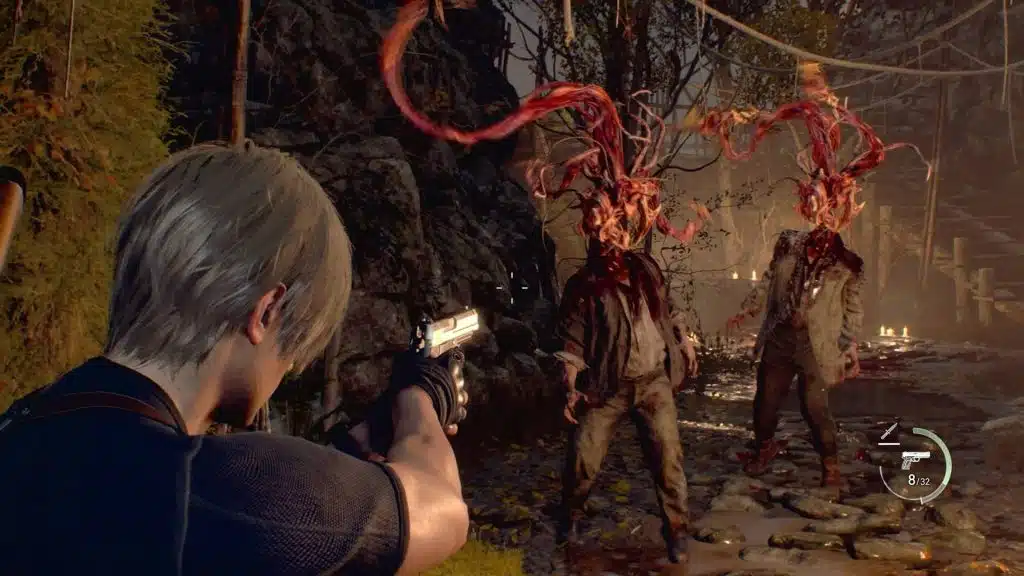
Now that I’ve said the word script, it’s appropriate to start with it because you can already see the direction the remake takes. As we may have become accustomed to from the remakes of the second and third installments, Capcom doesn’t try to copy every event or dialogue. And the same is true this time around. Half and half. The central story points, with some exceptions, happen in the same order; you’ll be walking around the same, albeit often modified, locations and fighting the same enemies. Therefore, the original game’s core has been retained in this respect. However, it has also been improved, even expanded in some cases, or the order of events has been changed. But the core remains the same – you and Leon are sent to find the president’s missing daughter, Ashley, somewhere in a Spanish village. Of course, it will take a lot of work… But I don’t need to say more. The new player will see for himself.
A More Serious Tone: Enhancing Character Depth and Relationships
The original’s unique yet slightly far-fetched style is now more in the background and has been replaced by a more severe presentation. On the one hand, this may be a mistake for some, but the reality is that this is something established and, more importantly, consistent with the previous remakes and new installments. And something that fits the modern form of the franchise perfectly. Leon jokes a little less, performs fewer athletic feats, and takes everything more seriously. At the same time, Ashley finally comes across as at least somewhat of an intelligent person and not a hell-raiser like in the original…
Most importantly, a lot of moments are set in more believable situations. You can see that beautifully in chapter eight, for example. The reason Leon and Ashley are separated this time is not because she suddenly runs away from him in a panic attack and, like a complete fool, walks into an obvious trap that, moreover, seems random and somewhat artificial. The reason for the split now has a lot more depth, which results in the expansion of both Ashley and Leon’s characters and their relationship for the rest of the play. And it doesn’t just apply to them. Even though some cutscenes have been shortened, all of the characters are given more space, depth, and meaning. Story-wise, the remake of Resident Evil 4 is thus a surprising experience, which has matured much more in relation to the original, and its original frequent ailments have been removed. I also have a favorable view of the gameplay. As with the original release of the individual episodes, it goes more and more towards an action shooter. The enclosed corridors of the police station or the action-packed streets of Raccoon City are replaced by the setting of a Spanish village and its immediate surroundings, including a giant castle. Stupid zombies are replaced by villagers with interest in the occult. Here, the core of the original remains, and more importantly, it proves, among other things, how timeless the original game was.
Gameplay Evolution: Adapting to Modern Standards
Still, some changes had to be made as the original game was, after all, 18 years old at the time of the release of its remakes. The main one is the whole movement and combat system. Leon is a bit more experienced in the remake, so he can now shoot and walk simultaneously, which was impossible in the second remake. The developers were fearless in experimenting with new things that stuck to the idea of the original setup and, at the same time, things they only worked with in the latest installments. There are even some mechanics that are entirely new to the series. Overall, it makes for something that veterans will recognize and fall in love with anew, but also something that will offer them the chance to look at the game in a new way.
Stealth and Resource Management: New Mechanics, New Challenges
To be more specific, there is now stealth. With Leon, you can duck and sneak at any time. Larger locations full of villagers can only partially silently traversed. Still, it allows you to get a feel for the area and, more importantly, quietly take out a few before it comes to open combat. There’s also a new weapon that allows you to fire arrows with the ability to take out enemies silently at a slightly greater distance. Yes, combined with stealth, even this may seem like a form of simplification. But some buts balance it out again. Your knife, which can be destroyed this time. Any use of it, whether it’s just silently killing enemies, finishing them off on the ground, or simply using it usually, will slowly start to destroy it, and you can only repair it at the merchant. The ability to parry goes hand in hand with this as well. You can block axe throws from enemies or melee attacks with your knife. Since they are more aggressive and at least in feel, this is an ability I recommend you get as soon as possible. It will save your progress in the game from the last typewriter. But it is something you have to be able to use with the right timing and paying attention to what your opponents are doing. Which, of course can be challenging. So, even in combination with this novelty, the knife works more like a resource that you can waste in a certain way. Therefore, you have to use it with care and discretion, just like in the original, because here, too, every attack and every weapon has its specific use. Combining them and using them correctly in the game still allows a specific form of slow and tactical play to be maintained. This is despite the generally faster and more aggressive gameplay. It’s a fascinating combination that is hard to describe but works.
Minor Additions, Major Impact: Requests, Cases, and Pendants
There are more novelties, but mostly, it’s more of the minor things you’ll come across on your own over time. Whether we’re talking about requests, which are little “side quests” for the merchant, different types of cases and pendants that aren’t just cosmetic as they may seem at first glance.
Room for Improvement: Companion AI, Evasion, and Stealth
The remake of Resident Evil 4 does an excellent job of being fearless to take away where it doesn’t matter and add where it adds more depth and context. Both in terms of story and gameplay. Still, of course, there are a few things I’d still like to see done a little better. Ashley may be a bit more sensible, but accompanying her in dangerous parts still causes pain at times because she can’t defend herself. Thankfully, you don’t have to address her health directly anymore. The lack of a better evasive maneuver can be frustrating at times when enemies pile up on you from all sides. And the stealth, while it works, could have been more interesting after all, especially when you never know if the enemy can see you or not. Sometimes, he looks at you and pretends nothing; other times, someone starts shouting at you from afar, and most of the time, you don’t even know why. Similarly, the developers could have done with aggressive and nonsensical scripting, where you clear a location, pick up a story item, and suddenly the area is a whole of enemies again. Or someone runs at you from a building you’ve entirely cleared before.
Audiovisual Overhaul: Reimagining Iconic Designs
Also, of course, the most significant change was the audiovisual aspect of the game. From the original release, the developers tried to leave mainly the design of characters, enemies, and some key and iconic locations or places. The rest, however, has undergone a more or less complete change. You’ll know which way you’re walking most of the time if you’re a player of the original, but at the same time, you will need more time to take the blueprint completely and point to the exact same places. But everything is more settled, more realistic. Combined with the lifelike graphics and another shift in the RE Engine, this creates a unique atmosphere. The excellent presentation is also complemented by great dubbing. Compared to the original, the overall quality and direction are good. Perhaps the only thing that bothered it was Ashley gasping for breath. I don’t know if it was some fault, but the fact that she was constantly huffing behind my neck and acting like she had asthma even when we were standing still was sometimes quite a sacrifice.
Otherwise, the sounds also work great, especially in the larger locations where you can distinguish beautifully where someone is coming from and the music, which is more in the background and only plays at appropriate times. Admittedly, this means that the game lacks any outright soundtrack that will remain in your memory after you’ve finished playing.
The Final Act: An Over-the-Top Spectacle
The biggest issue with Remake Four is the final section. It feels like the developers went overboard with the action, resulting in excessive violence and chaos. At times, it reminded me of the over-the-top nature of Resident Evil 6. You’ll understand what I mean when you experience it for yourself.
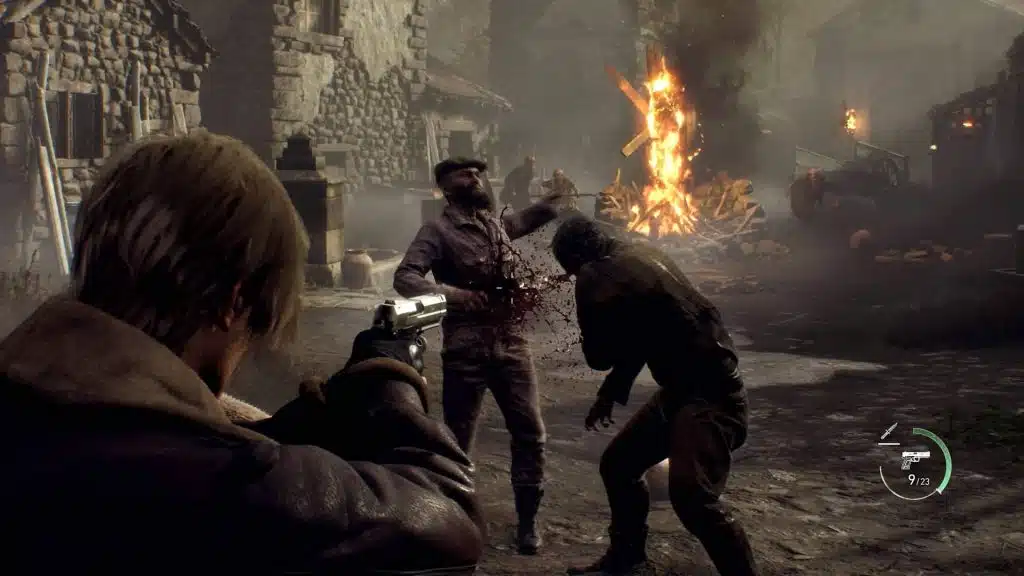
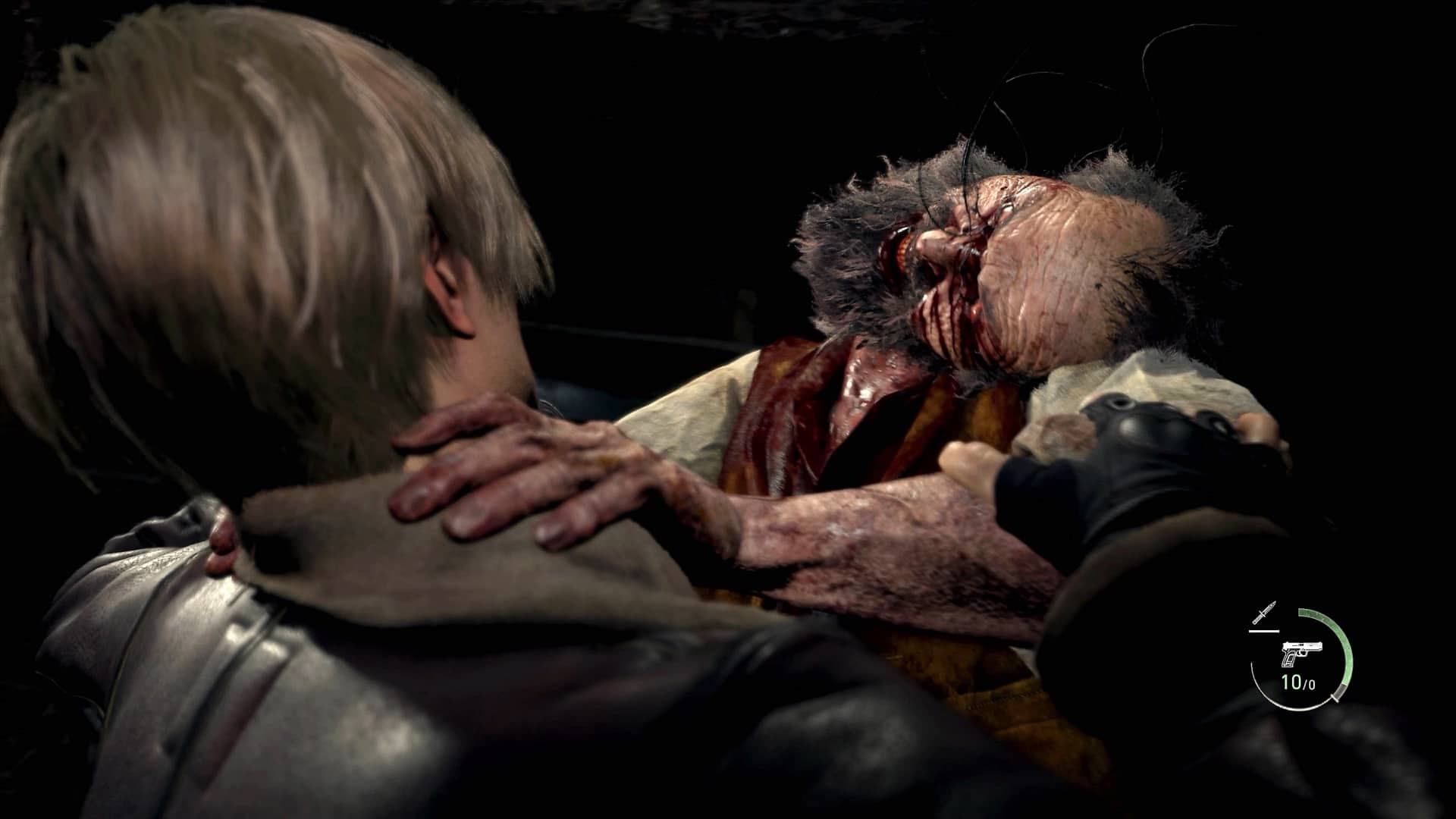
Resident Evil 4 Remake – Leon Shooting Close Up
Resident Evil 4 Remake – Leon Shooting Close Up Photo
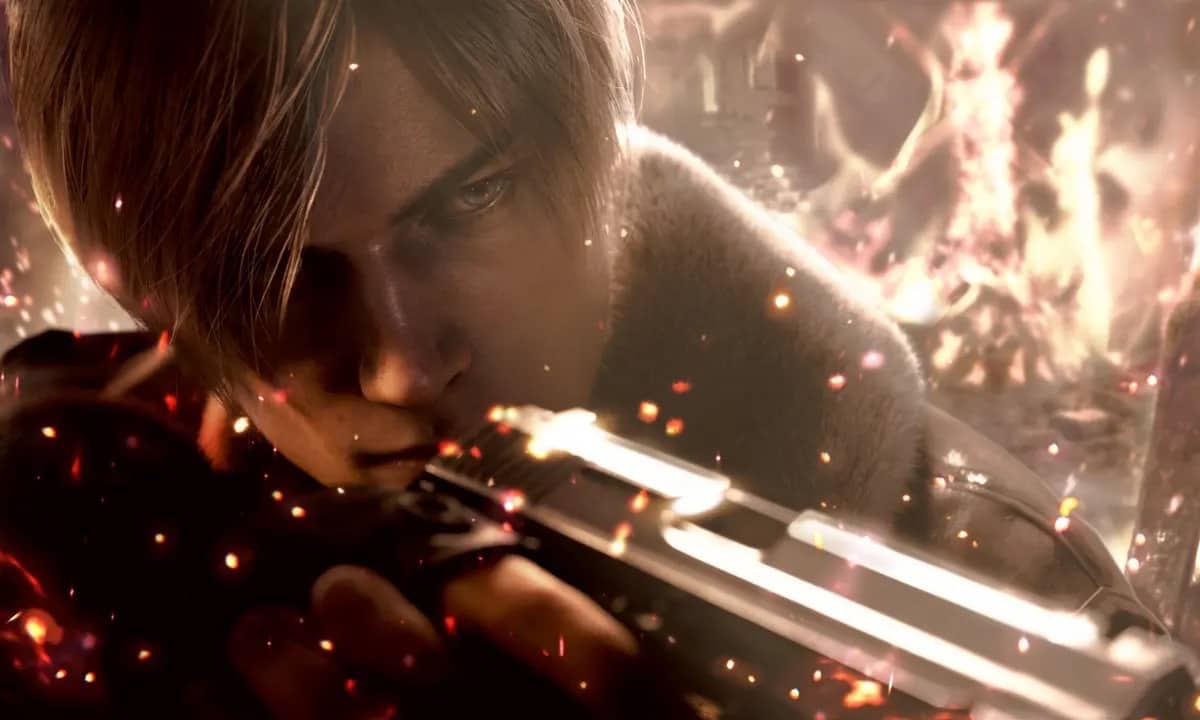
Resident Evil 4 Remake – Leon Front
Resident Evil 4 Remake – Leon Front Picture
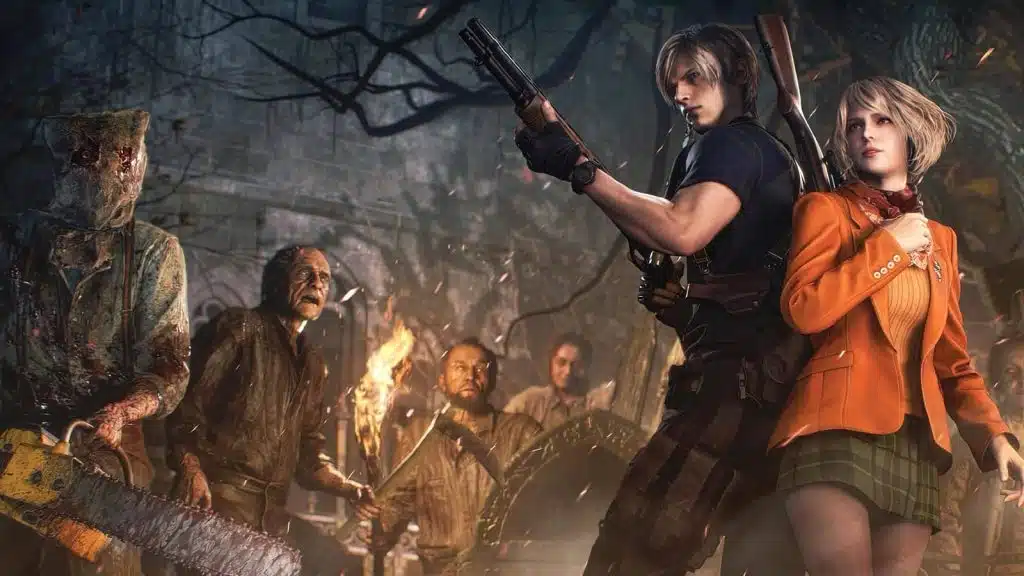
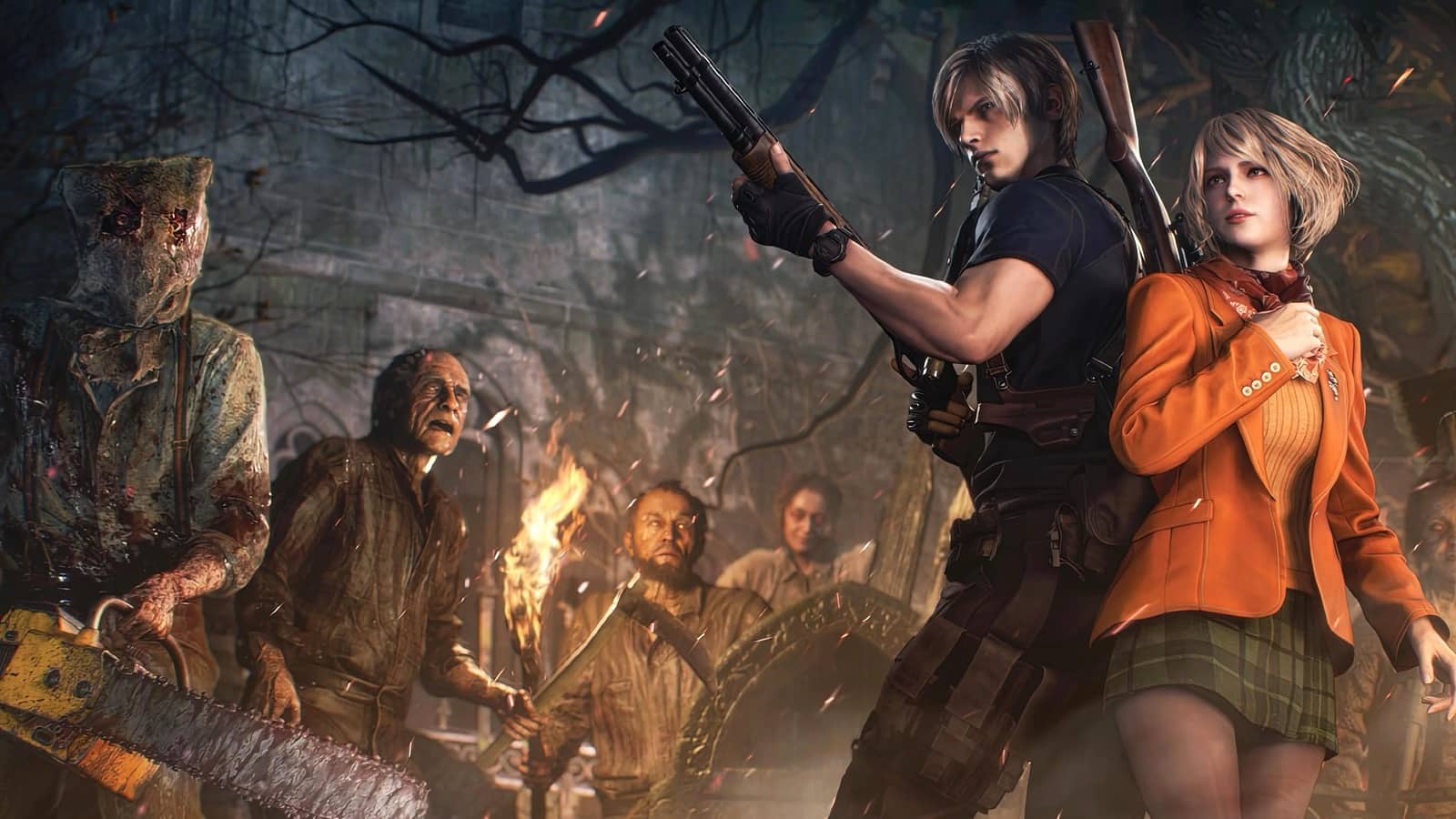
Resident Evil 4 Remake – Chainsaw Redneck Monster
Resident Evil 4 Remake – Chainsaw Redneck Monster Art
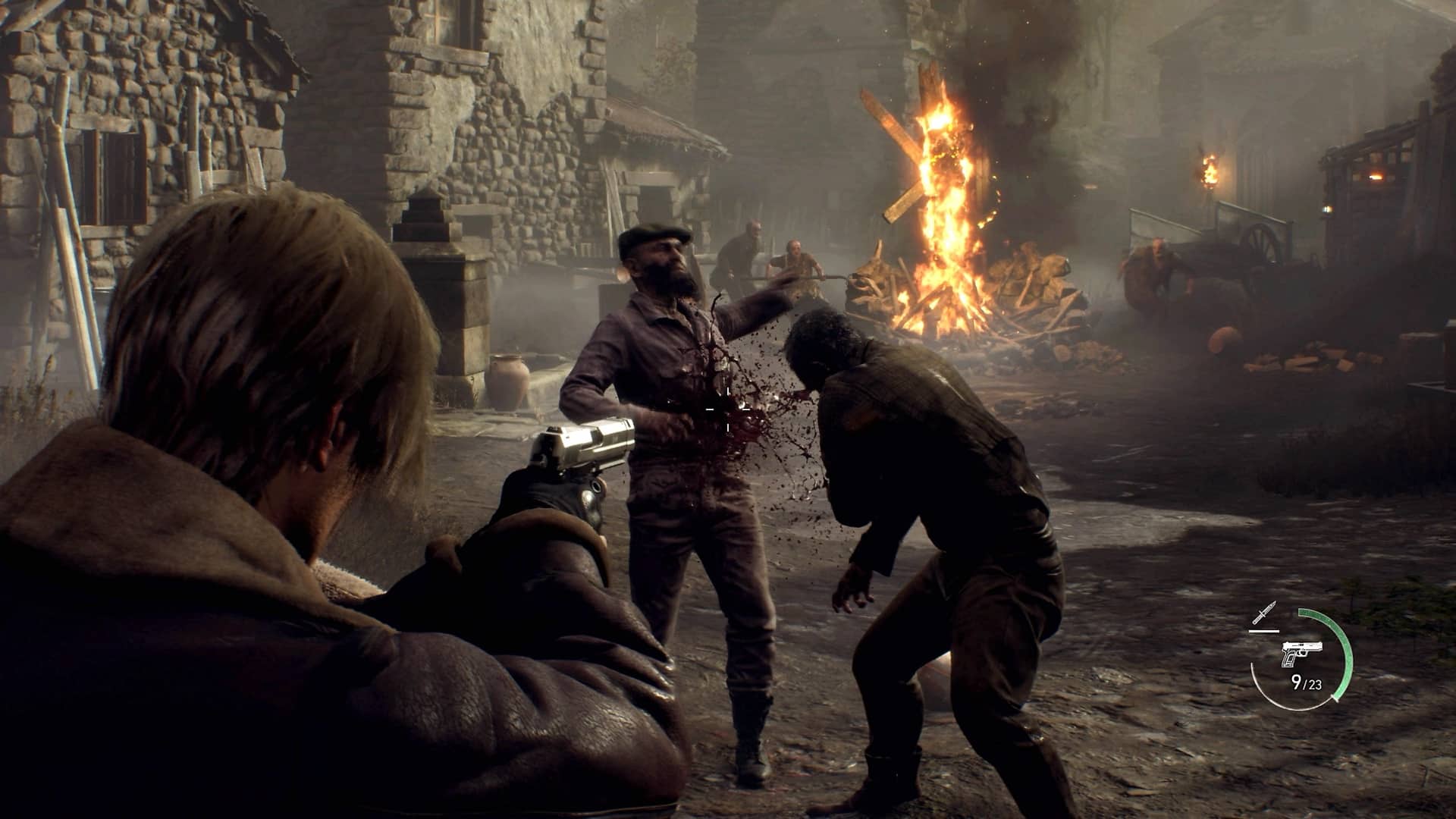
Resident Evil 4 Remake – Village Party Ongoing
Resident Evil 4 Remake – Village Party Ongoing Picture
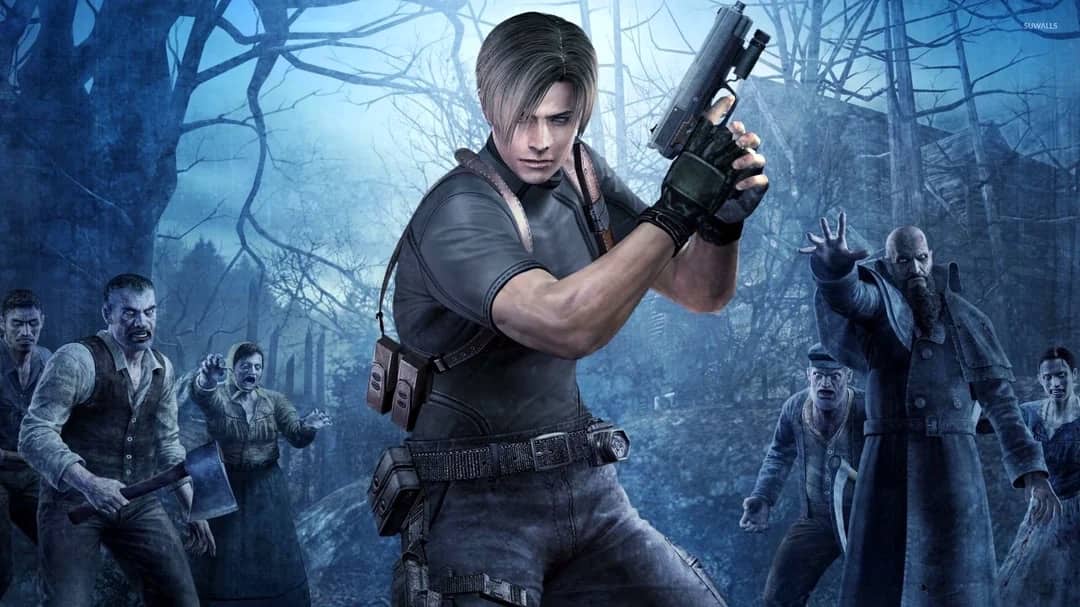
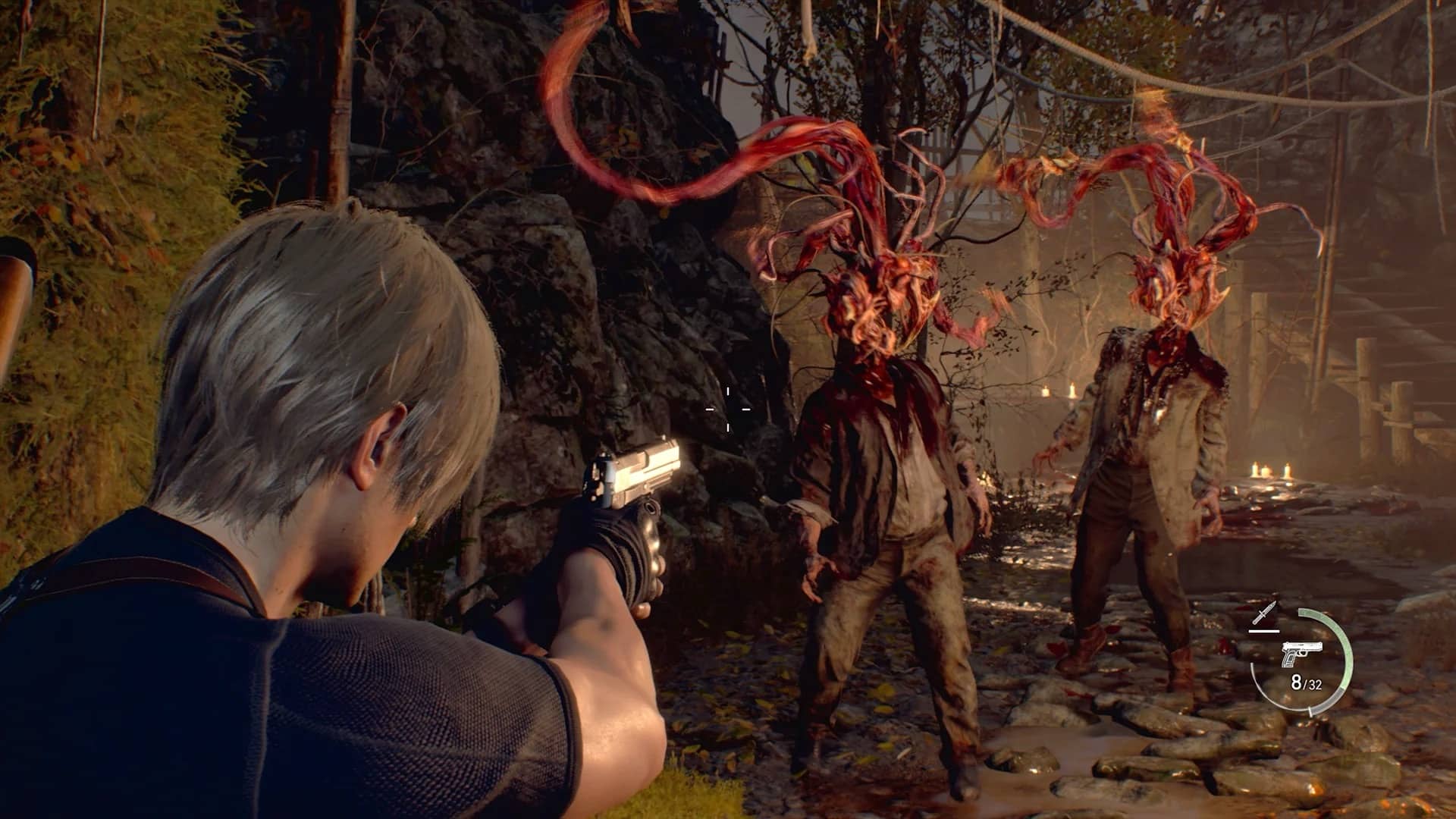
Resident-Evil-Monsters
Resident-Evil-Monsters
Last Rites: A Respectable Homage to a Legendary Game
Capcom has taken their legendary game, removed the flaws where they were, and given the game the gorgeous audiovisual treatment that such a game properly deserves. The gameplay has remained the same at the core but has been reskinned and enhanced with several minor elements, making this game a slightly different but somewhat more fresh experience. The music may not be prominent, but it plays when it really needs to. What, however, was the most damaging aspect of the remake compared to the prequel, which I only mentioned in passing and saved more for the very end, is the sometimes absurd and unnecessary slide into a very action-packed concept, especially in the final third of the game, which was often overdone even by the standards of the third remake. By the end, while I was excited about the story’s climax, I was not so enthusiastic about the gameplay. Still, this is an overall respectable work that pays homage to its predecessor. For fans of the series and the previous remakes, it’s a must-play!
..And VR lovers as well as CAPCOM prepared this extenstion for PSVR2 free for owners and is terrific as we hear , but we did not yet try ourselves.
Purchase Resident Evil 4 Remake is available on multiple platforms:
At the beginning of 2019, Capcom brought a remake of Resident Evil 2, a game they’ve been working on for years and have been incredibly passionate about. It showed that it was a great action survival adventure game that kept the spirit of the original, but at the same time, we got some excellent visuals and modified modern gameplay. It’s no wonder that Capcom took home several awards for the game and often got maximum marks in reviews. Resident Evil 2 was a straight-up remake that made the dream of many fans of the series come true, and they couldn’t be happier. They subsequently began calling for a remake of the third installment as well. However, it was clear that Capcom was already working on it, and its announcement was only a matter of time.
Capcom had already counted on a remake of the third Resident Evil installment during the development of the remake of the second installment and entrusted its development to a new studio, M-Two, led by former Platinum Games studio head Tatsuya Minami. It’s no wonder, as both games take place virtually simultaneously, each giving a slightly different perspective on events and complementing each other perfectly. Moreover, both are about a pandemic sweeping the world far faster than any other disease in modern history. Those are the first words of the play, which, given the current situation, certainly doesn’t give one much reason to be happy. However, it’s great that the remake of Resident Evil 3 has been given as much care as the second installment. The developers didn’t just want to remake the original game in a new visual coat; they decided to keep the characters, iconic locations, story skeleton, and foremost enemy and make a modern version.
Resident Evil 3 mainly follows the story of a S.T.A.R.S. unit member, Jill Valentine, who survived an incident at the Arklay mansion in the original Resident Evil, located in the Arklay Mountains above Racoon City. She is now trying to escape Raccoon City at any cost, where zombies are swarming, and the apocalypse is imminent… It’s a challenging task, as she and the members of her unit are being hunted by a giant monster called Nemesis, which I’ll get to later in my review. While it may not seem like it from the previous text, Resident Evil 3 has an exciting and well-written story (one that no film adaptation would be ashamed of) that has been adapted in many parts. This makes the game a new and fresh experience, plus the developers have not forgiven themselves for a few surprises for fans of the original. But the biggest boast is the main character, Jill Valentine, who is well-written and has many intense moments, which can also be said about her colleague Carlos or other characters you meet while playing. All the characters are completely redesigned and have a new design (Jill is now portrayed by Russian model Sasha Zotova). This helps make them more believable and makes it possible to relate to them.
I mentioned that Resident Evil 3 takes place simultaneously with Resident Evil 2 and gives a different perspective on the events. That’s true, but the gameplay is different for both games. While Leon and Claire’s adventure was the true survival horror adventure where you had to count every bullet, Jill Valentine’s journey is much more straightforward and action-packed. And the way the game wants to scare players has changed, too. Whereas in Resident Evil 2, the fear was built on not knowing what would jump out at you, whereas in Resident Evil 3, you fear a clearly defined and, again, as is usually the case, almost immortal arch-enemy that is constantly after you.
I don’t think the more action-packed poisoning is a bad thing; in fact, it’s a change I quite welcomed, although I’m also aware that if you haven’t played the original and are expecting the same experience as the remake of Resident Evil 2, you might be a little surprised and disappointed. I, however, am happy with the remake of Resident Evil 3, as I got exactly what Capcom promised before release… A more significant, more action-packed expansion for the second installment. That may be why I enjoyed that return to Raccoon City from the first minute to the last, thanks to perfect modern gameplay that stands up to many contemporary titles. Resident Evil 3 is one big linear action game that will lock you in your chair after just a few seconds and won’t let up until the end. Few games can do this these days, and Resident Evil 3 is one of them.
When you accept that you’re looking at a much more linear and action-packed Resident Evil, with no room for tricky puzzles, decision-making like the original, or vital survival elements, you’ll have no problem with it. The game has very well-written characters, dialogue, and action, during which Jill Valentine and her colleague Carlos, who were given much more space in the remake, dispatch dozens of zombies and other mutated monsters whose design is terrifying.
Despite the absence of several enemy types, there are plenty of adversaries to go around, and you’ll be able to use various weapons against them, be it a pistol, submachine gun, shotgun, or grenade launcher. There’s no shortage of grenades, either. There are more bullets compared to the second installment, and you don’t have to think as much about each shot, but you still have to save on medium difficulty and you can’t mindlessly shoot every zombie with hundreds of bullets.
DOOM has yet to become Resident Evil 3, although it’s not as strict on bullet economy, first aid kits, etc. The action system has mostly stayed the same from the second installment, with the only significant new feature being the ability to dodge zombie and boss attacks, which brings a nice boost that you get used to right away.
Mr. X: The Relentless Pursuer
While in the second part you were chased by Mr. X, in Resident Evil 3 you’ll be taken care of by an even worse monster, which even today gives many fans the creeps and makes them scream STTTTAAAAARRRRRSSSS all the time. That monster is, of course, Nemesis, which is why many fans even wanted a remake of the third installment. Even considering my conversations with the developers, I hoped that Nemesis would be a standalone unit that would hunt down Raccoon City and show up when I wasn’t expecting it. But since Resident Evil 3 is linear and practically constantly drives you down one ready-made path, having Nemesis move freely wouldn’t make sense. His sequences are so scripted, which didn’t matter the first time I played it because every time he appeared a little unexpectedly, I got adequately freaked out and went on the run. The scenes with him are great, I had a lot of respect for Nemesis every time because I knew I was facing a huge colossus that had the upper hand, and if I made a mistake, a loading screen would follow. With Nemesis, you can have some great fights while playing, which is alright. They don’t offend, but on the other hand, I imagine them being even better.
The game takes place in Raccoon City, taking you to several diverse locations, including streets, various shops, hospitals, or labs with more than one secret. Fans of the original will marvel at how familiar locations have come to life in the new visual representation or what changes have been made. Some have been heavily reworked and made smaller to make the action go faster so you don’t wander too much. However, you might be disappointed about the ancestry of several locations from the original, some of which should have been included in the remake. Again, this brings me to the fact that the new Resident Evil 3 is more of a modern take on the old work rather than a 1:1 and should be approached accordingly.
Anyway, it’s still possible to search for hidden rooms and other bonuses, but you no longer find yourself in a massive maze with many locked doors and various branching and secret passages to get lost in. What’s left are unique safe rooms to save your game at your typewriter or toss items from your inventory into a crate. You can gradually increase your inventory, but it’s nice to put found items away somewhere so you don’t lose them. I would only criticize you for not combining items in the crate. They must always be in the inventory to be combined. This makes handling them harder with a smaller inventory capacity.
Resident Evil 3 is a relatively short game. If, like me, you play on medium difficulty for the first time, you’ll finish the story campaign in something like six or seven hours, and more experienced players can do it even faster. And it’s also because the difficulty could be higher on medium difficulty. In fact, I even had trouble dying unless you count the opponents who can take Jill down for a blow. But I wasn’t. Who knows how enthusiastic about this attempt by the developers to increase the difficulty at any cost, and it’s not the right solution. After finishing, you can replay everything with greater difficulty or try to collect everything but don’t expect a second campaign with a different character than the one you did in Resident Evil 2. Also missing is the decision-making from the original, which could have easily influenced the ending. This, in turn, contributes to the game’s lack of replayability, as it fails to surprise on the second playthrough, which Capcom probably counted on a bit, so they added a multiplayer game, Resident Evil: Resistance, to the game, which, while not offensive at all, was not enough as total compensation.
For the remake of Resident Evil 3, Capcom reused its modern RE Engine, which was used not only in the remake of Resident Evil 2 but also in Resident Evil 7 and Devil May Cry 5. It does a fantastic job here as well. Especially regarding character and enemy models, they are incredibly detailed with awesome animations. Apart from the characters, the environments are also thorough, and the effects are also significant, so when it comes to the visual aspect, your eyes are in for a real treat, and you won’t be disappointed. Especially since the game is well-optimized and even runs at 60 fps on PlayStation 4 and PS5 as part of an update that came later. The soundtrack is also fantastic in Resident Evil 3. The dubbing is also worthy of praise, which only emphasizes the high production values of this remake. Capcom left nothing to chance.
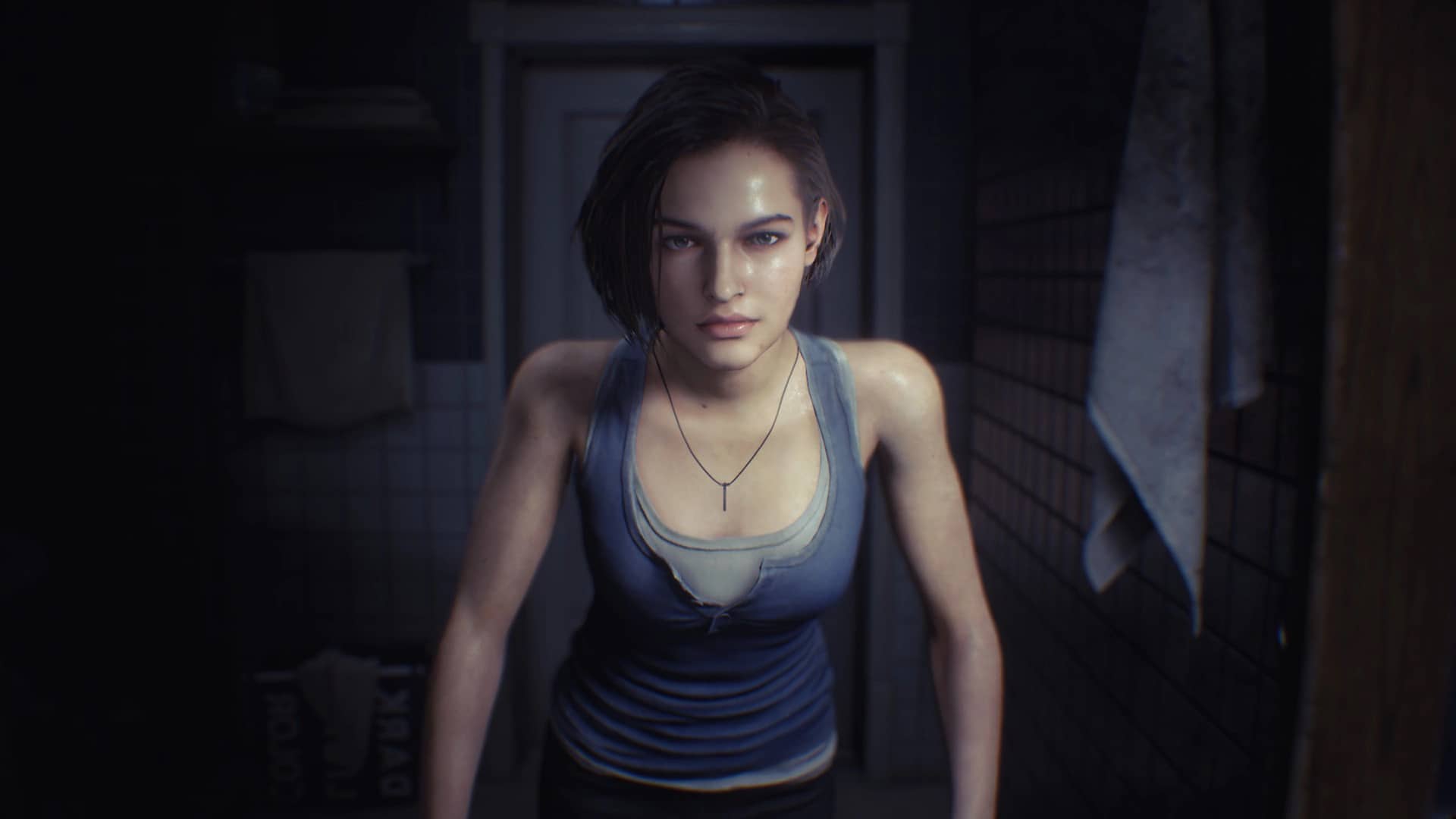
Resident Evil 3 Remake- Beautiful Jill
Resident Evil 3 Remake- Beautiful Jill
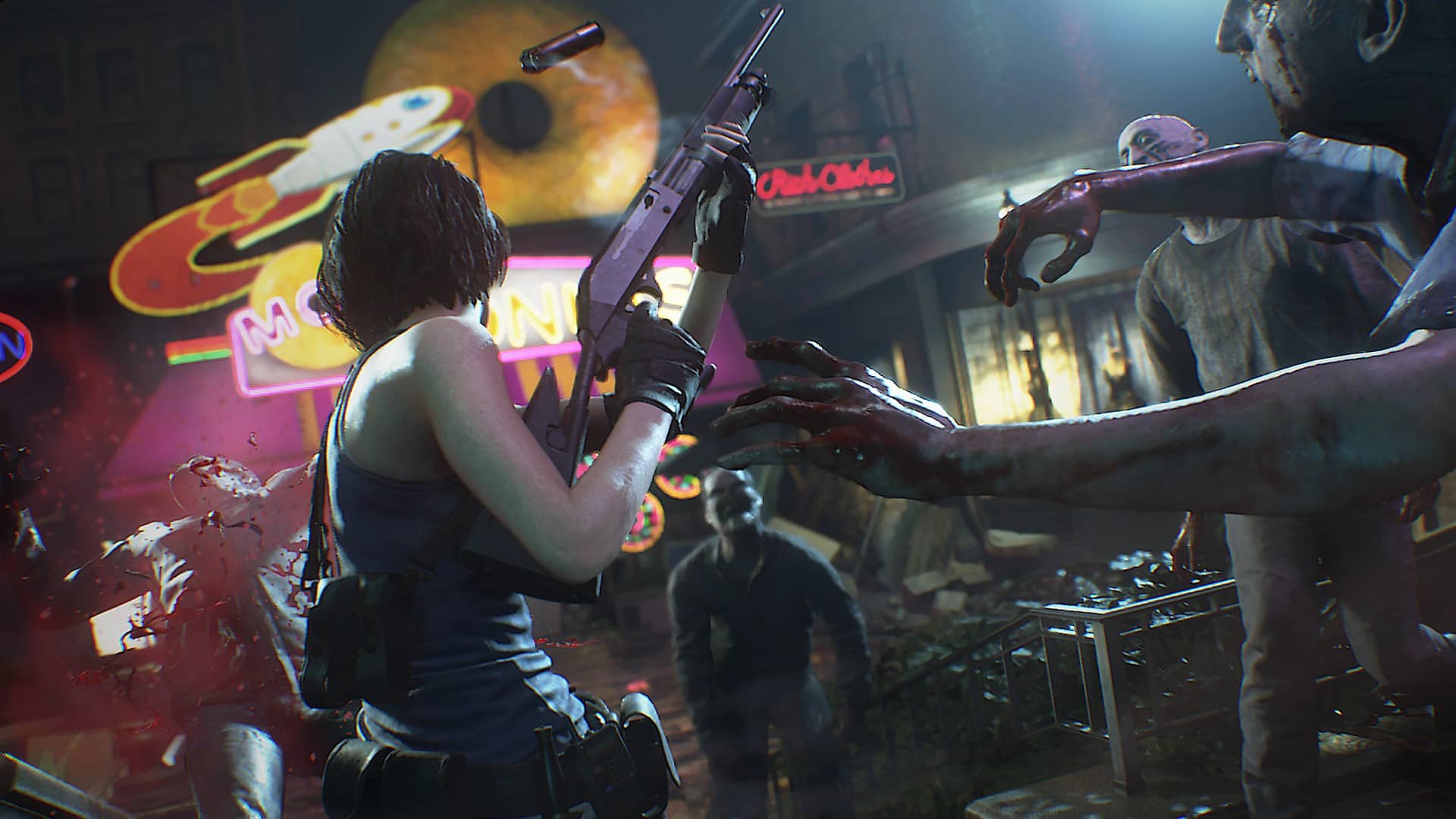
Resident Evil 3 Remake – Jill With Shotgun
Resident Evil 3 Remake – Jill With Shotgun Photo
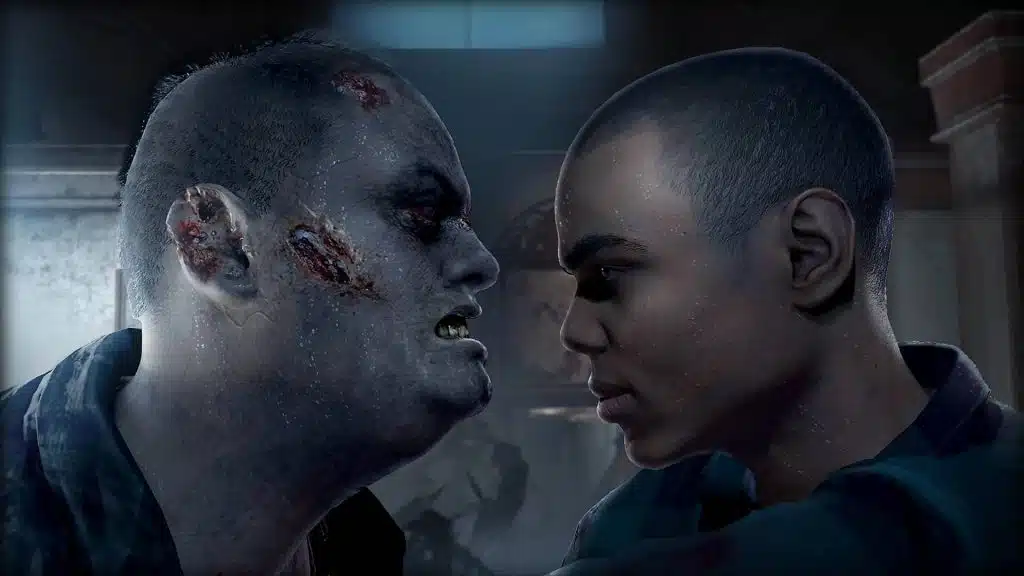
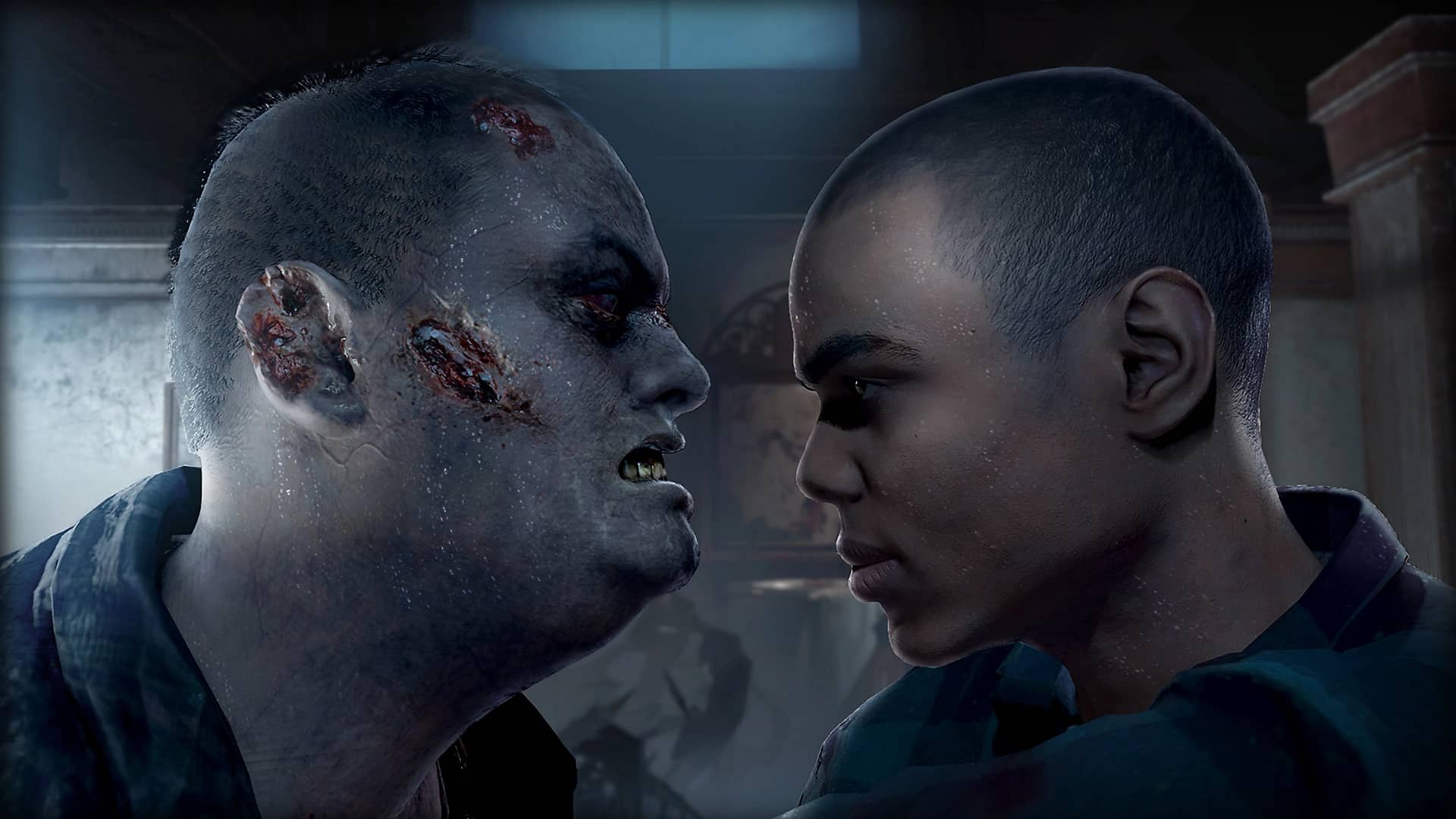
Resident Evil 3 Remake – Face to Face
Resident Evil 3 Remake – Face to Face Photo
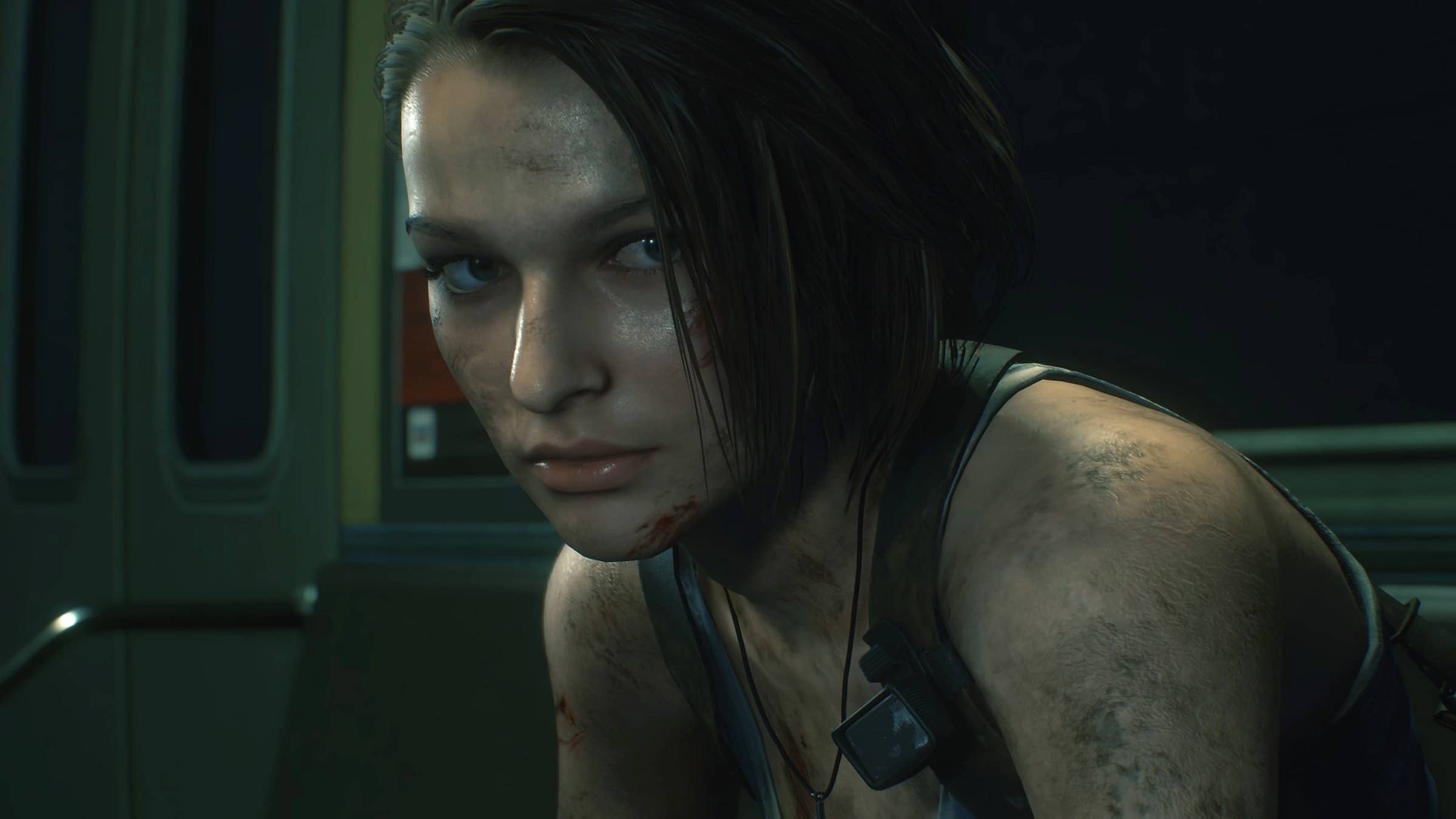
Resident Evil 3 Remake – Jill Close Up
Resident Evil 3 Remake – Jill Close Up Photo
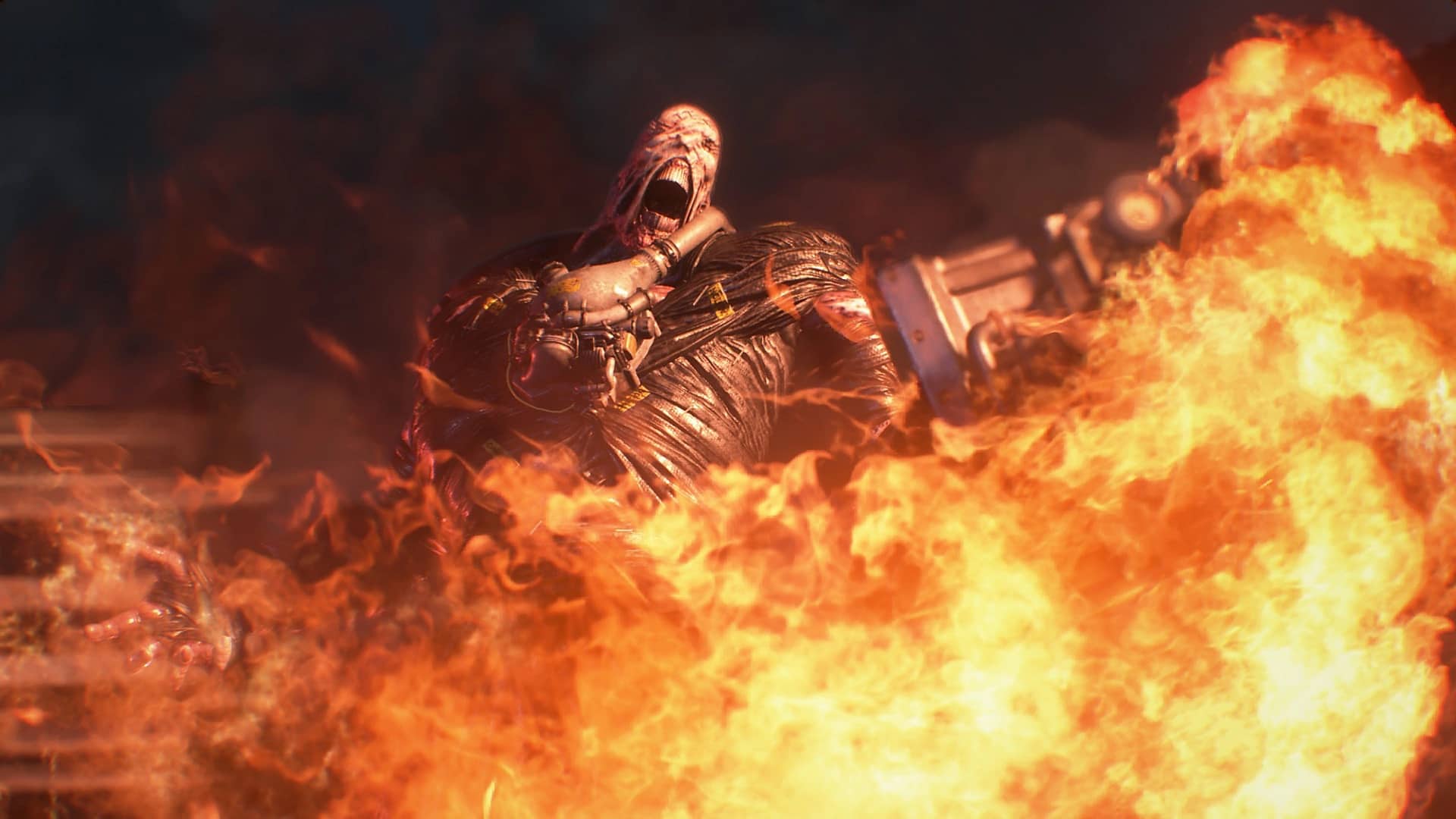
Resident Evil 3 Remake-Nemesis Burning Well
Resident Evil 3 Remake-Nemesis Burning Photo
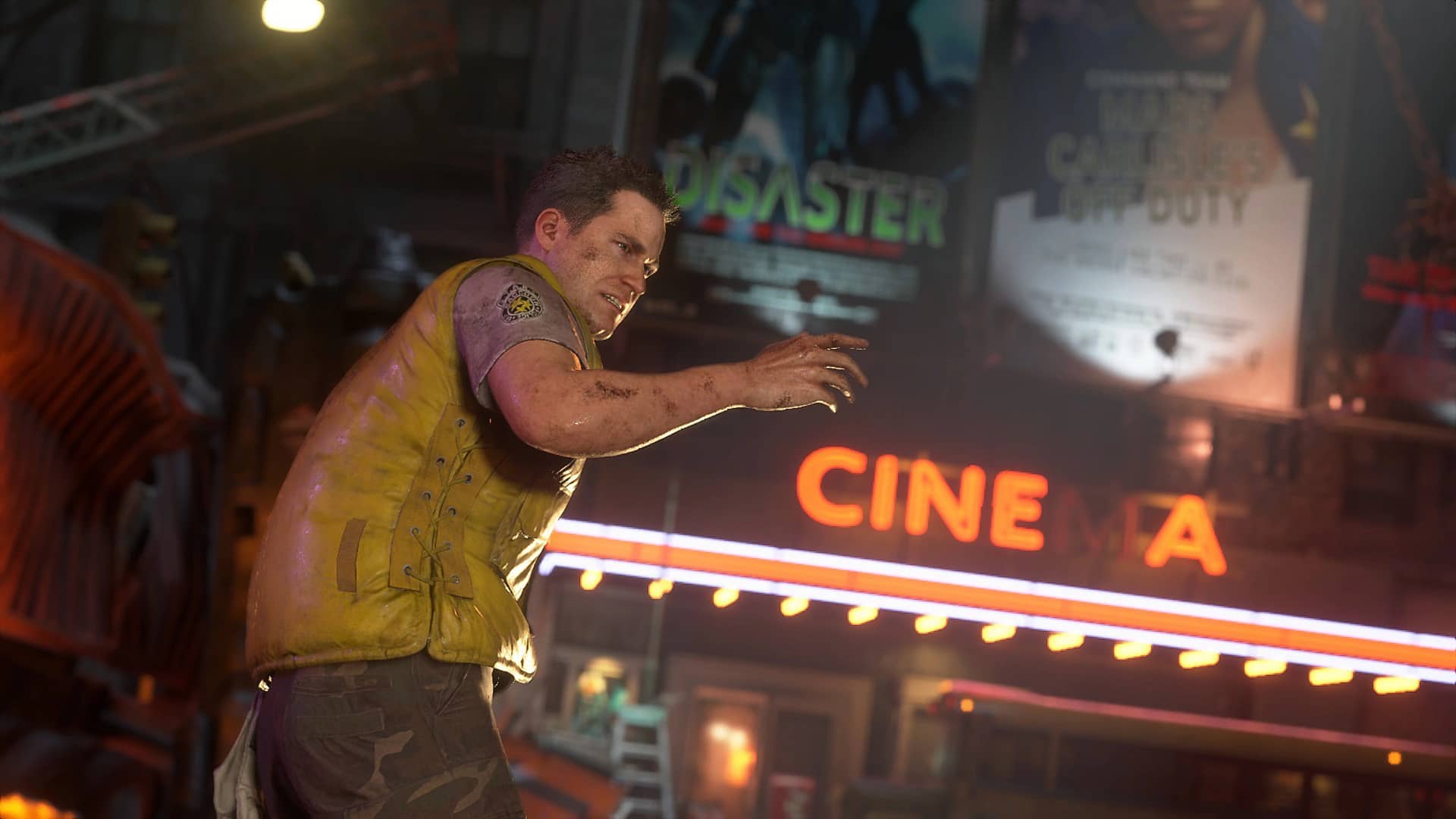
Resident Evil 3 Remake – Cinema Scene
Resident Evil 3 Remake – Cinema Scene Photo
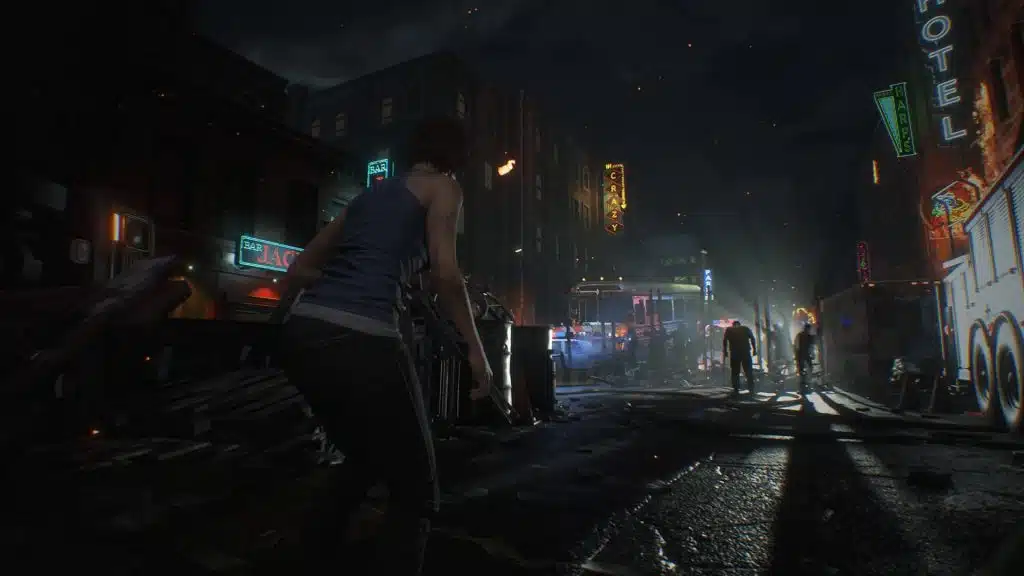
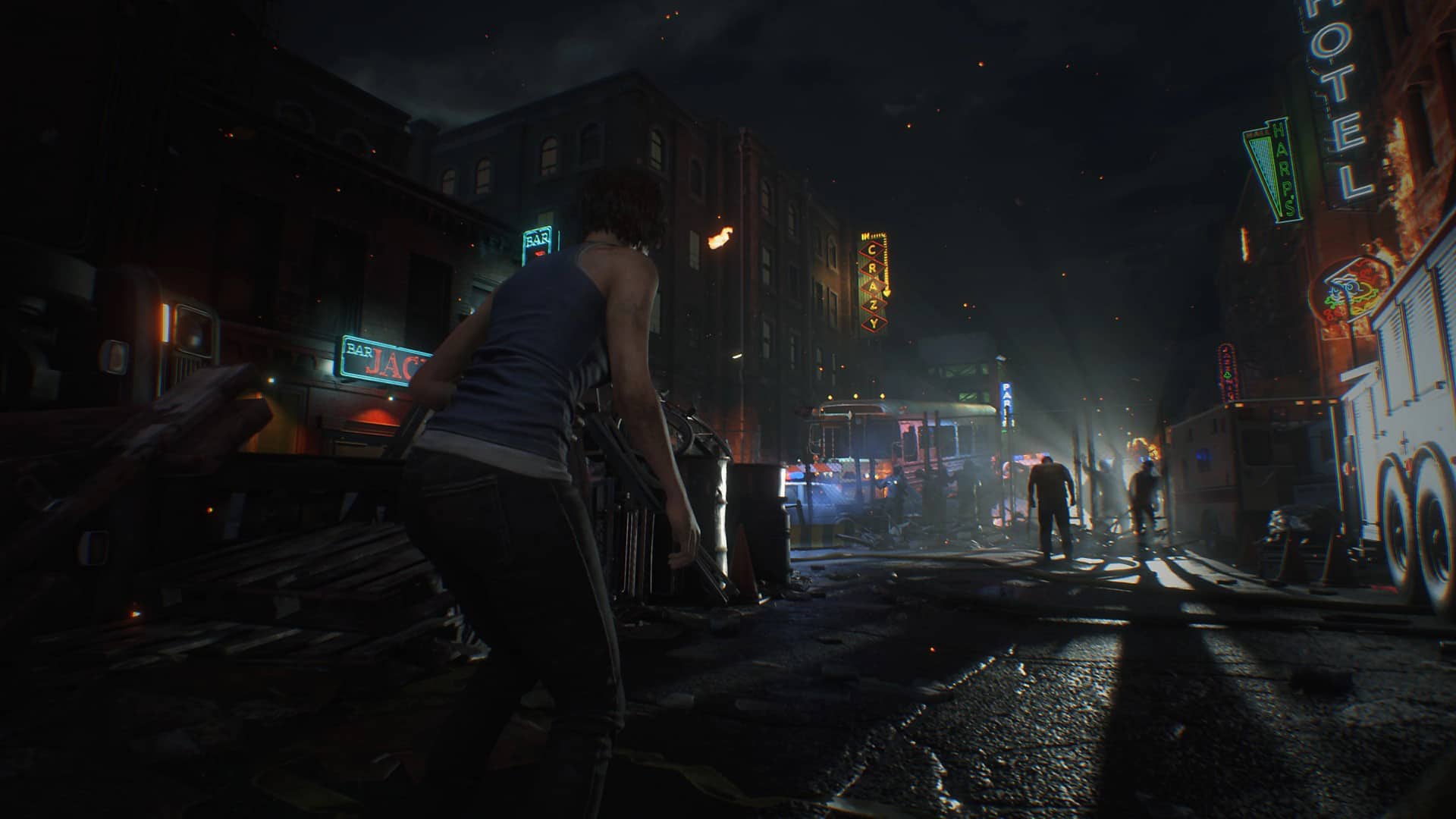
Resident Evil 3 Remake – Zombies Everywhere But Jill is Ready
Resident Evil 3 Remake – Zombies Everywhere Photo
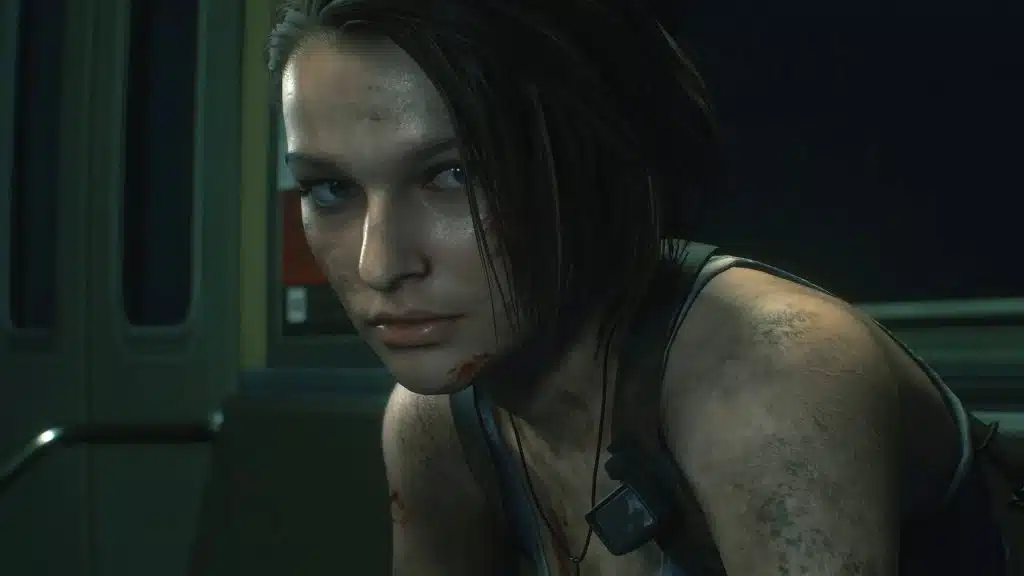
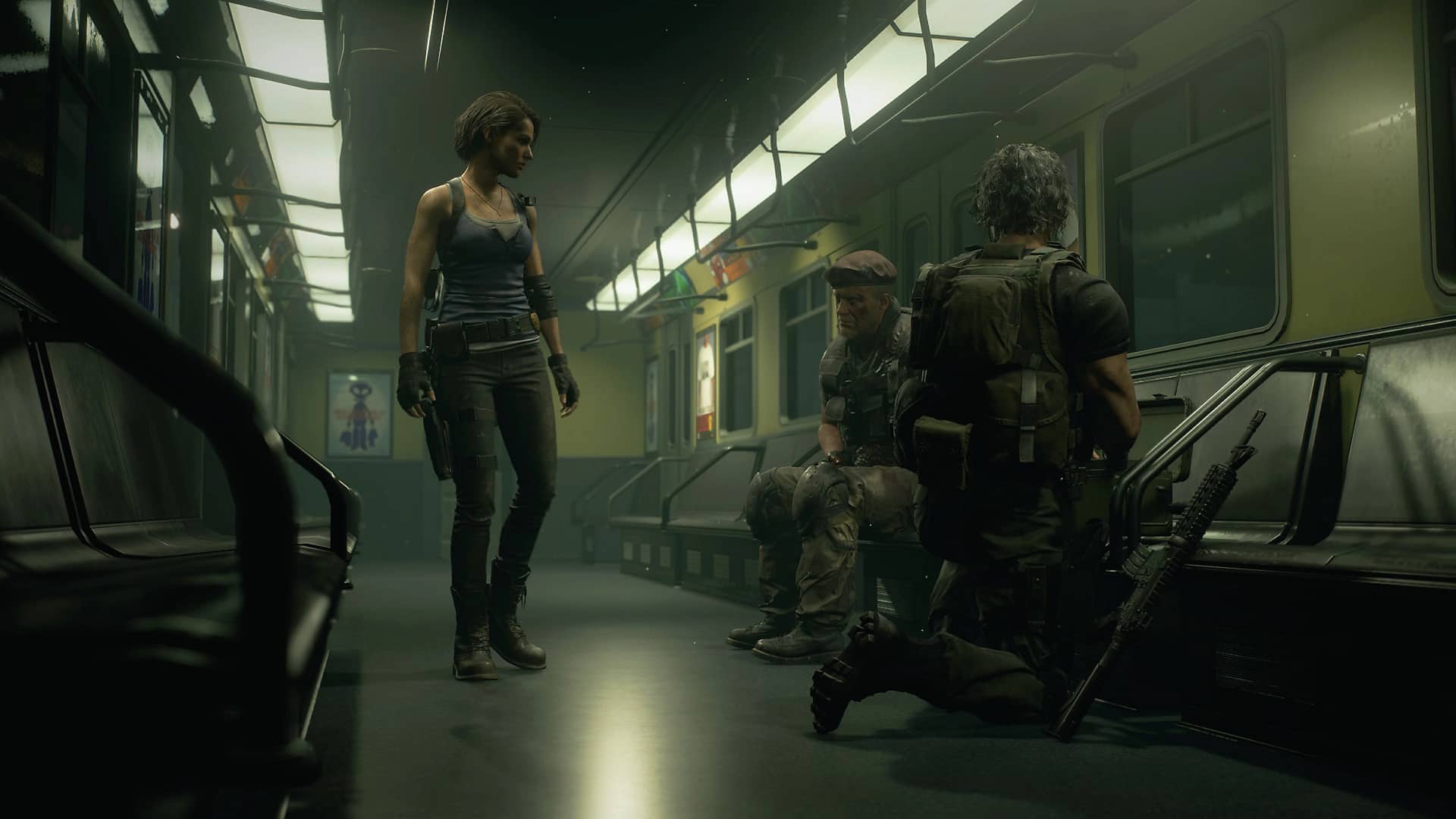
Resident Evil 3 Remake – Jill is at Subway Talking
Resident Evil 3 Remake – Jill is at Subway Talking Photo
Resident Conlusion
Resident Evil 3 is a superb remake of a beloved classic video game that effectively holds your attention from start to finish. The game prioritizes high-quality action, which complements Jill Valentine’s adventure and the more cinematic approach. Additionally, it features impressive design, well-developed characters, and exceptional audiovisual presentation. However, some players might find the shorter duration to be a downside.
Title: Resident Evil 2 Developer: Capcom Publisher: Capcom Released: January 25, 2019 Platform Reviewed: PlayStation 4 Platforms Available: PC, PlayStation 4 Playstation 5, Xbox X/S, Xbox One, Nintendo Switch (Cloud) Article Reading Time: 12 minutes
As we know, remakes of older titles are mainly for players who didn’t have the pleasure of playing them in the years of their release, but in many cases, they also please those who played them in their original form. Remakes are a considerable risk if they are not approached with enough sensitivity to the original. It can quickly happen that a game adapted for the latest generation is entirely different from its years-old predecessor. It plays differently. It looks different. In short, some remakes are so advanced that they can take away what is essential to the game, albeit unintentionally.
Have you ever encountered remakes of old video games that give them a new look and add a few extra innovations without losing the original atmosphere? Such remakes are a rare gem in the gaming industry. They bring back the nostalgia of the original and introduce the game to a new generation. One such example is the Shadow of the Colossus remake, a true masterpiece in every sense. The game’s developers have taken great care to retain the original game’s essence while incorporating some new features that enhance the overall gaming experience.
Similarly, Resident Evil 2 is another honest piece of work that has been given a lot of care and attention. The game has been remade with utmost respect for the original, and every detail has been meticulously crafted to perfection. The result is a game that pays homage to the original and stands on its own as a great game in its own right.
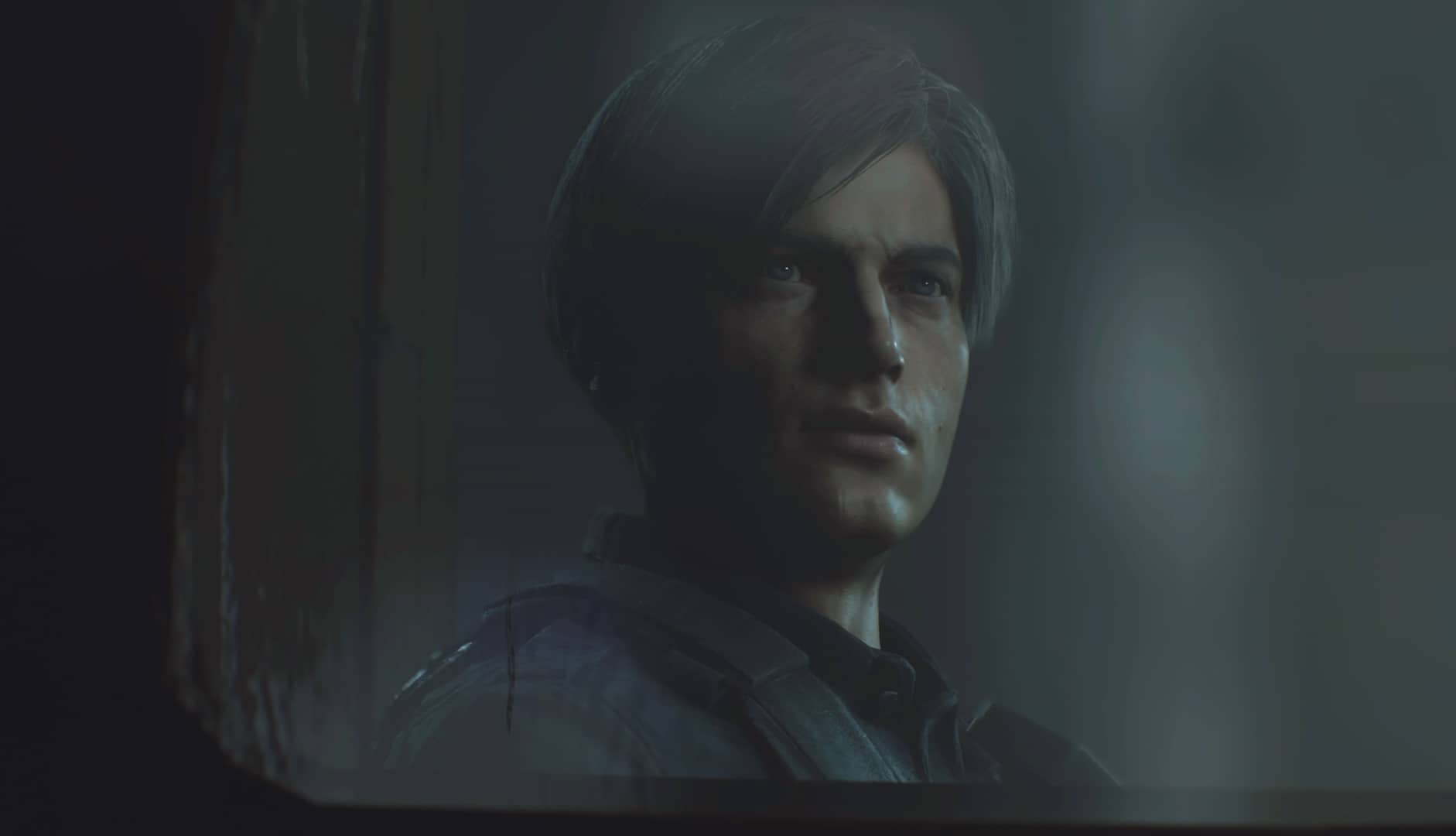
The story takes place in Racoon City, where you start your journey at a gas station. There, you meet Leon S. Kennedy, a new member of the Racoon City Police Department, and Claire Redfield, who is searching for her brother Chris, a member of the S.T.A.R.S. Special Forces. However, things could be better in the city. Infected people roam the streets, and danger lurks around every corner. The Umbrella Corporation, a shadowy organization, is behind all of it, and the sinister question mark that hangs over everything is unsettling.
As you progress through the game, you can play either Leon or Claire, and I highly recommend playing both. While the storylines may seem similar, they diverge and intersect at various points. Each character meets different people, explores different areas, and acquires unique items, providing a fresh perspective on the story.
Playing as Leon and Claire allows players to experience the game from two angles and adds depth to the narrative. The paths of both characters intertwine in unexpected ways, and their individual experiences reveal more about the world of Racoon City and the nefarious Umbrella Corporation.
The story is captivating, with an excellent narrative that centers on well-written dialogue and a small cast of characters with solid characterization. This leads to several well-timed narrative twists, which, unlike most games with similar themes, feel unrestrained and surpass the norm.
Inventory Management Survival
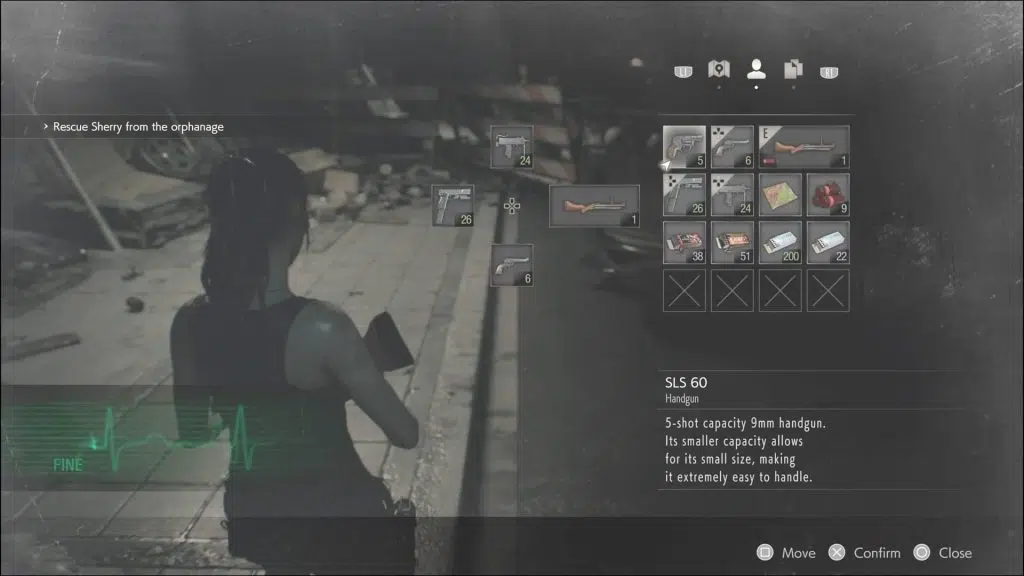
Managing your allotted small inventory is one of the initial challenges you will face as you start playing Resident Evil 2. This inventory space will stay the same throughout the game unless you find bags hidden in safes and locked cabinets that can expand your inventory size. However, even with the expanded inventory, you should still expect a smaller inventory than you may have experienced in open-world RPG titles.
The game puts you in a scenario where you must make careful decisions about what items to keep and what to leave behind. You may want to prioritize healing items and ammo, but if you come across a crucial item you need to progress in the game, you may have to put away some of your precious healing items.
Thankfully, the game offers the option to store unneeded items in a chest. However, few chests are available and shared, like in Episode 7. Therefore, it is vital to be strategic in what you store and what you carry with you. You should keep items you will need later in the game in the chest.
In summary, managing your inventory is a crucial part of Resident Evil 2, which you must deal with from the beginning to the end of the game. Be prepared to make tough choices, but with careful planning, you can successfully complete the game.
At the beginning of the game, the player’s arsenal is limited to a single pistol. This forces the player to be accurate with each shot since every bullet is precious. However, as you progress throughout the game, you will acquire new weapons, such as the mighty shotgun and flamethrower, which offer a more comprehensive range of combat options. Despite the expanded arsenal, the player is not invulnerable, and ammunition remains scarce. This means that the player must consider whether it is worth engaging in combat or conserving resources for later. The need to survive adds extra stress to the gameplay, particularly when the player decides to avoid fighting and instead runs through a location. Even when the player chooses to flee, enemies relentlessly pursue them, making each game moment tense and action-packed.
Solving Puzzles Amidst the Chaos
This is further enhanced by puzzles and riddles scattered throughout the game’s story. These are some of the main things that remind you that you’re playing an old classic. You have to find a key to get into a room with an object to open a door, where there’s another object to open another door, and so on. To get through the game this way, you’ll have to think about where you’ve been and what you’ve found there. This approach may not suit some, but the need to consider and execute an idea when the game won’t give you a moment’s rest can kick you into gear like no other contemporary title. You’ll also still search for maps, notes, and records, mixing gunpowder of varying quality and multicolored flowers. In short, mechanics-wise, everything works perfectly, and the remake retains the core of the old original in this regard.
Capcom’s latest changes to the Resident Evil 2 remake have been met with excitement and anticipation from fans of the classic survival horror game. The developers have made one of the most significant modifications to the game’s camera perspective. In the original version, the camera remained static throughout the game. However, the camera is moved behind the protagonist’s right shoulder in the new game. This perspective makes all the action on the screen more evident, allowing you to see everything and decide where to go next.
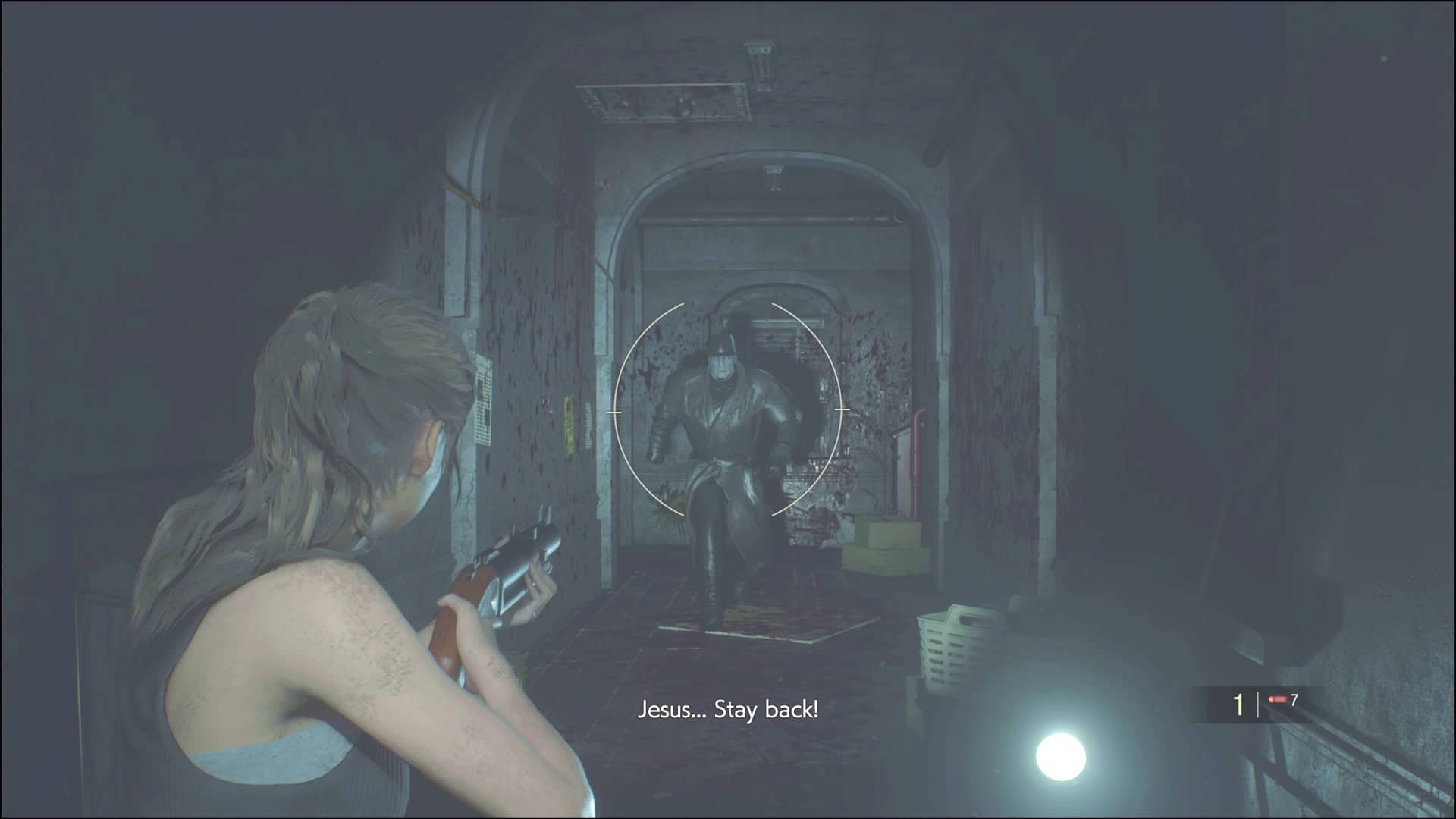
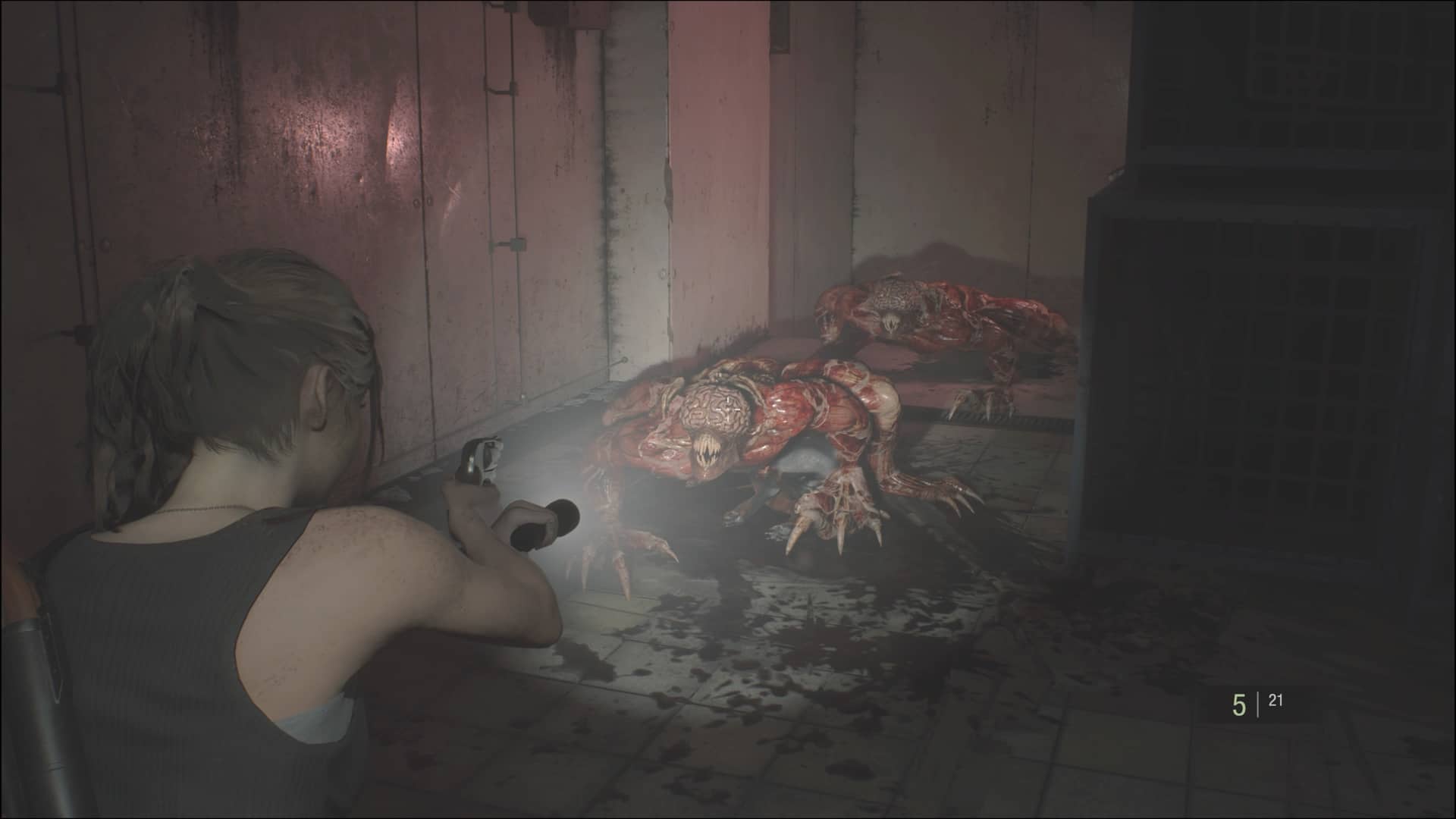
You’ll encounter numerous dangers as you explore the game’s various locations. The undead zombies from the original game and other familiar monsters such as lickers, infected dogs, and much more are back. But the most significant threat you’ll face is Mr. X, the Tyrant. He’ll be chasing you relentlessly throughout the game, trying to slow your progress and make you his next victim.
All these dangers make Resident Evil 2 a thrilling and challenging experience that will keep you on the edge of your seat for hours. Are you ready to face your fears and fight for survival?
Older memories will notice that there are few changes. Not all were given space in the remake, but that is not necessarily a reason to condemn it immediately. The developers have really worked hard with the enemies, and if you take a moment to observe them, you’ll find that they behave very unpredictably. For example, the undead look lazy, shuffle along corridors, or crawl through windows (which are ideal for boarding up if you have the wooden planks to do so), and you may think that killing them will be easy, but the opposite is true. Clumsy sloths can turn into fast killers in a second, capable of surprising you by charging at you from behind. And we’re only talking about the most ordinary ones in the game.
Tyrant: An Unstoppable Force
I had the biggest problem with the lickers. They can hear almost every step you take, so you must move as quietly as possible and pray they don’t walk past you or jump off the ceiling onto your back. Then your only salvation is either a knife that you can stick in the neck of the lickers and undead or a grenade in your inventory. As for Tyrant himself, he can only be incapacitated for so long by headshots, as he’s almost invulnerable and can walk through anything in his path, whether it’s a simple wooden door or a hard wall. If he catches you and believes that he will, then prepare yourself as hard hits and chokes from the stereo will be hard to come by.
I played the game on a Playstation 4 without the slightest technical difficulties. The second game uses the engine from the seventh installment and looks beautiful. Cutscenes and animations are on a solid level, and the textures and all objects are well modeled. Even the smaller ones like keys, medallions, and herbs have been given sufficient care and don’t give a cheap impression of a rushed job.
However, the biggest weapon of the graphics of the second game doesn’t lie in the quality of the effects, of which you’ll see several. If you strip away the smoke, fire, and water, the detailed faces with realistic facial expressions, and the elaborate weapons, you’re left with one of the best damage models I’ve seen in years. Every wound you or your enemy takes is visible, and you can, for example, simply blow off an opponent’s leg, arm, or both and watch them try to crawl or crawl toward you. Other animations are similarly unique. For example, the authors remembered Leon and Claire holding their hips and slowing down when injured. Sound-wise, Resident Evil 2 also retains a certain uniqueness. I’ve never heard a more terrifying zombie roar and licker shuffle that managed to properly freak me out. However, what the developers have played with the most is Tyrant’s stomping, echoing throughout the rooms, confusing my hearing and senses. This is an essential part of the atmosphere, along with all sorts of sounds you’ll hear, be it falling furniture, windows breaking, raindrops ringing against metal gutters. The game is greatly helped by the soundtrack, which, in the more action-packed moments, conveys the tension of the whole situation or, on the contrary, its desperation.
As we approach the end of this review, it’s clear that the Resident Evil 2 remake is near-perfect, but not quite. The only downside is that the game allows you to lower your difficulty when you die repeatedly, which is fine after the first time. However, if you keep dying, the game will continue to reduce the difficulty, and you could accidentally choose a lower difficulty that ruins the entire experience.
The Importance of Difficulty
Once you complete the game, it will tell you your final game time and the difficulty you chose, determining your overall grade. Aiming for a high grade is essential because it unlocks the true endgame and other bonus difficulties that offer more challenging puzzles and formidable enemies. This adds tremendous replayability to the game, and you can chase after many bonuses, trophies, or achievements, turning a shorter game into an affair that takes up dozens of hours.
For new players, the game will take around 10 hours to complete on their first playthrough, while veterans who remember the original can finish it in 7 or 6 hours.
Unlocking the True Ending
When I started playing Resident Evil 2, I thought the remake of a twenty-year-old game would be a minor departure from the original. I assumed it wouldn’t surprise me, even if I had never played it before, only watched it. But I couldn’t have been more wrong. The game is a masterclass in creating a proper remake that stays true to its roots while adding new elements that enhance the experience.
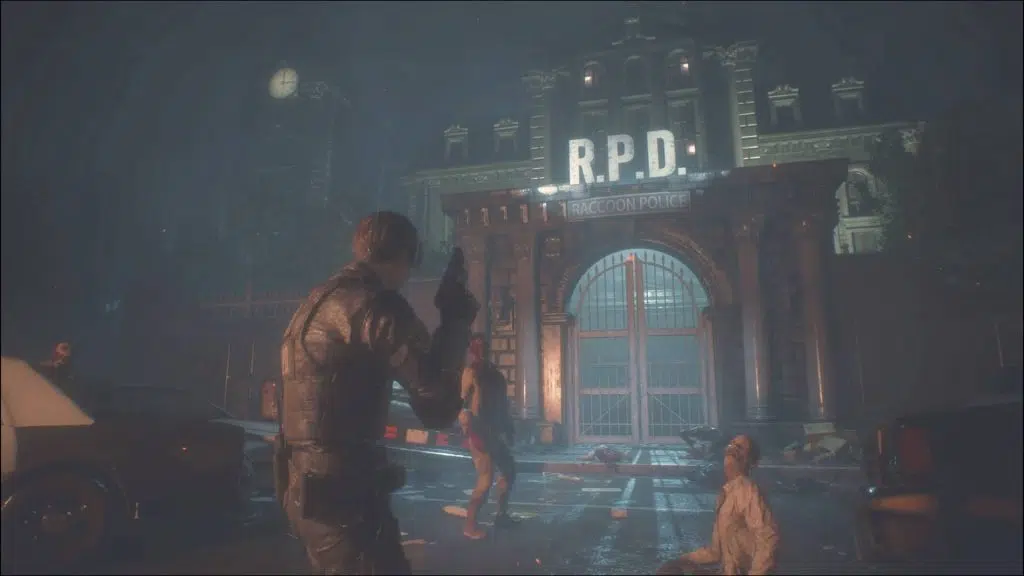
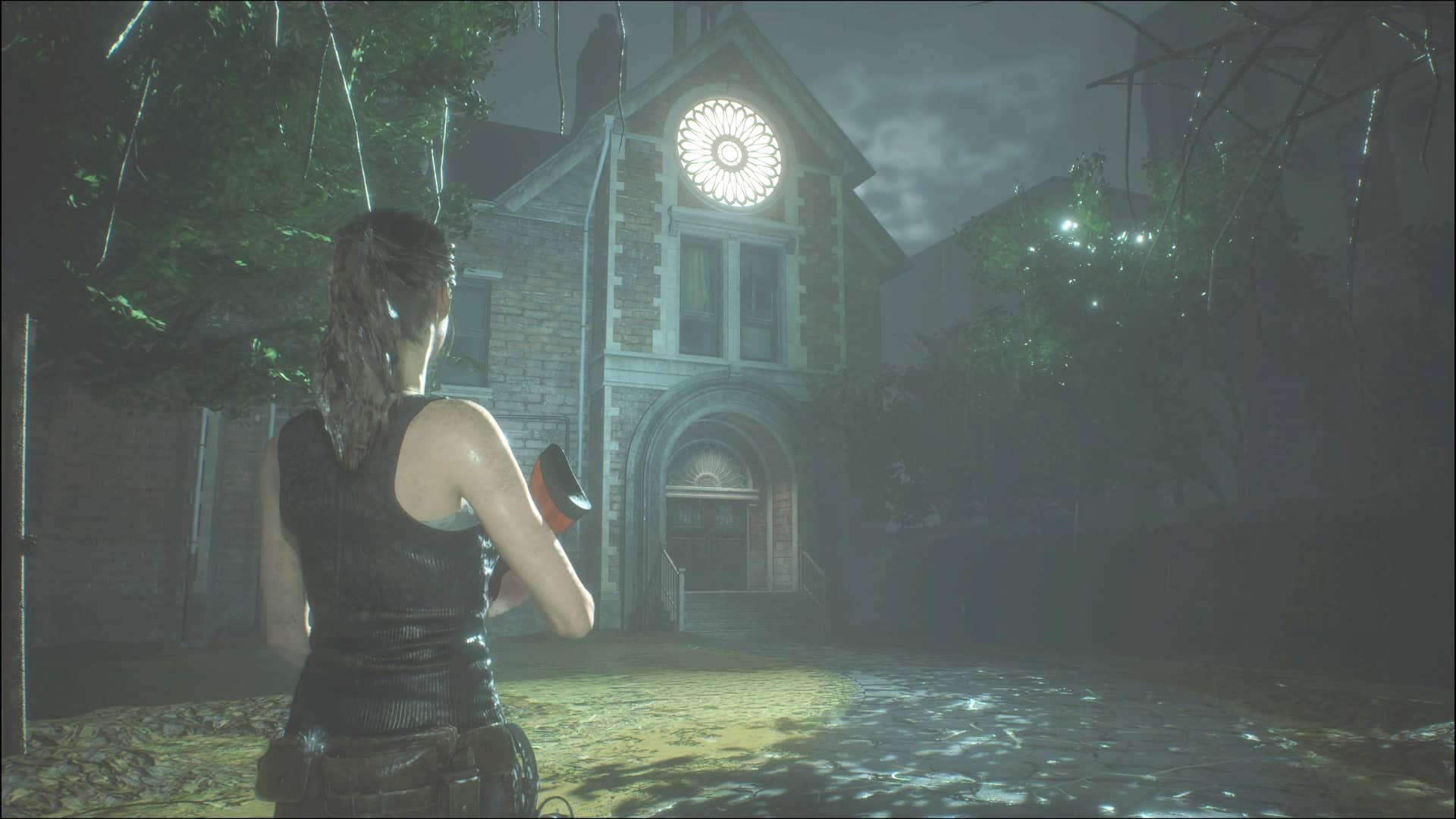
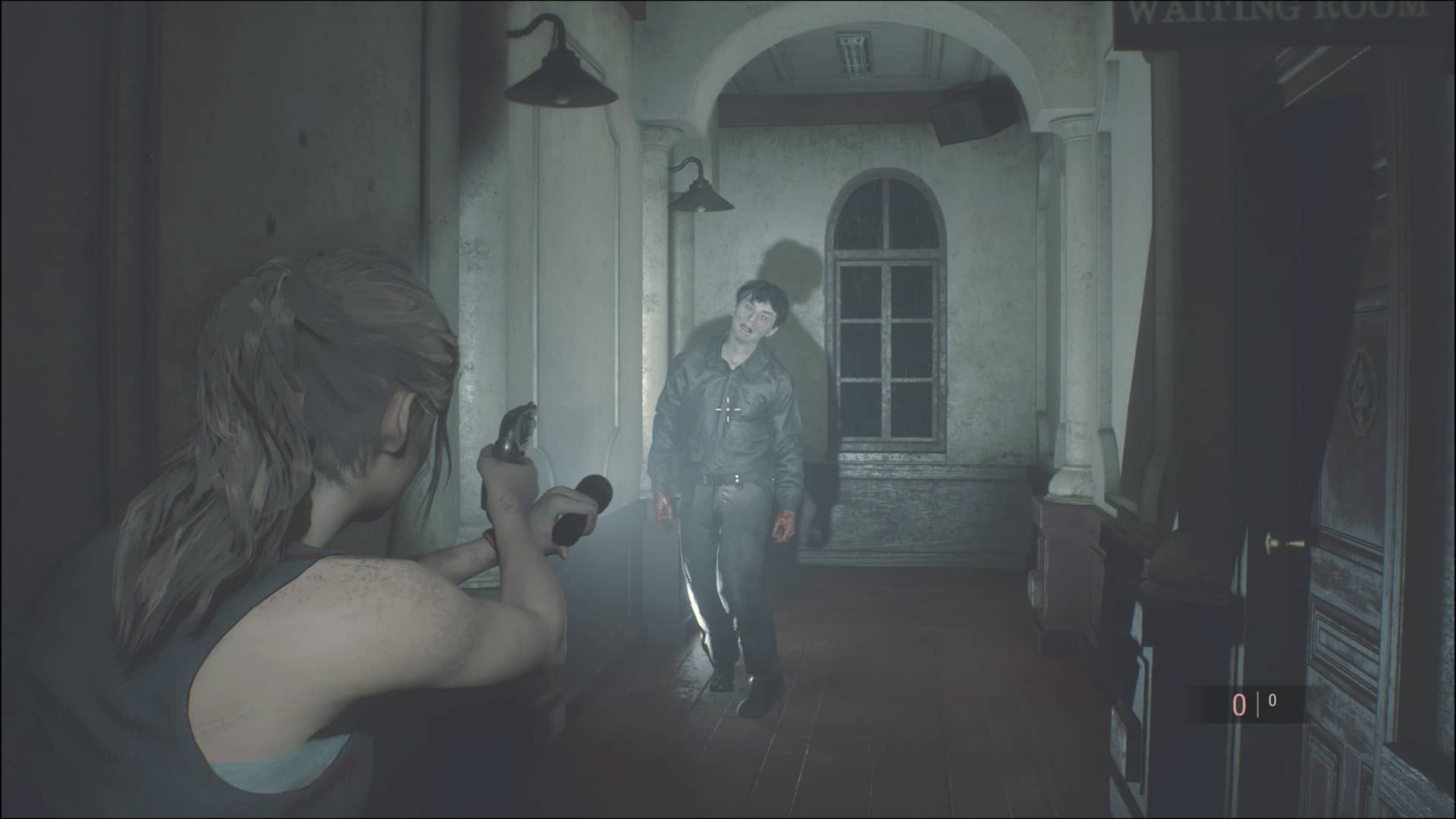
Resident Evil 2 Remake The Church and Claire Redfield Approaching
Resident Evil 2 Remake The Church and Claire Redfield Approaching Photo
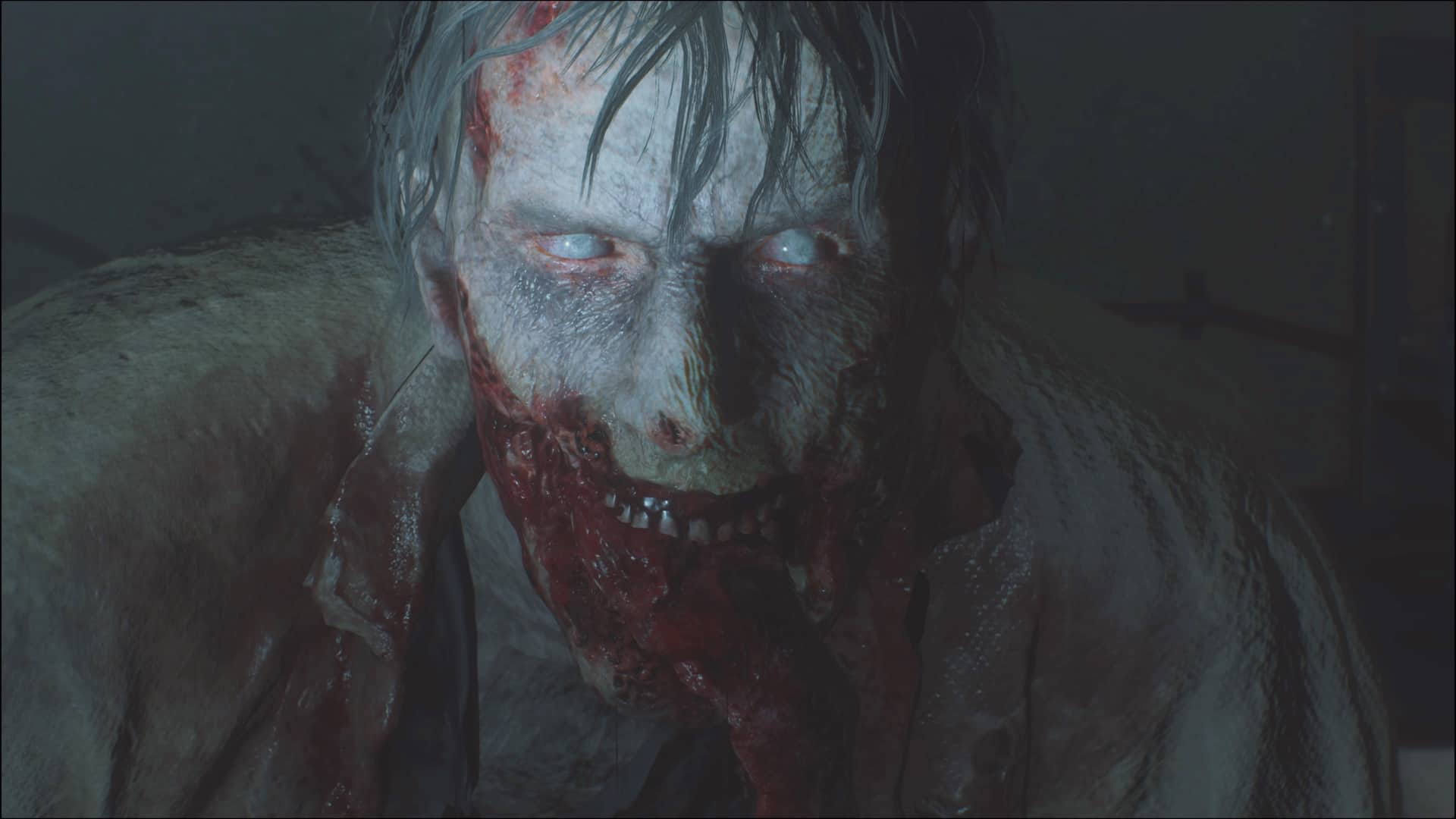
Resident Evil 2 Remake Cute Zombie Selfie
Resident Evil 2 Remake Cute Zombie Photo
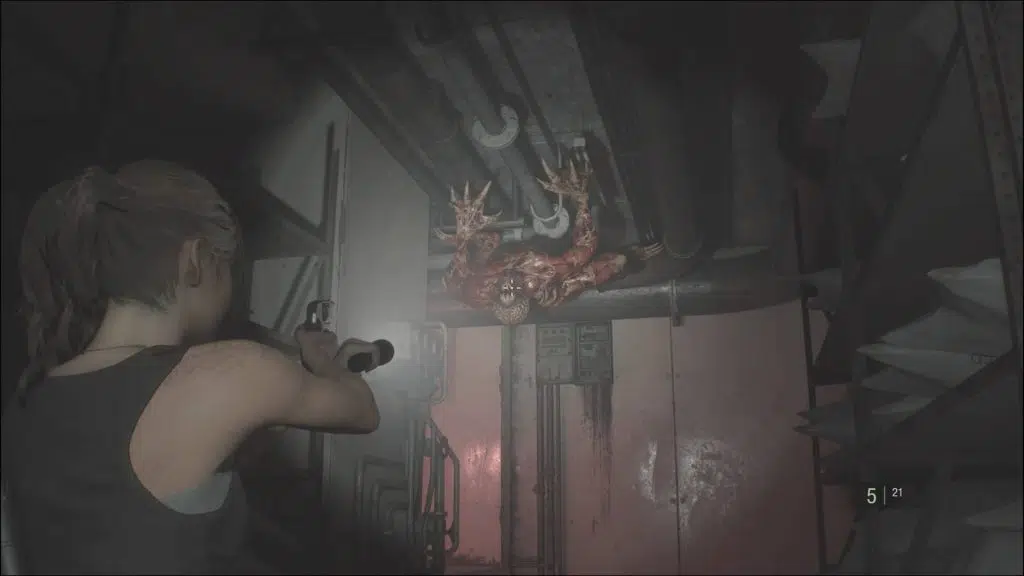
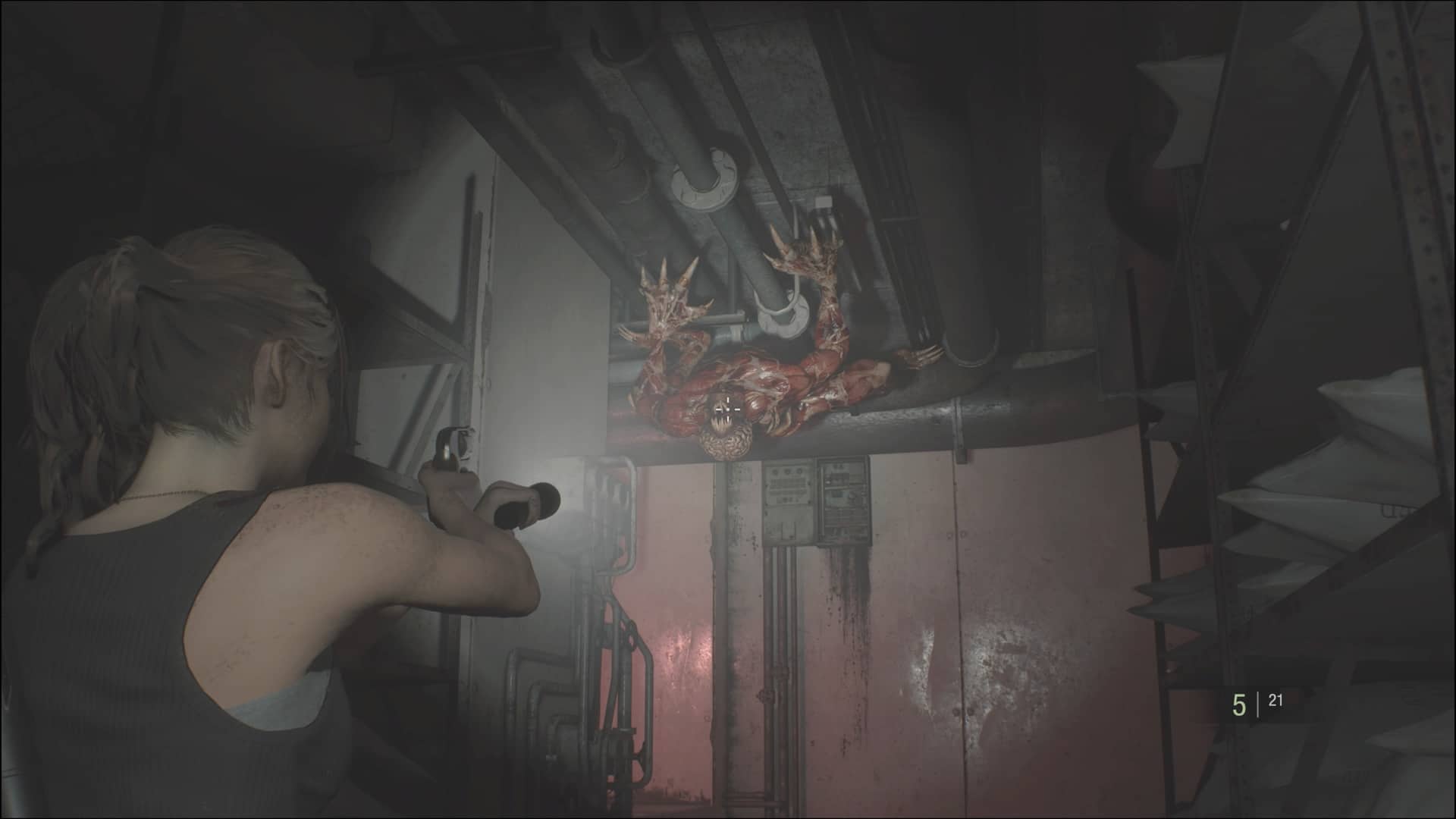
Resident Evil 2 Remake Crawling Monsters up side Down Shooting
Resident Evil 2 Remake Crawling Monsters up side Down Shooting Photo
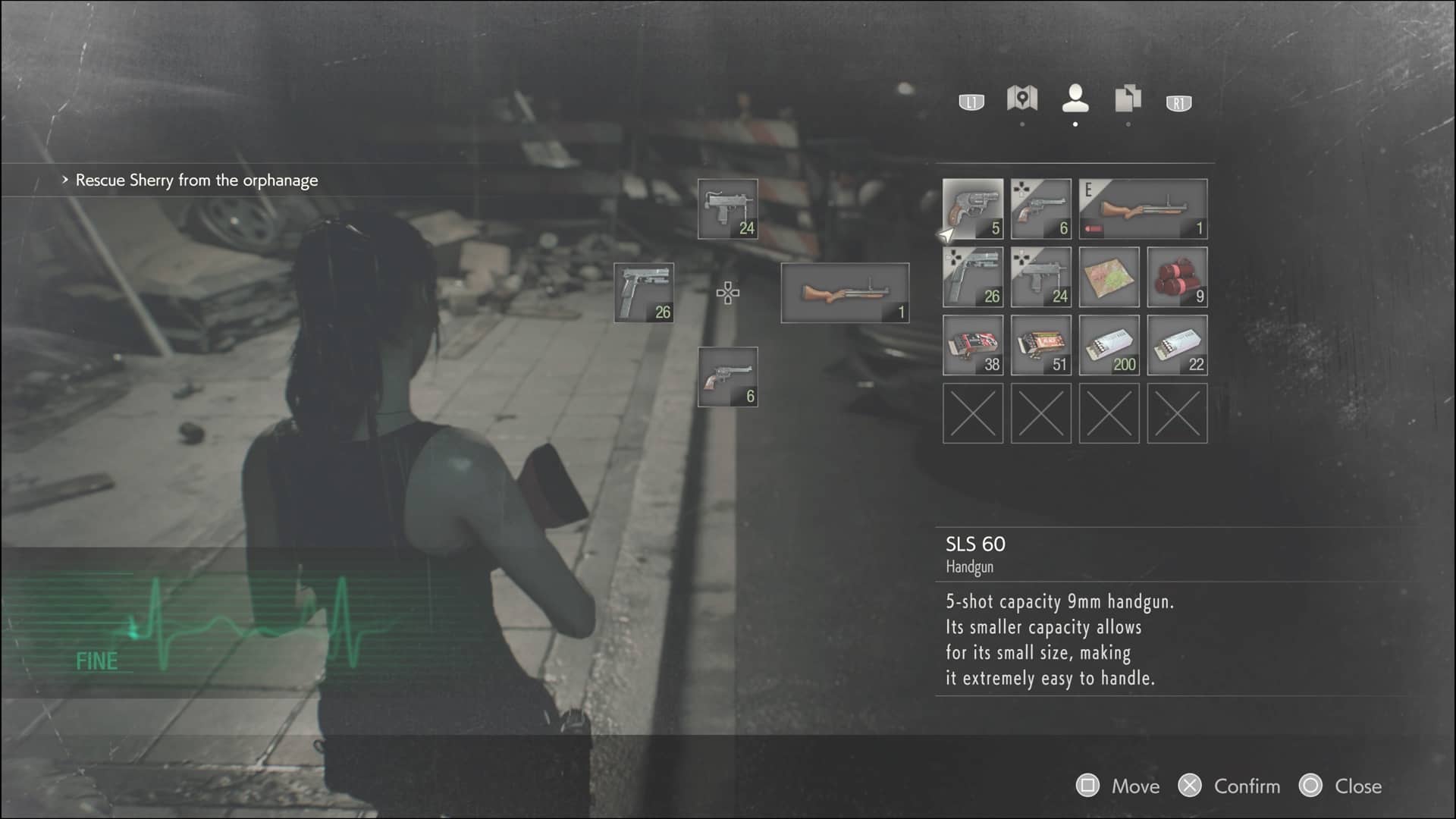
Resident Evil 2 Remake Rescue Cherry from Orphanage
Resident Evil 2 Remake Rescue Cherry from Orphanage Photo
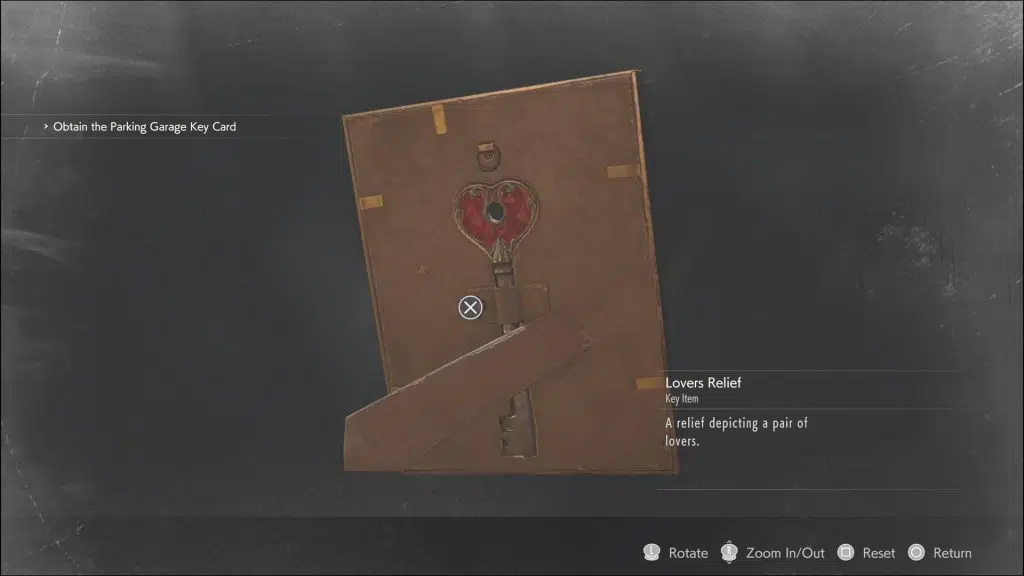
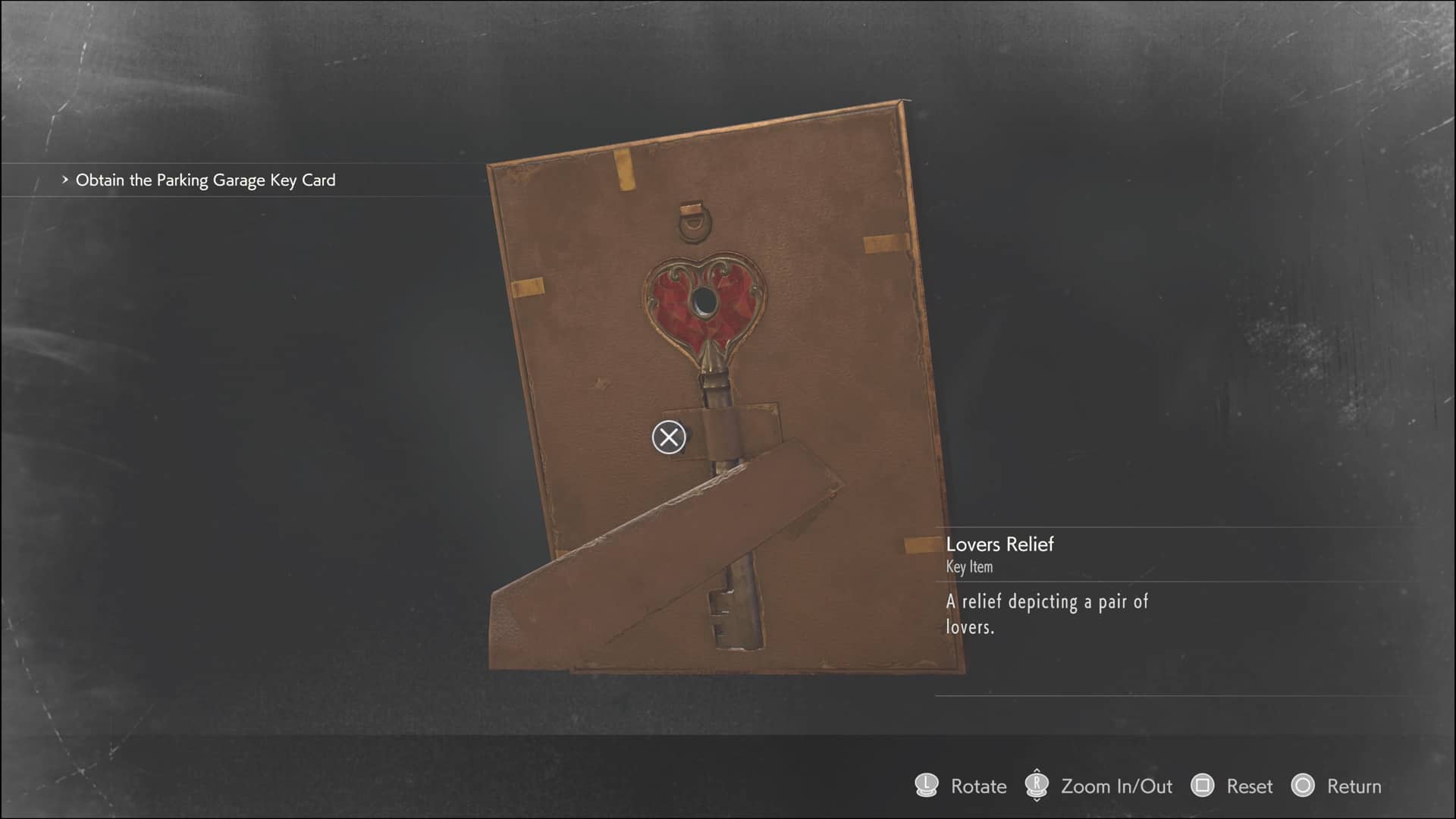
Resident Evil 2 Remake The Parking Garage Key Card
Resident Evil 2 Remake The Parking Garage Key Card Photo
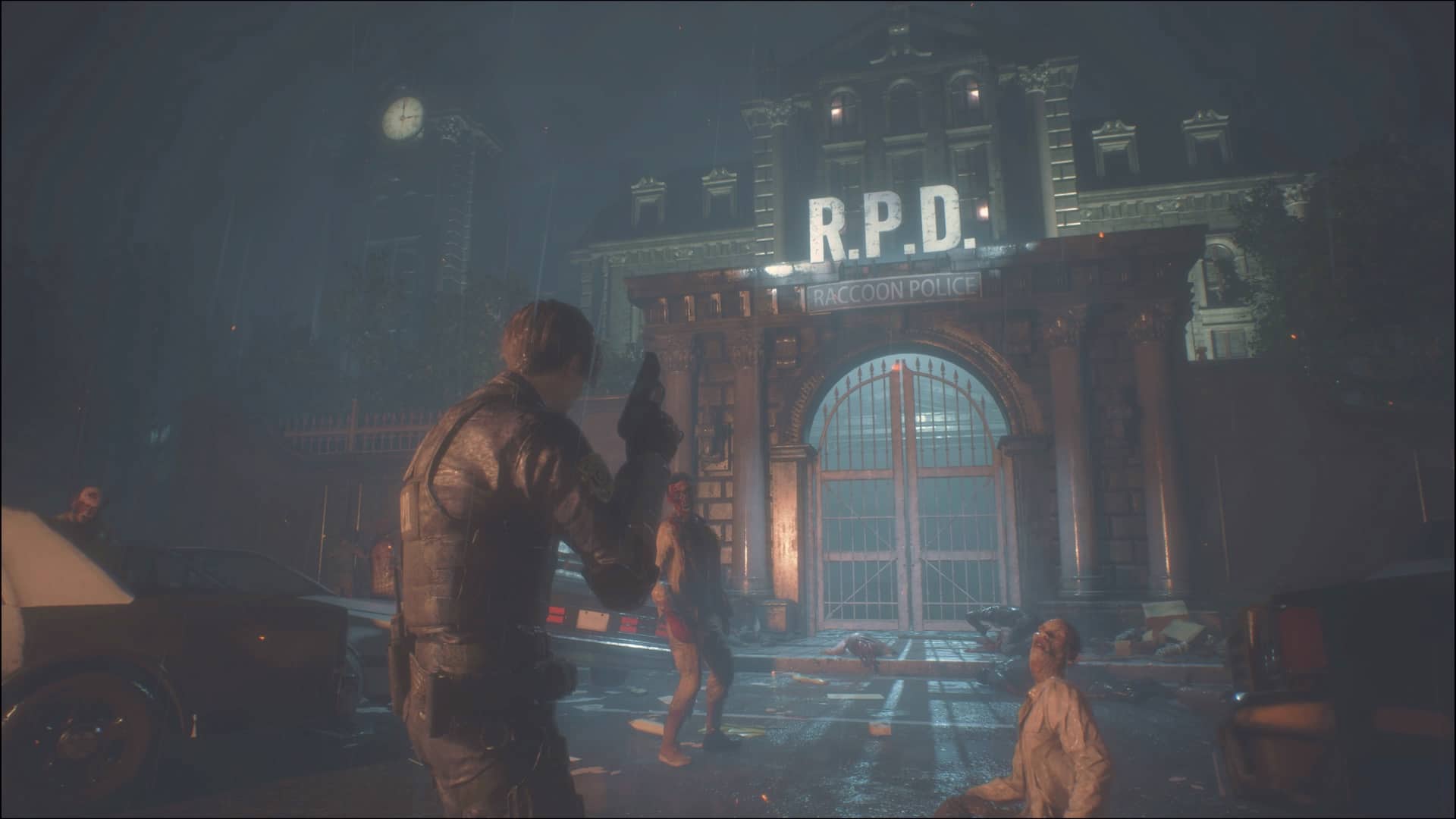
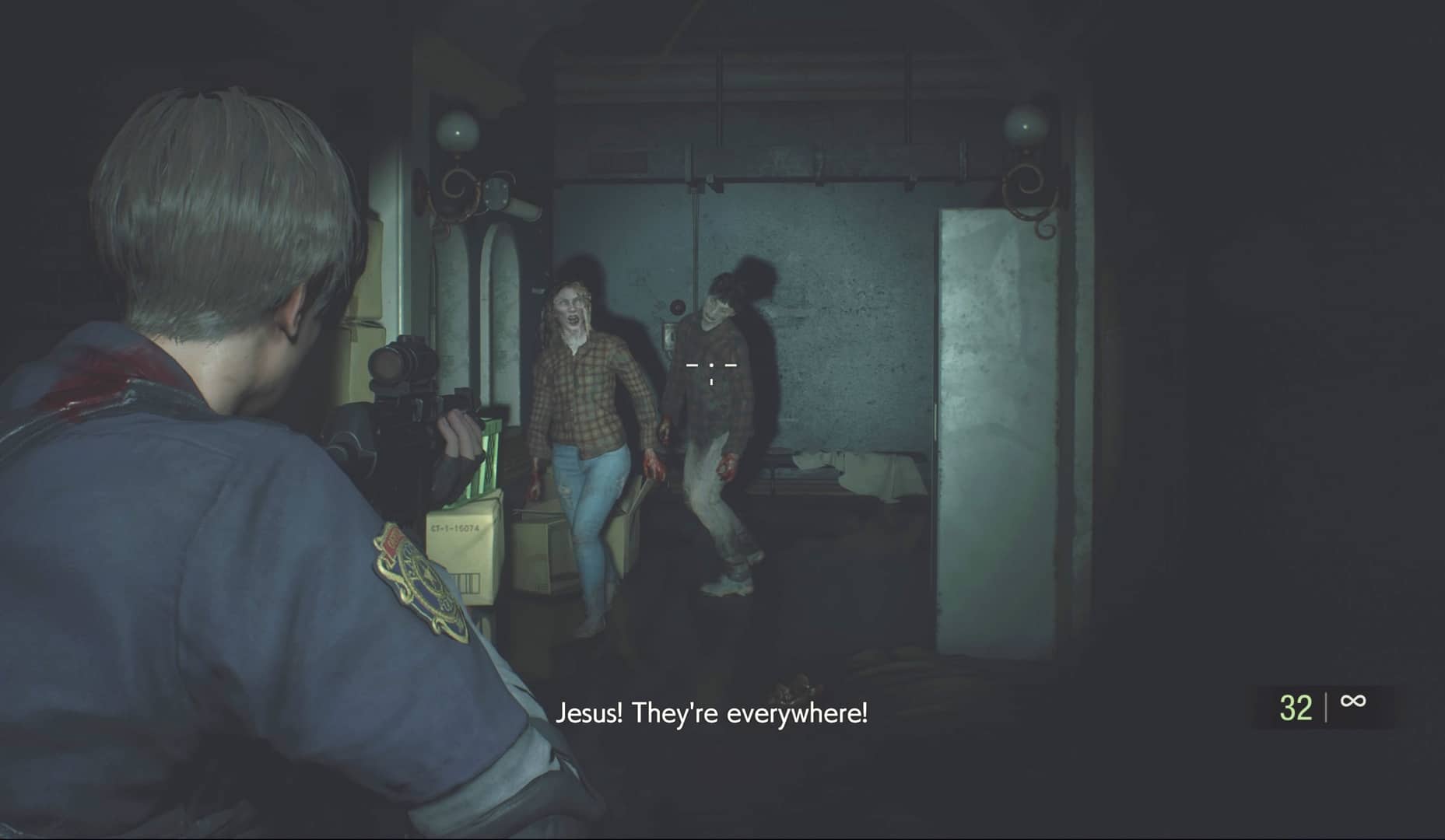
Resident Evil 2 Remake They Are Everywhere, Cleon is Ready
Resident Evil 2 Remake They Are Everywhere and Leon Photo
A Remake That Surpasses the Original
The game’s sound design is exceptional, and I was on edge when I started playing. The sound effects are designed to keep you on your toes, and the ambient noises are creepy enough to make the hair on the back of your neck stand up. The graphics are stunning, and the level of detail in the game world is breathtaking. The lighting is perfect, and the use of shadows creates an eerie atmosphere that is hard to shake.
The gameplay mechanics have been reworked to bring the game up to modern standards, but they still feel familiar to fans of the original. The game’s pacing is excellent, with moments of calm and intense action that keep you engaged. The puzzles are challenging but not frustrating, and the boss battles are epic and satisfying.
The game’s horror elements are what truly set it apart. The remake is faithful to the original but takes the terror to a new level. The game will scare you with unprecedented cruelty, making you jump out of your chair more than once. The zombies are terrifying, and the way they move and sound is genuinely unnerving. The game’s jump scares are expertly crafted, and the tension builds to a crescendo that will leave you breathless.
Conclusion: A Must-Play Horror Masterpiece
In summary, Resident Evil 2 is an exceptional remake that surpasses the original in every way. It’s a faithful tribute to the original, adding new elements that enhance the experience. The game’s sound design, graphics, gameplay mechanics, and horror elements are top-notch. If you’re a fan of horror games, this is a must-play.