Life is Strange: Double Exposure – Cheap Copy of the Brilliant First Game
Estimated reading time: 13 minutes
LiS Legacy’s Shadow
Sequels can be tricky. While we always wish for them at the end of great first episodes, we may not realize how dangerous they can be. Second installments can bring us back to stories we love, but they can also simply and deeply disappoint us. And unfortunately, that’s precisely the case with Life is Strange: Double Exposure. The sequel to Maxine Caulfield’s story tries its best to live up to its predecessor by giving it a little of what we know all too well and also a little of something of its own. Despite their best efforts, however, the creators at Deck Nine have failed to create a new Life is Strange, which is only a cheap copy. But now, on to the full review. Let’s talk about it nicely from start to finish.
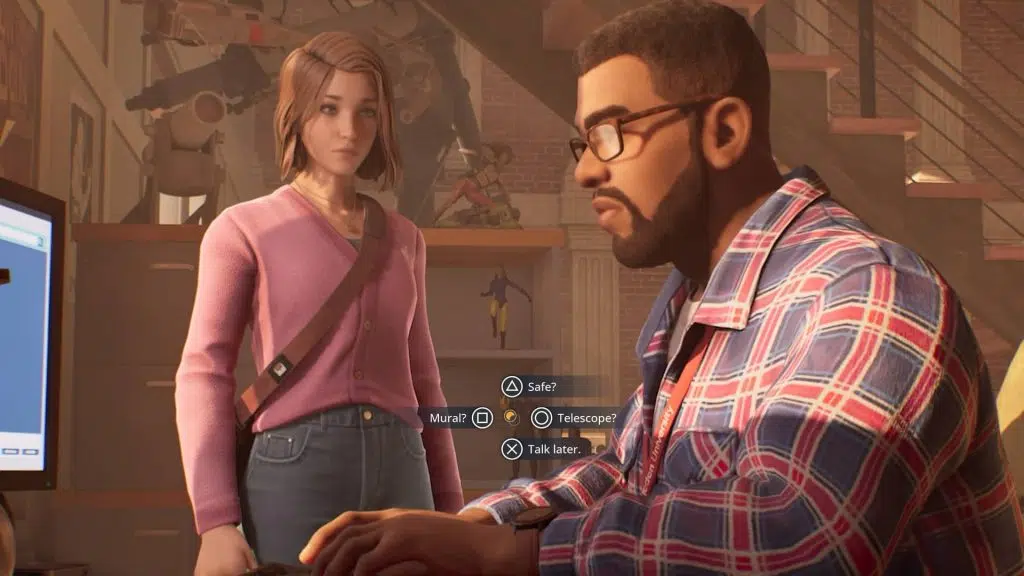
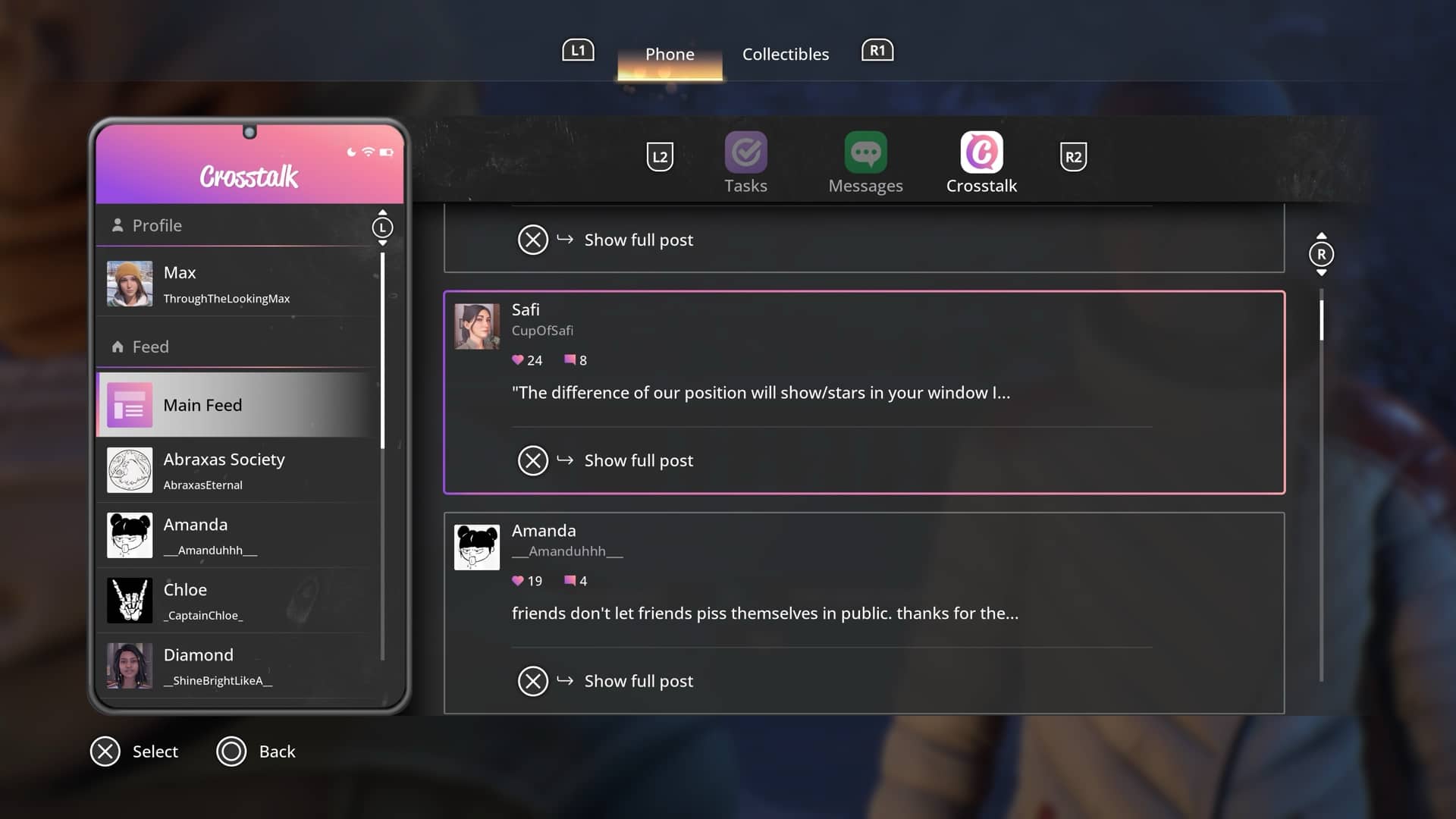
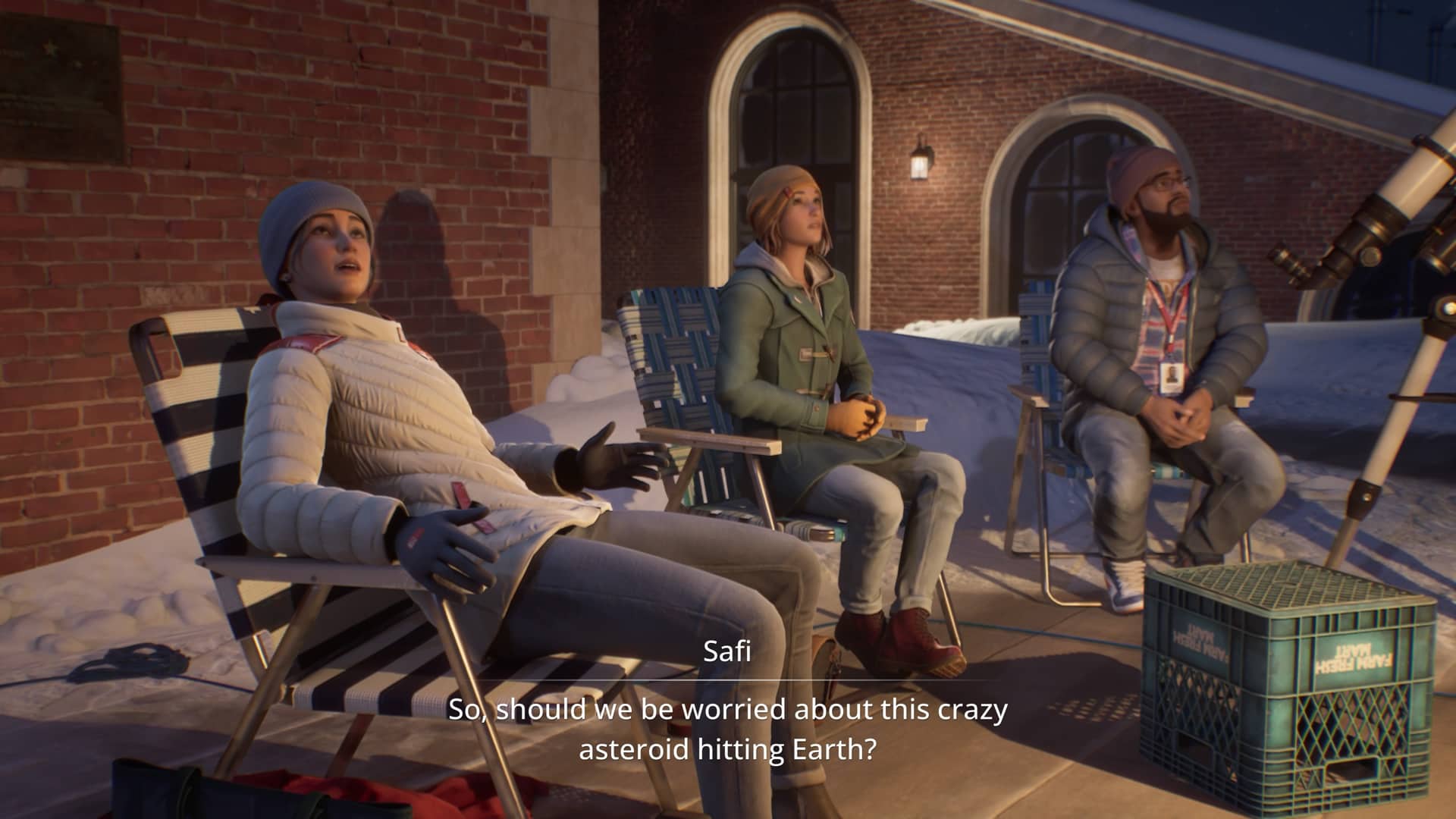
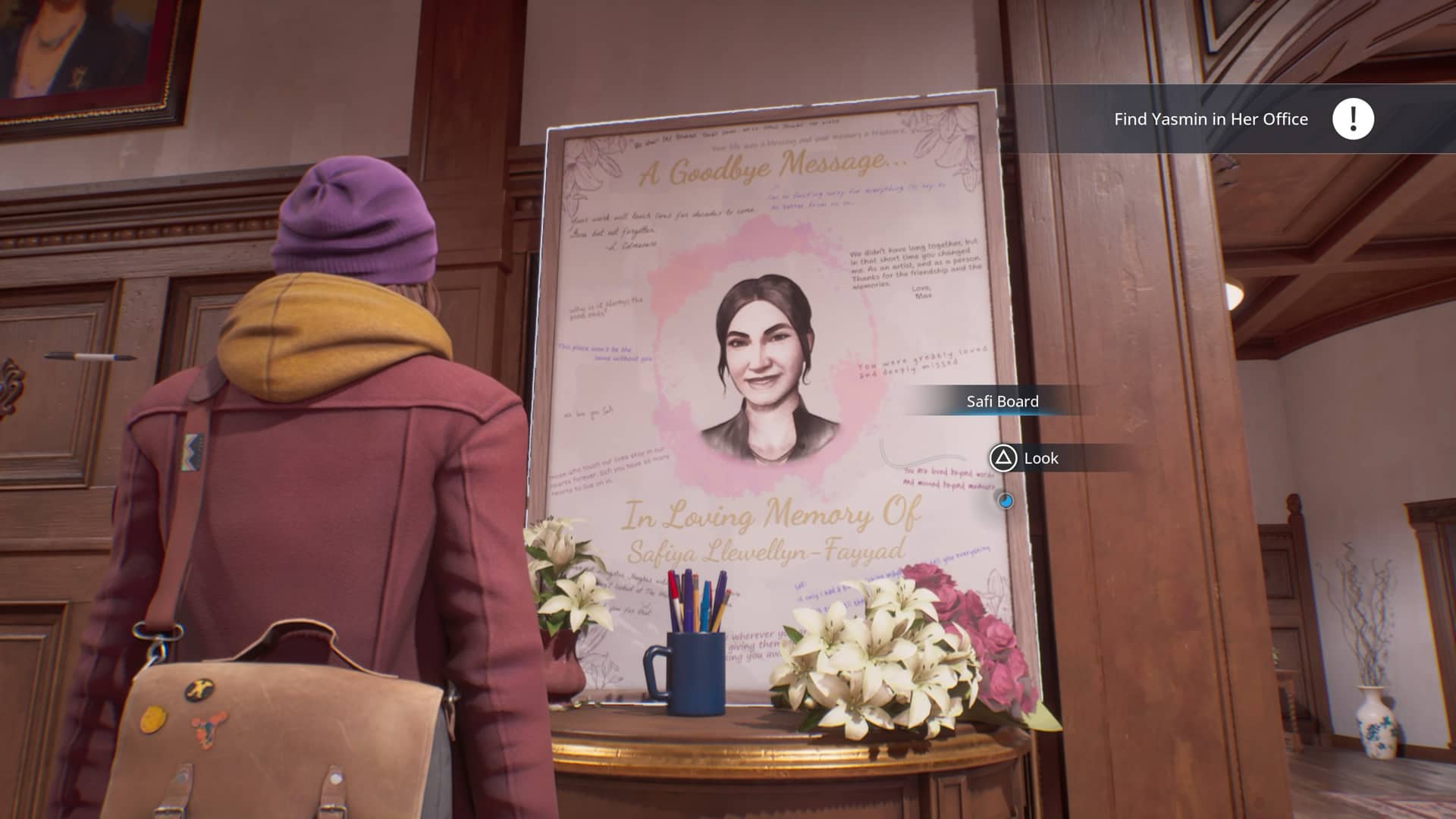
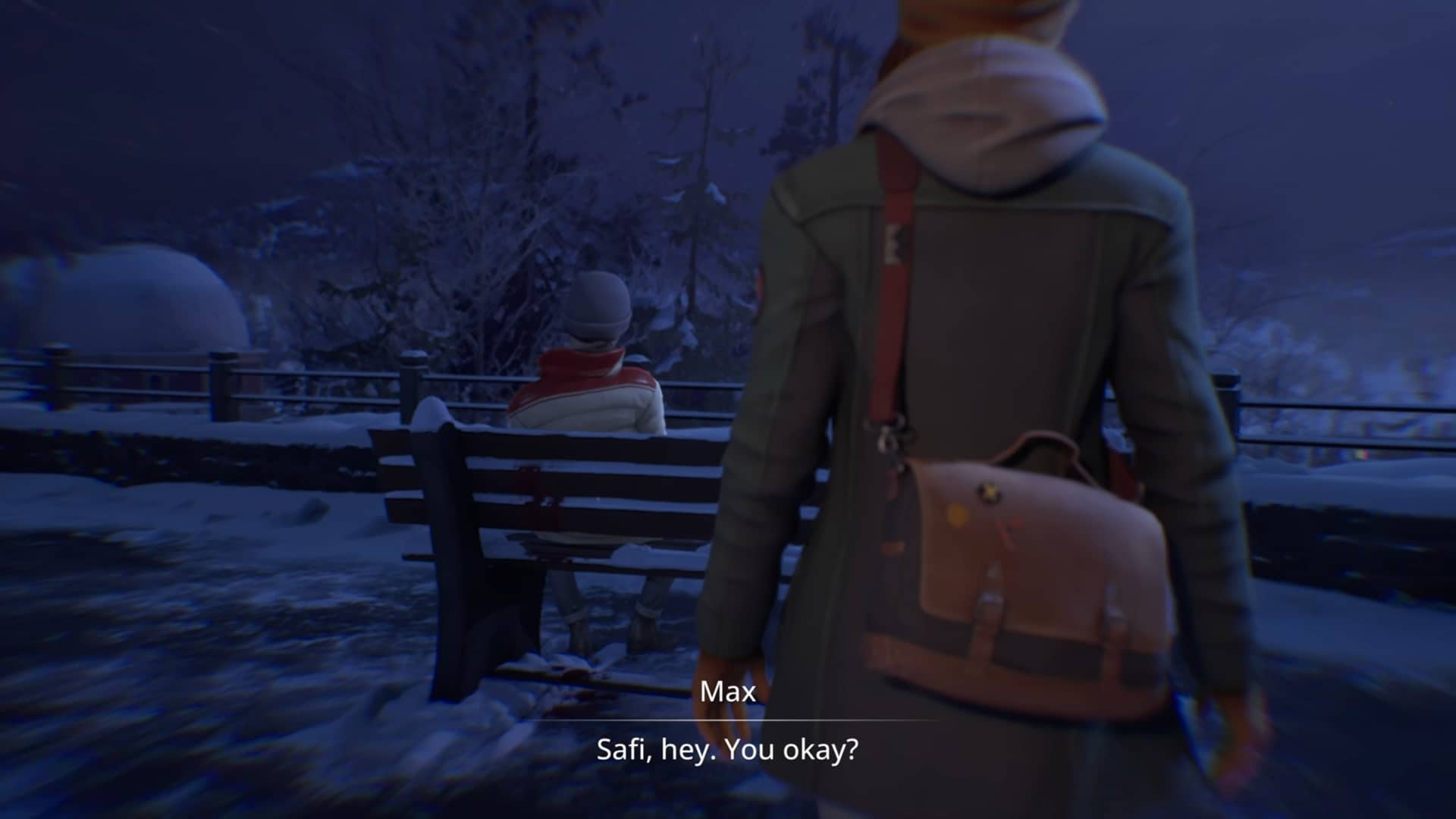
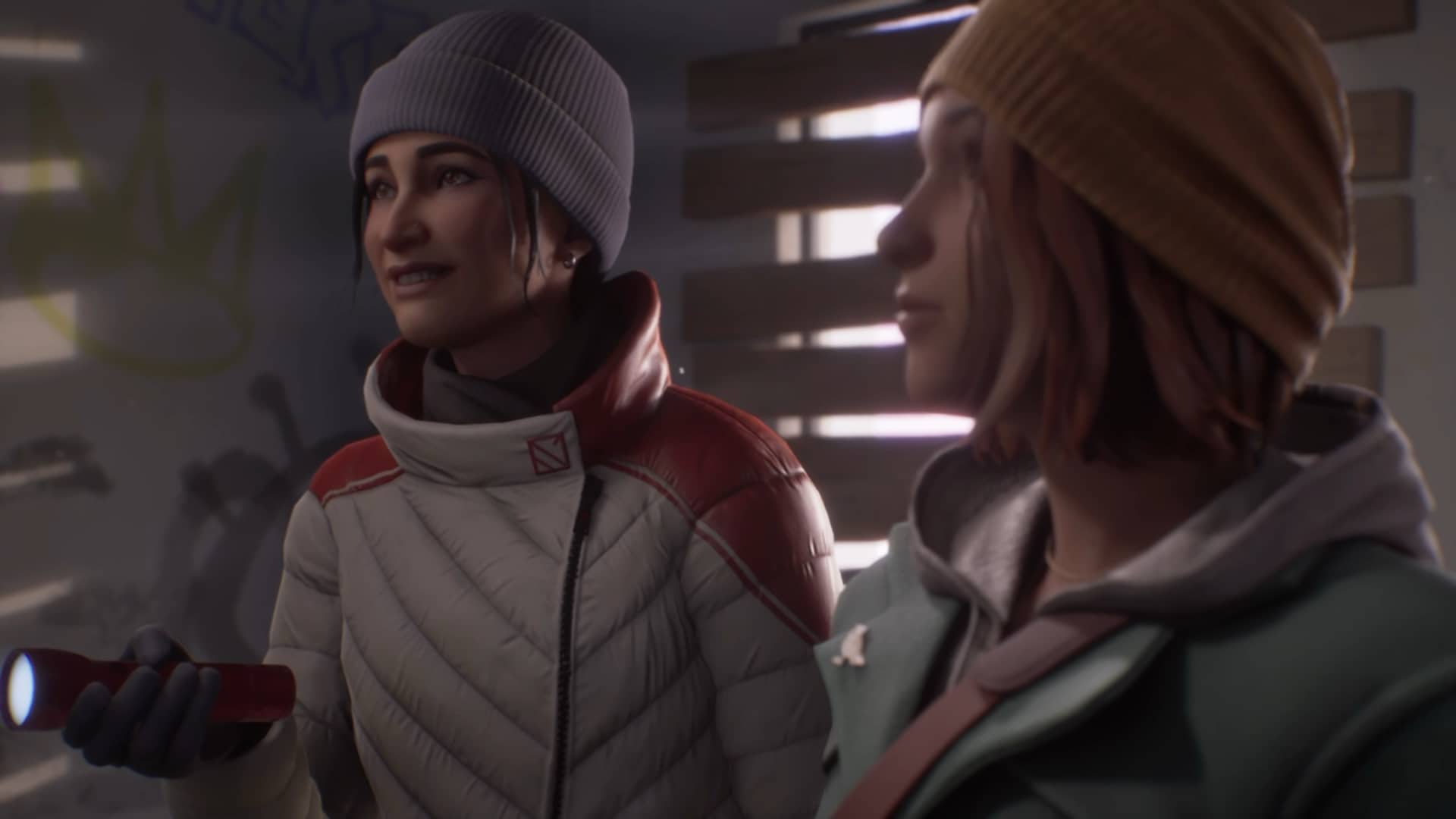
Life is Strange: Double Exposure is a story-driven adventure game and a sequel to the first installment of the series from 2015 developed by the studio DON’T NOD. This is the second time the developers at Deck Nine have delved into the world of heroine Maxine Caulfield after the fan-favorite prequel Before the Storm, this time moving her story forward a few years. Max once again finds herself on campus, this time as a lecturer at Caledonian University with her friend Safi, who is, of course, murdered one evening. Determined to solve the murder, the protagonist soon discovers that the mystery envelops not only the death of her close friend but also herself. Instead of rewinding time, Max can switch between two realities, and while Safi has indeed died in one, she is still alive in the other.
A Promise Unfulfilled
Double Exposure opts for a really enticing plot albeit one already familiar to her from the original game, one that fits the imaginary rules of the series, and one that manages to intrigue at first. The first chapter takes you through the quiet life of Max, while the second and third take the story in unexpected directions. But the closer the narrative gets to the denouement in chapters four and five, the more you start to notice quick patches that make absolutely no sense.
In particular, you’ll realize that while the story wants to closely follow the spirit of the original, it’s actually so cowardly that it doesn’t attempt to build up to any kind of bold twist. So everything is mushy and bland, and you don’t know what to take away from the conclusion. Except perhaps disappointment and wondering what kind of cinema you sat down in, because you certainly didn’t buy a ticket for this Life is Strange.
The Ghost of Max Caulfield
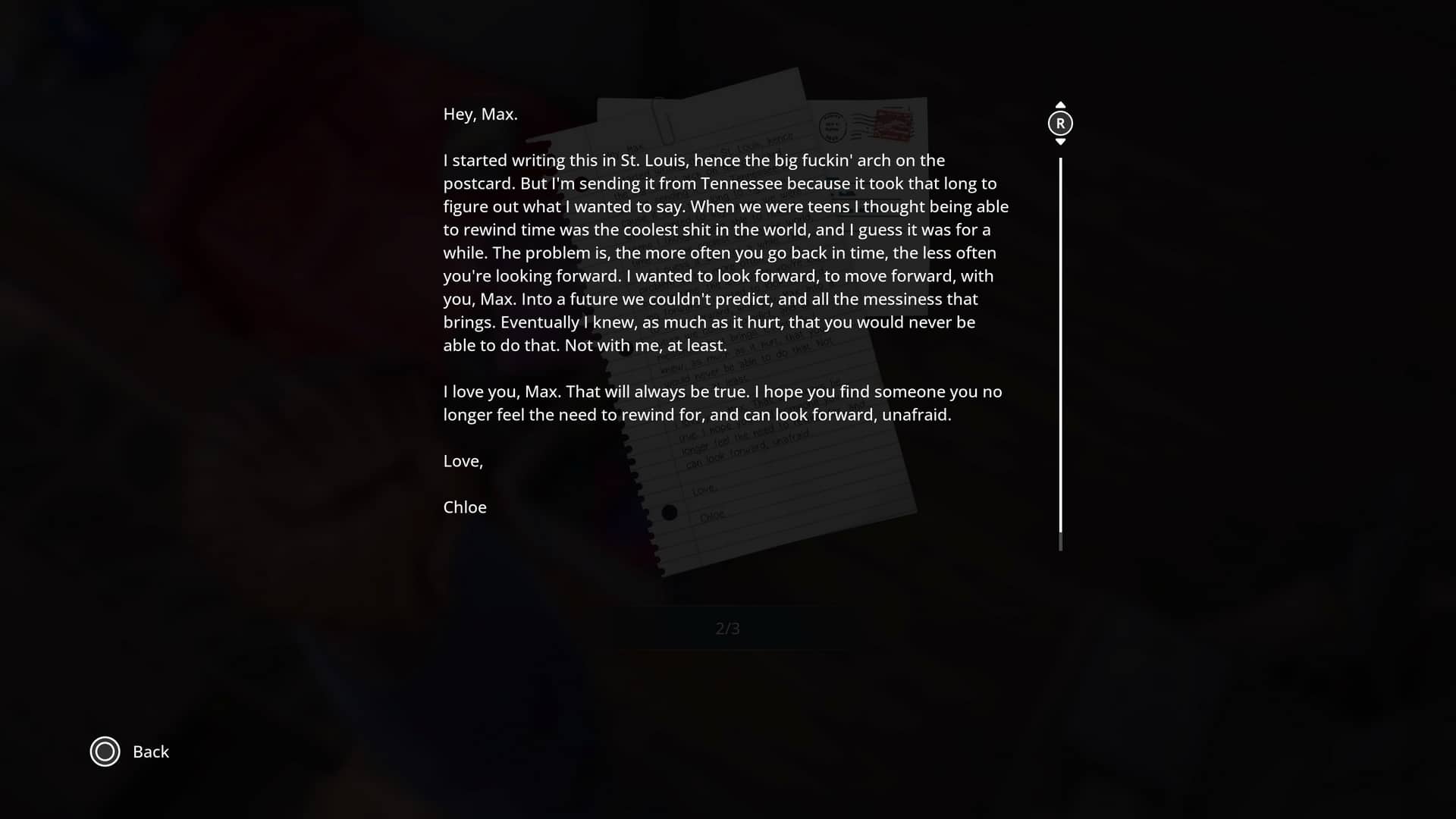
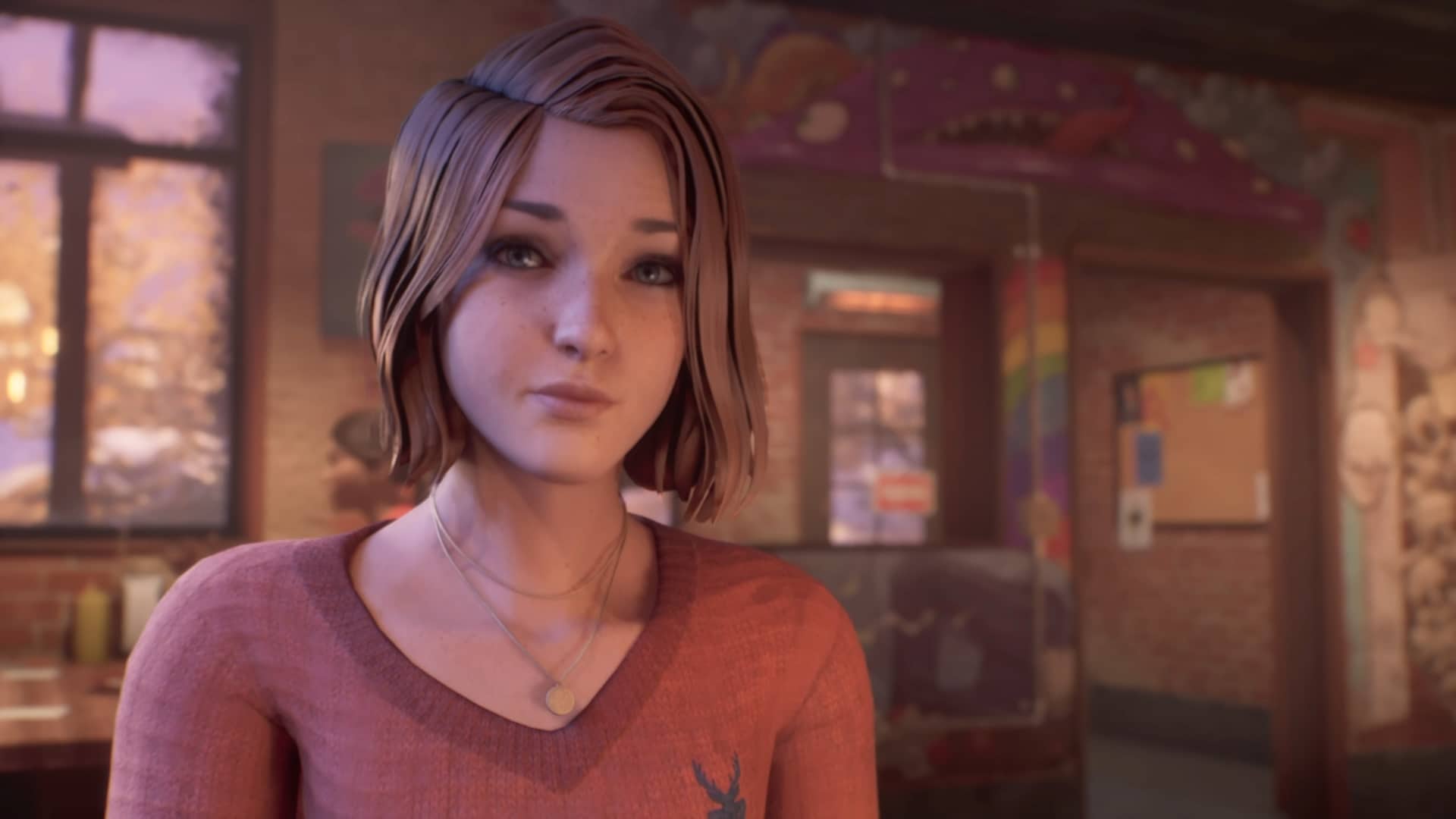
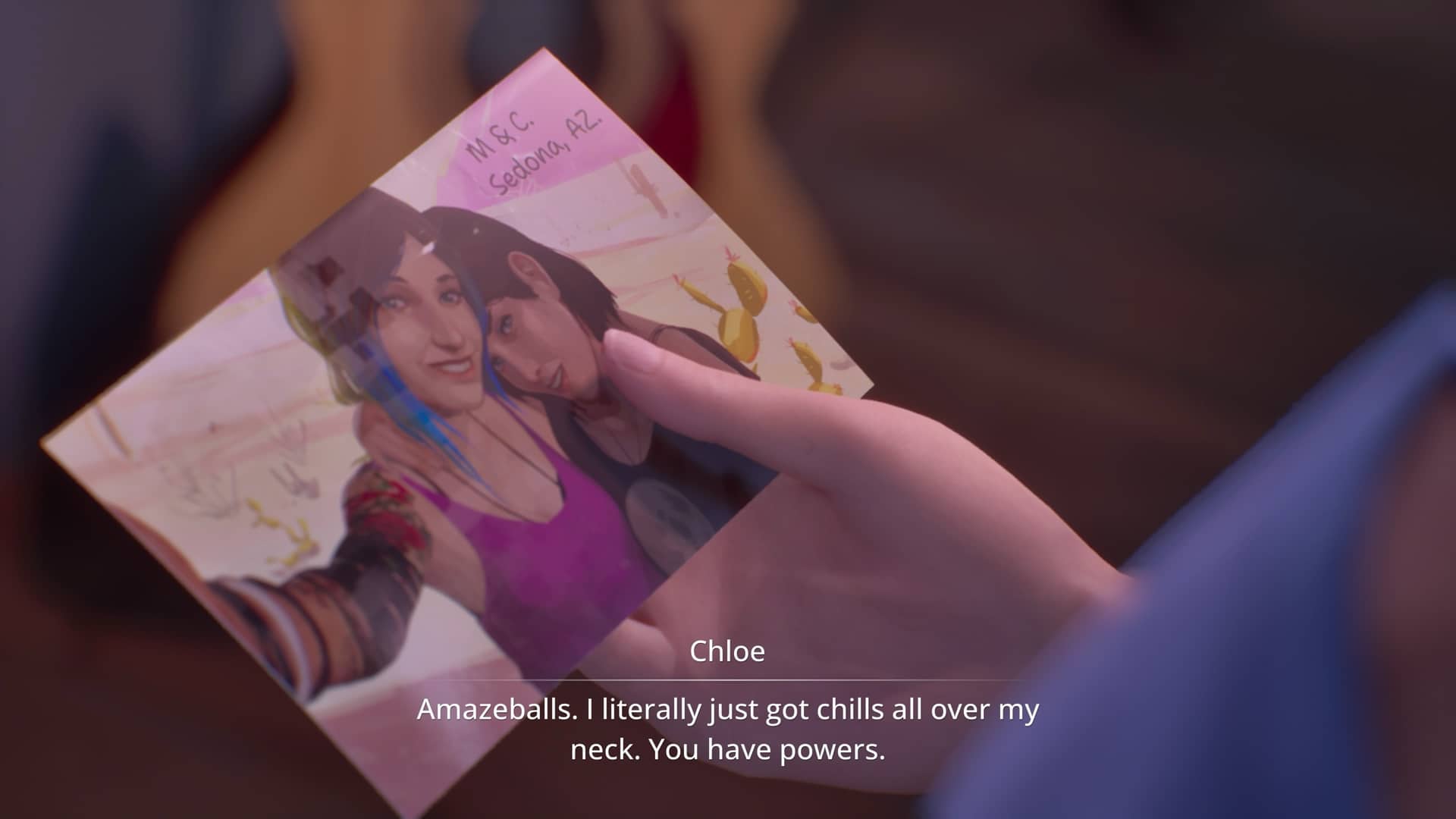
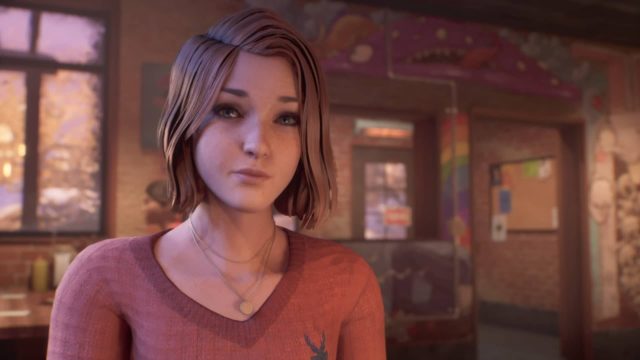
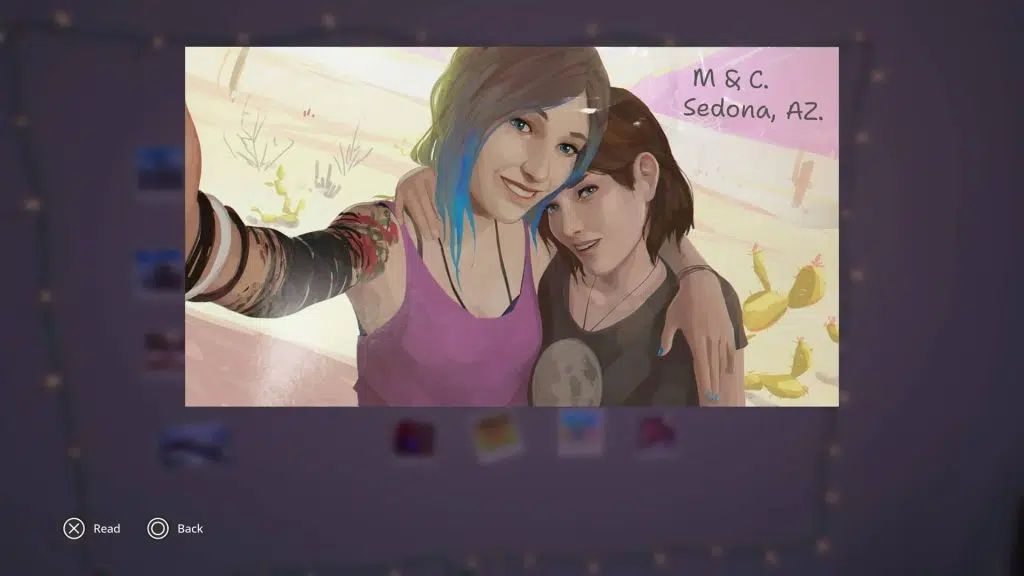
So by the end, not only will you question the story itself, which seems to have forgotten to explain some significant events, but more importantly, you will begin to question Maxie’s role in it. Not to mention the inclusion of the beloved Chloe by a large part of the community, but I would have already dealt with that in spoilers. Anyway, if this is supposed to be a story at least partially about Max, then it’s evident that the creators at Deck Nine have not understood her character at all, but not at all. Max may look, sound, and act like Max.
She’s brimming with absolutely unique supernatural abilities, but it’s like she can’t seem to put it all to use. It’s like she’s just a familiar facade without anything more profound. It’s as if she’s just a mediator between the original and Double Exposure for all the events, but not the actor in it.
Supporting Cast Takes Center Stage
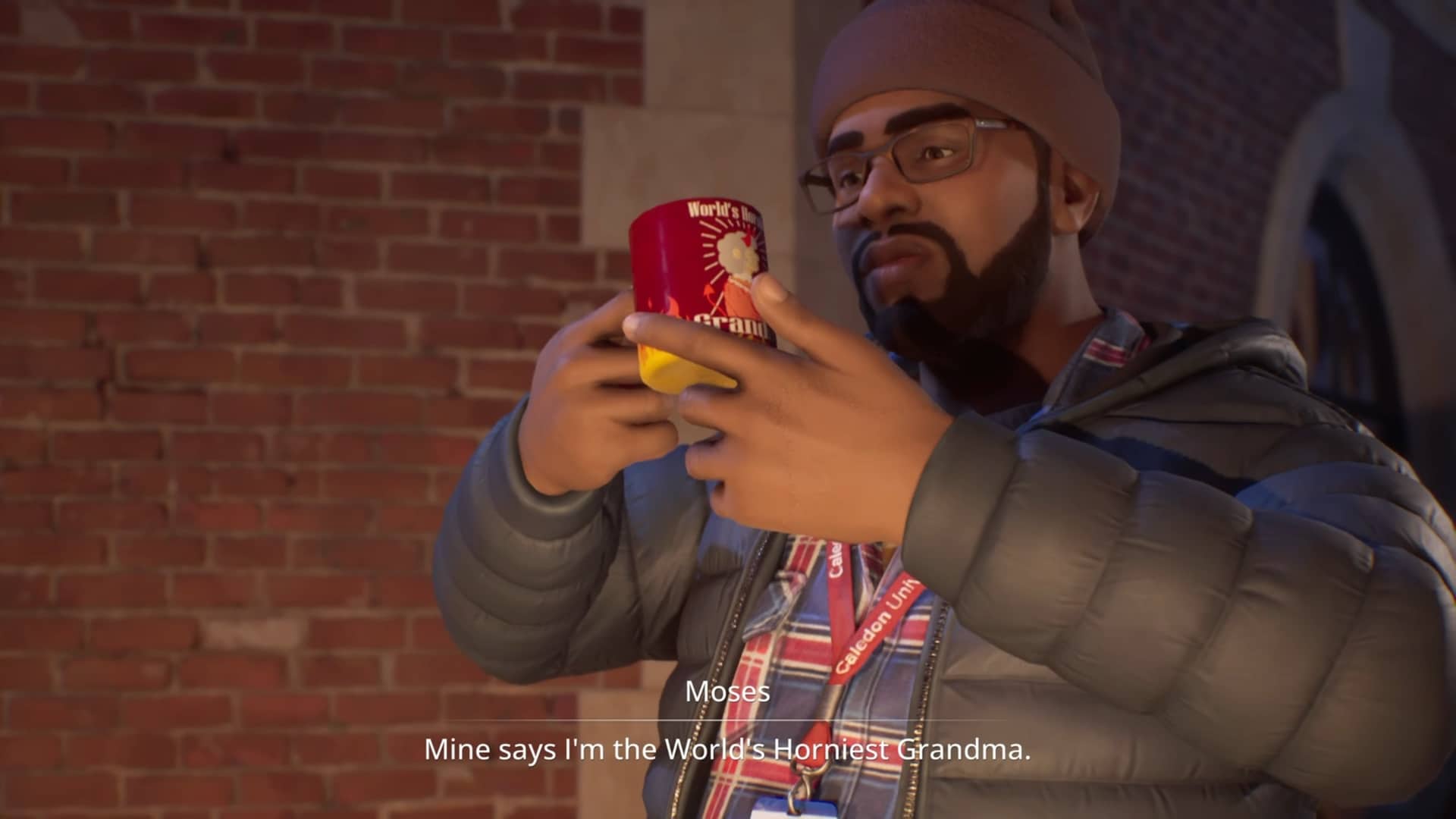
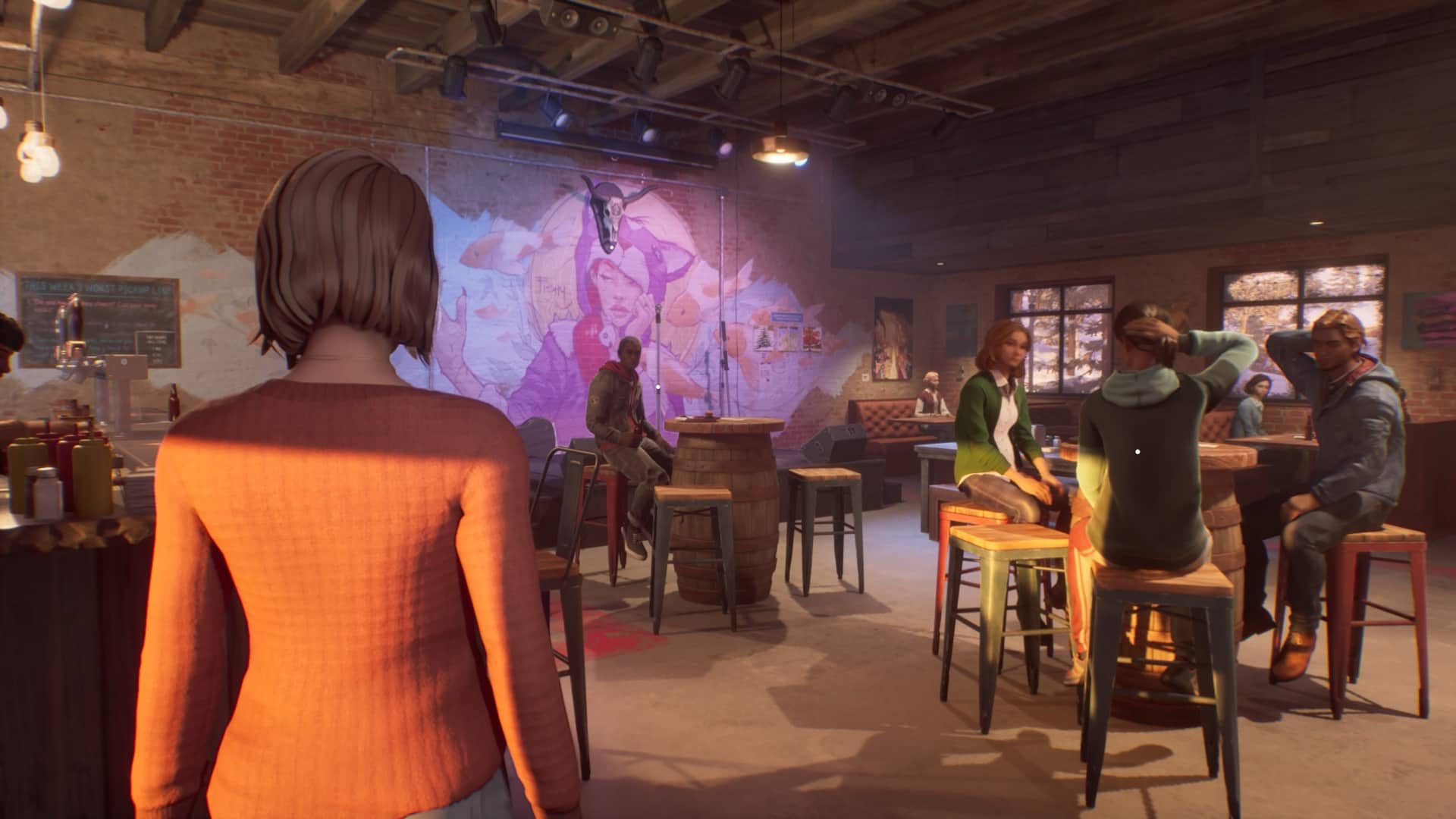
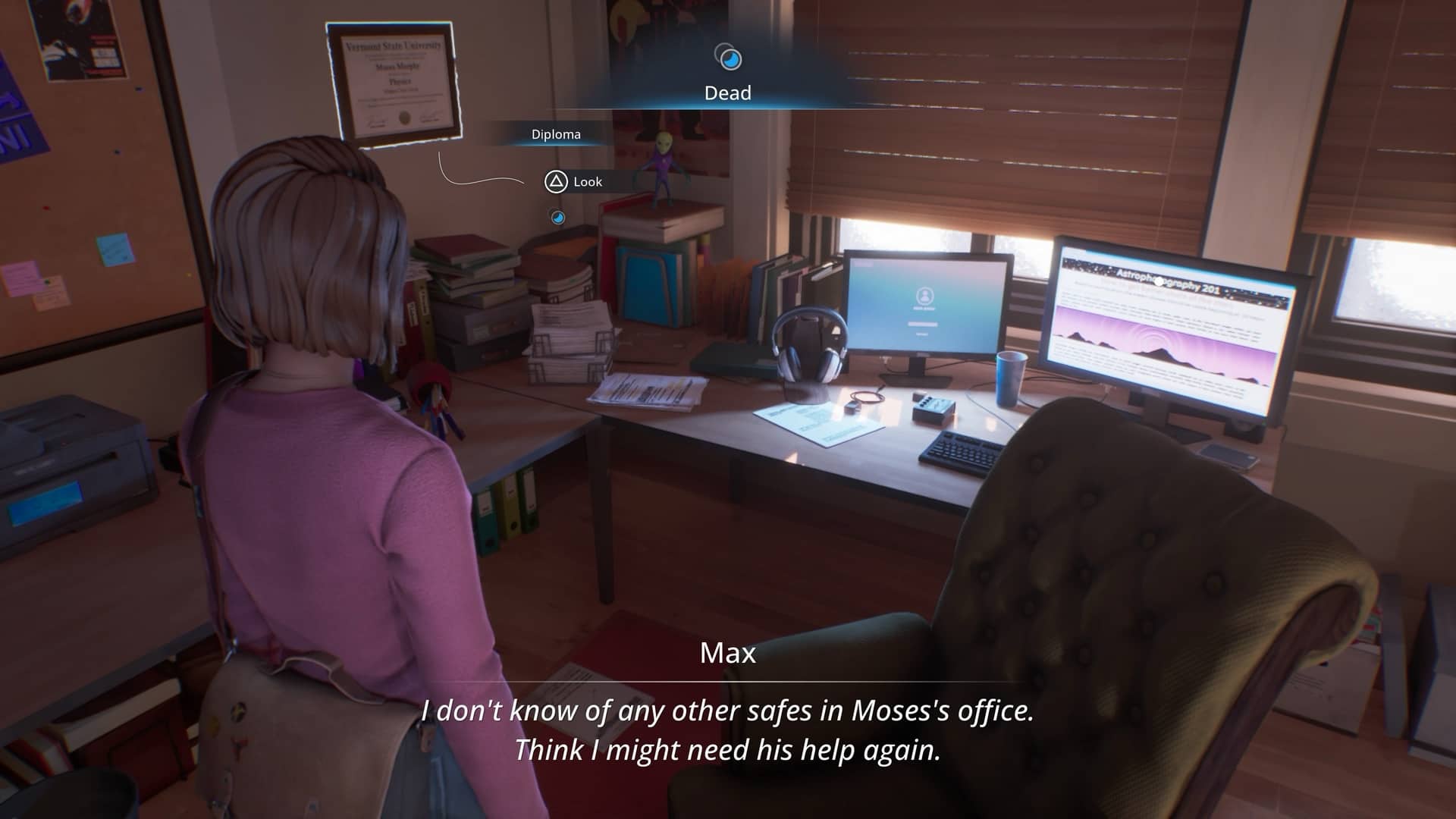
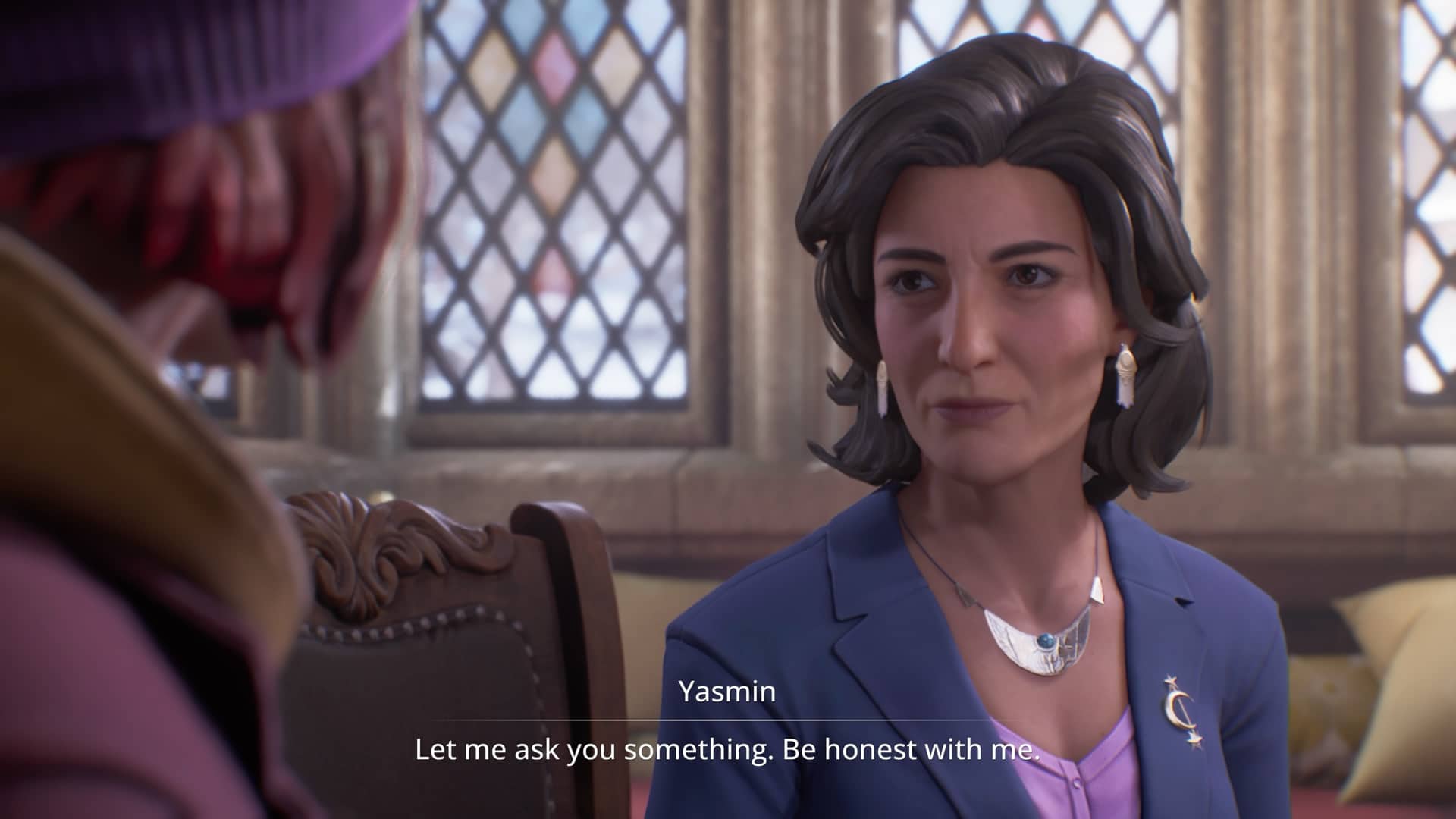
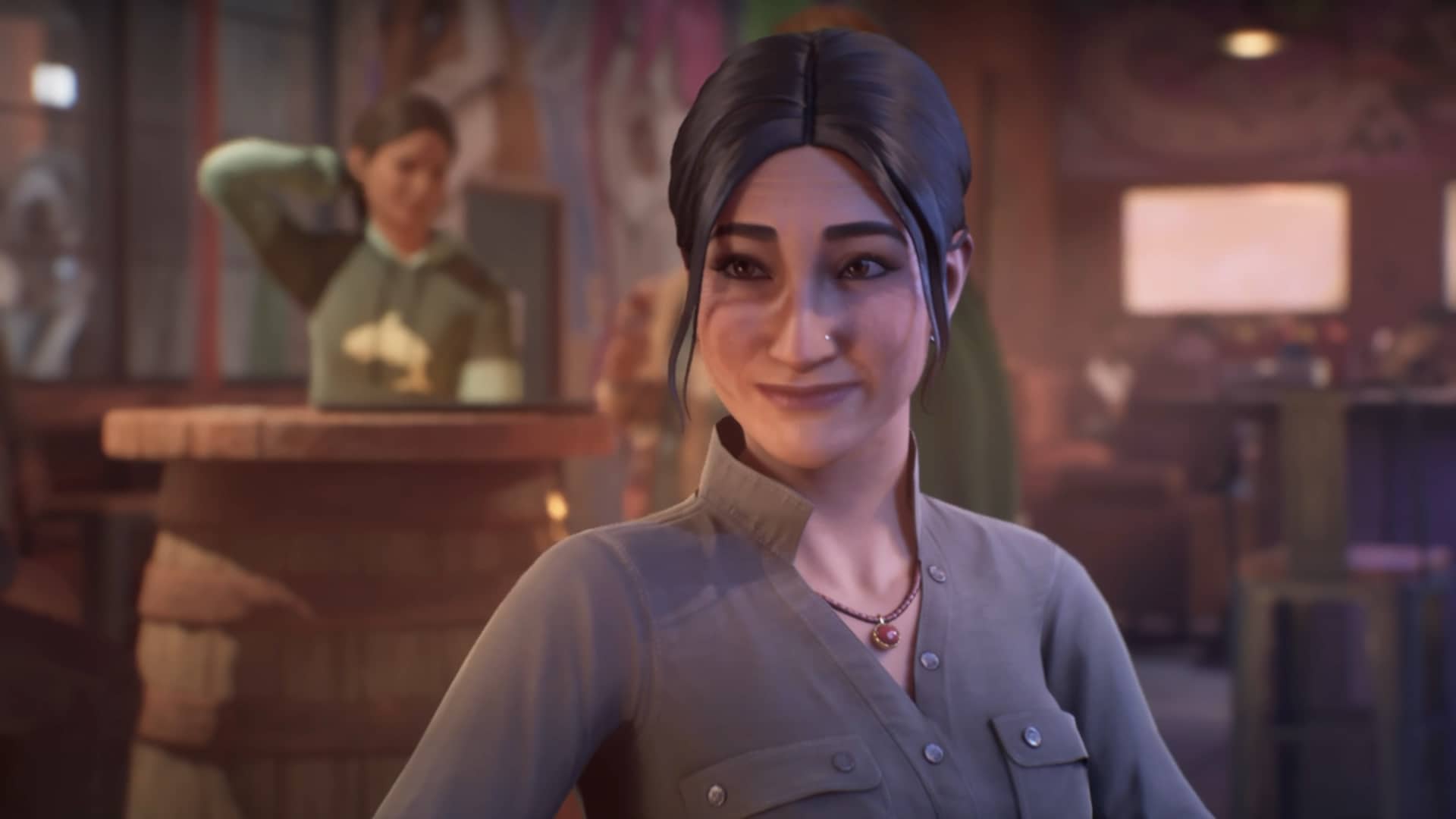
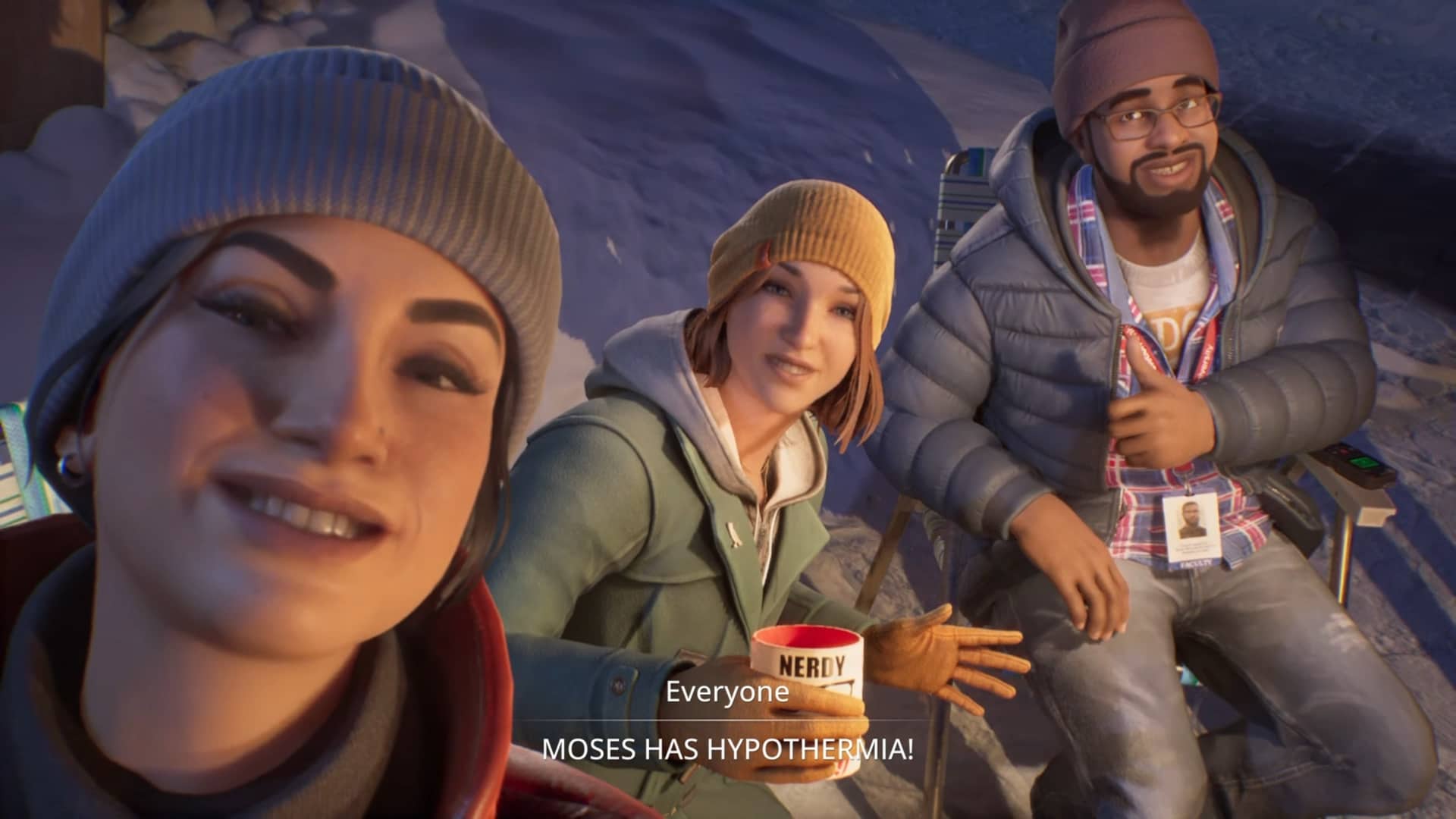
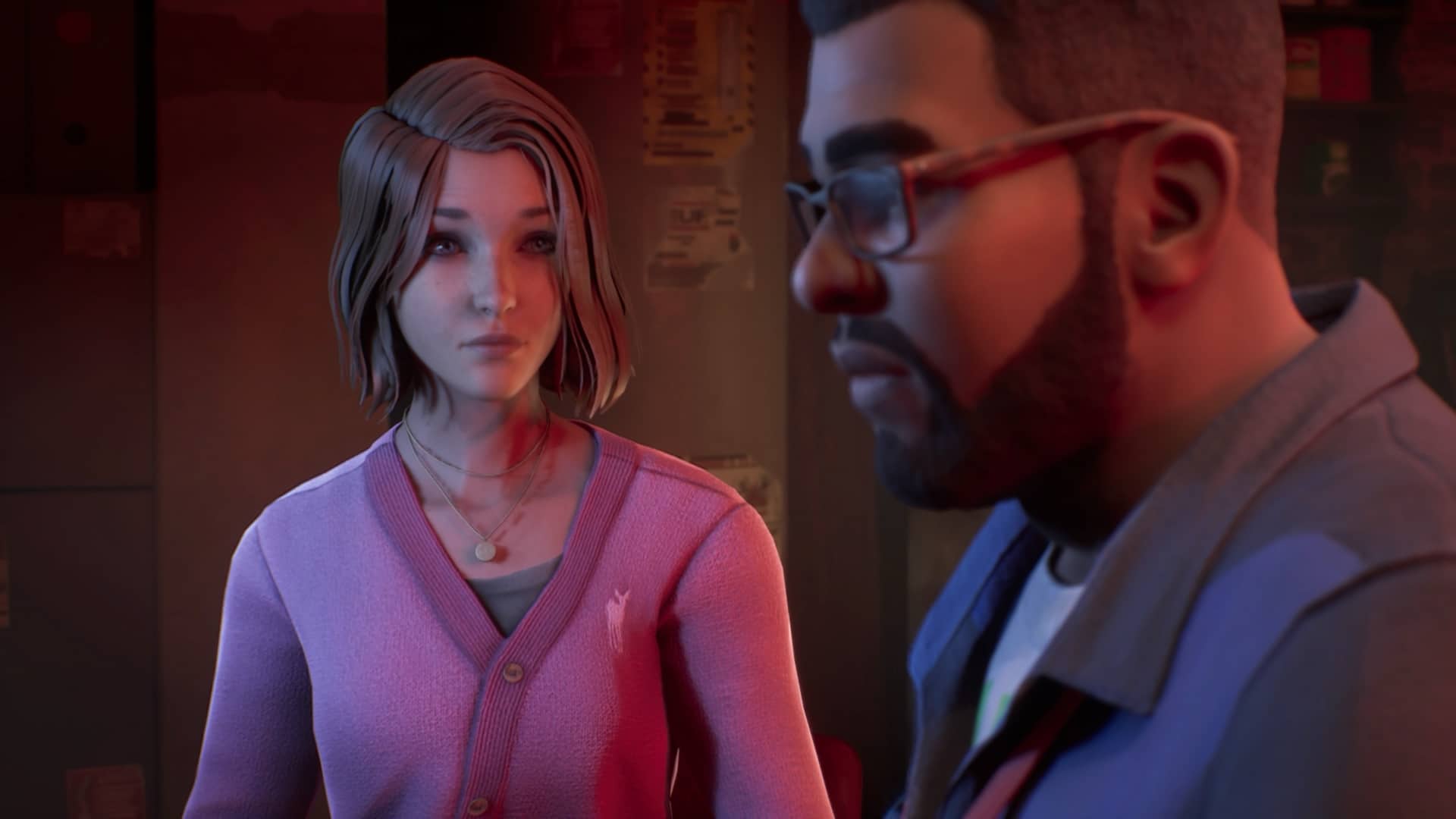
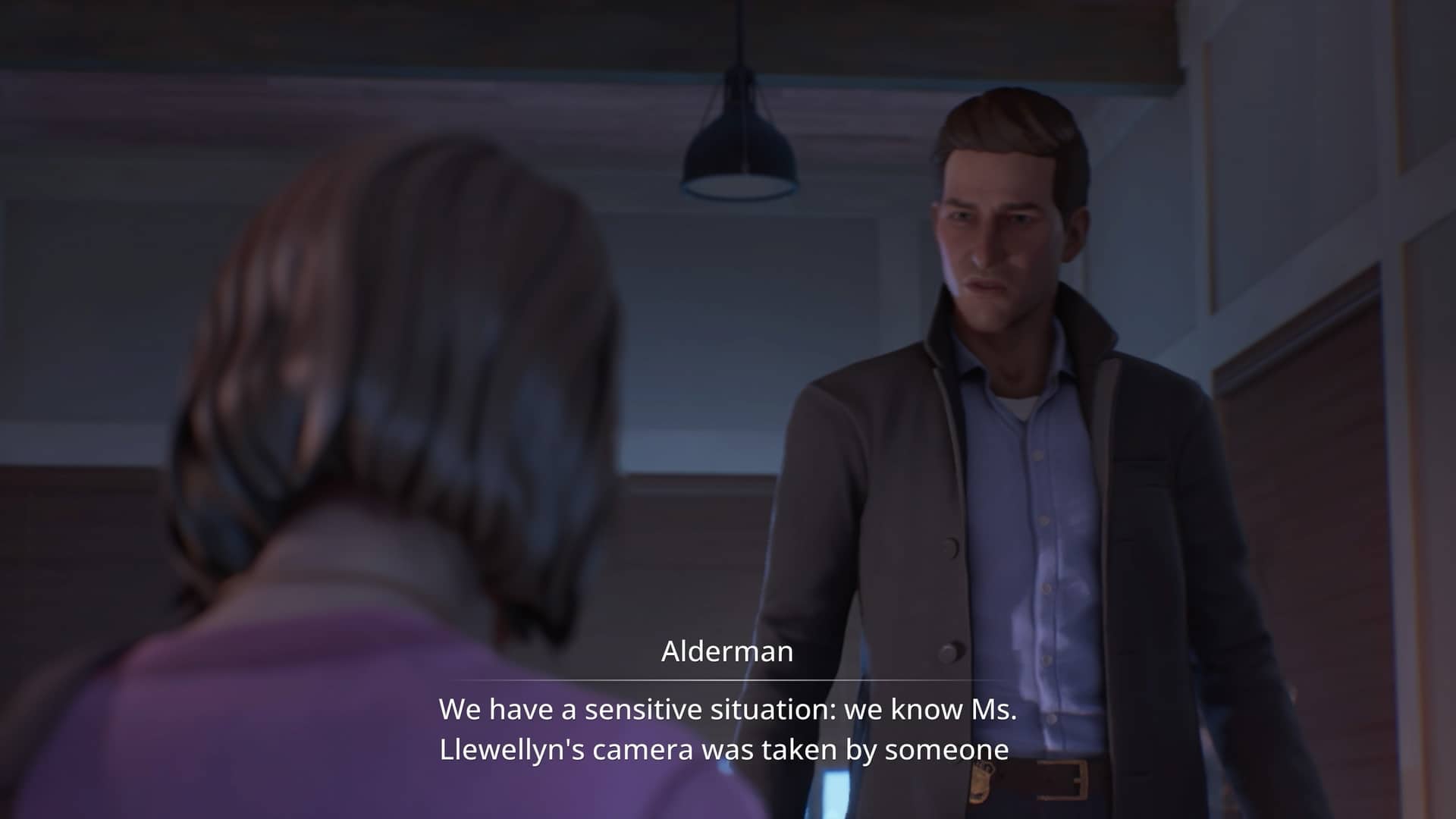
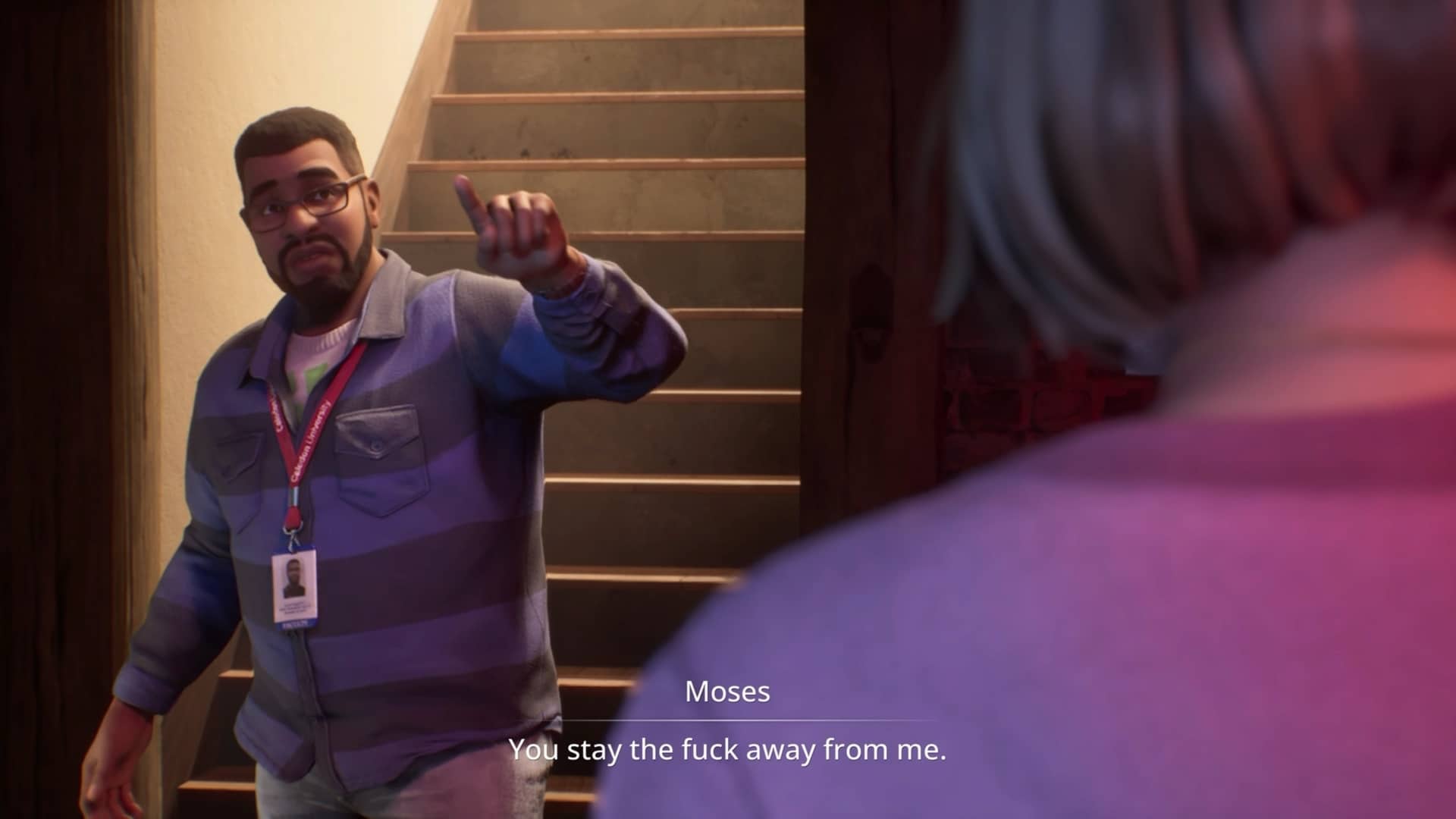
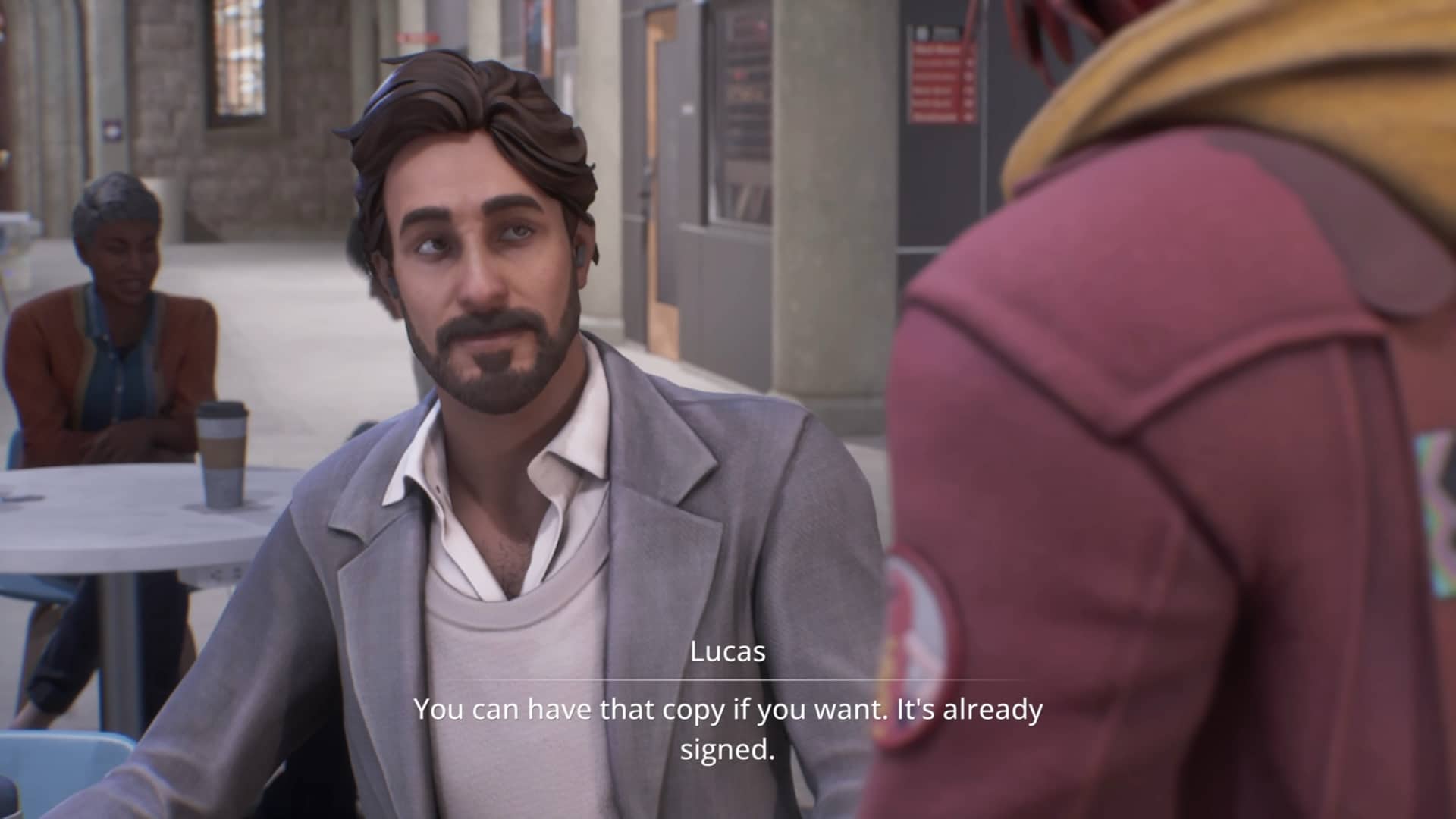
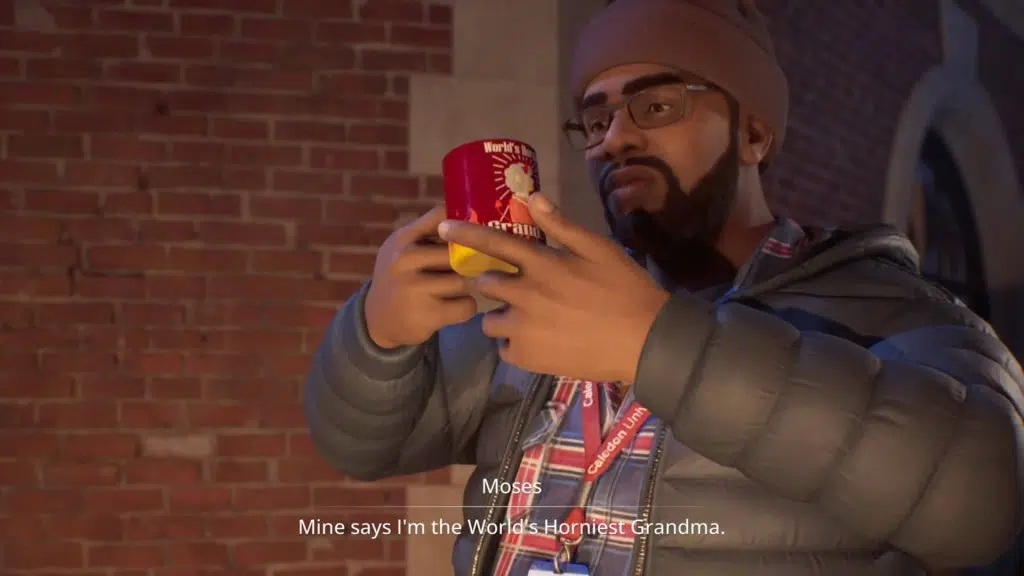
So, I dare say that the title succeeds much better in portraying some of the supporting characters than the main character herself. Case in point, Maxine’s friend Moses, who is not only funny but also empathetic and whose side “storyline” I even found myself sympathizing with. The same goes for the single-minded Vinh or the easy-going barmaid Amanda. It definitely felt like the side characters had more depth of character than Max, and something tells me that might be because they are Deck Nine’s own characters, but I still would have expected much better work from the pros. Especially when they have the original game as a template for detailed “staging” of that character.
Not to mention the pair of remasters of the original game and the Before the Storm prequel that Deck Nine just worked on and released in early 2022. It’s even more of a shame that this deep well of information in the form of said titles for the purpose of “staging” the characters in question was apparently not very well done.
Choices Without Consequence
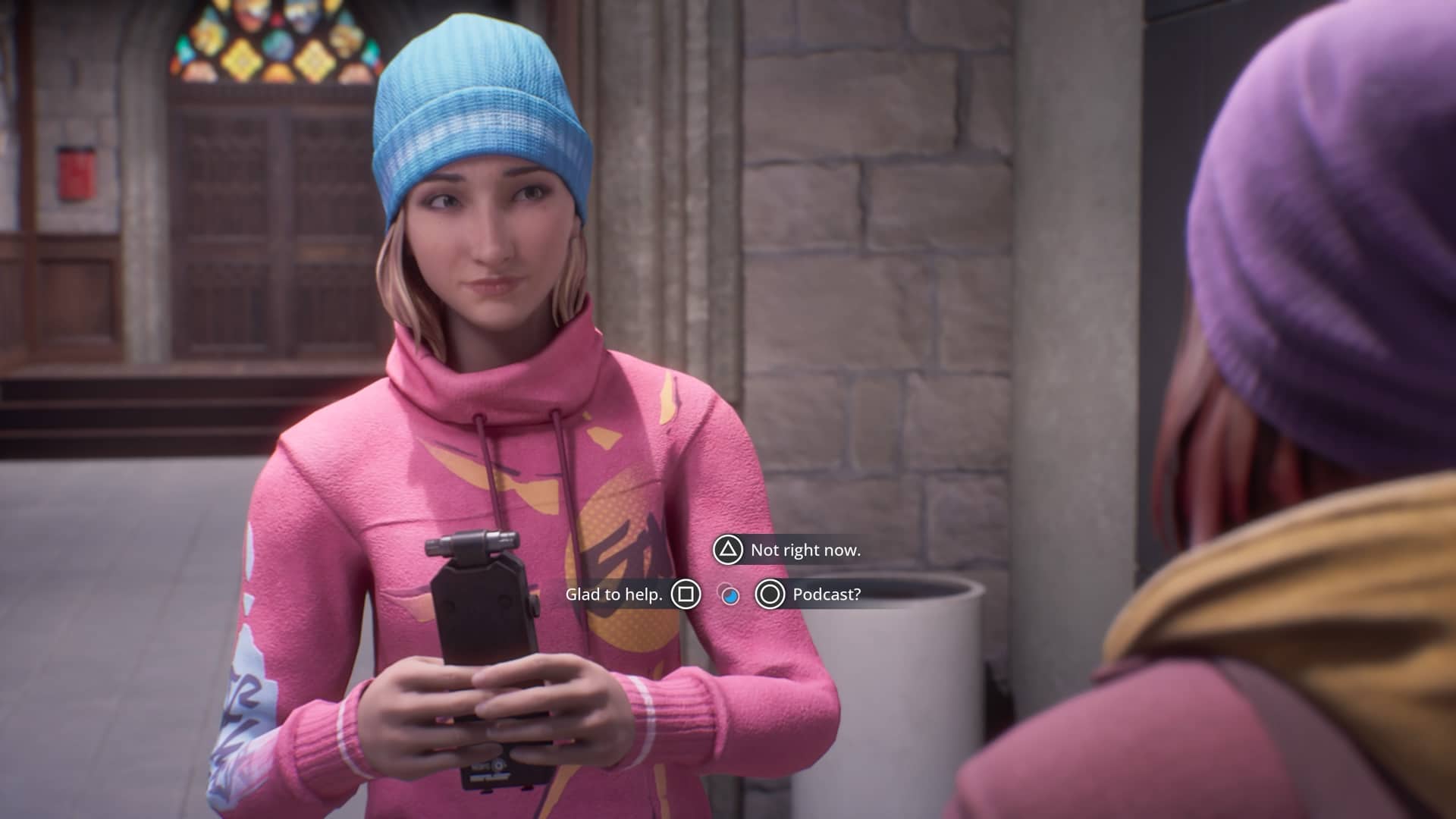
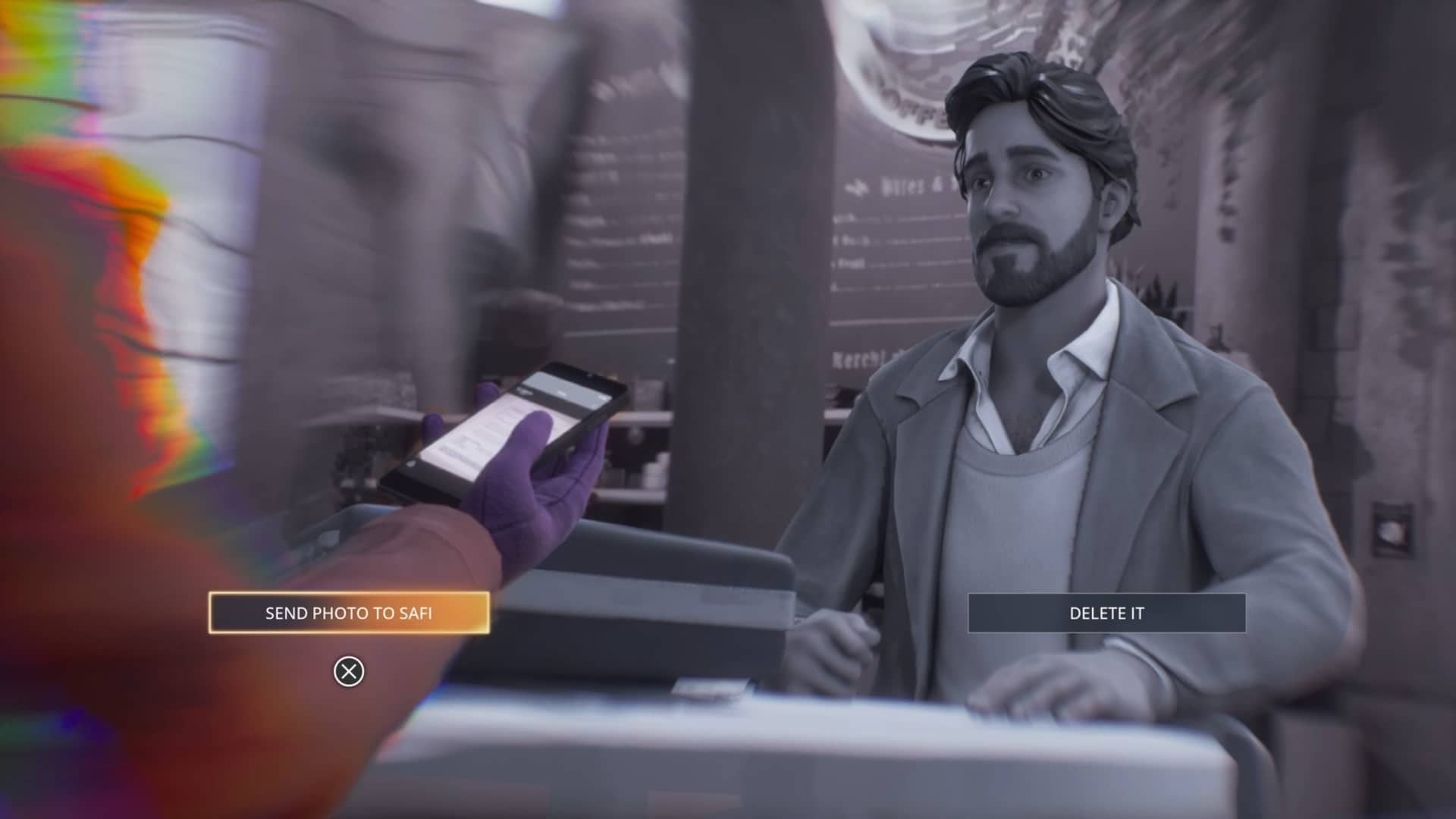
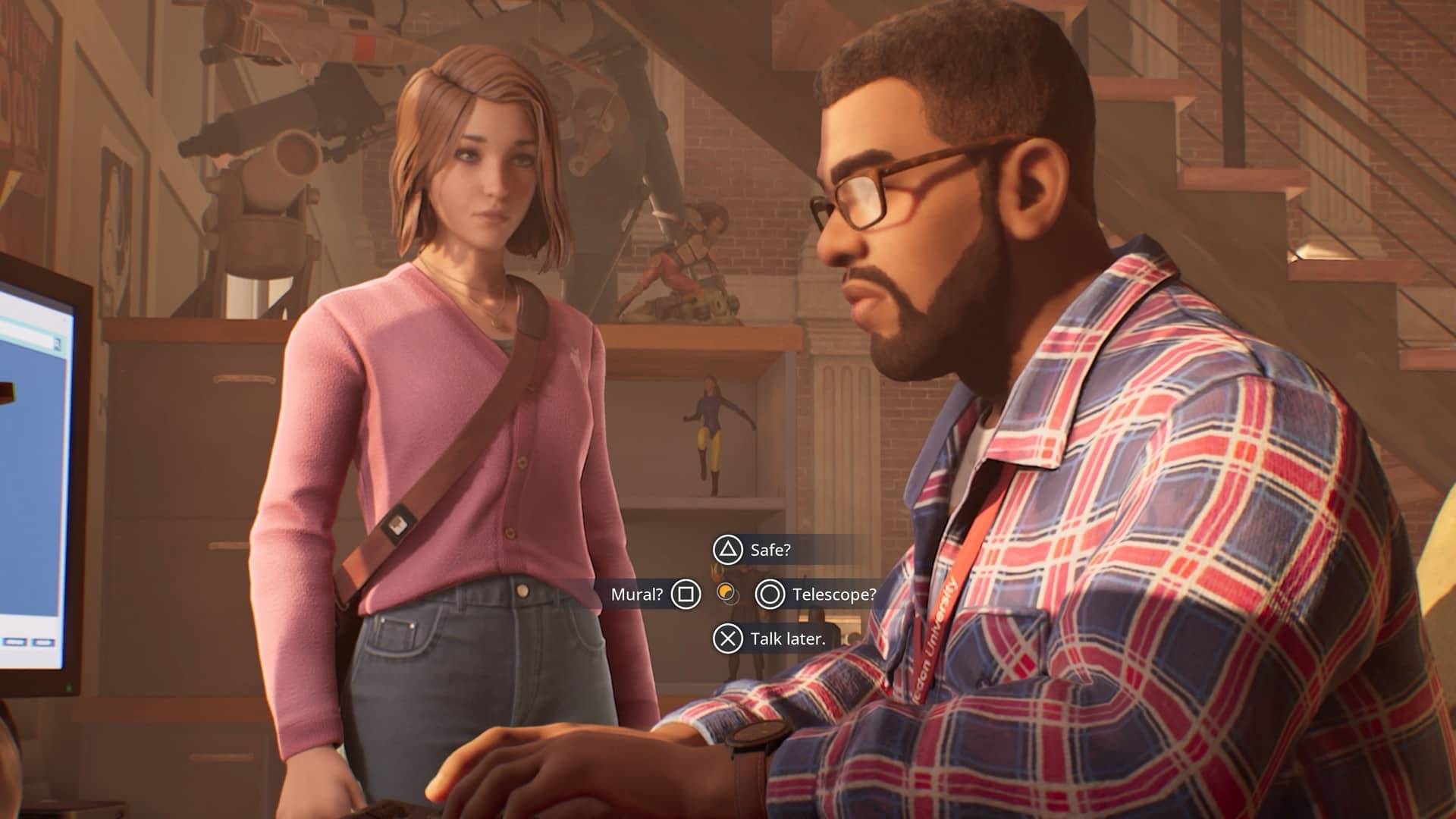
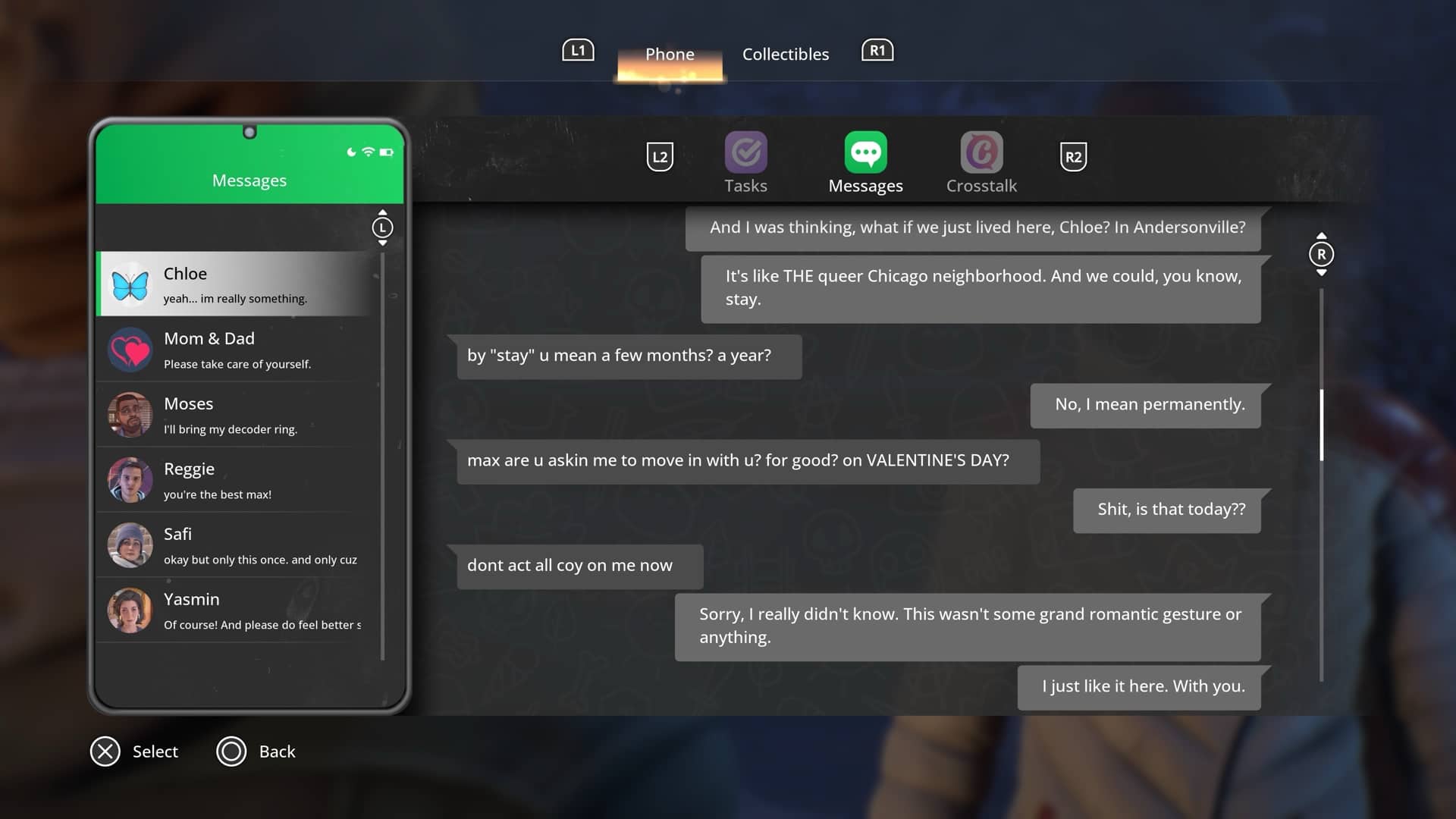
But now, back to the main topic. The characters are also at the center of the decisions. In fact, most of them affect them rather than the main storyline. And when they do, it’s barely. For example, you can answer yes or no when a detective asks you to help him with an investigation. Of course, the only difference your choice will make is whether or not your friend Moses will keep you at arm’s length for a while. It has no impact on the detective’s future actions – except perhaps one altered sentence – nor on whether you gain or lose important evidence.
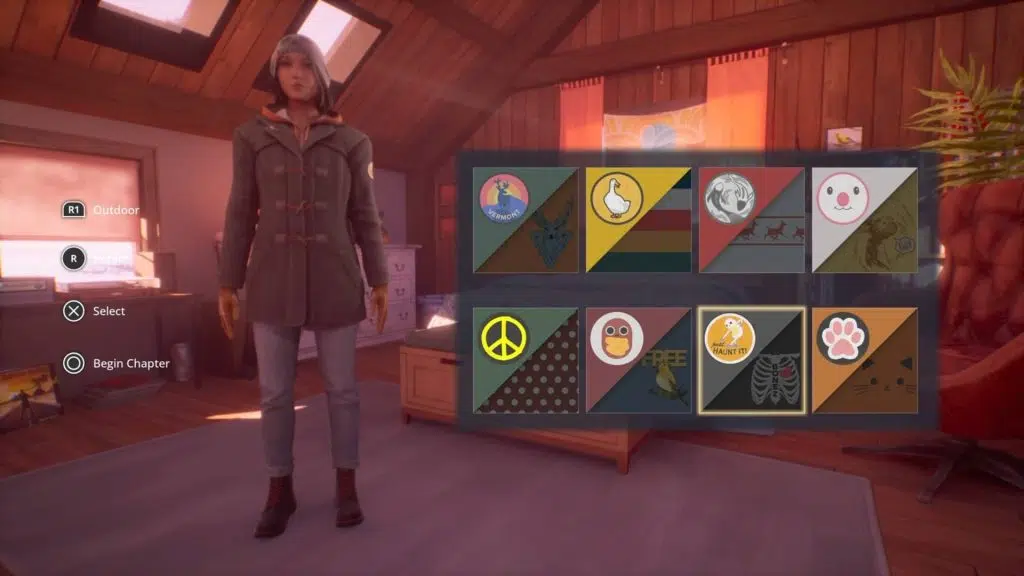
Your choice doesn’t even change whether or not Moses helps you with your investigation throughout the game. So choices can be so insignificant that you won’t even know what you’ve changed, and the significant decisions you thought about with a heavy heart and a wet eye for several minutes in the original game become trivial matters that you simply press a button and move on without worry.
Not only are the decisions weak, but most also seem apparent. And that goes for the final one as well. “Congratulations” to the developers for not making the same “mistake” as the first episode, where the final decision was only choice A or B. Now, they’ve taken it to the next level. The two final decisions definitely change almost nothing in the end. Thus, Double Exposure cannot be contrasted with the first episode’s fundamental changes – whether we mention Kate’s fate or which of the three suspects is to blame. Those who played the original game will know which characters I’m talking about.
Mechanics in Two Realities
The second part is really a story adventure in the true sense of the word. Its story doesn’t change much, and you’ll spend most of your time just following it. The game sort of leads you to the very end on its own without much effort. Of course, the title contains elements of gameplay, but don’t expect too much of it. Apart from the choice of decisions, the gameplay consists mainly of exploring the world in both realities. Using abilities works as a bit of a puzzle. You’ll need to use it to transfer items between realities, allowing you to overcome obstacles or eavesdrop on important conversations without getting caught on the “other side .”I must admit that I was entertained by using the ability throughout the game, and I definitely have to give credit to a good idea.
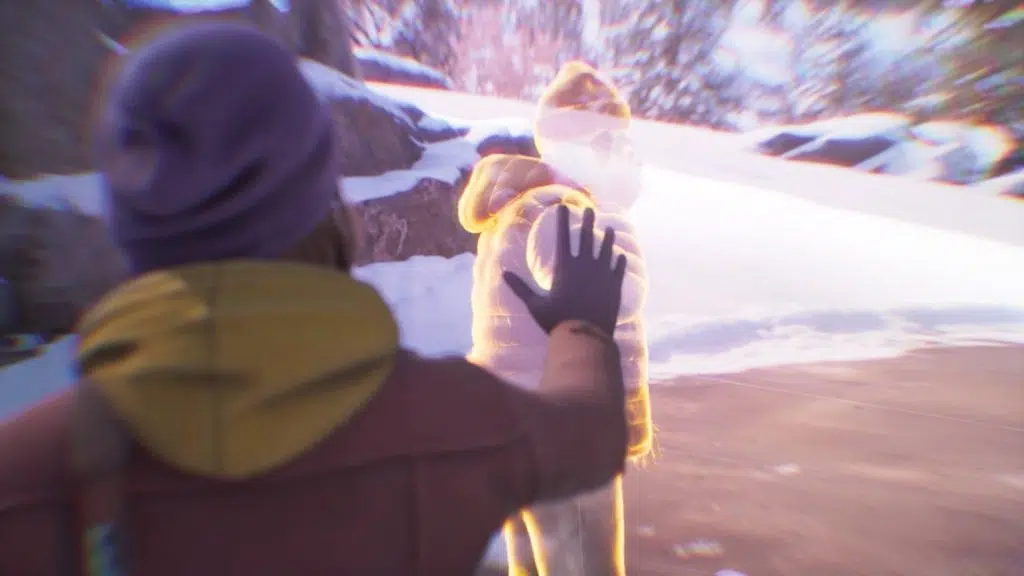
On the other hand, the title didn’t offer me as many opportunities for experimentation as it did in the original game, where the degree of freedom to rewind time was very solid. Most parts had one solution, which could be reached by a logical sequence. I didn’t quite understand why the developers didn’t play with the ability more. After all, they hint at what else Max can do throughout the game but only use the departure from the core mechanics in pre-locked situations.
Beauty in the Details
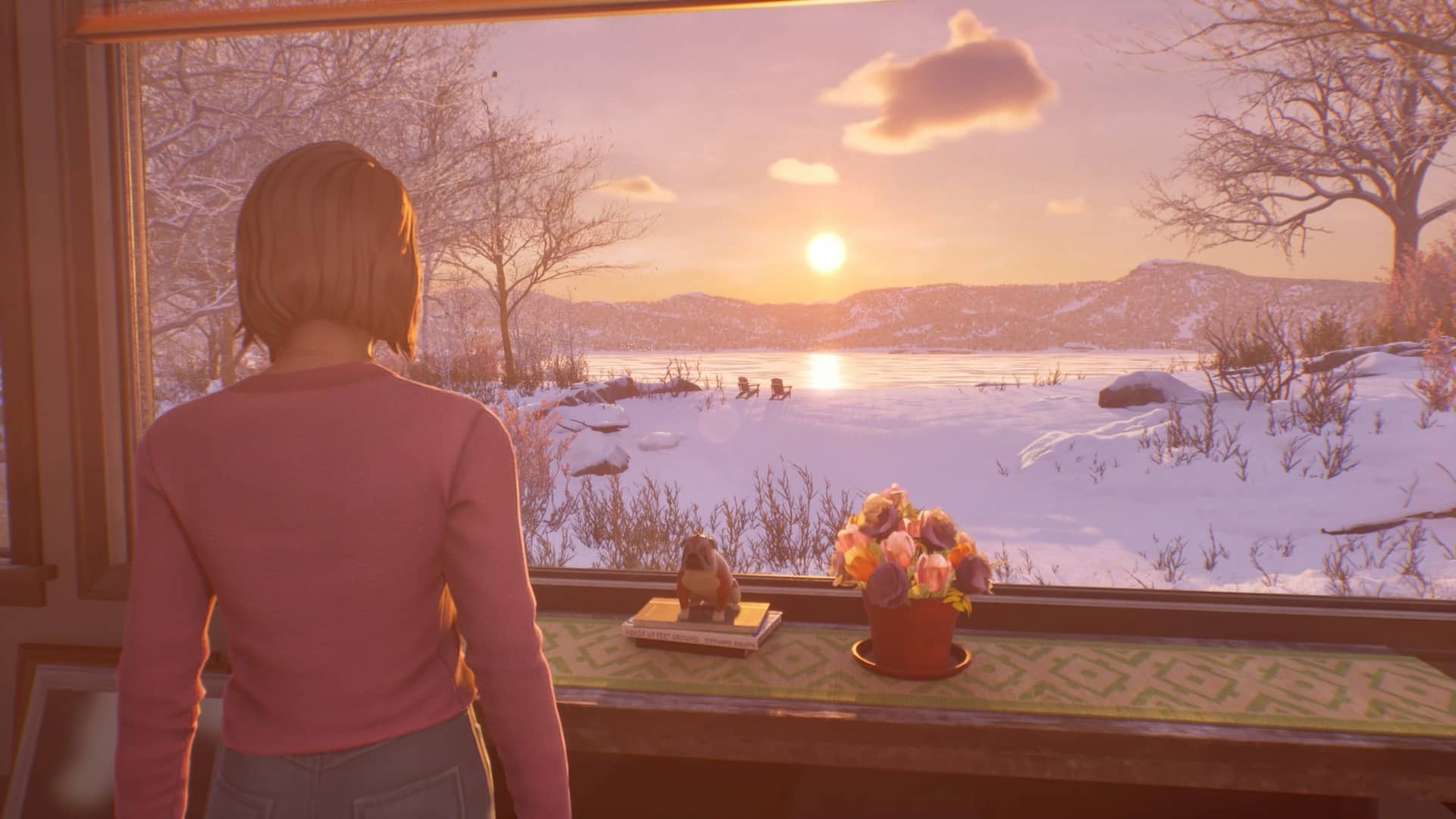
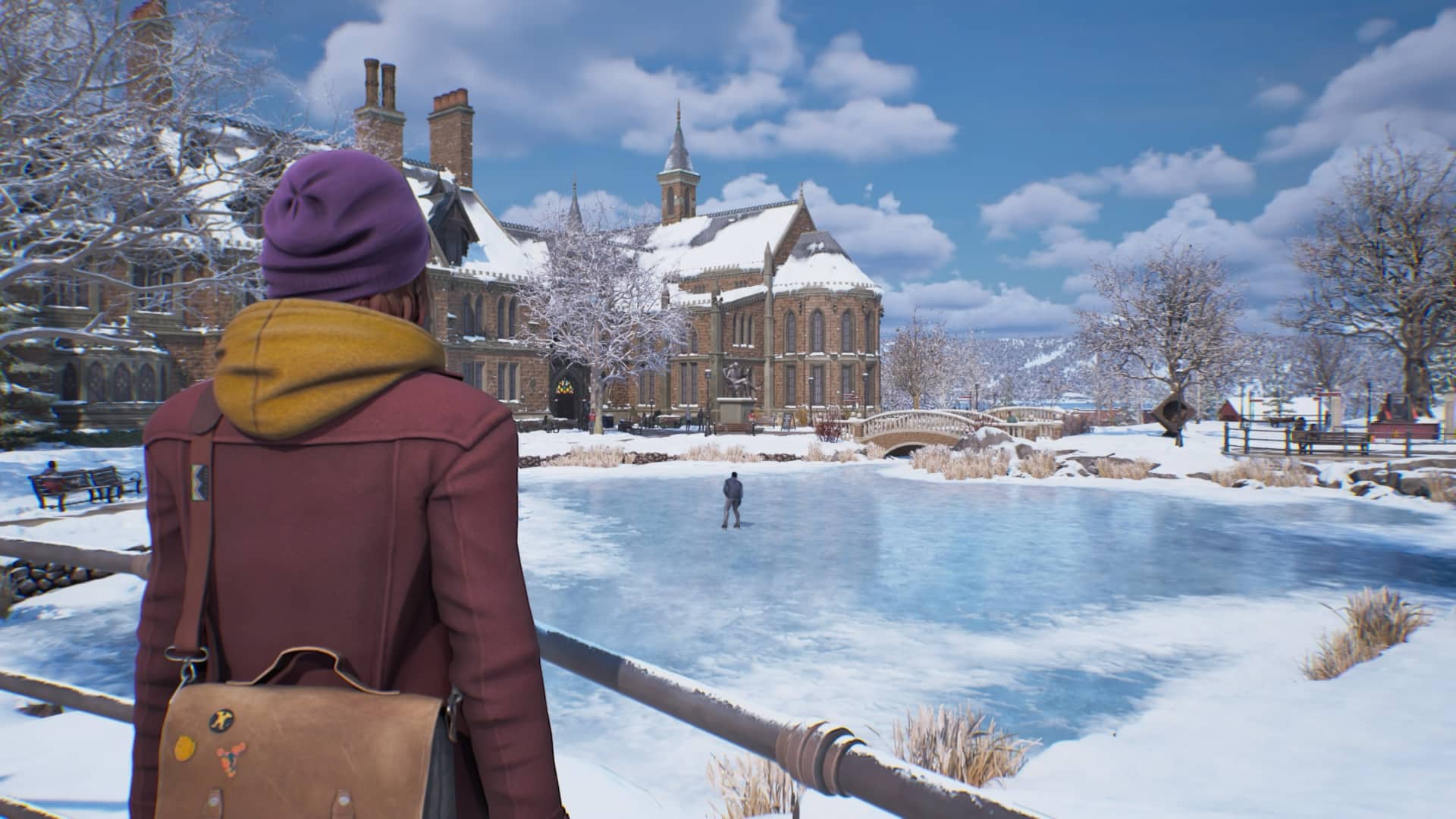
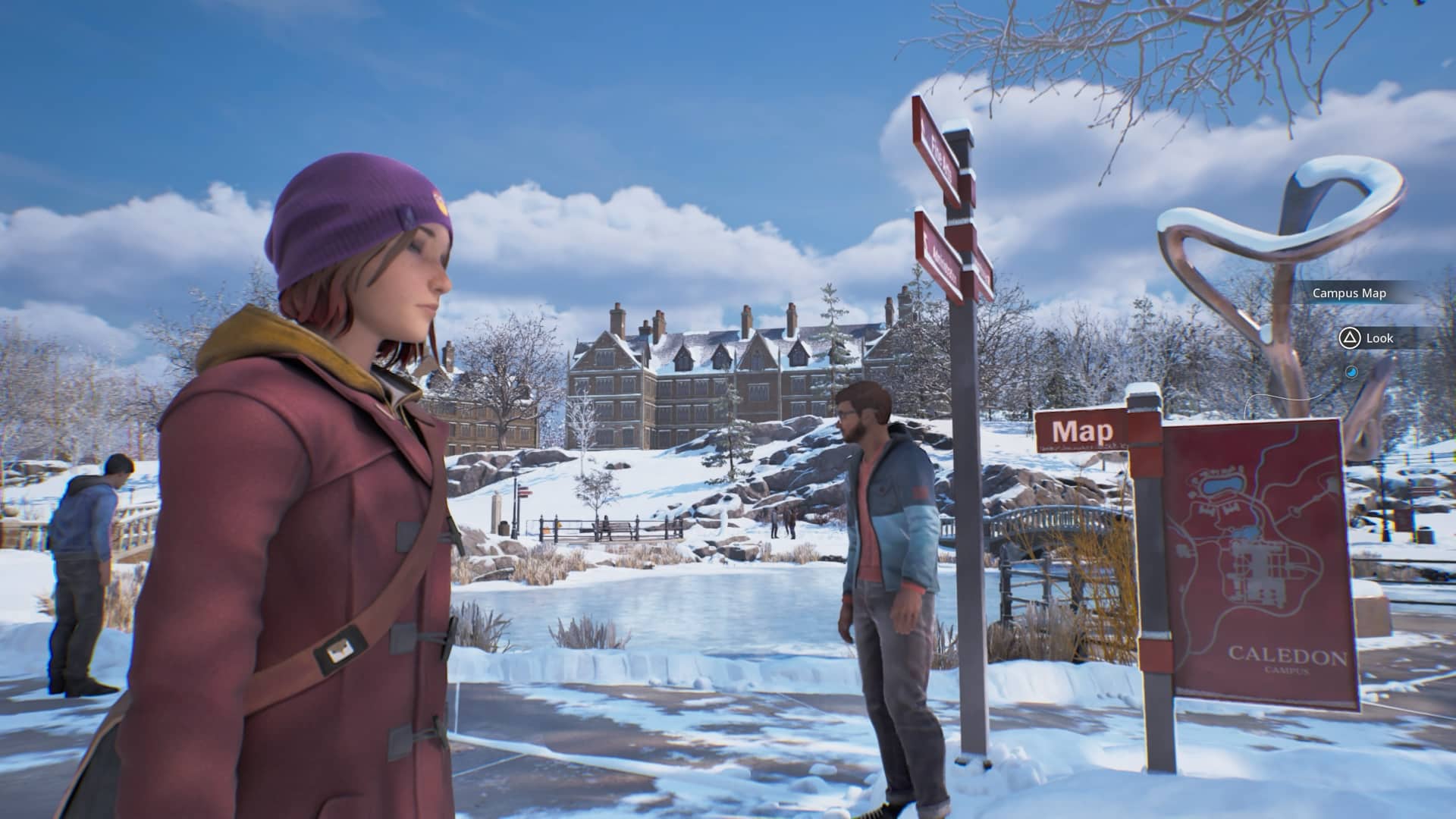
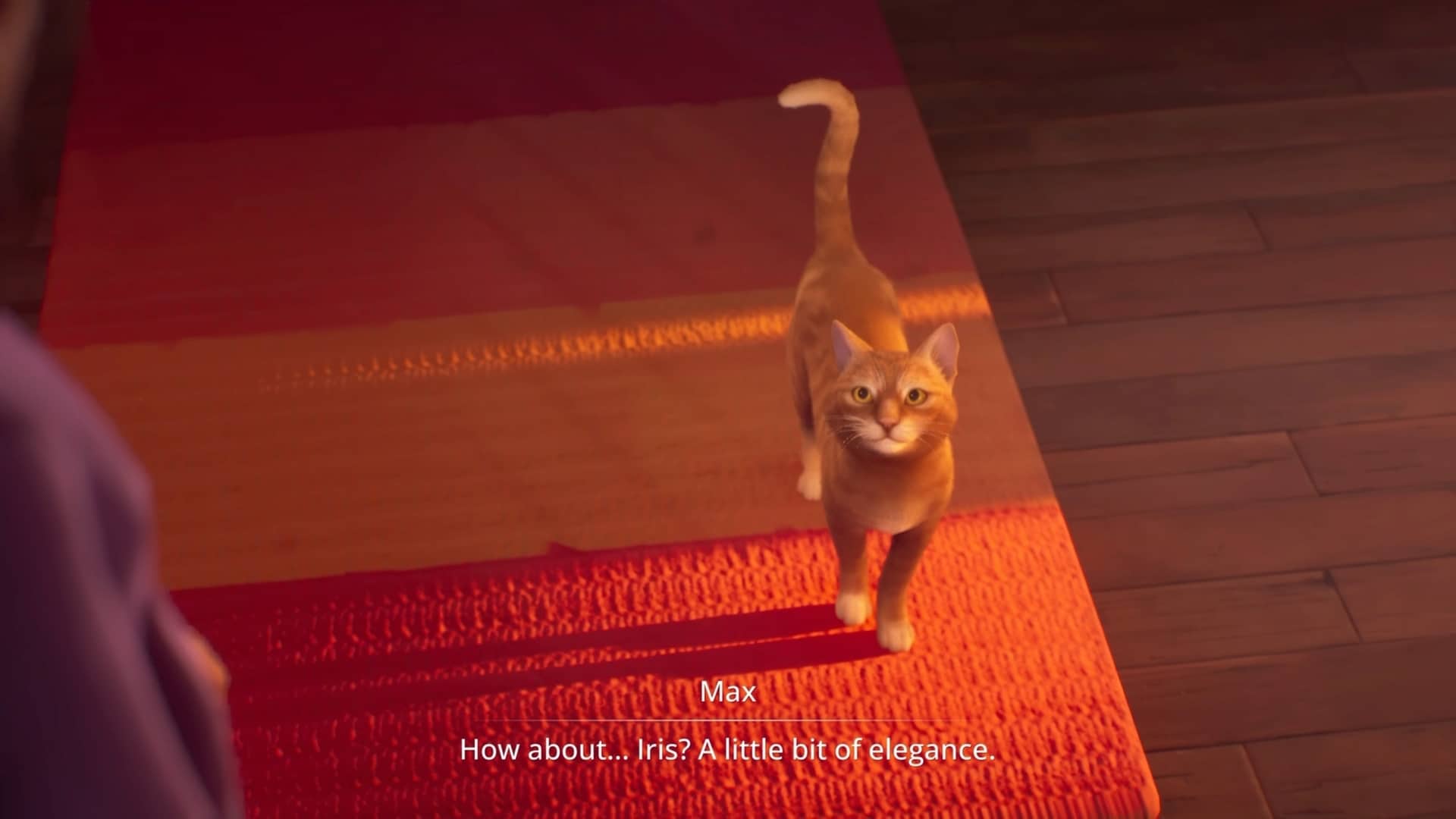
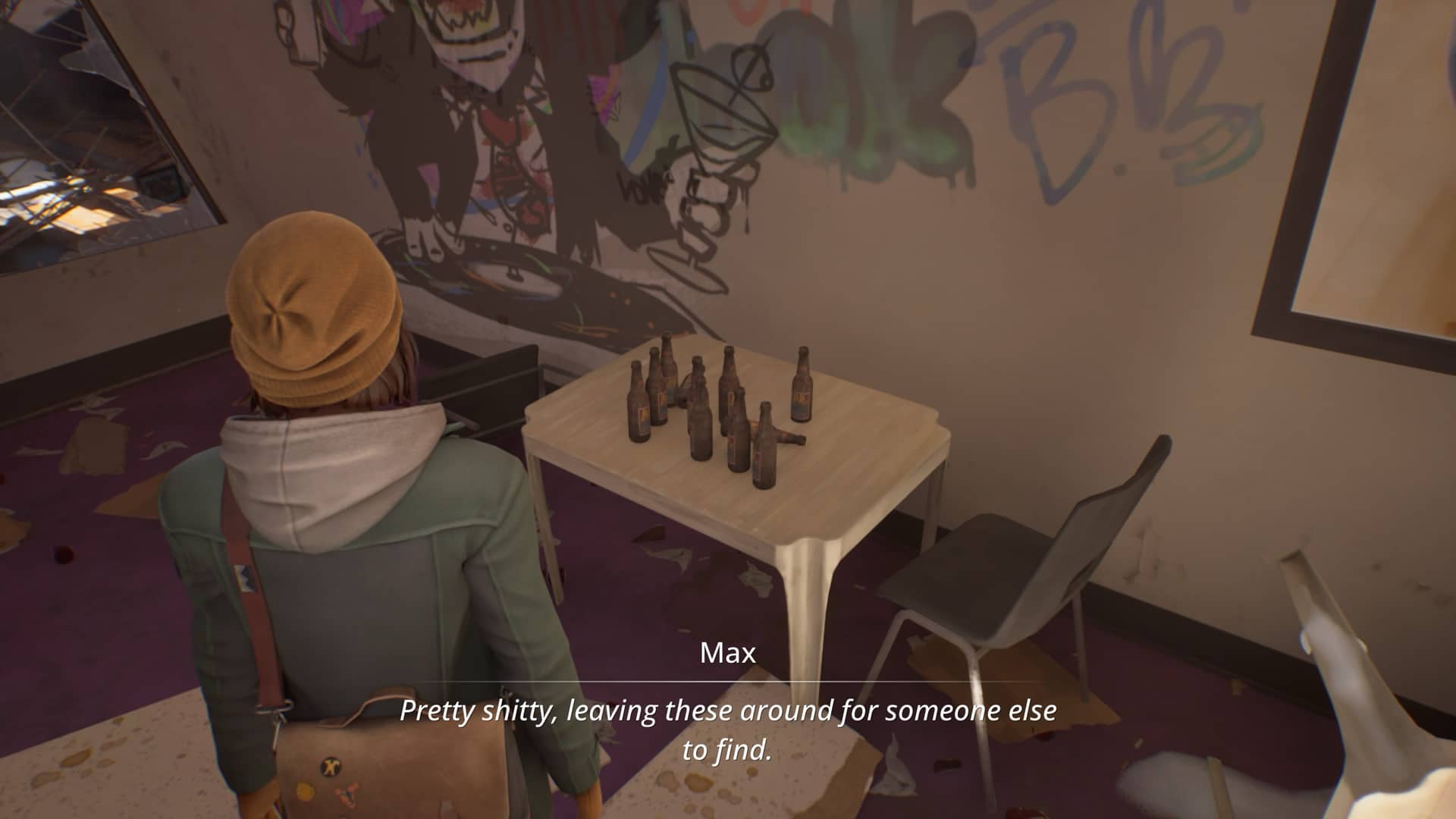
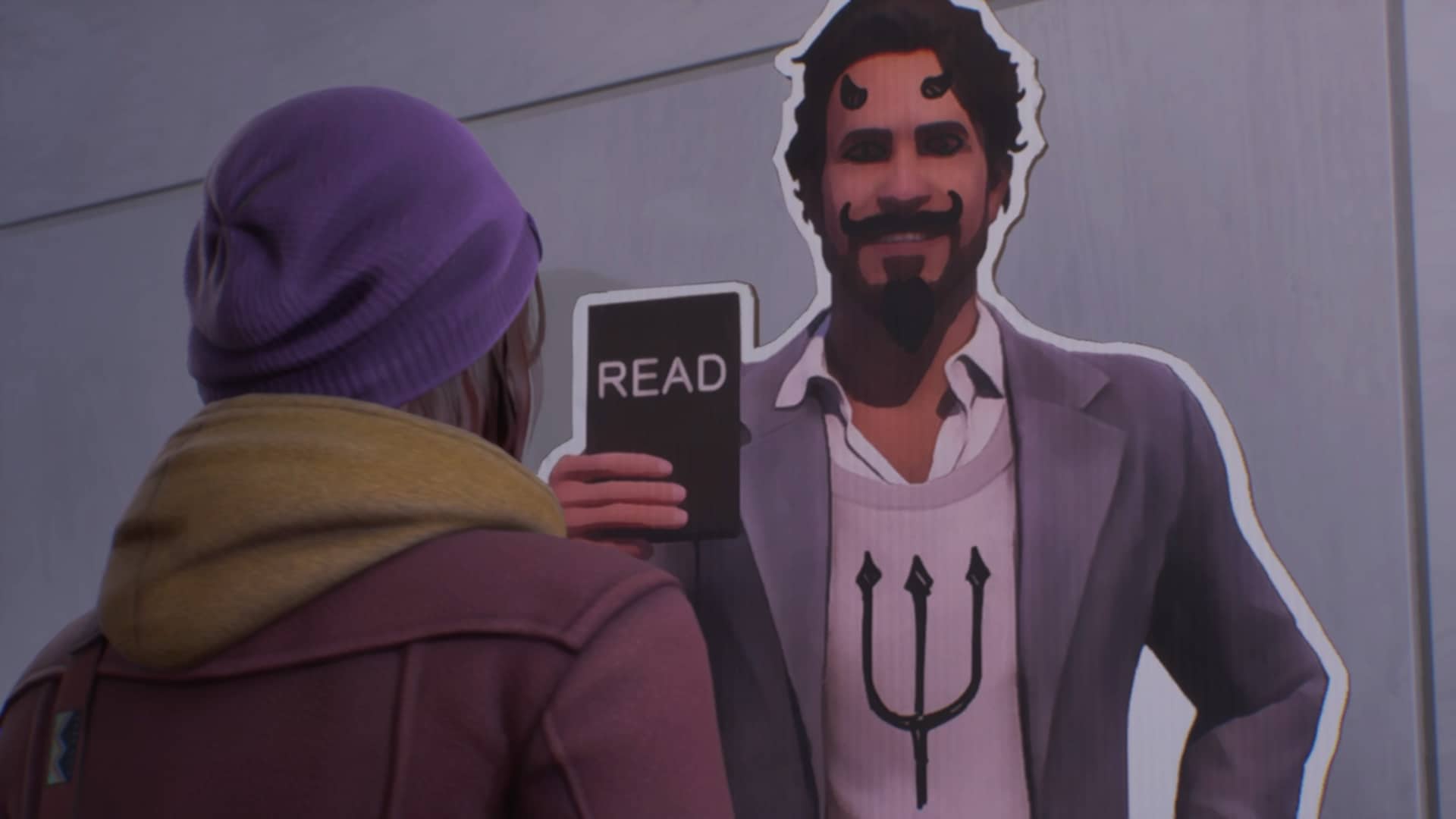
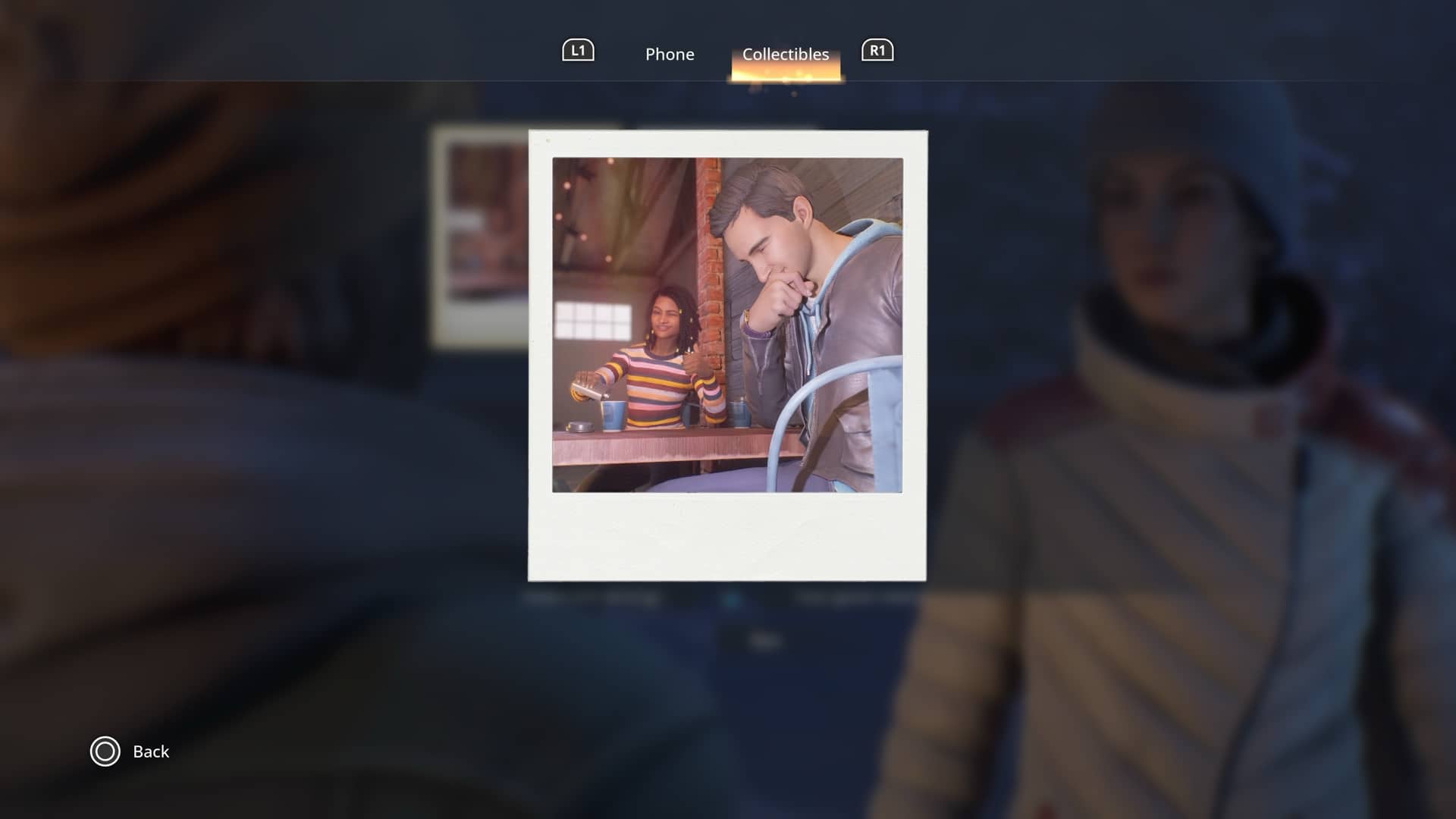
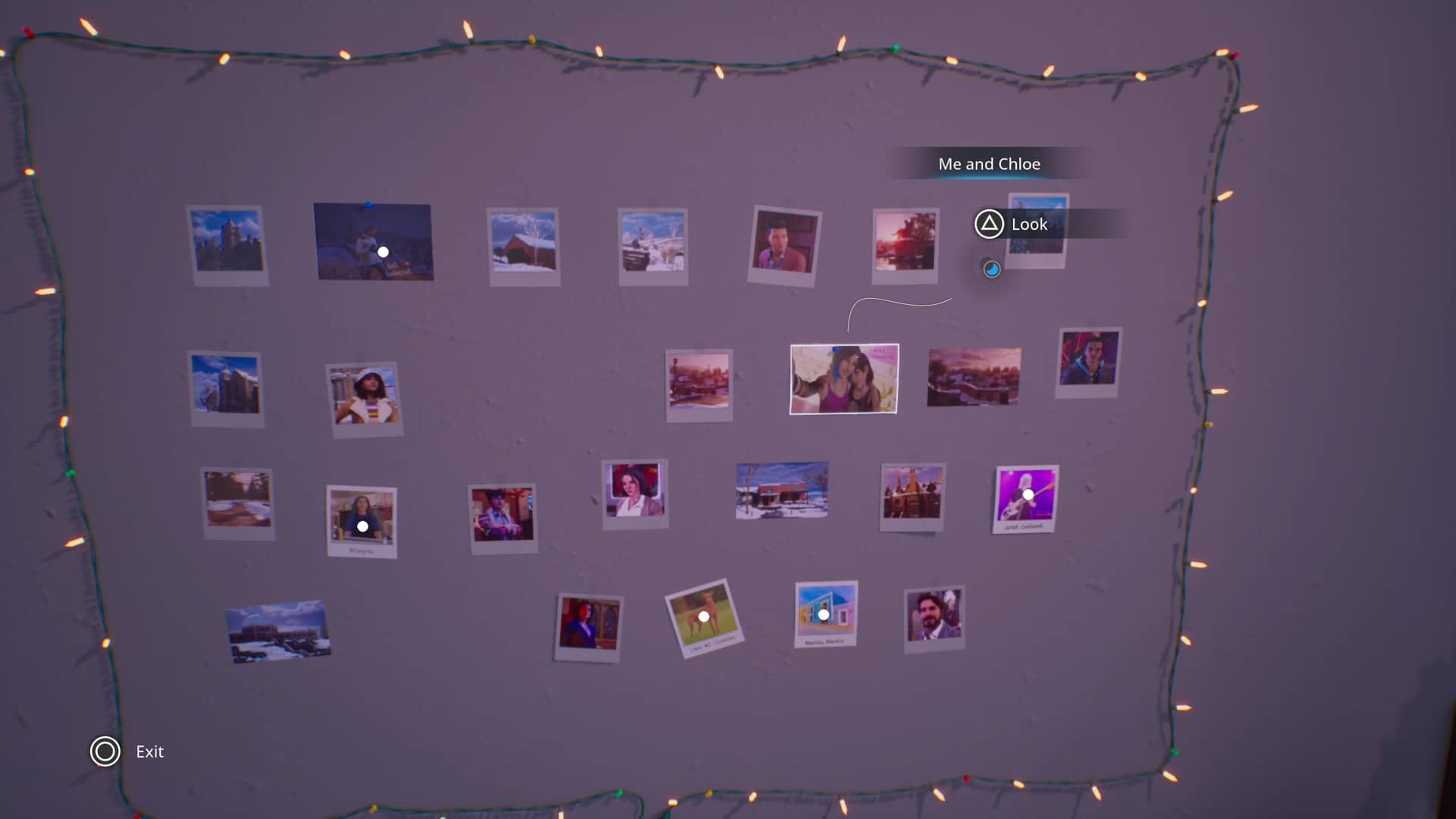
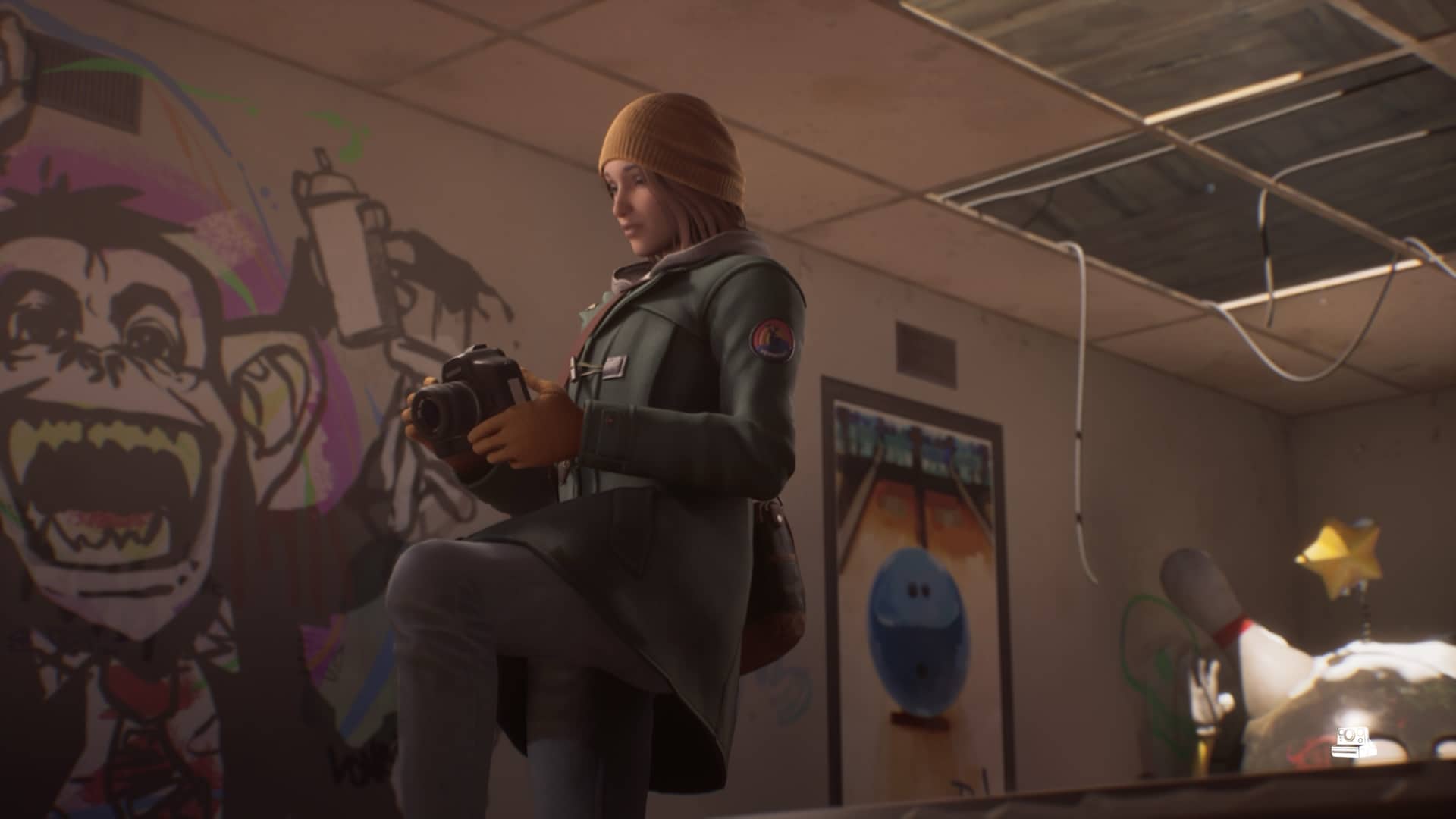
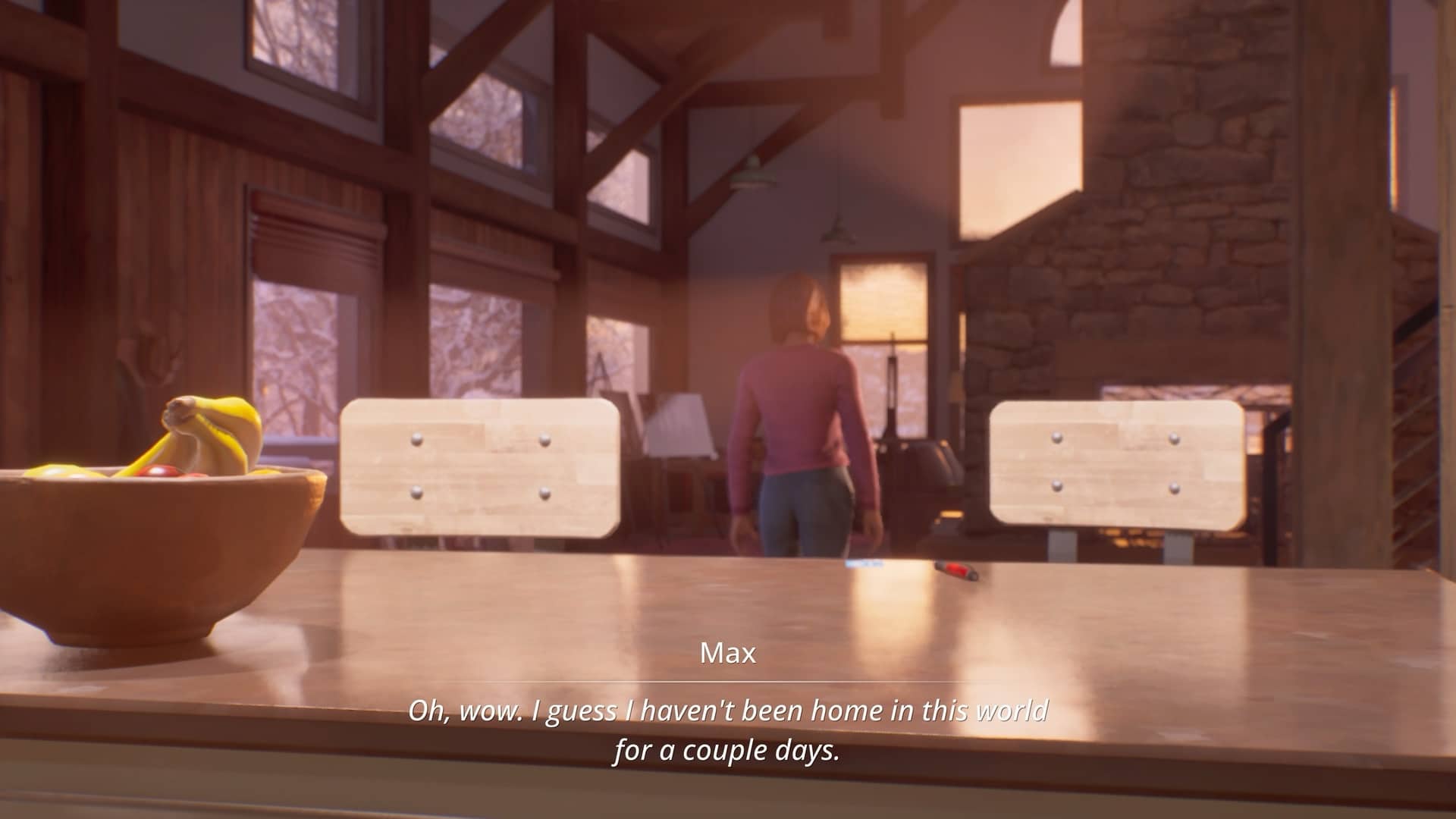
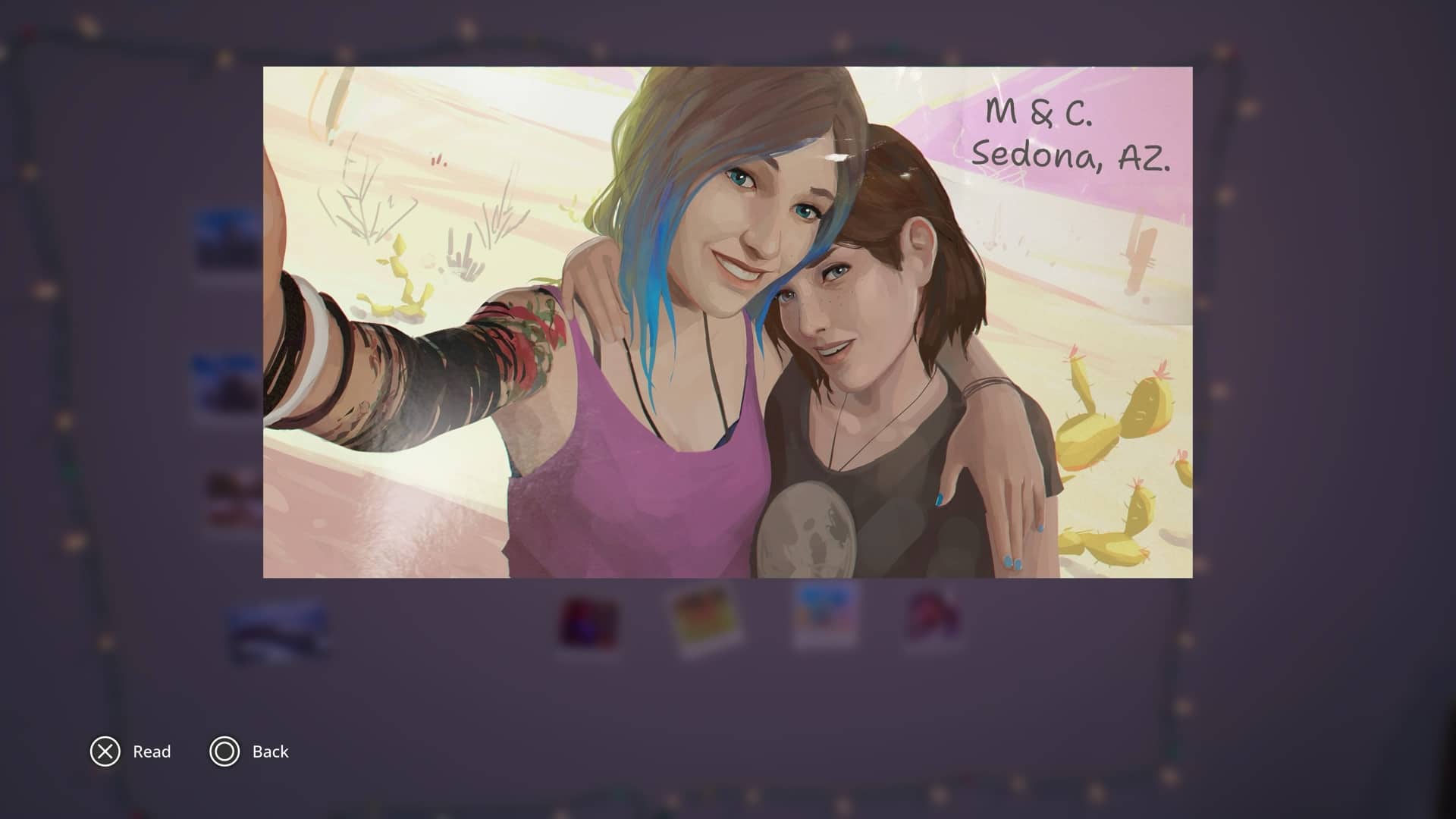
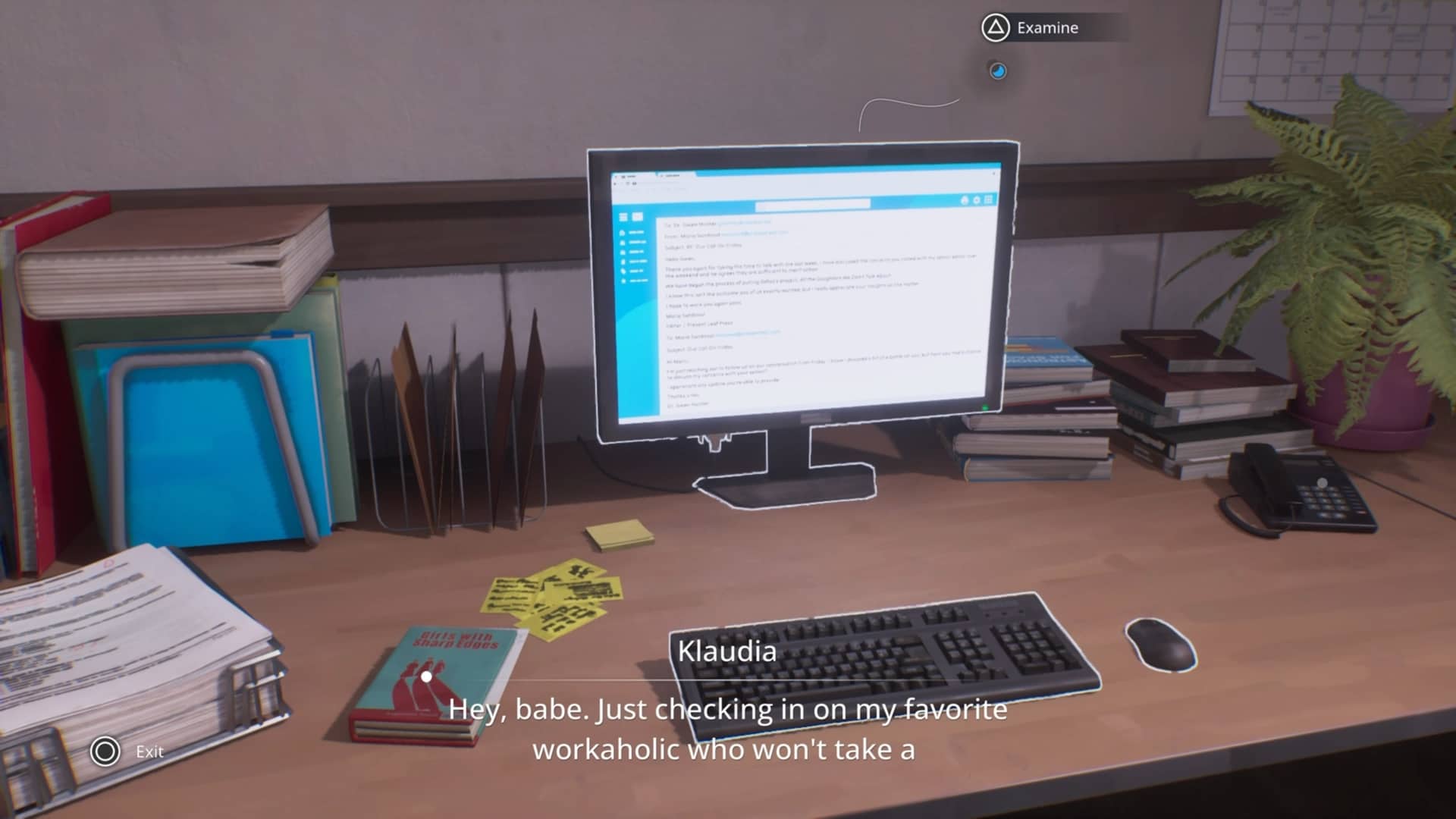
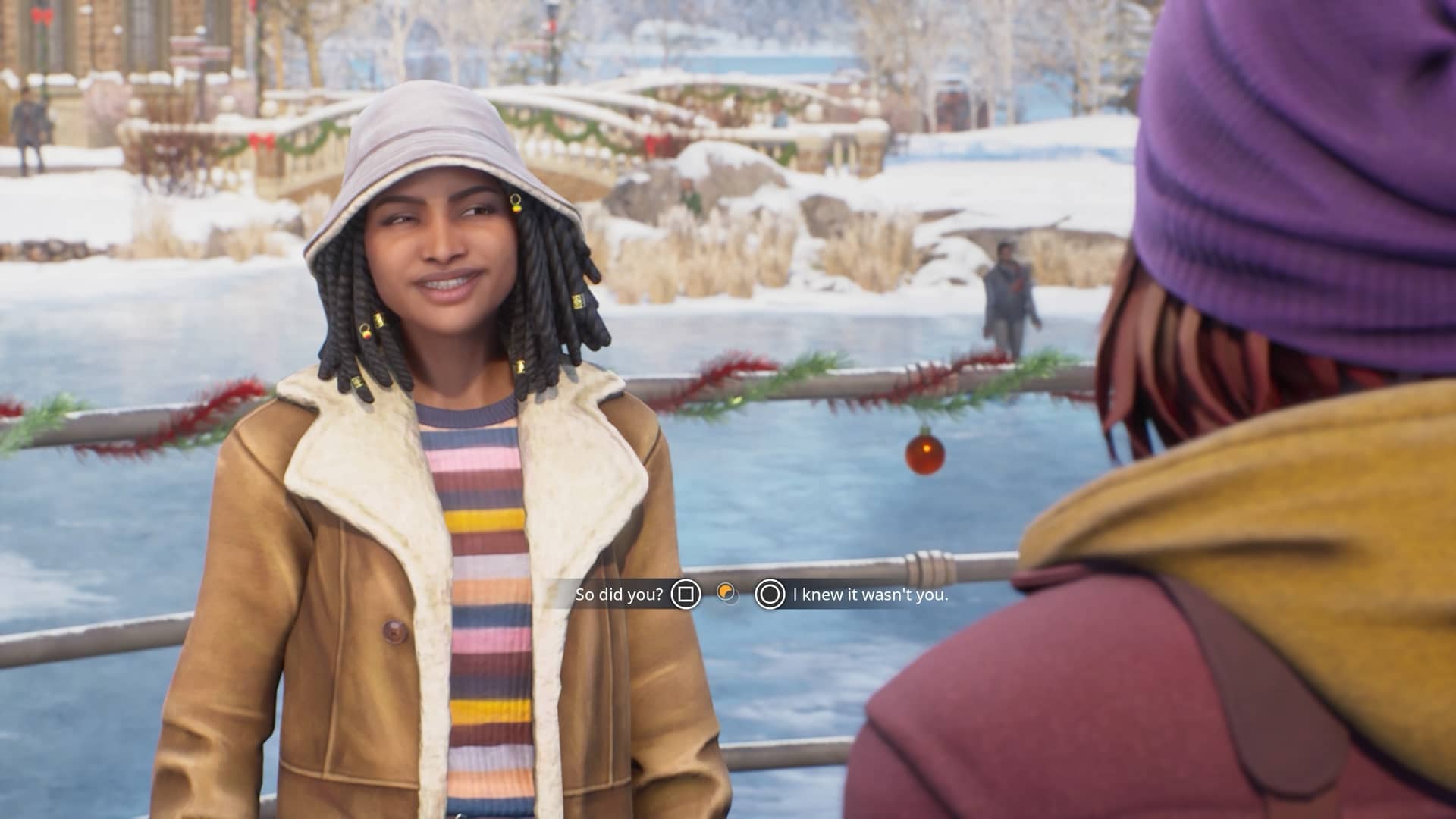
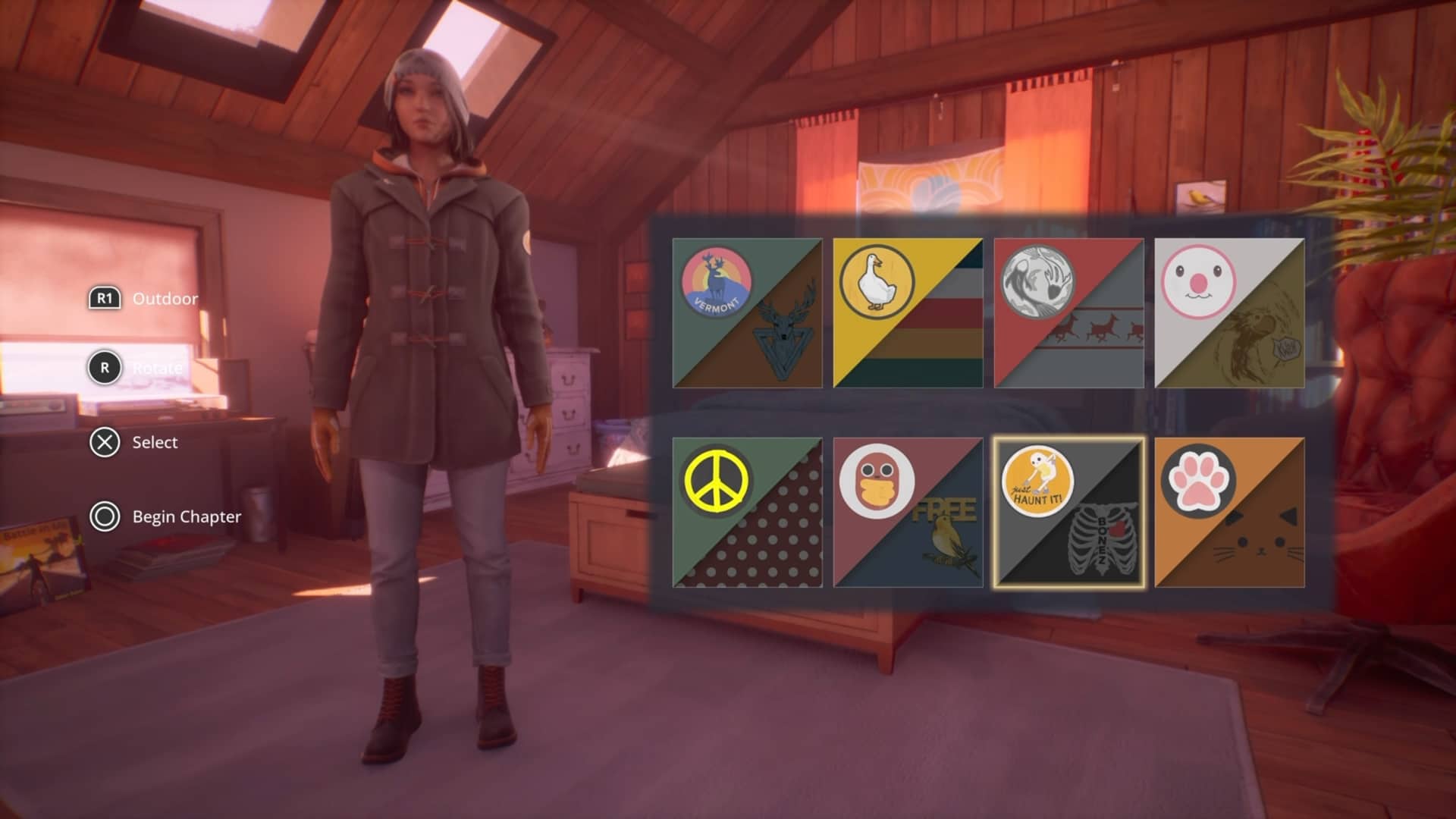
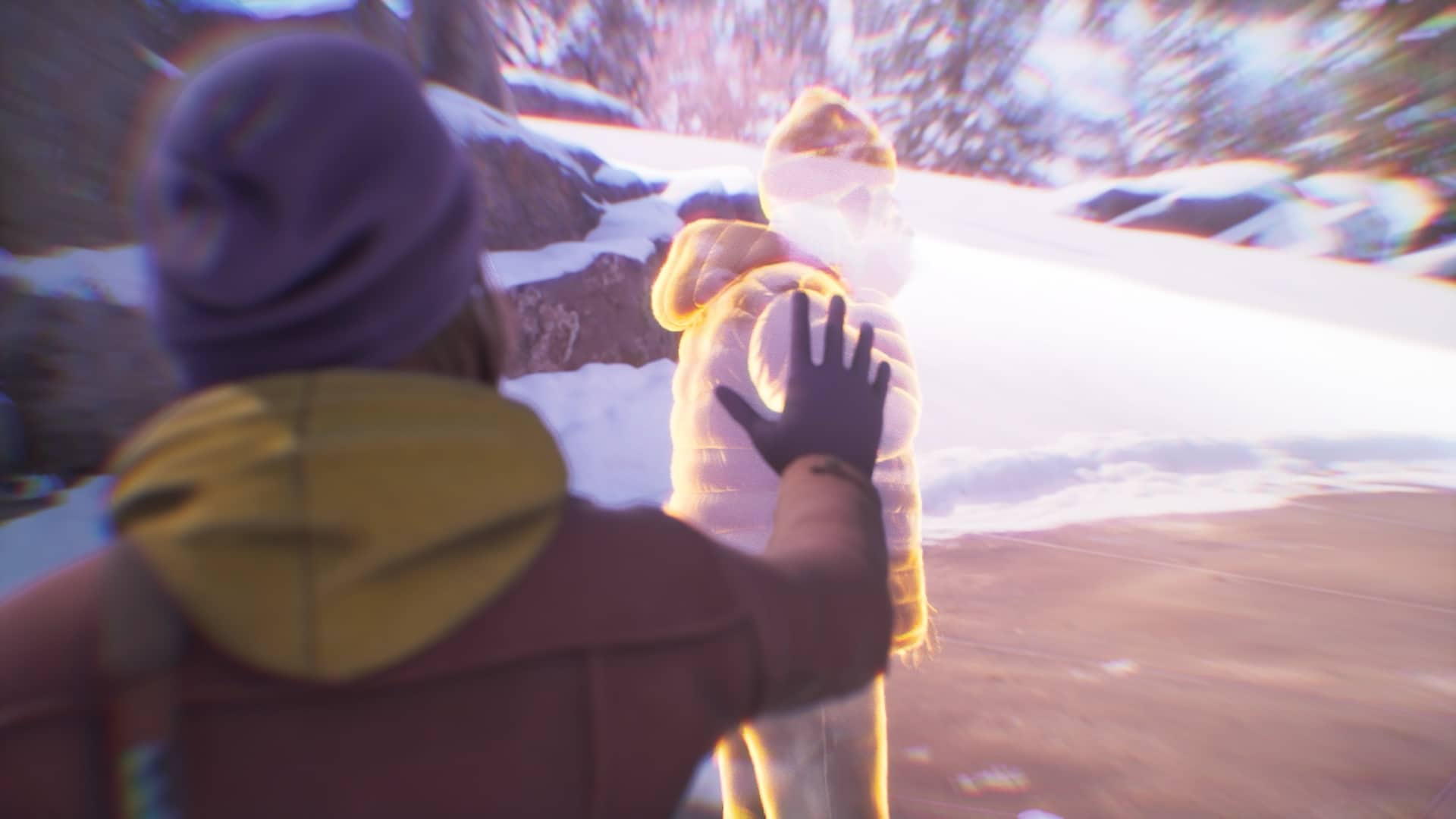
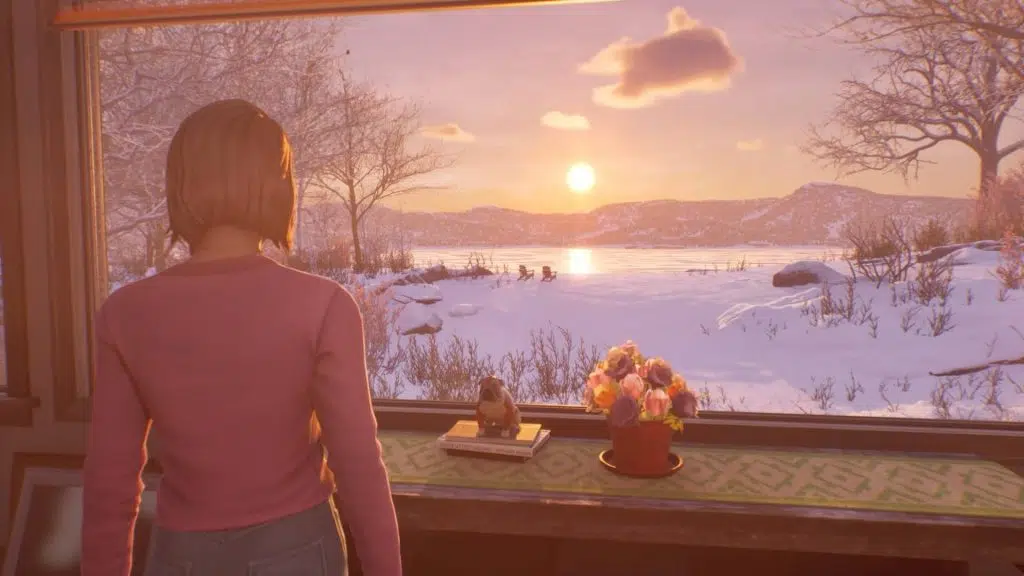
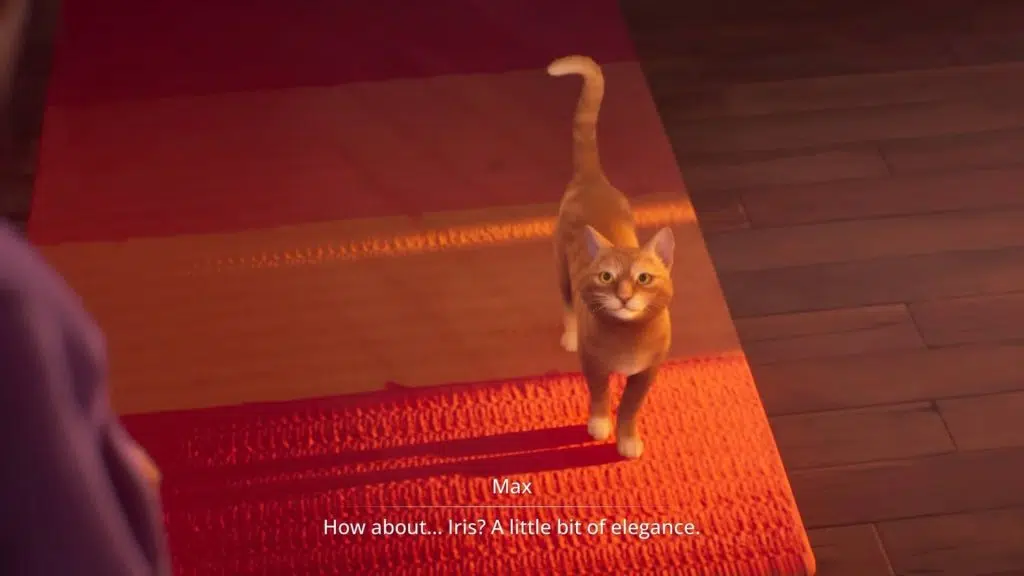
The title allows you to play around much more when exploring the world, and this is where most of my positive criticism will go. The environment of Caledonian University and its surroundings are not only very well chosen, neither too big nor too small, but also offer some details spread around the environment with which to interact. By careful exploration, you can return a lost cat to its original owner, get on the board with the most embarrassing puns, or improve or worsen some students’ grades. You’ll experience some of the details and stories by exploring both realities in turn, especially at times when the game doesn’t directly invite you to do so. You’ll need to constantly switch realities to complete many of them. The university environment also hides collectibles in the form of photographs that will play back some of your memories. And just like that, you can run around campus and create the photos yourself. In short, exploring every bit of Caledonian University across two realities is really fun, especially when its snowy surroundings look so good.
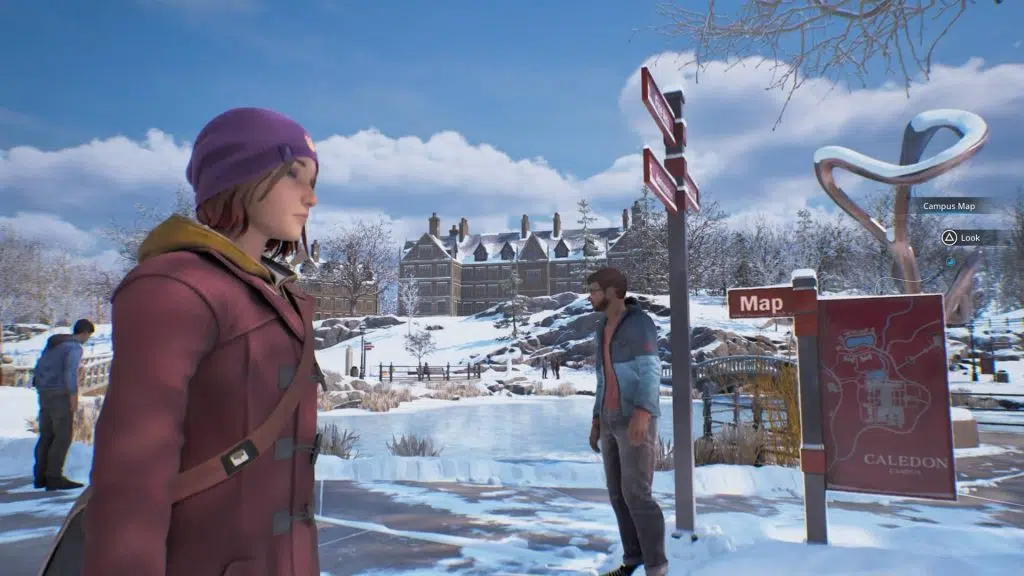
And let’s face it, the whole game looks good too. The graphical shift is really noticeable in Life is Strange. From facial expressions to character movements to the animation of hair and other objects. I acknowledge the effort on the developers’ part in this regard, they’ve managed to move the game into a more realistic feel while leaving it with a dash of the cartoony stylings that have been iconic to the series since the very beginning.
I can’t complain about the choice of songs accompanying the title. However, something similar to the songs by such Syd Matters, which were absolutely spectacular and in defining moments, they illustrated the scenes in the first part in a bravura way, we definitely cannot have fun. The title works quite appropriately with the songs, which illustrate the atmosphere well, whether it is happy, sad, or scary, but unfortunately, it is nothing breathtaking. However, I also can’t speak positively about the game’s sound balance, which brings us to the technological aspect of Double Exposure, which isn’t great.
Technical Tremors
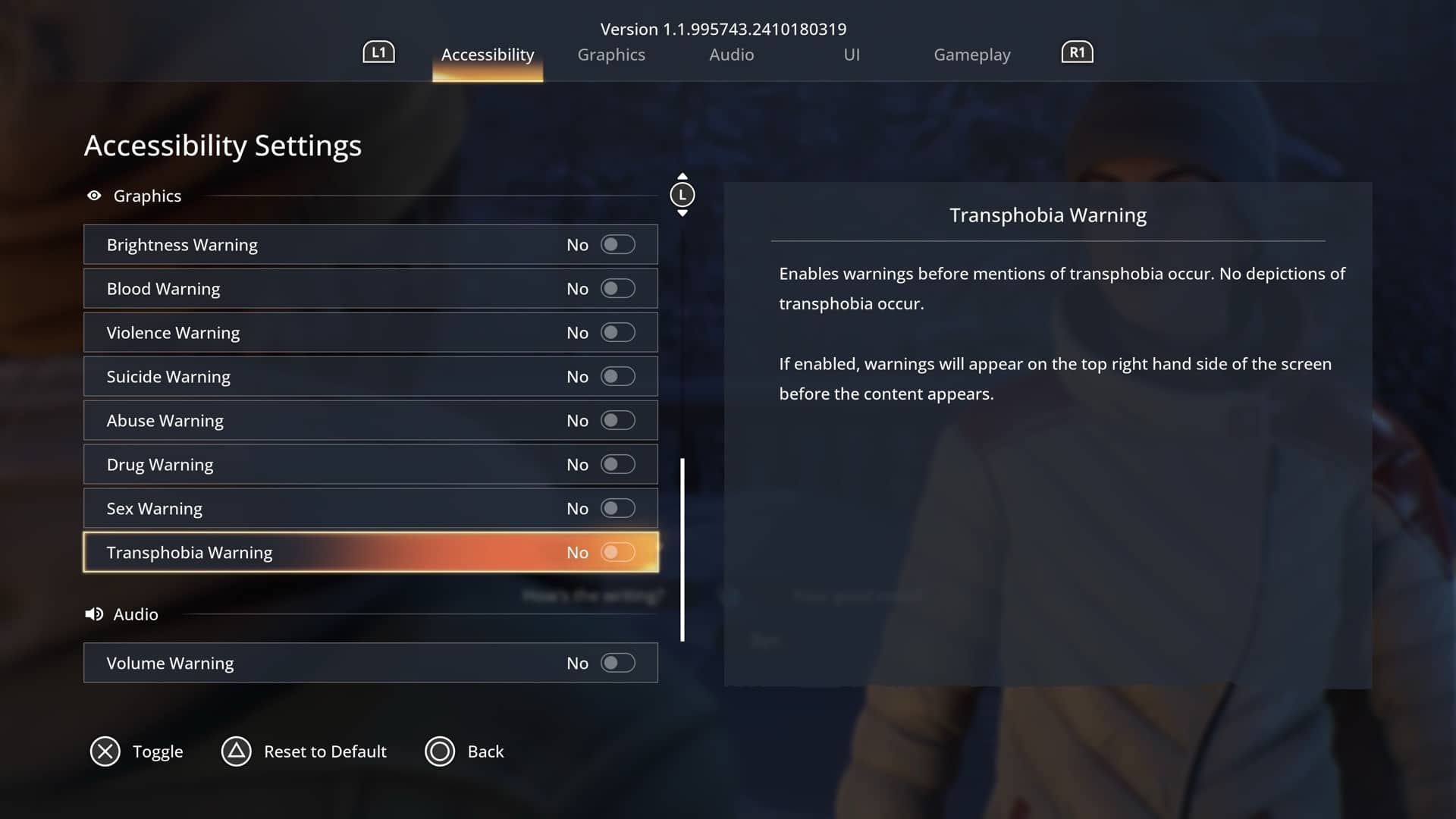
I noticed several times throughout my playthrough that the dubbing of the characters had varying volumes, which managed to take me out of the game on more than one occasion. This isn’t a major flaw, but this is a minor thing to notice for a cutscene-centric title. A bit more complicated was the situation when the sound dropped out of the game completely, and I had to make do with subtitles for a while.
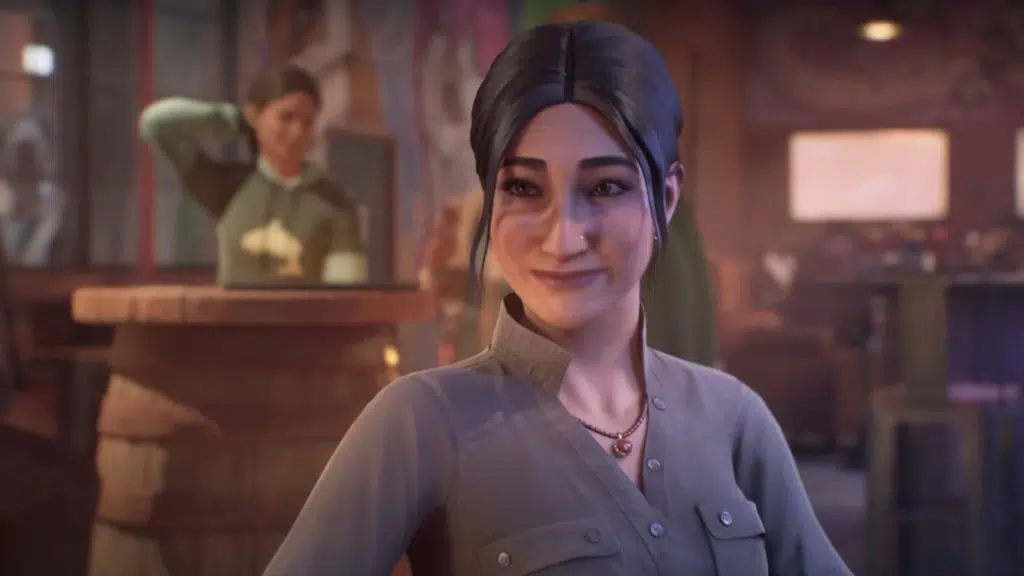
You’ll also often notice texture bouncing in cutscenes. If you turn on quality mode, you’ll also be faced with character models bouncing into animations. So, I opted for performance mode myself, which I would even recommend for better frames per second. So the title was definitely not without technical bugs or glitches, at least during the full release. The game even managed to break once, so much so that I had to replay part of it. Life is Strange: Double Exposure thus fails on multiple fronts.
The title, unfortunately, flounders on two of the most critical aspects of the series: story and decisions. While the story presents an engaging if samey plot and decent characters, it fails to find a fitting denouement or a “proper Max” for the narrative. Moreover, it prevents you from getting too involved in its story. It’s evident that the creators simply decided what story they wanted to tell regardless of what the player might wish to, unfortunately.
To my surprise, unfortunately, this makes the title more pleasing regarding gameplay, allowing you to explore both realities. Still, even so, it’s clear that the developers didn’t use it to its full potential. And we could say that about the whole title. Life is Strange: Double Exposure was supposed to be the glorious return of Maxine Caulfield, but instead, it’s a knockoff of the original with no soul of its own.
Conclusion Life is Strange: Double Exposure
The game tries to follow in the footsteps of 2015’s successful first installment. But rather than a glorious sequel, it feels like a cheap copy of it. The story draws the player in with a very appealing plot, but it doesn’t have a satisfying or meaningful ending, nor does it have a “proper version” of Maxine Caulfield. The protagonist resembles herself but is a mere bystander rather than an actor. And that’s not something we wanted from a sequel to such a highly emotional affair in the form of the first installment. Double Exposure does come with interesting gameplay mechanics, taking the graphics to a new level, but what good is a title when it fails in the two most important aspects that have always made and will always make Life is Strange: story and decisions.
About the Game
Title: Life is Strange: Double Exposure
Type of Game: Narrative Adventure
Developer: Deck Nine
Publisher: Square Enix
Released: October 29, 2024
Platforms Available: PC Game, PlayStation 5, Xbox Series X/S,
Platform Reviewed: PlayStation 5
Level of Maturity: Mature 17+
Where to Buy Life is Strange: Double Exposure
Steam (PC Game): Available for $49.99( $59.99 Deluxe, $79.99 Ultimate). Purchase it directly from Steam.
Xbox Store (Xbox Series X/S): Available for $59.99( $79.99 for Deluxe). Check it out on the Xbox Store. Not part of the Game Pass 🙁
PlayStation Store (PS5): Available for $49.99( $59.99 Deluxe, $79.99 Ultimate) . You can find it on the PlayStation Store.
Official Page: Visit the official Life is Strange page for more details.
Subreddit: Join the discussion on the Life is Strange Subreddit.