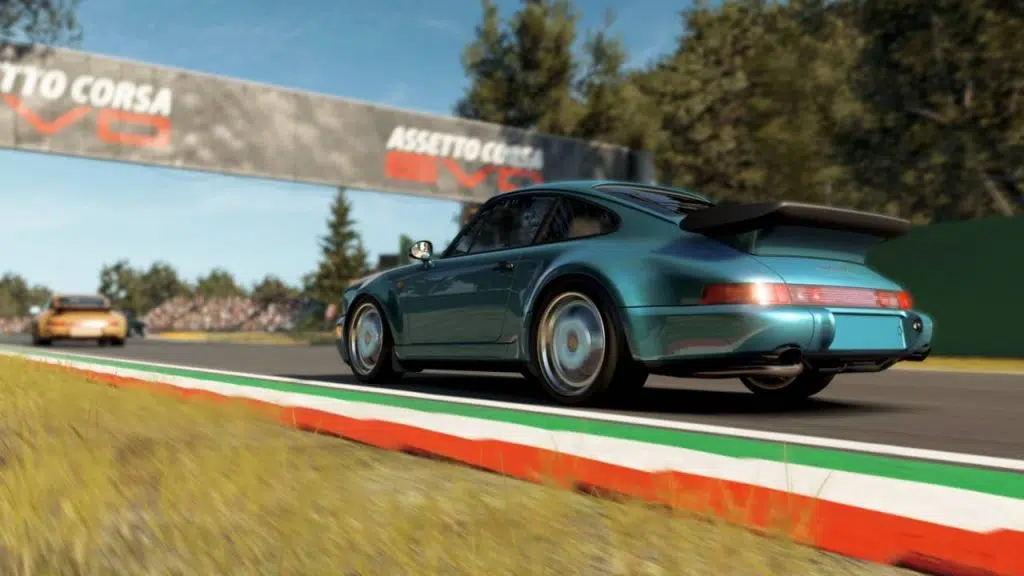
KUNOS Simulazioni has confirmed Assetto Corsa EVO will launch in Early Access for PC on January 16, 2025. Along with this announcement, today, September 30, they’ve just dropped a brand-new official trailer, giving fans their first real glimpse of what’s to come. For sim racing fans, this date and trailer together signal the next evolution in realistic racing, building on the success of Assetto Corsa and Assetto Corsa Competizione.
Kunos Simulazioni Youtube Channel – New Assetto Corsa EVO Announcement Trailer
Marco Massarutto’s statement was clear: KUNOS is focused on delivering high quality. They’ve taken their time to ensure EVO meets the high standards set by the community, as seen with their past titles. The new trailer showcases the attention to detail and the leap forward in technology we’ve come to expect.
The standout feature of Assetto Corsa EVO is its diverse range of cars, from road and race cars to hypercars and classics, all modeled with precision. Like Assetto Corsa, this new game pushes realism even further. The new proprietary engine enhances accuracy, refining the mechanical and aerodynamic performance.
With this trailer, it’s clear EVO continues the competitive spirit seen in Assetto Corsa Competizione. The variety of vehicles, each with unique handling, ensures an immersive racing experience for all, just wait a bit till January to feel it on our own wheels.
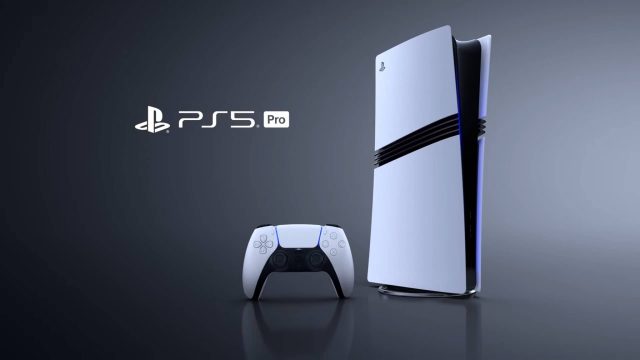
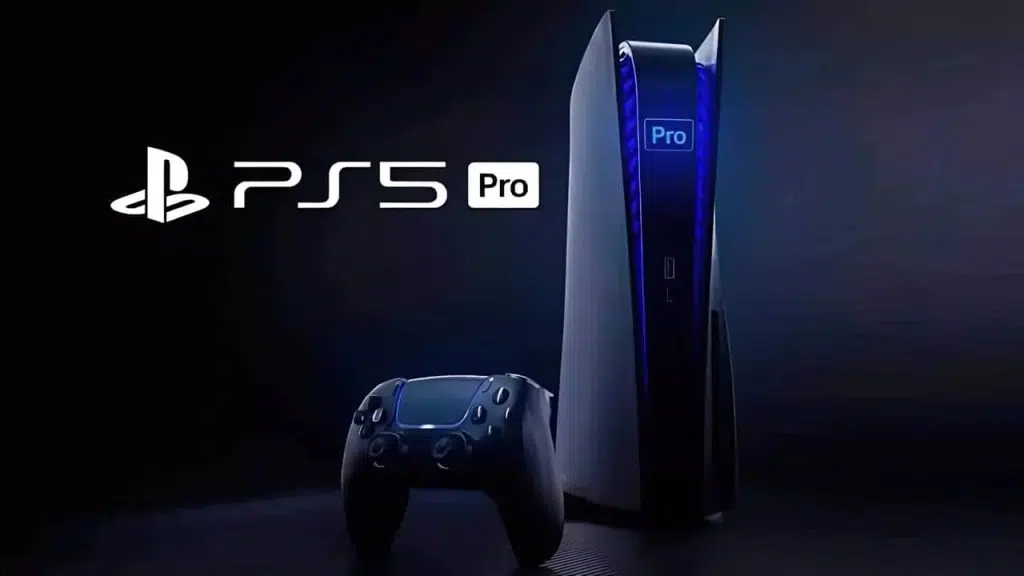
So, let’s talk about the PlayStation 5 Pro, the newly announced version from Mark Cerny. This reveal has already stirred up some waves in the gaming community, and I’ve got to say, the expectations were maybe a bit higher than what we got. But hey, at least the console seems to be quite expensive – ha, of course, that’s irony for you.
A Hardware Upgrade with Familiar Twists
What do we know so far about the PS5 Pro? In general, it’ll be faster, as you’d expect after four years of technological advancements. It’s got a bigger hard drive, better ray tracing technology, and overall performance should be more stable. Sounds like a bunch of boring, expected stuff, right? Well, let’s dive a bit deeper.
First off, that 2TB hard drive is actually a pretty handy addition. As a gamer, I can’t tell you how many times I’ve had to delete some of my games just to make room for new ones. It’s a real pain, and plenty of gamers have resorted to swapping out their drives for 4TB ones just to keep up. So yeah, 2TB is quite a good addition, but here’s the kicker – you’re losing the drive to read disks. Now you have to buy it separately, along with the stand. Come on, Sony! You’d expect these little handy gadgets to be included in the pack for a premium console, but nope. It’s another little rip-off from PlayStation, but let’s be honest, we kind of know this game by now, don’t we?
Strategy and the Portal’s Influence
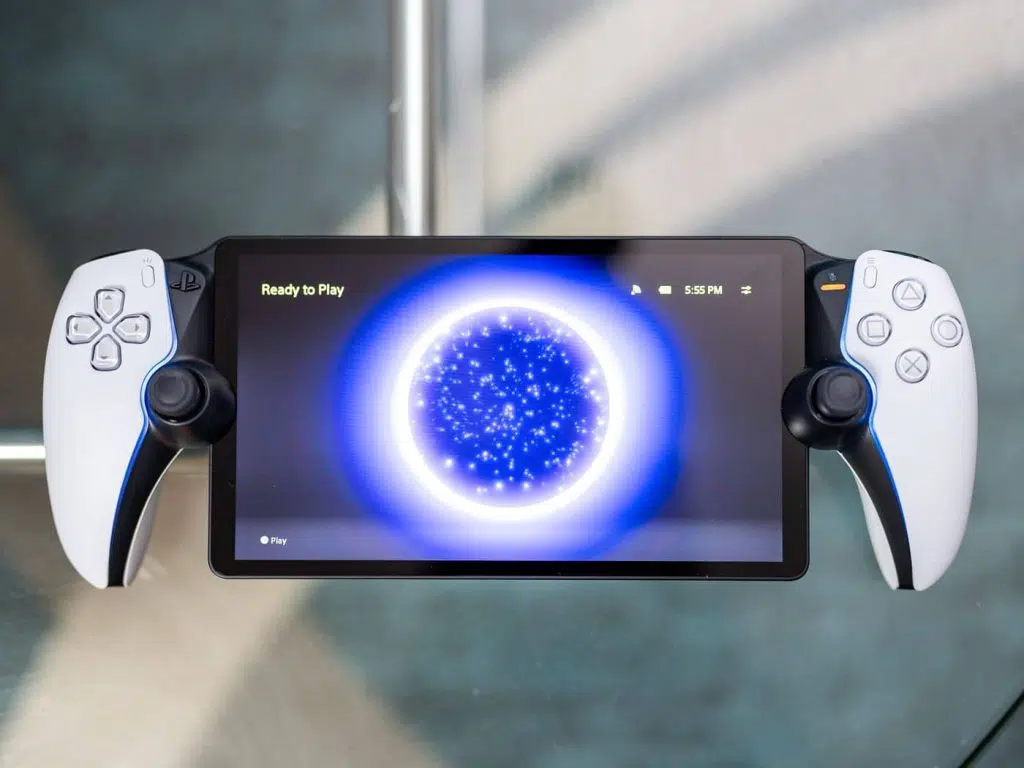
Now, let’s talk strategy. Sony’s being pretty smart about this whole thing. They know the power of the PlayStation brand, the infrastructure, and the community they’ve built. We saw it with the Portal – it’s just a remote handheld without its own processing power, but it was quite successful. People like it, and with a good internet connection, it’s actually quite playable and enjoyable. I’ve got to admit, after spending some time with it, it’s grown on me.
When you look at the price, the PS5 Pro is actually pretty close to an Nvidia 4070 Ti graphics card. Some experts are saying the PS5 Pro’s performance is roughly on par with the 4070. So, if you wanted to build a comparable PC, you’d be looking at maybe $200 more. Sony knows they can’t go much higher than this price point, but they’re still pushing it.
Here’s the thing, though – the approachability of a console compared to a PC is another asset Sony’s counting on. Not everybody has the time or inclination to tune up a computer. They just want to plug and play, get into their games without the hassle. Sony knows this, and they know they’ll likely be successful with the PS5 Pro, just like they were with the PS4 Pro, which is still an amazing console that plays titles very well.
Looking at the games situation, Sony’s only saying that 50 games at launch will have enhanced features for the Pro. Yeah we can imagine that even the resource-hungry games will run a little smoother. We can expect better ray tracing and all that jazz. But here’s where it gets interesting – this allows Sony to bring some remakes of their recent games. They can recycle their own stuff, giving us some luxury, super remastered, remade versions of their successful brands like The Last of Us. It’s a smart move, even if it feels a bit like double-dipping.
Now, let’s talk timeline. I think we shouldn’t be looking at a PlayStation 6 hitting shelves before 2027, or even 2028. The PS5 Pro should be enough to keep good gaming going for a while. Another thing to consider is how this will help PlayStation VR. The future will tell us how much of a boost PS VR games will get from this hardware upgrade.
As for the market reaction, we’re definitely monitoring the situation. While we’re not exactly thrilled for consumers who have to shell out this much money, we shouldn’t worry about demand. There will be plenty of it, and it wouldn’t surprise me if shelves are empty pretty soon after launch. We might see another wave of online shopping mayhem, with scalpers trying to make a quick profit.
The Design: Subtle Yet Significant
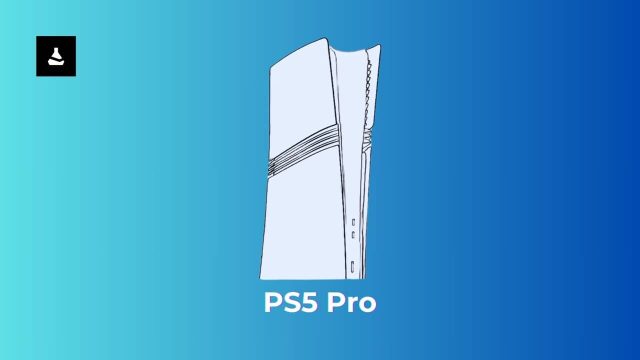
Let’s not forget about the design. There are two new stripes on the top of the console. It’s a small detail, but it does help differentiate it from the base PS5. Whether that justifies the price hike is another question entirely.
The Long Game: Future-Proofing the PlayStation Ecosystem
Now, I know some of you might be thinking, “Is this really necessary? My PS5 still works great!” And you’re not wrong. The base PS5 is still a powerful machine, and most games run beautifully on it. But Sony’s playing the long game here. They’re looking at the next few years of game development and trying to future-proof their platform.
One thing that’s got me a bit concerned is the potential for fragmentation in the PlayStation ecosystem. We saw this a bit with the PS4 Pro, where some games had “Pro Enhanced” features. It wasn’t a huge deal then, but as the performance gap widens, we might see more significant differences between base PS5 and PS5 Pro versions of games. This could lead to some frustration for base PS5 owners who feel like they’re getting a subpar experience.
Developers’ Playground: Pushing Boundaries with Power
On the flip side, this could push developers to really push the boundaries of what’s possible in console gaming. With more power to play with, we might see some truly spectacular games in the coming years. Just imagine what studios like Naughty Dog or Santa Monica could do with this extra horsepower.
The Price Debate: Worth the Cost?
But let’s be real for a second – the price is going to be a sticking point for a lot of people. $699.99 is a lot of money, especially when you consider that many people struggled to get their hands on a base PS5 not too long ago. It feels a bit soon for such an expensive upgrade. And in the current economic climate, with inflation and financial uncertainty, it’s a tough ask for many gamers.
That said, there will always be enthusiasts who want the best of the best. For them, the PS5 Pro will be a day-one purchase. And hey, if you’ve got the cash and want the best possible PlayStation experience, more power to you.
In the end, the PS5 Pro is a bit of a mixed bag. It’s an impressive piece of hardware that will undoubtedly deliver some fantastic gaming experiences. But it also feels like a product of its time – a time when companies are trying to squeeze every last drop of profit from their existing platforms. It’s not quite the revolutionary leap some might have hoped for, but it’s a solid iterative improvement that will keep the PlayStation platform competitive for years to come.
The Console Wars Continue: Will Xbox Respond?
As we look to the future, it’ll be interesting to see how Microsoft responds. The console wars are far from over, and this move from Sony is sure to elicit a response. Could we see an Xbox Series X Pro in the near future? Only time will tell.
For now, we’ll keep our eyes on the PS5 Pro as we get closer to its release. There’s still a lot we don’t know, and I’m sure Sony has a few surprises up their sleeve. Whether it’s worth the upgrade will ultimately come down to individual gamers and their priorities. But one thing’s for sure – the next few years of PlayStation gaming are going to be interesting.
So, what do you think? Are you ready to drop $700 on a PS5 Pro, or are you happy sticking with your current setup? Whatever your take, it’s an exciting time to be a gamer. Now, if you’ll excuse me, I’ve got some games to play… and maybe some pennies to start saving. Stay tuned, fellow gamers – the future of PlayStation is looking mighty interesting.
In a surprise livestream 10 minutes short event, Sony’s lead system architect, Mark Cerny pulled back the curtain on the highly anticipated PlayStation 5 Pro, revealing a powerhouse console that aims to bridge the gap between visual fidelity and performance in modern gaming.
PlayStation Youtube Channel : PS 5 Technical Presentation hosted by Mark Cerny
The “Big Three” Upgrades
Cerny outlined three critical areas of improvement for the PS5 Pro, which he dubbed “the big three”:
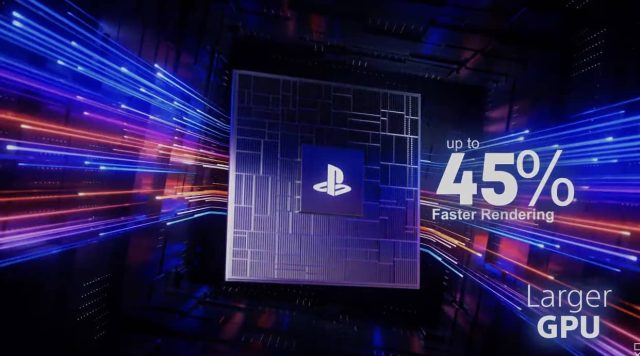
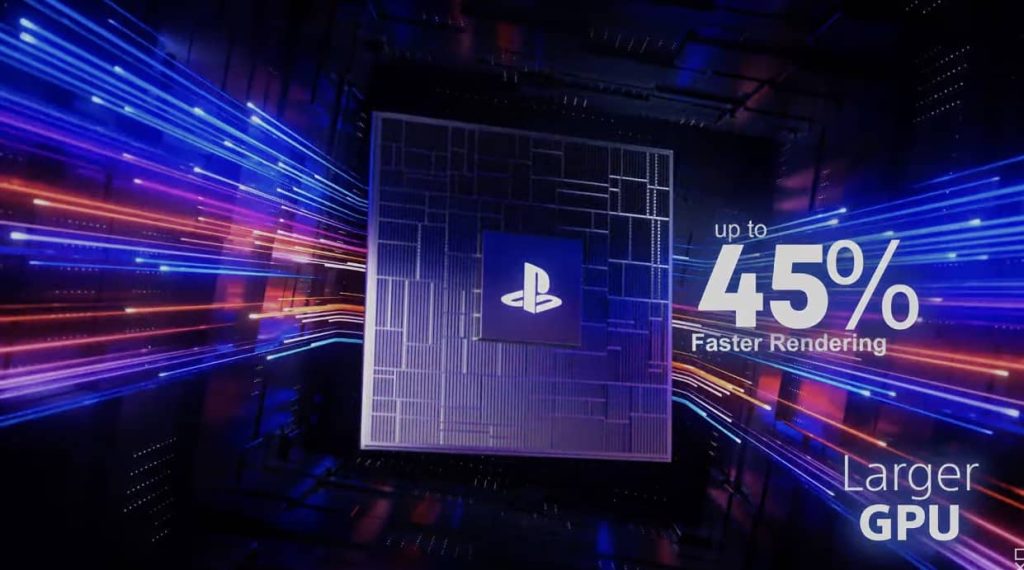
Enhanced GPU and Memory: The PS5 Pro boasts a significantly larger GPU paired with faster memory, rendering up to 45% faster than the base PS5.
Ray Tracing Revolution: Major upgrades to ray tracing capabilities allow for calculations at double or even triple the speeds of the original PS5, promising more realistic lighting, reflections, and shadows.
AI-Powered Upscaling: Introducing custom machine learning hardware and a proprietary AI library called PlayStation Spectral Super Resolution (PSSR) enables pixel-by-pixel image analysis to dramatically boost effective resolution.
The End of the Graphics Mode Dilemma?
A central theme of Cerny’s presentation was addressing the increasingly common “graphics mode” choice in modern games. Players often face a tough decision between 30 fps “Fidelity” modes that prioritize visual quality and 60 fps “Performance” modes that sacrifice some graphical elements for smoother gameplay.
Cerny revealed that when given the choice, about 75% of players opt for Performance mode, highlighting a clear preference for higher frame rates. The PS5 Pro aims to deliver the best of both worlds, targeting what Cerny described as “almost Fidelity-like graphics at performance frame rates.”
Games Showcased
Several titles were used to demonstrate the PS5 Pro’s capabilities:
The Last of Us Part II: Shown running at 60 fps with significantly more detail compared to the base PS5’s 30 fps Fidelity mode.
Marvel’s Spider-Man 2: Demonstrated sharper visuals and higher resolution, particularly noticeable in distant objects and procedurally generated elements like traffic.
Ratchet & Clank: Rift Apart: A parade scene highlighted the PS5 Pro’s ability to render distant details with much greater clarity.
Horizon Forbidden West: Improvements extend beyond resolution, with enhanced lighting, visual effects, and more detailed character models in cinematics.
Gran Turismo 7: Now features ray-traced reflections between cars during gameplay while maintaining 60 fps.
Hogwarts Legacy: Showcased improved reflections, a greater variety of reflective surfaces, and more realistic shadow casting.
Technical Deep Dive
Cerny provided insights into how developers are leveraging the PS5 Pro’s new capabilities:
PSSR AI Upscaling: This machine learning technology is widely adopted to add pixel detail and boost frame rates across various game engines.
Raw GPU Power: The increased graphics processing capability enables games like Horizon Forbidden West to improve lighting, visual effects, and character detail in gameplay and cutscenes.
Enhanced Ray Tracing: The faster ray tracing hardware allows developers to implement more advanced lighting techniques while maintaining higher frame rates.
“The Most Powerful Console We’ve Ever Built”
Cerny called the PS5 Pro “the most powerful console we’ve ever built,” positioning it as a significant leap forward in the PlayStation ecosystem. The presentation emphasized that the PS5 Pro is designed to give developers the tools to realize their most ambitious visions while delivering the high frame rates that players prefer.
What We Still Don’t Know
Despite the wealth of technical information provided, several key details about the PS5 Pro remain unclear:
Release Date: No specific launch window was announced.
Pricing: The cost of the new console should have been discussed.
Backward Compatibility: While implied, there was no explicit confirmation of full compatibility with the existing PS5 library.
Storage Capacity: Details on the internal SSD were not provided.
Physical Design: The appearance of the PS5 Pro was not revealed.
Industry Implications
The unveiling of the PS5 Pro raises questions about the future of console generations. With mid-cycle upgrades becoming more common, the line between console generations blurs. This move by Sony could pressure competitors to respond, potentially accelerating the arms race in console hardware.
For developers, the PS5 Pro presents both opportunities and challenges. While the additional power allows for more ambitious projects, it also introduces another hardware target to optimize for in the PlayStation ecosystem.
Looking Ahead
As the gaming industry digests the details of the PS5 Pro, all eyes will be on Sony for more information about the console’s release plans and pricing strategy. Additionally, gamers and analysts alike will be keen to see how developers leverage these new capabilities in upcoming titles and updates to existing games.
The PS5 Pro represents Sony’s commitment to pushing the boundaries of console gaming. By aiming to deliver high-fidelity visuals at the frame rates players demand, Sony is betting that this mid-generation upgrade will keep the PlayStation platform at the forefront of the gaming industry for years.
Right from the start, the buzz around the PlayStation 5 Pro has been relentless, and for good reason. According to billbil-kun, one of the most reliable sources for gaming leaks, the PS5 Pro is set to make its grand entrance in September 2024. This isn’t just another mid-gen refresh—it’s a serious upgrade.
Imagine a PS5 Slim beefed up and given a sleek new design with three bold black bands cutting across the familiar white exterior. The design isn’t just about looks either; it signifies the significant internal enhancements that make this console a true step forward.
Inside the Machine: Performance Upgrades and Tech Innovations
The heart of the PlayStation 5 Pro lies in its impressive 45% power boost over the original PS5. But the real game-changer here is PlayStation Spectral Super Resolution (PSSR), Sony’s new upscaling technology designed to make ray tracing smoother and more immersive than ever before.
Developers who got an early peek, like one anonymous dev at Gamescom, were reportedly blown away by how Unreal Engine 5 performs on the Pro, describing it as a whole new level of smoothness and visual fidelity.
Digital-Only Future? Sony’s Risky Bet
Perhaps the most controversial rumor is that Sony might be going all-digital with the PS5 Pro, potentially ditching the disc drive entirely. This move would reflect a significant shift in how Sony views the future of gaming, pushing more towards a digital-only ecosystem. While this might seem like a bold move, it’s not without its risks—particularly for gamers who still value physical media.
DualSense Stays: If It Ain’t Broke, Don’t Fix It
Despite all the upgrades, Sony appears to be sticking with the tried-and-true DualSense controller for the PS5 Pro. This might disappoint those hoping for a completely new experience, but it’s hard to argue with the DualSense’s success. The question is whether Sony has some special editions or minor tweaks up its sleeve to complement the Pro’s new capabilities.
The Strategic Release: Timing and Market Impact
Sony’s timing with the PS5 Pro seems meticulously planned. According to Lorenzo Fazio, a respected Italian journalist, some developers are already delaying their game releases to coincide with the Pro’s launch, aiming to take full advantage of its enhanced features. With a launch window around late 2024 or early 2025, and with major events like Tokyo Game Show 2024 on the horizon, all signs point to a carefully orchestrated reveal that could shake up the market.
What’s Next for Gamers: Expectations and Realities
As we approach the PS5 Pro’s expected release, the gaming community is filled with both anticipation and questions. Will the PS5 Pro live up to the hype? Can it deliver the 4K60fps or even the 4K120fps experience gamers have dreamed of? While it’s too early to say for sure, one thing is clear: Sony is once again positioning itself as a leader in the console wars, and the PS5 Pro could be the weapon that keeps it on top.
During Gamescom 2024 in Cologne, Germany, Xbox executives Phil Spencer and Sarah Bond faced some strategic questions about the future of Xbox. The interview, broadcast on the Xbox On YouTube channel, revealed much about Microsoft’s current strategies—though not without sparking skepticism among fans and industry observers.
A New Era for Xbox 2024 and Beyond?
When asked about the atmosphere at Gamescom, Sarah Bond painted a picture of excitement and innovation, calling it “an entire wonderland” filled with immersive experiences that go beyond mere gameplay. Spencer echoed this sentiment, emphasizing the event’s importance in showcasing the strength and resilience of the gaming industry, especially in Europe. But beneath the surface, their words hinted at a deeper narrative—one of transition and strategic repositioning.
Spencer’s notes of the industry’s ongoing transitions was telling. He mentioned, “The industry’s gone through a lot of transitions… we need more of this in the industry.” This could be seen as a subtle nod to Microsoft’s challenges in maintaining its relevance in a rapidly evolving landscape. The very fact that they’re emphasizing the scale of Gamescom and their European presence so heavily suggests a strategic pivot—one that’s not just about showcasing games but also about reinforcing Xbox’s relevance in markets traditionally dominated by competitors like PlayStation.
Game Pass—A Double-Edged Sword?
Game Pass remains the cornerstone of Xbox’s strategy, with Sarah Bond proudly stating the inclusion of over a dozen Game Pass titles in the Gamescom showcase. “Game Pass titles… are coming to the show,” Bond said, underscoring Xbox’s commitment to the subscription model as a key differentiator. Yet, the very success of Game Pass raises questions about the long-term viability of Xbox’s hardware business.
The debate on Reddit captures this tension well. While some gamers appreciate Game Pass’s value, there’s a growing concern that this focus on a subscription model could lead to the devaluation of the Xbox console itself. “Is Xbox slowly transitioning into just another game service provider?” many wonder. The anxiety is palpable, with some fearing that this strategy could ultimately diminish the Xbox brand, especially if it leads to fewer exclusive titles—a key battleground in the console wars.
The Multiplatform Quandary
Phil Spencer’s comments on Xbox’s evolving multiplatform strategy have further stirred the pot. He pointed out that Xbox launched four games on multiple platforms last spring, including PlayStation and Switch. Spencer framed this as a learning experience, suggesting that Xbox is strengthening its franchises across different ecosystems. “Our franchises are getting stronger… Xbox console players are as high this year as they’ve ever been,” he remarked.
However, this strategy has its critics. Many Xbox fans are concerned that by making their titles available on rival platforms, Xbox is undermining its own hardware. The phrase “Xbox has no games” has echoed across forums, but now the sentiment is shifting towards, “Why own an Xbox when you can play its games elsewhere?” This multiplatform approach might be broadening the reach of Xbox titles, but it also raises questions about the necessity of owning an Xbox console.
Xbox On
European Focus—A Strategic Shift?
Both Bond and Spencer highlighted the importance of Europe to Xbox’s future, with Bond noting that Xbox has over 2,000 partners in the EMEA region actively building games for Xbox, PC, and cloud. This focus on European partnerships might be a strategic attempt to gain ground in a market where Xbox has traditionally lagged behind PlayStation. But is this enough to tip the scales?
The emphasis on Europe could be seen as a recognition that Xbox needs to bolster its presence in markets outside of North America to sustain growth. By nurturing local partnerships and showcasing titles like ‘Stalker 2’ and ‘Winterboro’ at Gamescom, Xbox is making a play for the European audience. This strategic shift offers hope for a more competitive gaming landscape, challenging PlayStation’s dominance in the region.
Hardware—Innovation or Iteration?
The announcement of new Xbox Series X and S options, with pre-orders starting immediately and a launch date set for October 15th, was another key interview highlight. Bond teased some “cool accessibility options” and new console wraps for the holiday season. However, the lack of detail left many gamers wanting more.
Is this simply another iteration of existing hardware, or is Xbox planning something more revolutionary? Spencer’s mention of titles like “Call of Duty: Black Ops 6” and “Indiana Jones” coming to the platform serves to bolster the appeal of the new consoles, but without concrete details, it’s hard not to wonder if these announcements are more about maintaining momentum than introducing groundbreaking innovations.
Reading Between the Lines
There’s a lot to unpack from this Gamescom interview, and not all of it inspires confidence. The emphasis on multiplatform releases and Game Pass suggests a shift away from traditional console exclusivity. This might be good for gamers who want to access Xbox titles without committing to the hardware, but it also raises questions about the future of Xbox as a distinct platform.
Spencer’s mention of “more change in how some of the traditional ways that games were built and distributed” could hint at even bigger shifts on the horizon—perhaps a move towards a more service-oriented model where hardware takes a back seat. This could be a bitter pill for fans of the Xbox console.
The Reddit Backlash
The skepticism expressed on Reddit reflects broader concerns within the gaming community. The fear that Xbox is slowly transitioning away from being a hardware-driven brand is real, and it’s causing a rift among fans. Many are questioning the long-term strategy, wondering if Xbox is pivoting towards becoming more of a software and services company rather than a hardware manufacturer.
Moreover, the communication from Xbox leadership is coming under fire. Fans describe the messaging as vague, corporate, and overly focused on talking points that don’t address the community’s real concerns. This disconnect between Xbox’s leadership and fanbase could be a significant challenge if not addressed.
Conclusion—A Crossroads for Xbox
Xbox’s presence at Gamescom 2024 was undeniably impressive. Still, the underlying messages from Spencer and Bond suggest a company at a crossroads. The focus on multiplatform strategies, Game Pass, and European partnerships indicates a broader shift in how Xbox sees its role in the industry. But with this shift comes uncertainty about the future of Xbox hardware, the value of exclusivity, and the long-term sustainability of Game Pass as a business model.
As Xbox continues to navigate these transitions, the reactions from fans and the broader gaming community will be crucial in shaping its path forward. Whether Xbox can maintain its identity in this evolving landscape remains to be seen. What’s clear, however, is that the company’s next moves will be critical in determining its future as a major player in the gaming industry.