Estimated reading time: 7 minutes
Unreal Engine 5 Performance Benchmarks in the Jungle
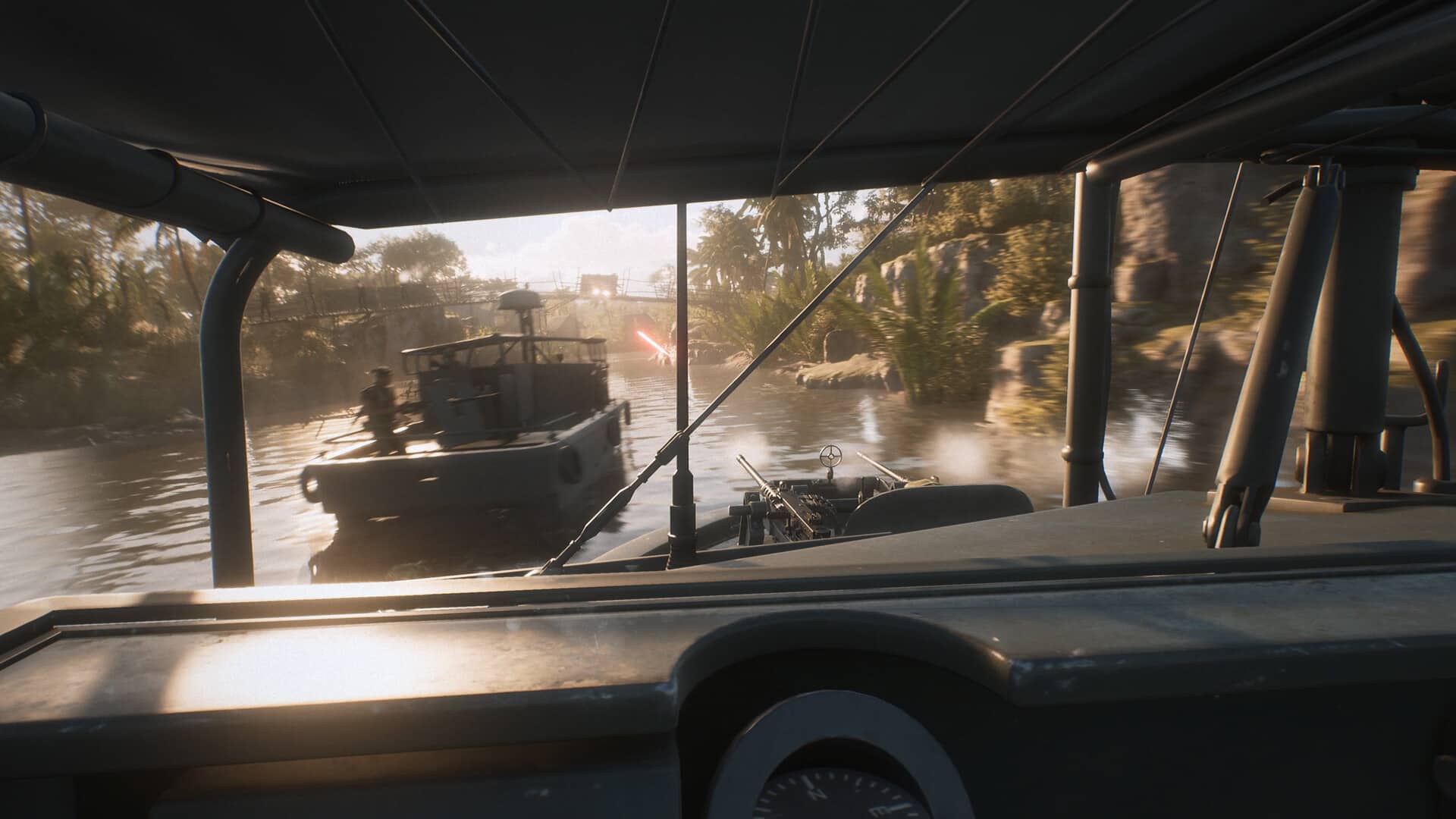
I spent some time with the recent playtest build of Hell Let Loose: Vietnam, and my immediate concern going into the game was the major architectural leap to Unreal Engine 5. As a seasoned player of the original Hell Let Loose, a title I still owe a proper review for and plan to deliver soon, ehm.., I am thrilled to see this tactical follow-up taking shape under Expression Games and Team17. Upgrading a highly demanding, large-scale tactical shooter framework to a completely new engine can easily break performance metrics, but the technical implementation during this test window felt remarkably stable. On my higher mid-range PC setup, the performance profile comfortably maintained well above 100 FPS during chaotic 50v50 server testing, closely matching the optimization baseline of the original title.
The aesthetic shift is immediately clear when deploying across newly designed, historically inspired arenas like the Thanh Hóa Bridge or looking over the vast layouts of the Đák Tô Airfield. The jungle environments and military infrastructure capture an authentic, muddy wartime atmosphere, defined by a distinct patina in the color grading that makes Southeast Asia feel vibrant and colorful compared to the gray, bleak European battlefields of World War II. According to the Hell Let Loose: Vietnam Wikipedia page, this complete visual reconstruction involved reworking the legacy codebase completely from the ground up to utilize advanced modern rendering systems. This design choice creates a landscape that feels technically sound and alive ahead of the official digital launch on June 18, 2026. The environment breathes naturally, supported by an organic soundscape where detailed ambient elements, such as frogs reacting to nearby combatants, provide a massive layer of realism to the background.
Asymmetric Frontlines and Complete Movement Freedom
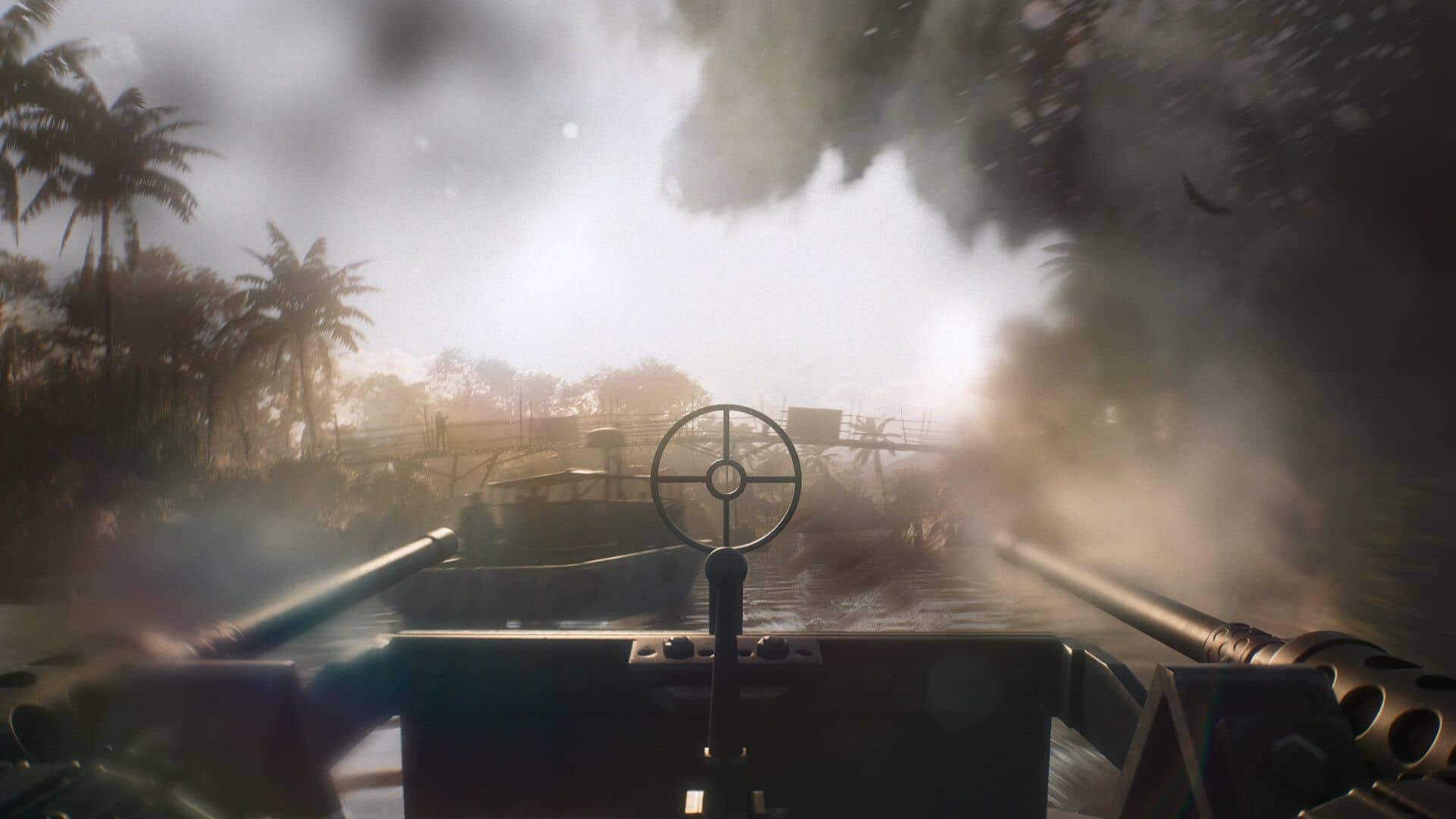
The underlying tactical gameplay loop will feel completely familiar to series veterans, preserving the foundational reliance on squad coordination, logistics management, and resource networks. Teams will fall straight back into establishing strategic outposts, maintaining active resource nodes, and executing commander requests across the 6 large-scale launch maps. However, the developer is directly integrating the conflict’s historical asymmetry into the baseline mechanics. The United States Armed Forces rely heavily on air dominance, utilizing fully operational transport and gunship helicopters for rapid aerial insertions and remote supply drops. Conversely, the North Vietnamese Army counters this extreme mobility by constructing complex, hidden tunnel networks that function as mobile squad spawn hubs to execute stealth ambushes.
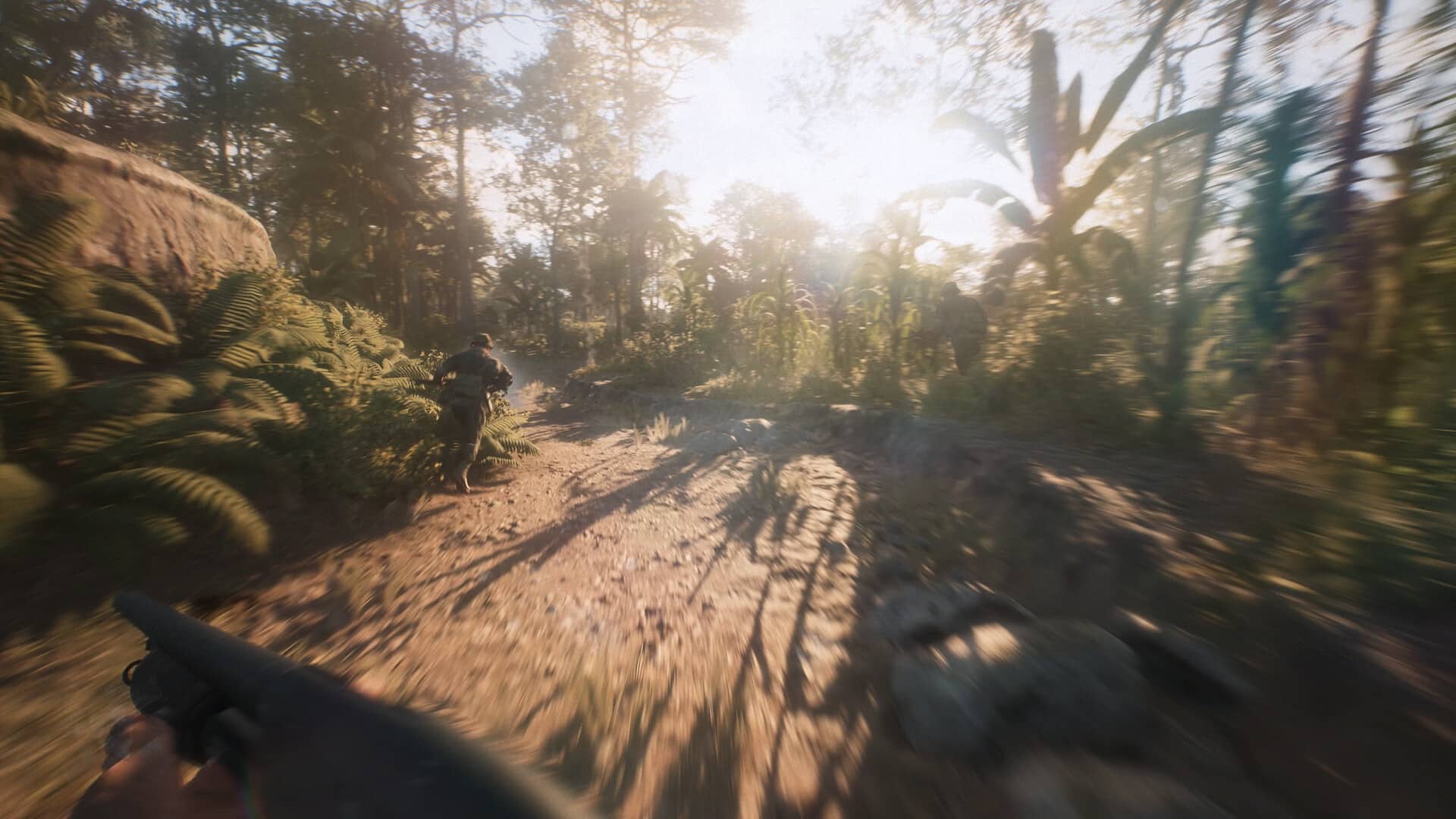
Navigating these dense environments feels far superior to the original game because player movement parameters have been completely overhauled to include functional swimming mechanics, ladder climbing, and fast crawling. In the original title, stepping into deep water meant drowning in a couple of seconds, which artificially choked flanking strategies. Now, the ability to swim across deep river channels adds an incredible layer of realism and freedom of maneuver. This updated player framework also includes a physical dragging mechanic, allowing you to grab wounded co-combatants out of active lines of fire so medics can revive them safely behind cover. For an overview of how these server mechanics held up under load, the Zing.cz Open Beta Report details the core stability and performance noted by players during the public testing phase.
The Muted Headshot Tragedy and Sensory Distortion
This tactical progression expands into 17 specialized roles distributed across 6 distinct unit choices, which includes Command, Infantry, Recon, Armor, Mortar Squads, and dedicated Helicopter crews. Ground infantry units receive an impressive selection of period-accurate hardware, giving the NVA access to the dependable old Kalashnikov and a unique anti-aircraft infantry role explicitly tasked with shooting down American air units to protect their territory. The US forces counter with specialized squad weapons, notably the heavy M60 machine gun, nicknamed “The Pig,” which provides vital suppressive fire through the thick jungle canopy. There are also standalone Mortar Squads featuring dedicated Observer, Support, and Gunner configurations to lock down strategic points via indirect high-explosive and smoke fire based on precise map markers.

Adding helicopters introduces a critical vertical layer, allowing gunships to rain down heavy ordnance from above, which heavily reshapes the balance between ground units and the skies. When that heavy ordnance hits near your position, the game hits you with a raw intensity that brings the feeling of the war incredibly close to your own skin. The sudden onset of high-pitched tinnitus completely blocks out your squad’s vital radio chatter, while the severe screen shaking and heavily distorted, blurred vision perfectly capture the absolute panic of mortar suppression under a dense canopy.
Amidst these sweeping updates, my single greatest personal critique from the playtest involves the audio design feedback. The legendary, highly rewarding headshot crunch sound from the original title remains one of the single most iconic audio effects in gaming history for me:), providing an unmatched level of audio confirmation. In this build, the headshot sound feels noticeably weaker and completely lacks that definitive, skull-snapping punch. Clear audio cues are absolutely crucial when blind-firing through a dense canopy, making this a major subjective point I hope to see addressed before launch. Furthermore, it will be interesting to see if the Unreal Engine 5 physics configuration maintains the classic emergent humor of the series, like the hilariously chaotic explosion physics that frequently toss ragdolled soldiers into funny positions. To trace the ongoing adjustments to individual classes and weapon balancing, players can follow the detailed breakdowns posted on the Steam Community Developer Hub where team logs outline weekly weapon updates.
Leadership, Crossplay and Launch Parameters
Onboarding is an area where this title clearly outclasses the original game, which famously dropped new players into an empty sandbox shooting range with zero direction. This build offers a highly structured, guided tutorial with clear objectives and a narrator who explains the baseline logic, creating an entry experience that easily rivals or exceeds that of competitors like Squad. To safeguard the tactical integrity of matches, developers have implemented strict tutorial gating, meaning high-responsibility positions like Squad Leader or Commander remain locked until you finish their respective training scenarios. You are not a high-speed, jumping super-soldier like the characters found in modern Call of Duty or Battlefield releases, as the design forces you to participate in the grinding, calculated reality of simulated conflict.

Launching via the Steam Store Page prompts an immediate link to the Epic Games account. While external account prompts often aggravate PC communities, this specific integration is completely skippable, so nobody needs to worry about it being an absolute blocker. Personally, I like the inclusion because I own the first game on the Epic Games Store from a free promotion. Integrating these launcher ecosystems provides a solid foundation for a unified crossplay network, ensuring that PC players on Steam or Epic can seamlessly join matches with console users on PlayStation 5 and Xbox Series X|S.
The digital standard edition officially launches on June 18, 2026, for $39.99, and players can view pricing options directly on the Epic Games Store Page. For console-specific pre-orders, the digital version is active on the Xbox Series X|S Digital Store , while physical retail discs arrive on August 4, 2026, which bargain hunters can track on secondary marketplaces like the G2A Marketplace (affiliate).