Home Authors Posts by Petko

Petko

217 POSTS 0 COMMENTS

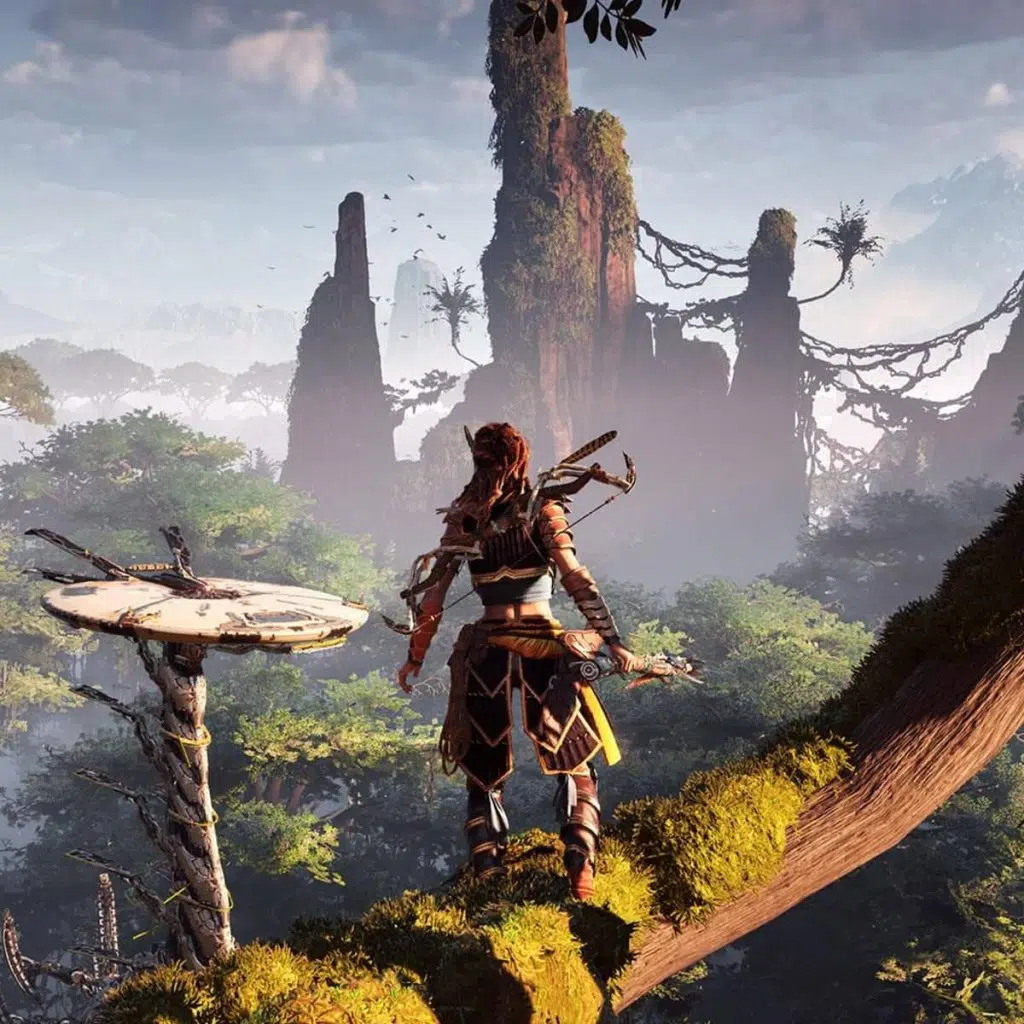
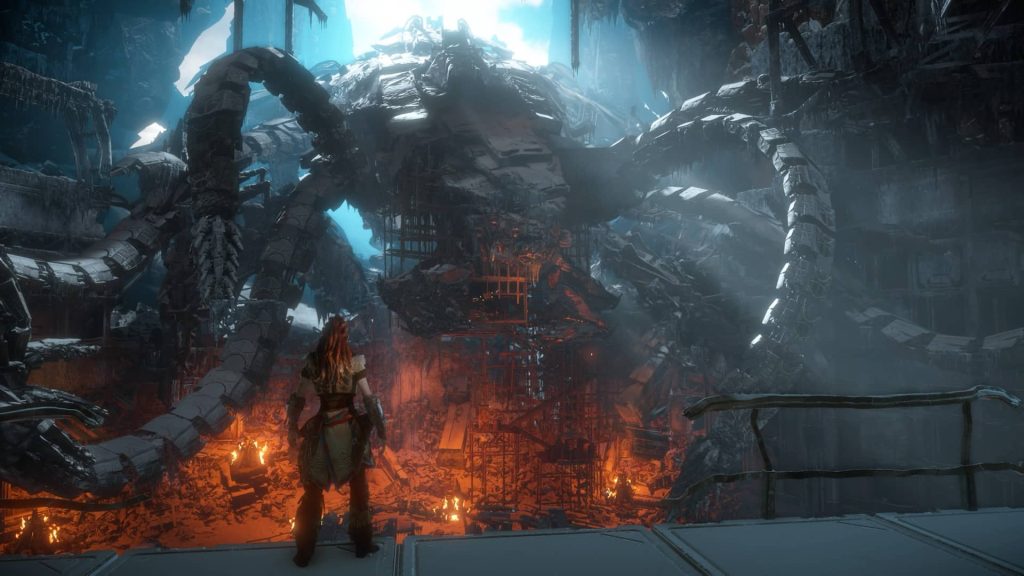
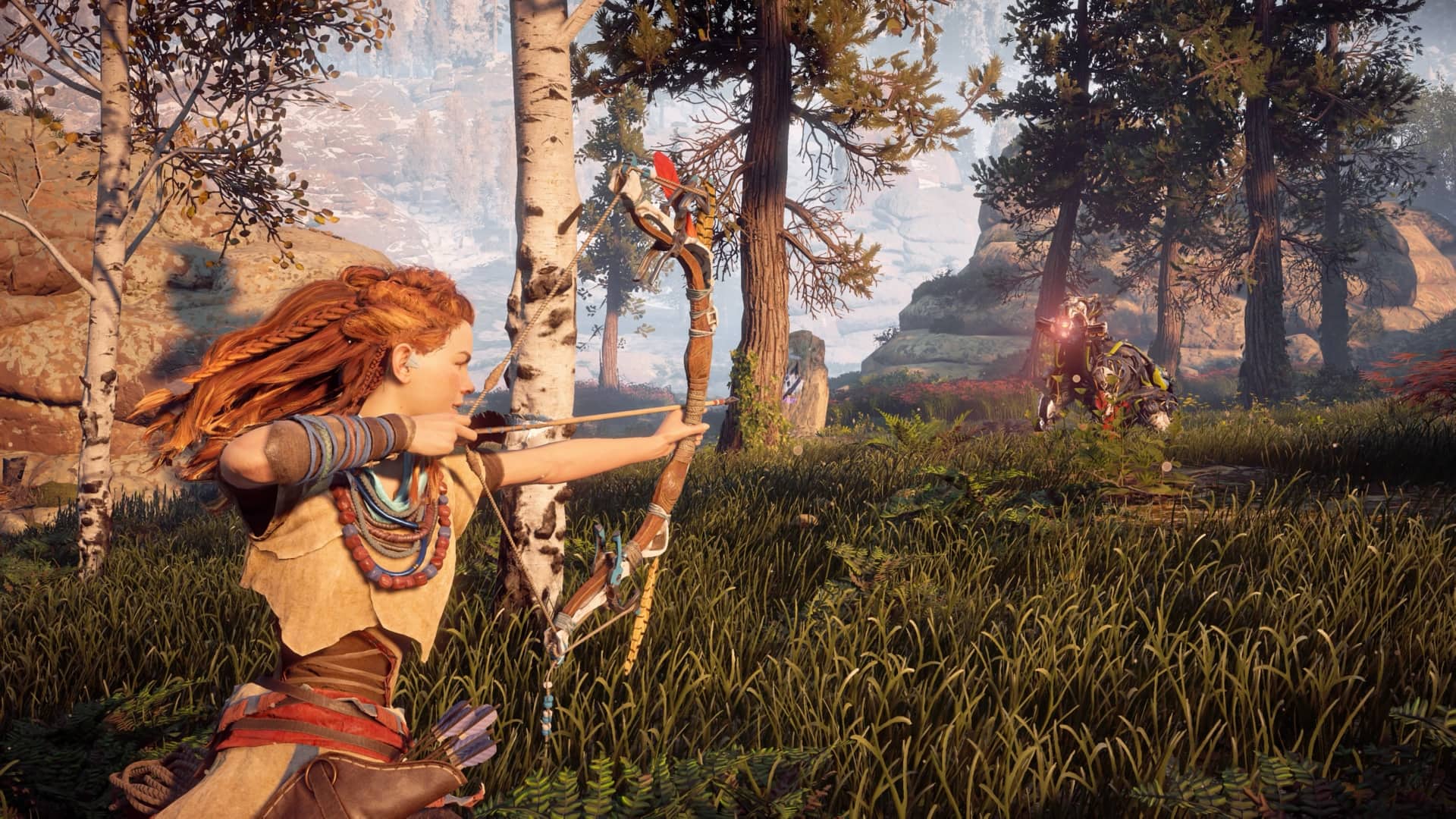
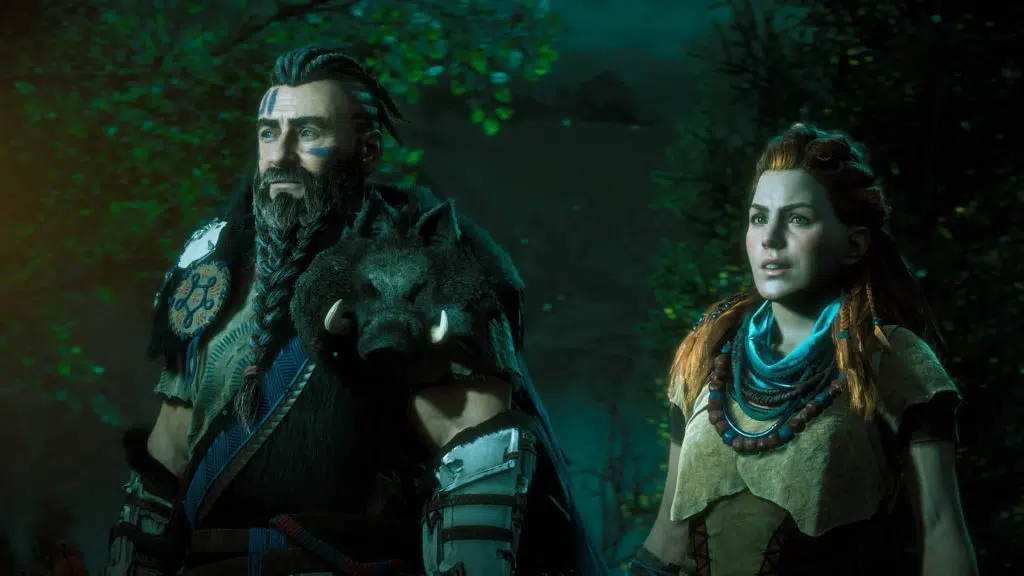
Horizon Forbidden West: Aloy’s Adventure is Worth Every Minute
Horizon Forbidden West Feature
Horizon Forbidden West Feature Picture

Title: Horizon Forbidden West: Complete Edition
Developer: Guerrilla Games
Publisher: Sony Interactive Entertainment
Released: February 18, 2022 (PS4/PS5), March 21, 2024 (PC)
Platforms Available: PlayStation 4, PlayStation 5, PC Game
Platform Reviewed: PlayStation 5
Article Reading Time: 11 minutes

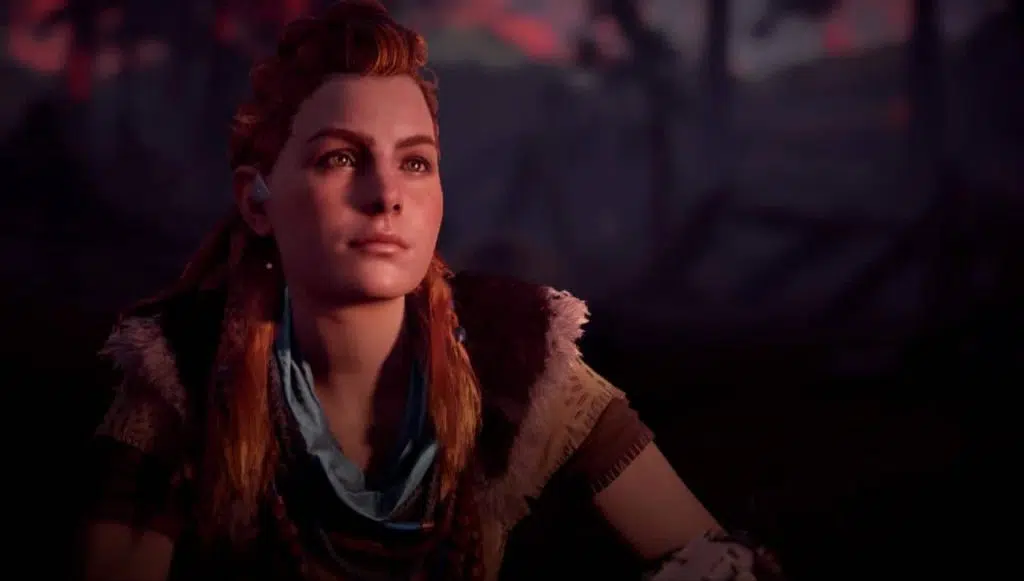
The Return of Aloy

Open-world action RPG adventure games have had it rough lately. You may have an excellent narrative title with a nice story but many technical problems… Or it involves insane grind and repetitive tower taking, resource gathering, and repetitive activities. Yes, I’m looking toward Assassin’s Creed or Far Cry, but I’m also looking at Dying Light 2. That’s why it’s great that I’ve completed around 50 hours in the world of Horizon: Forbidden West and I can tell you straight away that this title is a godsend for sci-fi lovers. If you liked Zero Dawn, you might get used to a few things, but you’ll love every change, and if you’ve been avoiding Horizon – maybe now is the time to get interested in the franchise.
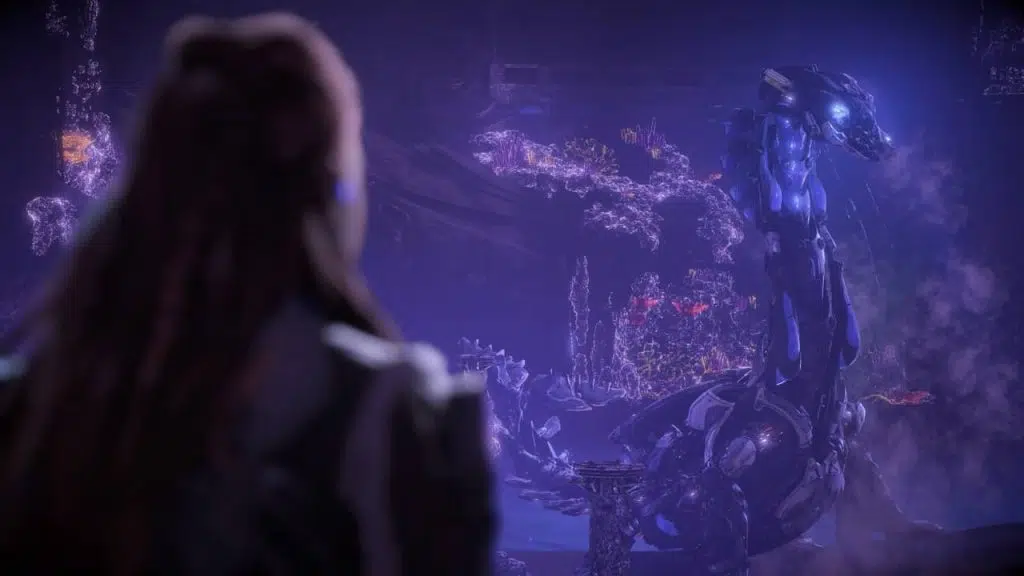
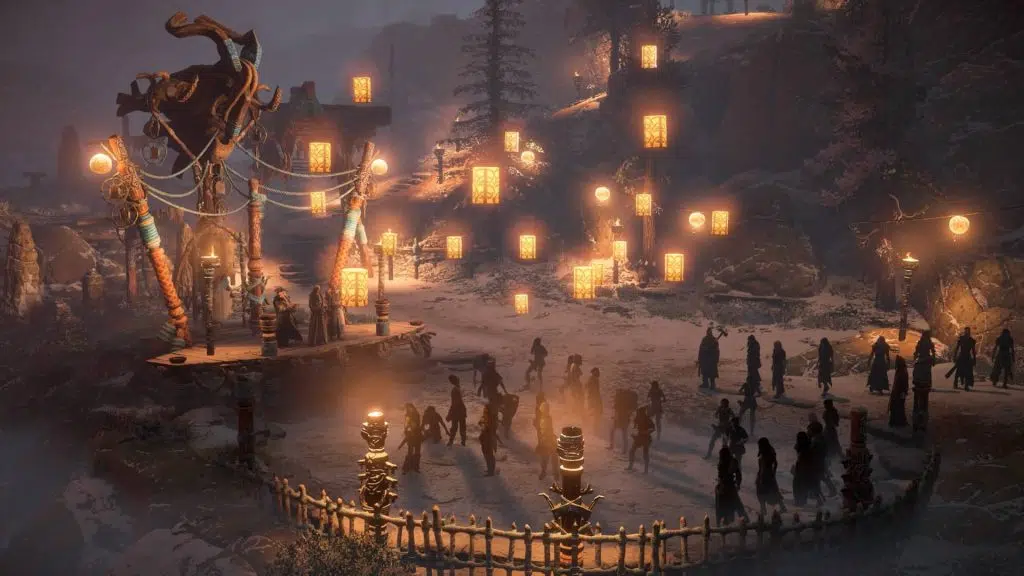
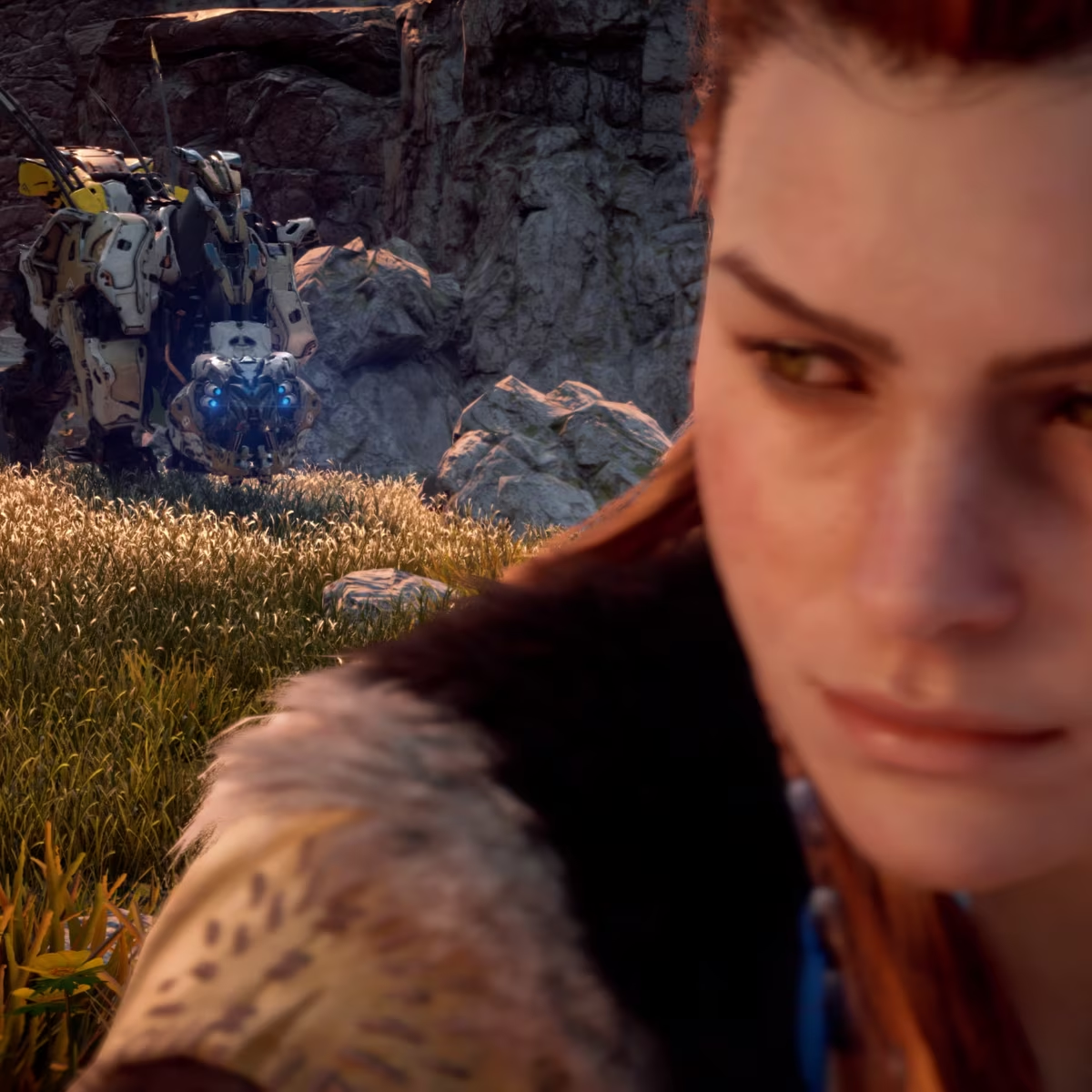
In Horizon: Forbidden West, you take on the role of Aloy as you try to save the world. You do this by searching for ways to find a backup to the terraforming system that should have saved the planet long ago. As nature begins to wither, areas become uninhabitable, and everyone realizes that something is failing somewhere. Aloy searches for the backup of the central GAIA system as far west as the West, where she meets many new characters. She will become involved in the war of several tribes in No Man’s Land, helping various settlements defend themselves from the raids of Regalla, a powerful warrior who has learned to control machines. It’s up to you to traverse the territory, find Gaia, survive, and restart the system.

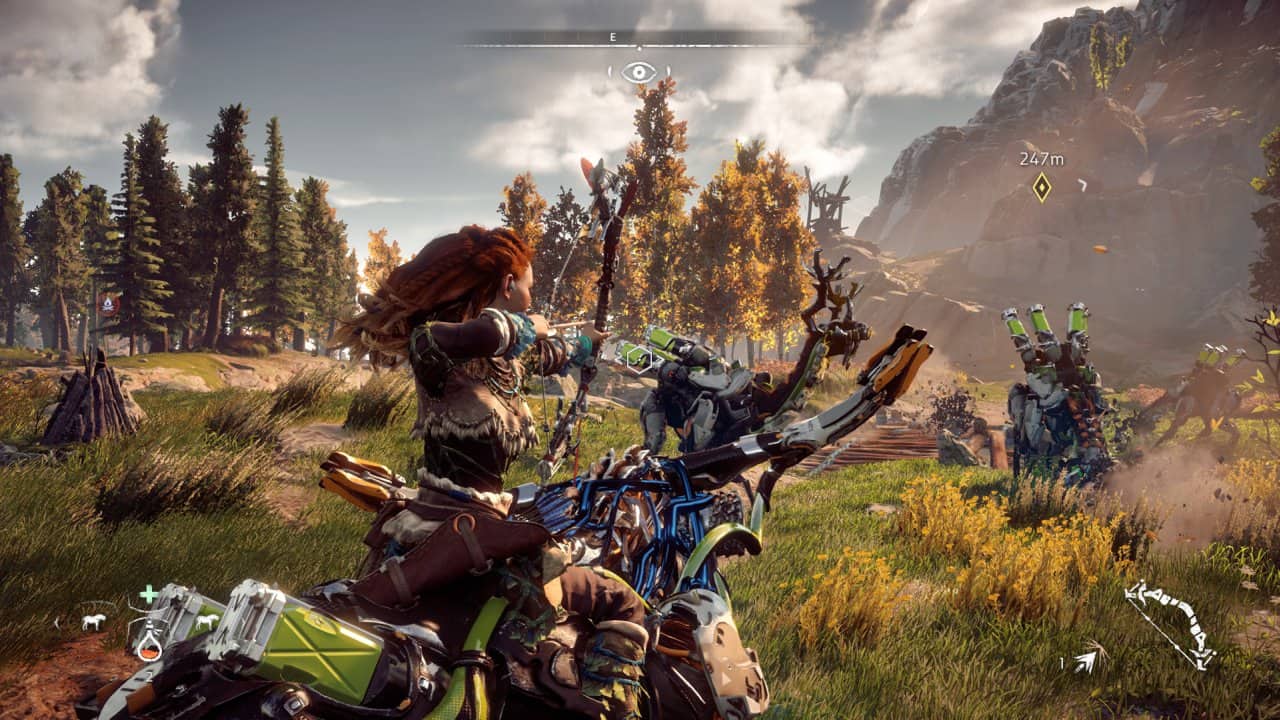
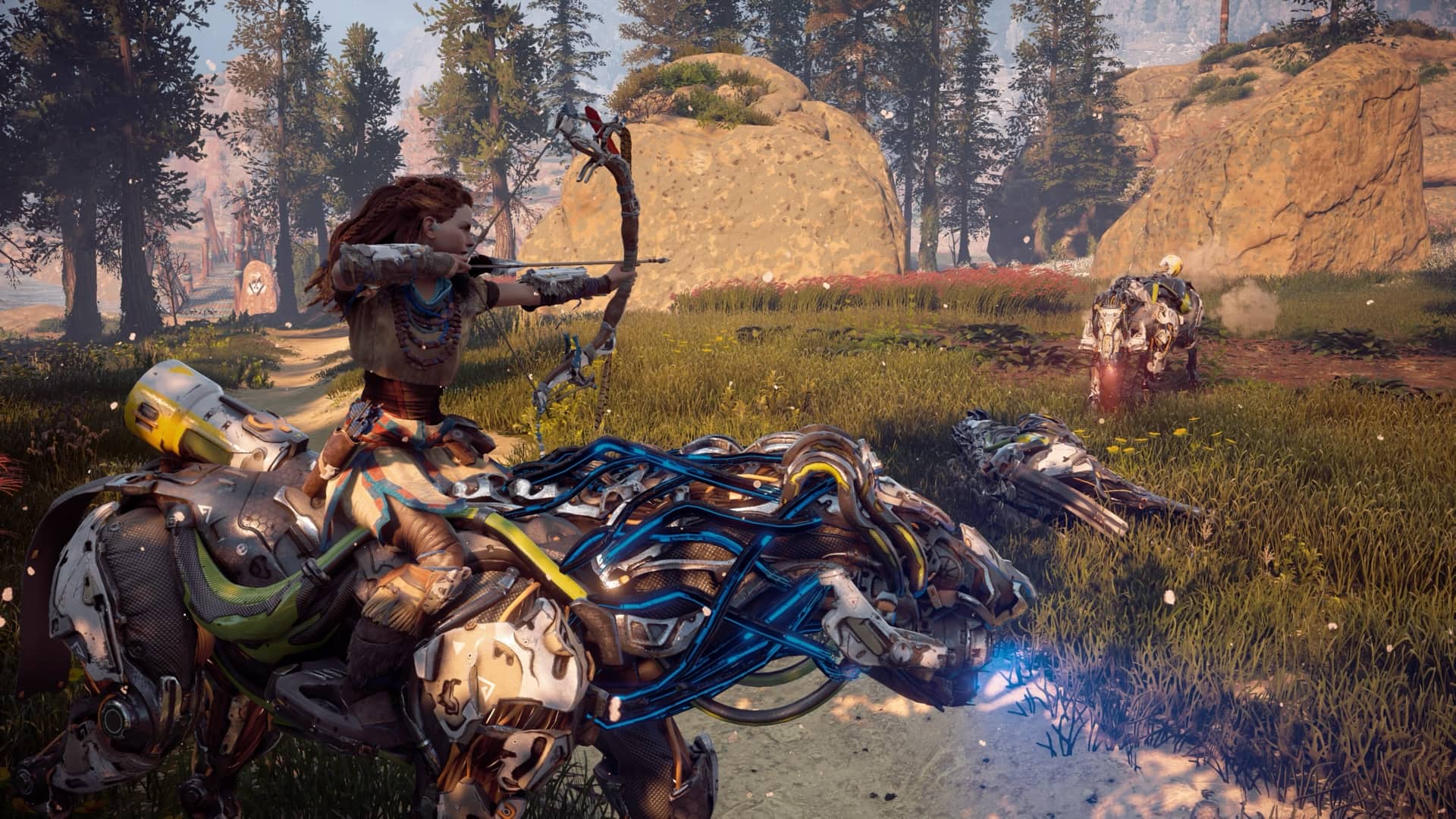
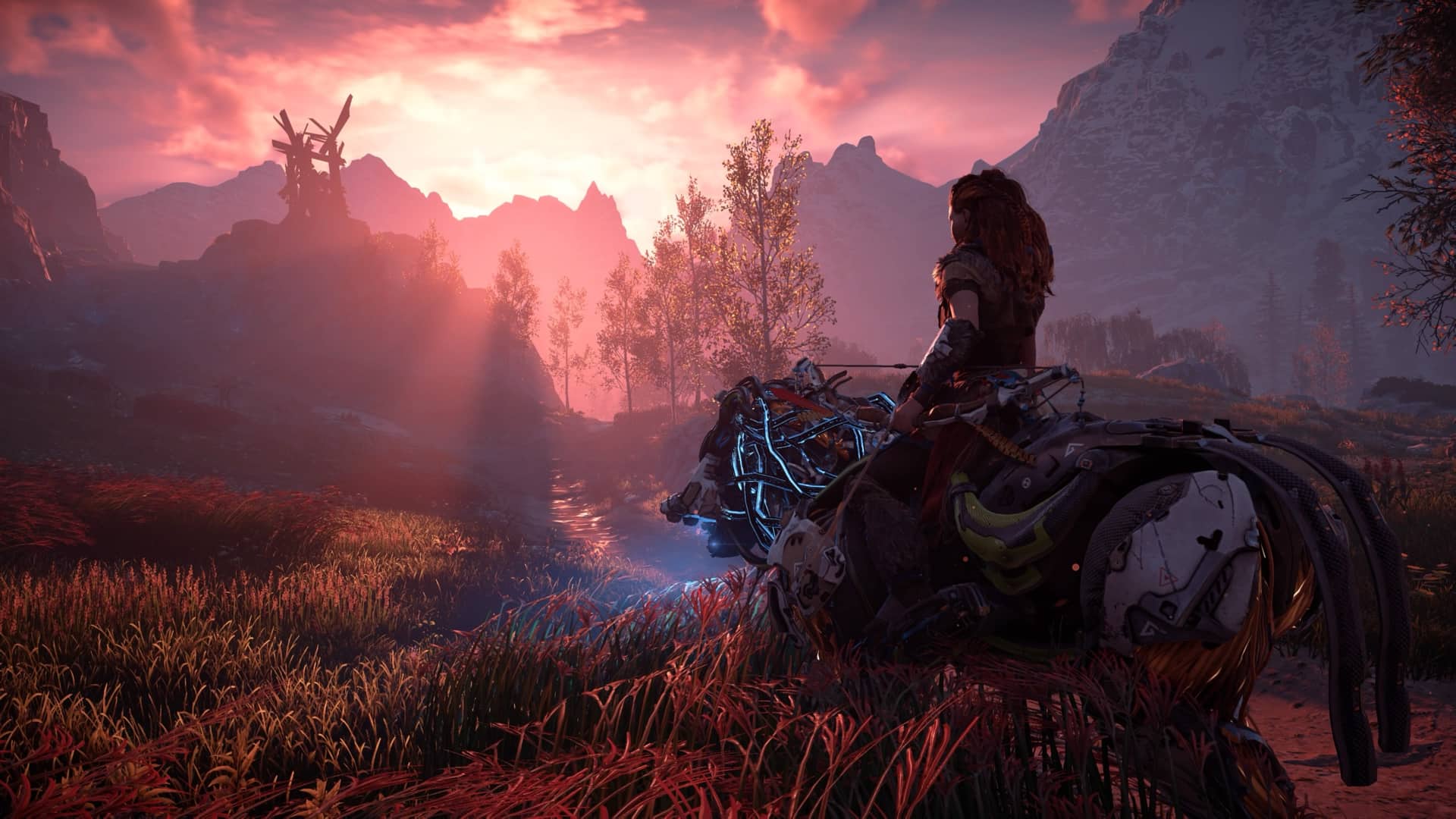
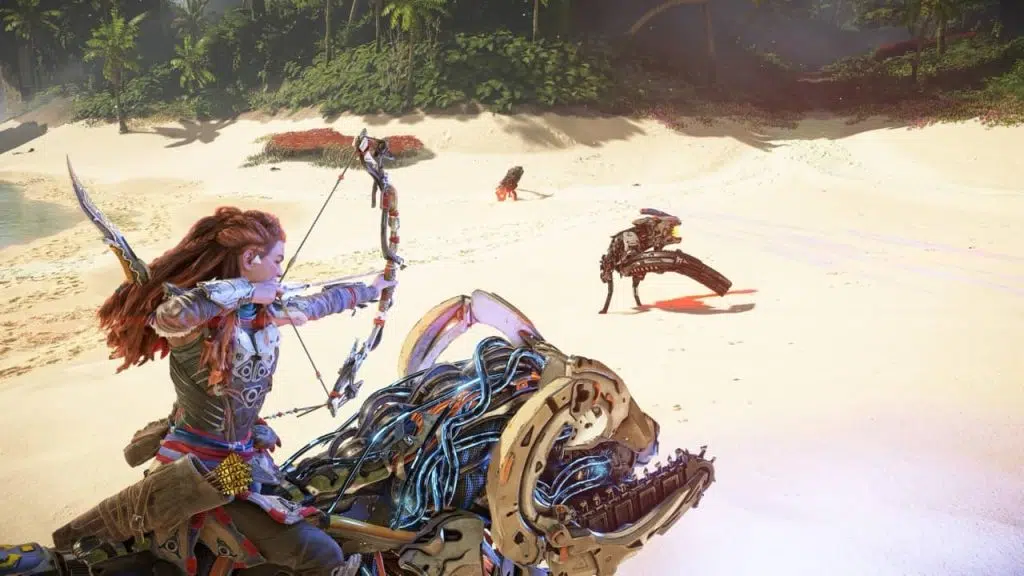
WePlayGames.net Youtube Channel: Forbidden West – Aloy Riding Charger

Continuity and Familiarity

As this is the second part, it’s natural to expect some limitations. However, Guerrilla Games has managed to maintain a sense of continuity that I haven’t experienced in a sequel before. Aloy hasn’t lost most of her abilities from Zero Dawn. Sure, she’s lost some equipment – but this loss is story-justified. Her spear, armor, and abilities are largely consistent with Zero Dawn, which creates a comforting sense of familiarity. Those who played the previous installment won’t feel defenseless and can start mowing down machines the old-fashioned way right from the start. And newcomers will get a fresh start, which I absolutely recommend, by the way.
Skill Trees and Combat Styles

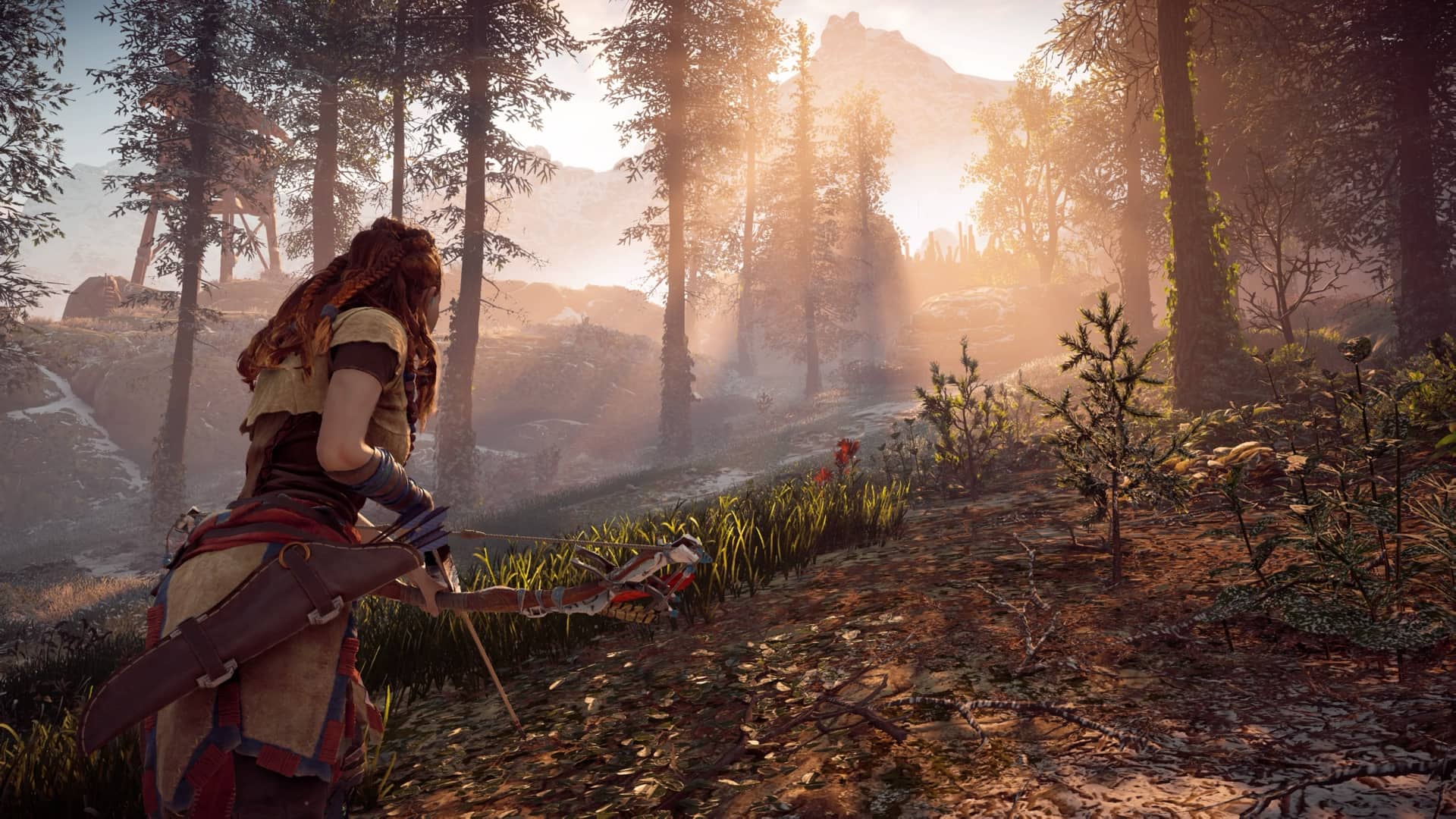
The tree is divided into 6 parts – Warrior, Woodswoman, Hunter, Survivor, Scout, and Machinist. It’s up to you which tree you choose. You’ll be able to open everything before finishing the game anyway. However, if you prefer stealth, you’ll likely be invested in the Scout, like me. It’s just far more complex. For one thing, the abilities in the tree multiply with the proper armor. You can use special weapon techniques and different modes that allow Aloy to be invisible, be stronger at close range, or do an energy blast all over the place. When you get into a fight in Horizon, you must use your wits and available arsenal to figure out how to escape the fight or face the enemy. Either hack and slash ranged or stealth style. The choice is yours.

Machines and Tactics

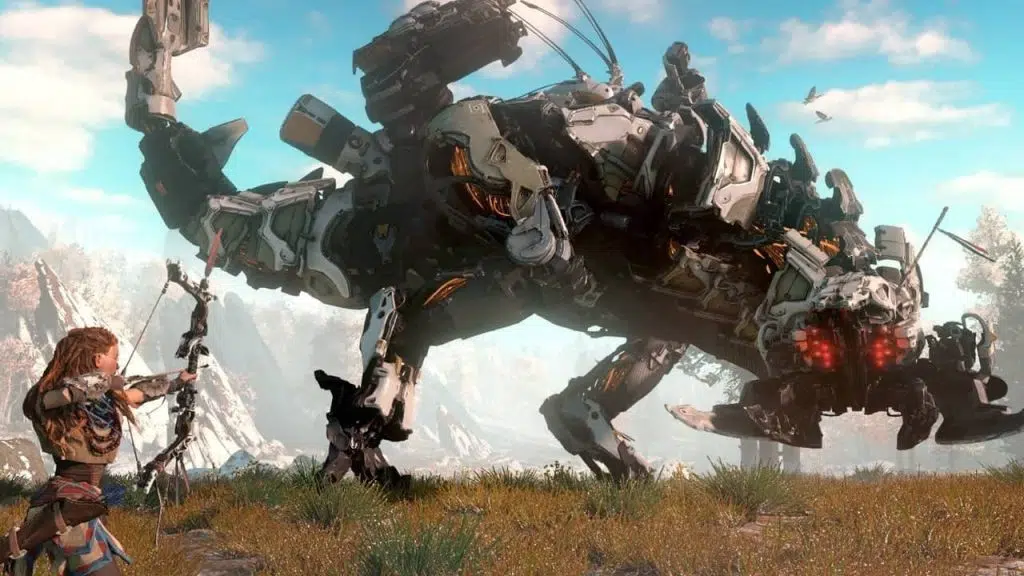
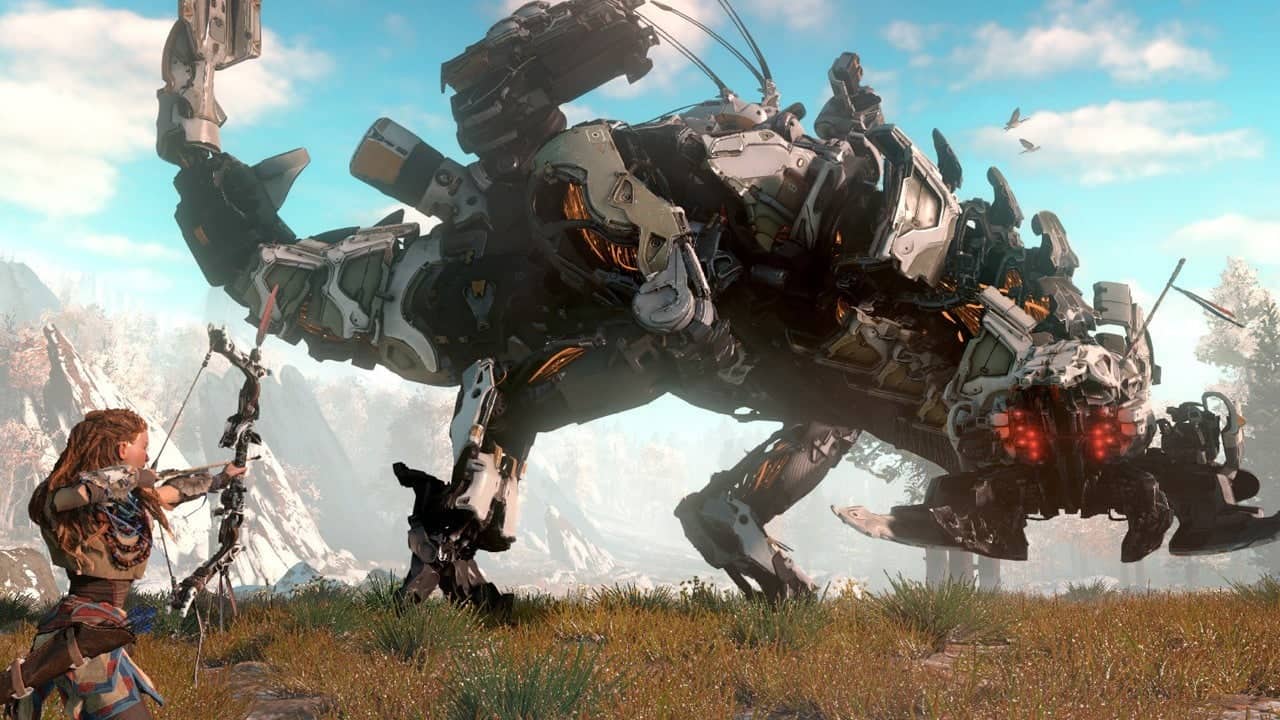
The combat system is still the best that today’s games offer. It’s far more complex in Forbidden West, or at least it feels that way. 43 unique machines await you. That’s double the size of the original. But it should be added that there are still variants, so there are even more in the final version. The concept is simple – you can find a classic machine and “cutting edge.” But you can also find a Blowback that comes in fire, acid, and frost variants. You can go about each of them differently. And that’s why it’s more important to use focus before and during a fight. Focus now pinpoints weak spots more accurately and explains what happens – when. You’ll be more mindful of tearing off components and trying to figure out the Achilles heel of each of the machines. The parts that fall out are then needed to upgrade armor and weapons. So you want to avoid just willingly beating a robot senselessly and losing important components. The top versions of the robots, then, of course, offer better rewards.

WePlayGames.net Youtube Channel: Forbidden West – Aloy Killing Slaughterspine

Melee Combat and Weaponry

Melee combat is enhanced with combos and special attacks that can be worked through on the training grounds. These act as an extended tutorial. Your spear has much better functionality and helps Aloy become a more dangerous melee character. Still, most importantly, it allows you to change the combat style. Although against larger machines, you’ll still have to use conventional weapons. Of course, traps, bombs, and smoke grenades are available. As you progress through the map, you’ll notice many resources around you that you can use to upgrade your weapons at designated stations. Weapons, depending on their rarity, offer various bonuses. And the difficulty of making ammunition depends on finding more exotic components. The properties of your arsenal can then be upgraded even further through coils. Also, various weapons have additional modes that allow you to fire a volley of arrows at once, for example, or an even more accurate piercing shot from a distance. Getting to such upgrades is not just a matter of opening the skill tree. You often need to find a group of machines, but the quest system is happy to help you with that.
Exploration and Environmental Interaction

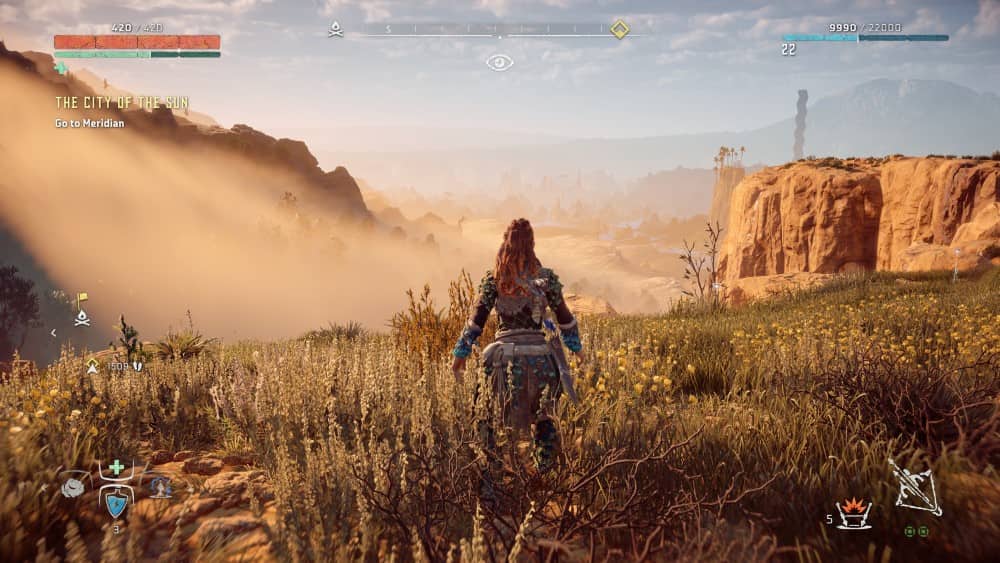
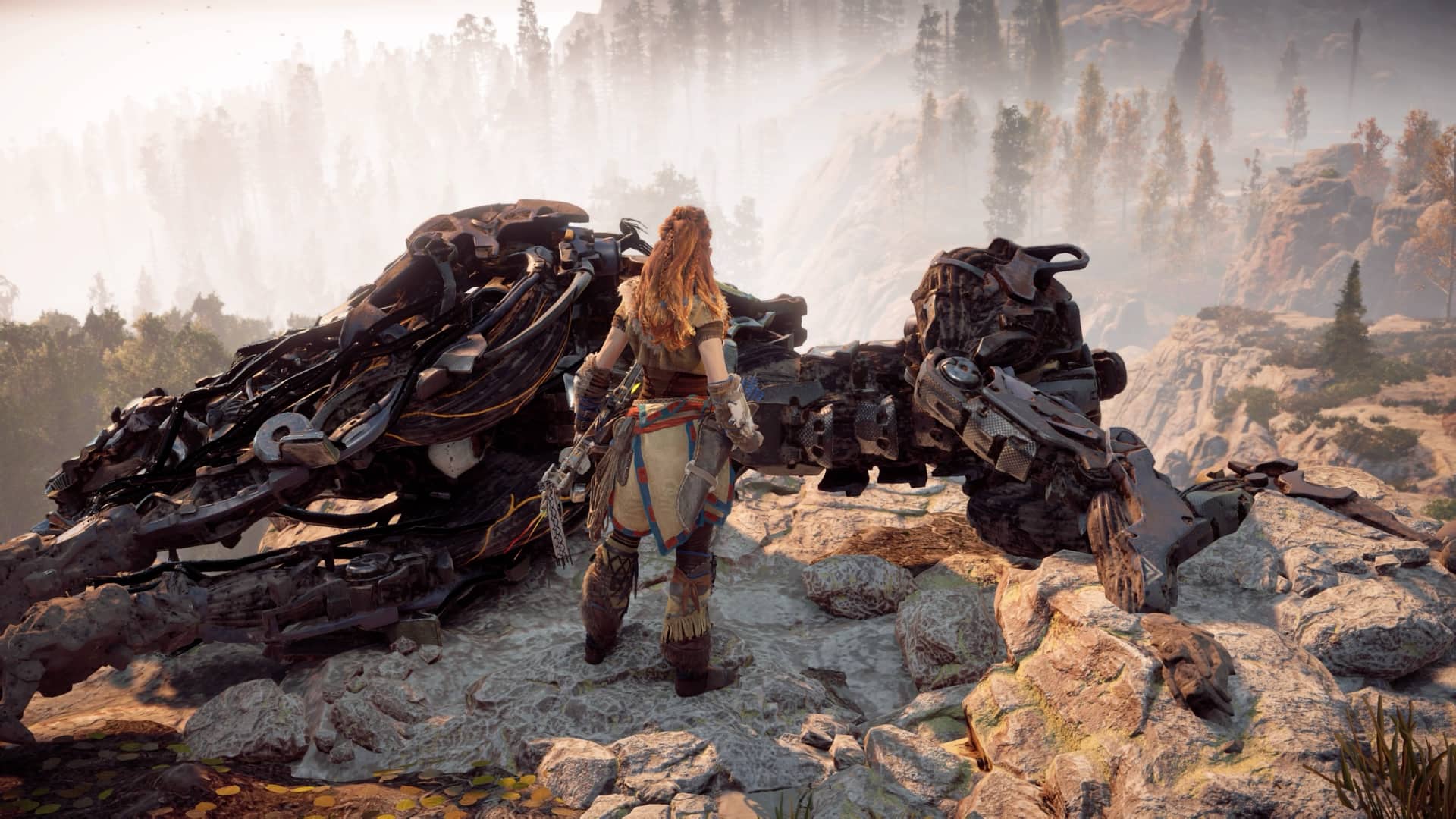
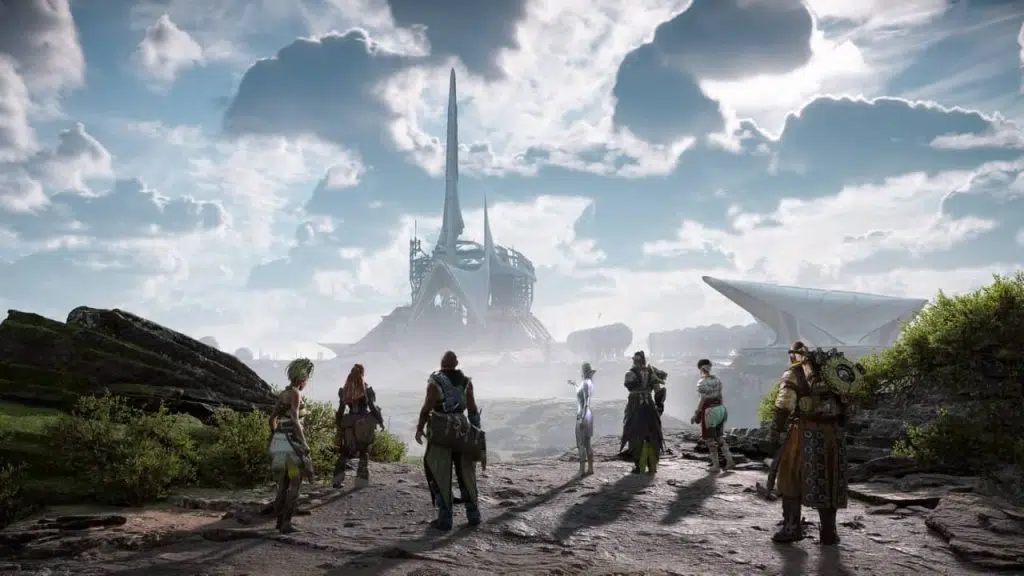
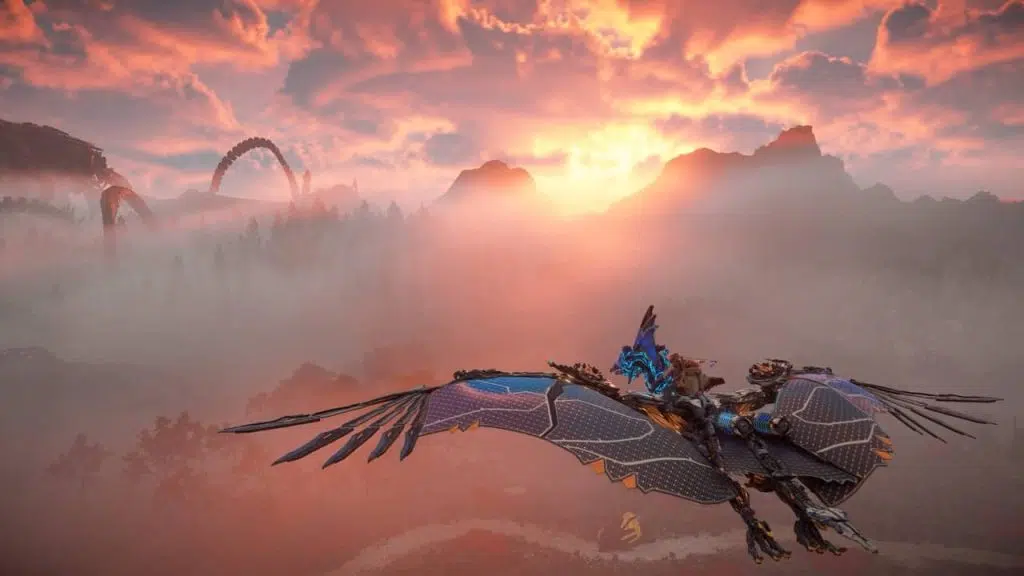
Just to find points and places around, shoot a hook and pull yourself in. The hook will also come in handy when exploring the environment, solving puzzles, or removing obstacles. The improved focus view will also help; now, it is better marked with where to climb and jump. Again, the Tallnecks help open up the field, but beware. Each one is original. Forget about walking up to each one, climbing the “tower,” and that’s it. Each Tallneck is a separate mission that doesn’t repeat itself. And I was surprised at how much effort the developers put into surprising the player. In order to control the machines in the West, you have to get their override codes in the so-called Cauldrons/Cauldrons, just like in Zero Dawn. But again, as with Tallnecks, each one is different. Each one is original, and you’re in for some truly exceptional puzzles. And if you pass the Cauldrons, you might even tame a Sunbird like me and fly over the beautiful landscape. Some of the best missions are underwater, and I’m so glad the developers tried this experiment. I used to dread swimming, and I hate water missions in games. But wow, these missions were designed to be really catchy, and exploring the world underwater was a pleasant diversion to look forward to.

Unique Side Activities

Side activities include races on the mounts or the “Strike” mini-game, which is like Gwent from the third Witcher. It plays surprisingly well. You collect pieces, which you then use to play a miniature tactical turn-based X-com on the battlefield. The base game is very similar to Into the Breach, although Guerrilla has gone to great lengths with the rules and devised their own attacks and characters for Strike. You can also cook – or rather, have food cooked for you, and this will grant you upgrades for a few minutes – like better stamina or a chance for a critical attack. You can often trade unusable resources for in-game currency at merchants and buy the necessary resources.

WePlayGames.net Youtube Channel: Forbidden West – Aloy Overiding Tallneck

Visual and Audio Experience

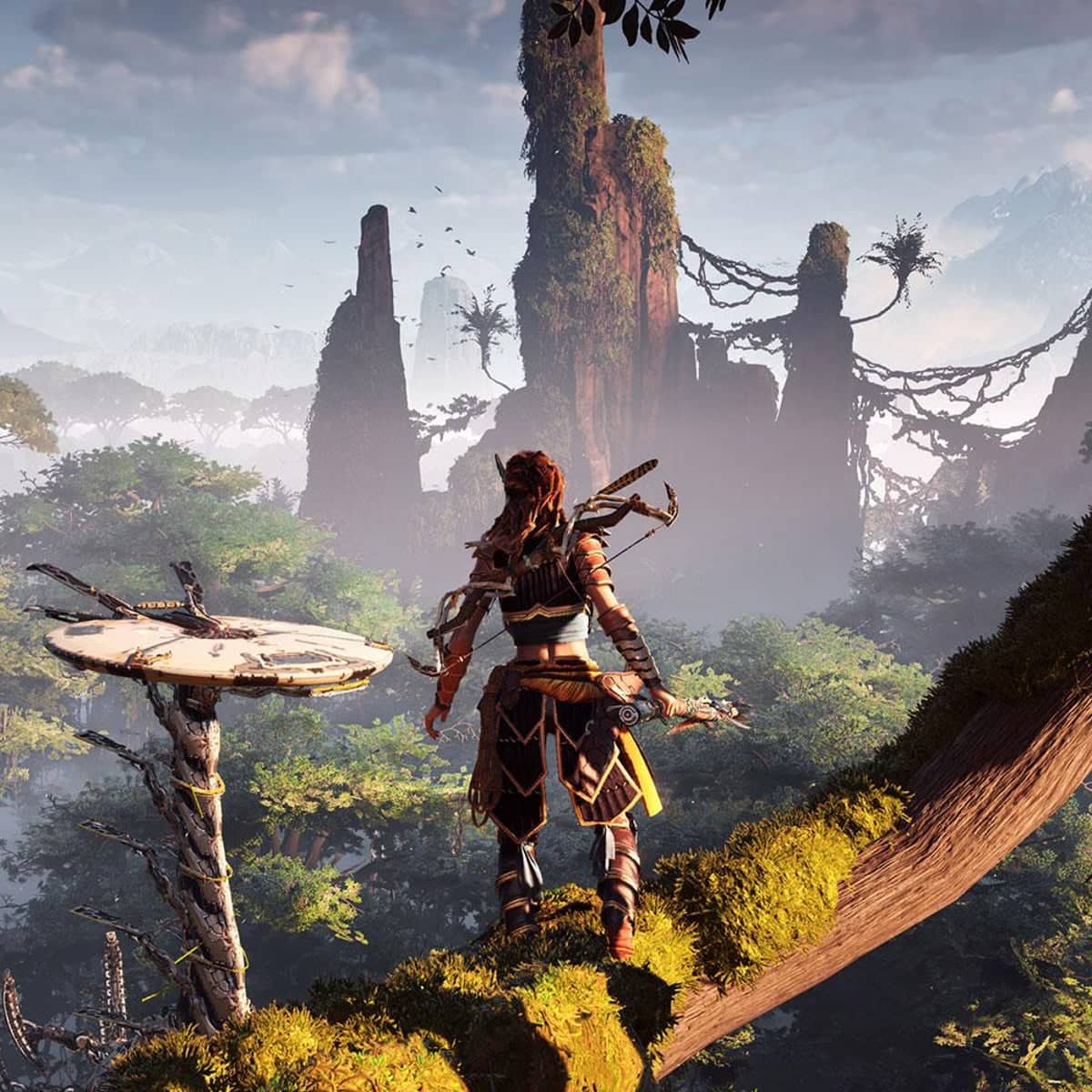
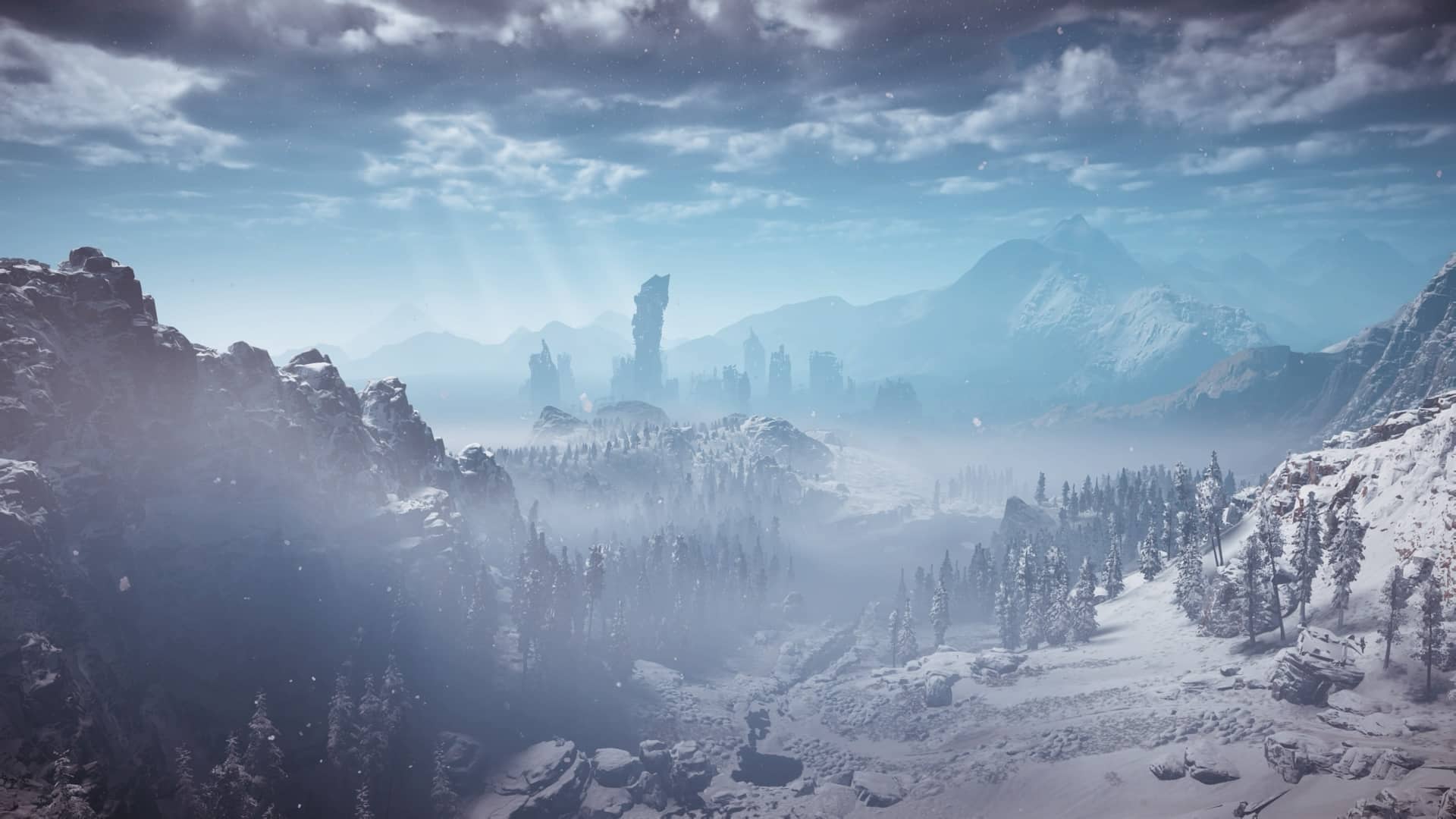
You can see the artistic design for yourself. The game offers an incredible audiovisual experience. I can’t say anything against the music because it is breathtaking. And I like almost everything about the graphics: the design of the sci-fi elements, characters, and landscape. The way the DECIMA engine can render so many flowers, trees, and objects in one shot is breathtaking. However, we must also be critical. Although DECIMA is an exceptional technology. The developers shoot themselves in the foot by allowing a choice between Performance Mode and Resolution Mode on the PlayStation 5. Performance needs to work on getting the game to 60 frames per second at the cost of lower image quality. While resolution means 30 FPS, but with higher sharpness and clearer textures. This is where my split comes in. Where not otherwise stated, you’ll see shots from performance mode throughout the review. I’ve tried the resolution mode, and sorry, once you’ve tried both modes, you’re stuck with performance – the only thing missing is any mode in between. Something like Dynamic Resolution Mode, which, while it won’t be 60 FPS, won’t have that much lower resolution either.
Performance and Accessibility

I see the bigger problem not so much in the occasional glitch or some bug in the animation but in the notification of Aloy’s actions. To give you an idea, Guerrilla Games apparently created special Aloy comments on what you should do and how to navigate the environment after player feedback. Aloy comments so often that you already know when she can jump somewhere, that she is about to scan something etc. . And she de-facto spoilers the procedure for you without you having to figure it out yourself. But some things can be turned off: the accessibility settings are something we can appreciate. Combat can be made slower, and you can activate an automatic targeting system. You can have your lives automatically replenished when you have berries or open your shield when you fall from a great height. It’s not just the handicapped who will welcome this; these accessibility options are essential for everyone to enjoy the game.

WePlayGames.net Youtube Channel: Forbidden West – Aloy Overriding Tallneck Underwater

A Comprehensive Sci-Fi RPG

Guerrilla Games have undoubtedly embarked on quite a journey with Aloy to surpass themselves and their previous legacy. After all the half-optimized and unfinished AAA titles, it’s nice to have a developer to rely on to deliver a comprehensive game, in English without lootboxes or microtransactions. Horizon interprets sci-fi RPGs in its own way: the decision-making structures are still linear and there is only one ending to the game – but sometimes that’s an advantage. The writers don’t have to deal with millions of combinations of decisions and focus on a quality narrative that oozes with serious themes and manages to be timeless. You can still influence the lives of individual characters on a local level throughout your playthrough. New hazards and imaginative change when converting Boilers or Tallnecks is a sign of creativity you’d be hard pressed to find in open world games today. It’s clear that there was an incredible effort behind Horizon Forbidden West to make a first and foremost action RPG that players will have fun with. And then tackle the grind.
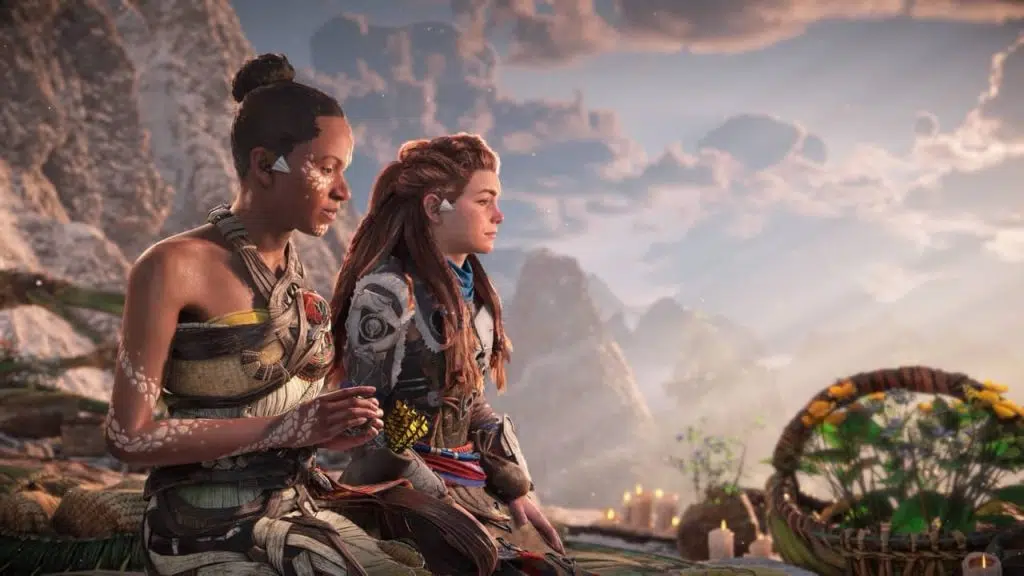
Engaging story to the various cliffs, valleys, lakes and ocean depths to the exceptional machine design and clever character upgrade system. Zero Dawn evolution game is more enjoyable to play, the AI enemies on the higher difficulties offer a challenge for seasoned players for hours on end, and the 60 FPS gives the combat system a juice I missed when reviewing Horizon Zero Dawn back in the day at 30 FPS. Horizon: Forbidden West build and expand on the excellent foundations of the Horizon franchise. It expands on them with themes from well-known and new characters, explains the details of an incredibly gripping sci-fi story, and offers a fantastic experience in a dying world that only you and Aloy can save.

Where to Buy Horizon Forbidden West: Complete Edition

  1. Steam (PC): Available for $59.99. Purchase it directly from Steam Store
  2. Epic Games Store (PC): Priced at $59.99. Find it on the Epic Games Store
  3. PlayStation Store (PS4, PS5): The Standard Edition is available for $19.99, and the Complete Edition is priced at $59.99. Both editions are currently on sale until July 4, 2024 or free on Play Pass Extra subscribtion. Check it out on the PlayStation Store
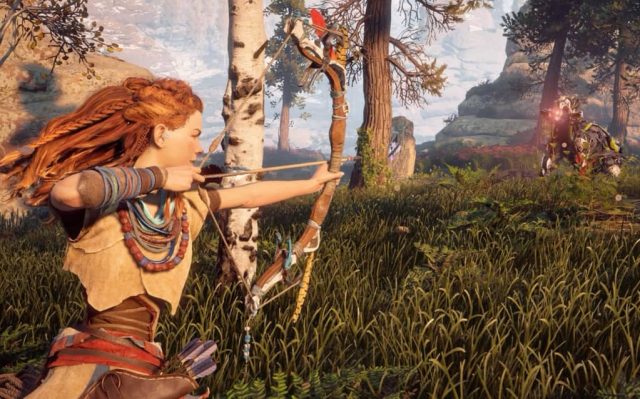
Horizon Zero Dawn: Aloy’s Unforgettable Sci-fi Robosaur Hunt

Horizon Zero Dawn Front Picture
Horizon Zero Dawn – Aloy hunting Longlegs

Title: Horizon Zero Dawn
Developer: Guerrilla Games
Publisher: Sony Interactive Entertainment
Released: February 28, 2017 (PS4), August 7, 2020 (PC)
Platforms Available: PlayStation 4 PlayStation 5, PC Game , Mac Game
Platform Reviewed: PlayStation 4
Article Reading Time: 12 minutes

An Epic Sci-fi Begins

Horizon Zero Dawn’s story is one of the game’s most vital points, so I’ll say at the beginning of this review that I won’t give anything away. By gaming standards, it has unprecedented head and heel, good pacing, and a strong ending. It doesn’t leave many unanswered questions and closes everything necessary in a satisfying and meaningful way. I will readily admit that some scenes gave me chills, while the final minutes moved me more than I would have expected. The story here certainly doesn’t add to the main attraction, which is the open-world robosaur hunt.

Multi-Layered Epic

Horizon works on three story levels, and I emphasize “works.” It’s immensely refreshing to follow a character’s journey driven by a desire for answers to personal, almost intimate, problems. These are eventually layered on top of a social plane and one other I’ll keep to myself. However, only some of these could work if Aloy was believable. Fortunately, the writers, animators, and voiceover artists portrayed her in a very plastic way. You’ll root for her just like you do for all the characters mentioned initially. Whether it’s anger, disappointment, compassion, betrayal, elation, or hope, you implicitly believe all of Aloy’s emotions. Aloy is thrust into a world where robots rule while humans are stuck at the tribal level. No part of Horizon: Zero Dawn is permeated by rust and sizzles under your hands, but it’s the world that shines the most. You probably haven’t seen anything like it in the game or the movie, certainly not in such a thoughtful, meaningful, and enticing treatment. The world here is huge and fun. You will always enjoy it visually and gameplay-wise, even after dozens of hours. Each region has a soul and unique atmosphere; it’s a pleasure to explore it all and discover different corners full of more or less pleasant surprises.

Horizon Zero Dawn Aloy hunting Lancehorns

Navigating the World

Aloy is different from other people in many ways. For example, she’s a little one who can find a so-called “Focus” or device that allows you to activate augmented reality at any time in the game. This is used to identify enemies various elements in the environment and for detective tasks. Detective work is frequent but still a tiny part of the massive machine called gameplay. It consists of almost everything you would expect from an action-adventure game in a big open world. So get ready for main quests, side quests, settlements with bandits, towers revealing part of the map, resource gathering, crafting, inventory management, gaining experience, leveling up, gaining new abilities, traders, and a ton of other stuff. You’ve probably played all this a few times, and some of you are rightfully sick of games like this.

However, it should be added immediately so that you don’t have to roll your eyes at any of the above. Horizon, alongside its direct competition, stands out with an excellent foundation on which the developers have piled one brilliantly crafted layer on top of another. The result is so impressive in every way that the label “yet another open-world game” is rather unfair. Even though it is another open-world game. At the same time, the creators needed to tighten the reins a bit and come up with some good ideas. For example, you could count the settlements with bandits on one hand and the towers. These are also handled in such a way that you don’t get the feeling of a repetitive, endless process in the middle of a map dotted with a million icons. After the first “tower,” you’ll be looking forward to the next one, and after the last one, you’ll regret that there aren’t more. And so it is with almost everything here.

Balancing Gameplay Elements

The developers perfectly balanced the importance of the different parts of the game. So let me just praise what they’ve already missed the work with the inventory. This is seamless most of the time, but the moment you need to buy or sell more stuff, you’ll silently curse the design decisions made by the developers. You won’t be doing this every ten minutes, though, so you can turn a blind eye to the inventory. Horizon offers a lot of consequences, but I never felt pressured or pushed into an activity I didn’t want to do. The game neatly divides your tasks into several categories, and the map is beautifully readable without dozens of unnecessary icons. These are cleverly hidden behind the map system.

Horizon Zero Dawn – Aloy overriding Tallneck to expose new map area

If you’re in a collecting mood, just buy a map with one of the treasure types from your nearest merchant and set off in search of fortune and glory. The density of activities is your choice. You won’t be bothered by collecting resources or the routine work of a messenger. Resource management can be simplified very elegantly by investing points in the relevant abilities. Elsewhere, the annoying game of errand-runner is again sagging under the weight of dialogue, story, choices, and sometimes minor twists, so that you won’t mind the perennial challenge of collecting four skins from wild boars. Tasks of this type are also optional here, and even if you dive into them entirely, you won’t feel overwhelmed by work and “shopping list” syndrome with many boring items.

Moreover, some of the side-quests are pleasantly whimsical. The characters are generally chatty, and not only do you have a circular menu of dialogue to choose from, but you can still take one of three moral sides occasionally. Your choices have little impact on the story, but the positive, negative, or sympathetic Aloy fleshes out the protagonist’s personality in the way you want to play her.

Combat and Creativity

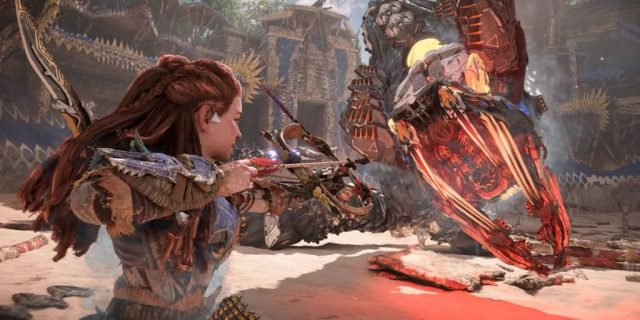
Aloy’s primary tool is not her mouth but her bow. Or a spear, a slingshot, or the equivalent of a machine gun. Combat is the order of the day in Horizon: Zero Dawn, and like the dialogue, it gives you some creative freedom. The basic premise is simple: Aloy, with her bow and spear, is in direct contrast to the technologically advanced robots. Except for the first two or three species you encounter, you won’t kill any of them in one or two shots. Thus, tactics based on a plethora of options and tools come into play. Like Aloy, each robot has a somewhat varied exterior with several layers. Each robot’s body consists of several elements: modules, weapons, mounts, and parts. Modules are purely a functional matter, and these are the ones you’ll target most often. Shooting ordinary arrows into the robot’s body is a waste of time.

Horizon Zero Dawn – Archery is a pleasure

The primary goal of any robot fight is to gradually “strip” your opponent of important functions by destroying individual modules. Selectively reduce its combat, movement, or cloaking effectiveness to a minimum. In addition, each body part or module is susceptible to a different type of damage, from ice to fire, to special “tear” damage. This doesn’t do any real damage, but a properly aimed rip arrow can quickly take a targeted module down and strip an enemy of a piece of equipment. The individual modules and key information for them will be revealed by Focus, and while it will matter less at the start of the game, you won’t be able to avoid tactics as time goes on. Some later enemies can take a few minutes of work and dozens of arrows or a combination of arrows, traps, sneaking, and your trusty spear. Fights are incredibly intense, with the most giant monsters or robots moving in packs.

Stealth and Strategy

Not every fight is necessarily about fast action, precision aiming, and frequent dodges. The game gives you enough space and varied enemies to get action-packed one day, while at other times, you’re carefully treading through the bushes and hunting down poor robots or bandits in silence. You can vary the gameplay by whether you approach a conflict straightforwardly or stealthily, as well as by choosing individual arrows for different bows and targeting different parts of the body. For example, the Stalker can make himself invisible and habitually lays mines in his surroundings. If you manage to rip the Stealth Generator from his body, you’ll be up against an extremely angry robot, but at least you’ll see him. For example, I once managed to grab a machine gun from a robot. Grabbing it, I began showering its former owner with its plasma blasts, which eventually disintegrated for good the moment it tried to jump on me.

Not even Michael Bay would have shot it that way, and yet it all flowed naturally from the game. The fights may seem overly complex from this description, and admittedly, they are not trivial. But I never found them unfair or so difficult that I had to repeat a passage more than once. By successively blasting away various modules, you shape your enemy into a state in which it’s easier to fight. The corruption arrows also help by turning the robots against each other for a while, and you can also hack some robots to your side. More heads know more, and you’ll always have a better fight with a metal sidekick by your side.

None of this is downright necessary, though, so it’s purely up to you how easy in difficulty or simple in mechanics you want to make the fights. Only in the bandit fights does it hurt to be able to whistle, which only one unfortunate person ever hears. You can then, like in Mafia III, gradually summon one after another and dispatch them from the bushes. Fortunately, you can only get away with this sometimes, and only with humans. Robotscan hear the whistle, too, but you can only kill a few enemy types in one shot.

Horizon Zero Dawn – Not just fight but revelations keeps you engaged in this great sci-fi story

Technical Performance

I’ve played Horizon on PlayStation 4, where I have yet to notice a single framerate issue. Similarly, I encountered almost no bugs, and only two or three times did the physics of a dead robot malfunction in a way that made its body behave somewhat strangely and not very realistically. What I do fault the game for, however, is the facial animations. These are mostly okay for all the main characters, though they’re nothing exceptional within the field. However, some of the secondary characters have fallen through time here from a game a few years back. Horizon otherwise looks absolutely top-notch, which is what makes the crappy animations on some of the faces all the more glaring. Considering how the game looks overall, as well as Aloy’s face, these unfortunates deserve similar treatment.

Final Thoughts

Horizon: Zero Dawn is much more than just “another open-world game”. You can look at it cynically like that, but you’ll then be deliberately ignoring the fact that Horizon is quite different from many recurring franchises that sometimes confuse quantity for quality. Guerrilla Games may not have come up with anything revolutionary here, but much like, say, The Witcher 3 or Metal Gear Solid V: The Phantom Pain, they’ve managed to push the genre’s bar in a way that probably few expected. Horizon is too good to let slip through your fingers. It already offers more on a basic level, and where other games gasp, Aloy breaks into a sprint. And next to her, even after the 30+ hours it took me to get the platinum trophy, I would have happily kept running…

Where to Buy Horizon Zero Dawn: Complete Edition

  1. Steam (PC): Available for $49.99. Purchase it from Steam
  2. Epic Games Store (PC): Also priced at $49.99. Find it on the Epic Games Store
  3. GOG (PC, Mac): Available for $49.99, with discounts often available. Purchase it from GOG
  4. PlayStation Store (PS4): The game is priced at $19.99. Check it out on the PlayStation Store
  5. Best Buy (PC): Available for $49.99. You can purchase it online from Best Buy
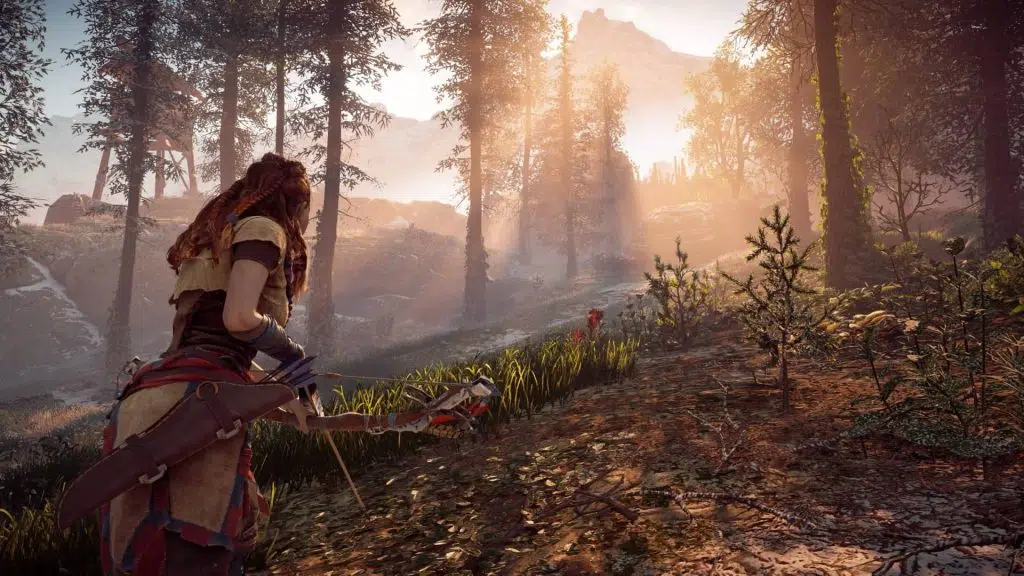
Horizon Zero Dawn Horus destroyer of the world
Horizon Zero Dawn Horus, destroyer of the world

Fallout 4: Revisiting a Post-Apocalyptic Classic

Fallout 4 -Feature Picture

Title: Fallout 4
Developer: Bethesda Game Studios
Publisher: Bethesda Softworks
Released: November 10, 2015
Platforms Available: PlayStation 4, PlayStation 5, Xbox One, Xbox Series X|S, PC Game
Platform Reviewed: PlayStation 4
Article Reading Time: 10 minutes

Introduction

War…War never changes. That’s exactly how every episode of the now legendary Fallout series, which has been with us for 30 years, begins.

Story Overview

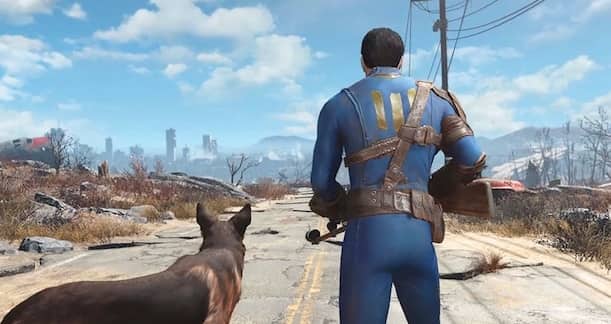
When we start talking about the story itself, one interesting aspect is that the story plays second, maybe even third or fourth fiddle… In short, it’s not one of the reasons why players would play this game. To set the scene, fans of the series know that you are thrown into the wasteland of a nuclear world after the opening intro, which is always perfectly handled by the animation. This episode went about it a little differently, starting you off in a home that could define the now well-known term American Dream – a gorgeous house in the suburbs, a wife, a son, a car, and a typical everyday morning. This might be true if not for the doorbell ringing at one point from a door-to-door salesman who tells you about a very shortlisted Vault 111 project, to which you subscribe, leading you to the Vault. You are one of the few who will not be directly affected by the nuclear bomb blast or the subsequent radiation exposure. Unfortunately, you’ll be frozen for a mere 200 years immediately afterward. When you wake up, they’ll manage to turn your life completely upside down. Then, as a so-called Vault dweller (an inhabitant of an underground hideout), you embark on a bloody revenge portrayed as nothing more than a rescue. So we have one of the film industry’s biggest clichés that won’t be remembered in a year.

Gameplay Mechanics

When talking about the game itself and the overall gameplay, one of the things I didn’t even notice at first gave me a lot of pause and, more importantly, disappointment. Doing a bunch of different quests is familiar in RPGs. Still, the thing that set Fallout apart was that you could decide how your character was perceived by others, right from the very first episodes. It all worked on a morality mode that filled in on the side of the villain or saint, or you could remain a neutral character. From that, you had a decent line of quests in the game that were only available at a given level of morality. If I’m correct, the third installment offered morality-related perks as well. Forget all that, and if you’ve played the game a few times to try out all the possible solutions and sides, chalk it up to the minus side because you won’t find it here. The authors have dropped this fairly popular system.

Settlement System

On the other hand, one of the absolute novelties is the system of settlements that you can develop and acquire new settlers. Initially, you have only one settlement in Sanctuary Hills, which you can generate by planting plants and creating a water supply system. You can also electrify the whole area and bring various amenities. Each activity requires unique materials depending on what you need to make. You must collect all the components worldwide, which you then disassemble and use for equipment. This way, you can build entire buildings and smaller shelters for your survivors. You’ll find stations in the settlements to prepare food and make chemicals, weapons, armor, and more to help you survive. You’ll use these, especially when upgrading your weapons and armor, as you can fully modify them. So it’s no problem to change the grip of your gun, add a silencer, and have a sight. Plenty of other options spice up the game in their own way. It’s definitely a plus, as you can tailor everything to your play style.
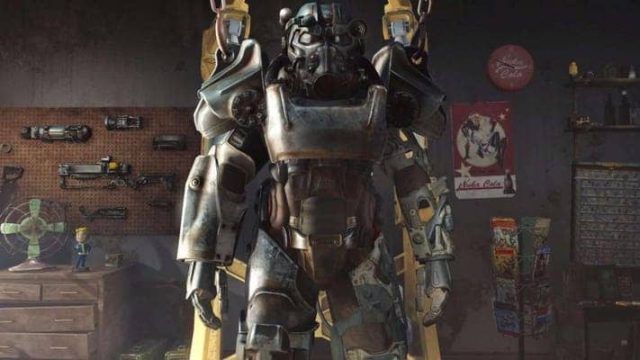
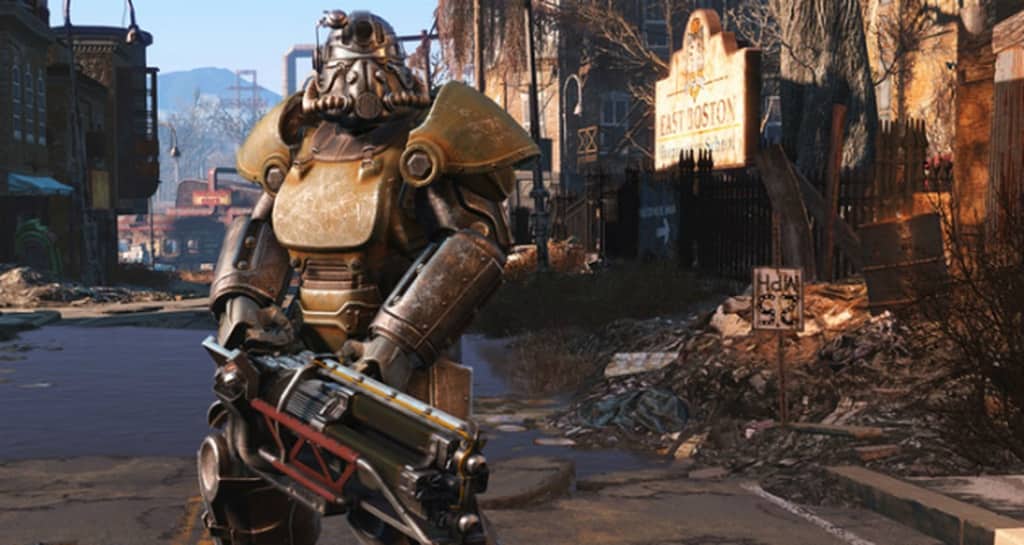
Similarly, you can upgrade the Power Armor, a unique armor used extensively by members of the Brotherhood of Steel as one of the factions of the franchise. This armor protects you from radiation and a large amount of damage. It has been around like many other things since the first game, only this time you don’t get it until the end, but right at the beginning, as the armor sustains lives using the rather expensive Fusion Core batteries. You can also upgrade this armor extensively to make yourself an indestructible machine.

Character Development

Character development and the perk or skill tree are really high in the game, and you have to think about what style of play you want to go for. Here, one could point to the rival Witcher, who needed to be more in the skill tree and offered fewer development options. On the other hand, you can tailor your character to your liking, deciding whether to be accompanied by a companion or instead be a lone wolf and gain specific perk bonuses. There are 6 categories for each trait, such as strength, intelligence, or luck, for example. The latter has a total of 10 additional perks that are directly dependent on the level of the trait. These also work in completely different realms, such as increasing your resistance to radiation. Still, when you upgrade the perk to the max level, the radiation will even heal you. So this system is made precisely for players who want to customize their character and know what they want from the start, which is understandably difficult when you’re just starting to get to grips with the game for the first time. Other perks can, for example, increase your damage with certain weapons, unlock more challenging locks, or hack the defense system. The perk system is one of the main draws I would only partially dismiss the game for and is one of the more considerable pluses. In addition to this tree, the game also includes special perks you unlock by, for example, finding certain magazines scattered around the world.

Fallout 4 - Brotherhood of Steel Knight
Fallout 4 – Brotherhood of Steel Knight

Combat System

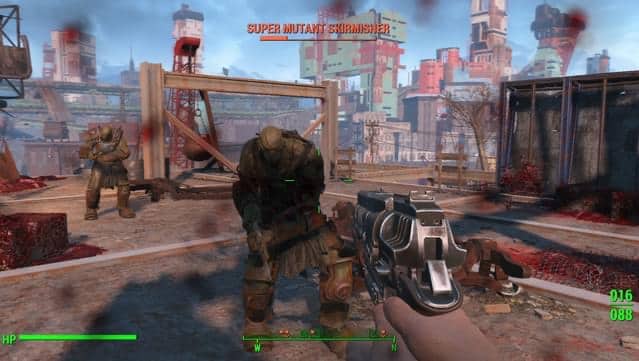
The combat system and controls haven’t changed from previous installments, and everything remains unchanged. In fact, this means you can switch between first and third-person views, which can be applied both during quests and during action-packed battles. The main question for those unfamiliar with the series is how the combat system works. This can be used in the standard way as in other FPS games, the inspiration of Destiny for example is very much evident, so there is a much more interesting combat system known as V.A.T.S. To use it, you use action points marked as AP, and depending on the type of weapon, you can hit enemies several times from the full pointer. In this mode, you also choose where to hit the enemy, and can inflict severe damage. For example, suppose you only shoot him in the leg, after destroying all the health for that part, the enemy will start to limp. In that case, his mobility will be reduced and he will not be able to run away. This system uses your field of view and the accuracy of your weapon to calculate the actual accuracy with which you hit a given party. This plays a significant role in how quickly you kill a friend and in what manner. I like this system (as I have since the beginning of the series); however, using it is unnecessary, so you can play a game like Borderlands, for example. I’ll also point out that if you use the V.A.T.S. system, you charge up the critical missile pointer, which you can then use to hit with more significant damage and 100% accuracy, as I’ve never had this missile miss its target.

Technical and Graphical Aspects

The technical and graphical aspects of the game are a big theme in themselves. Although Fallout 4 is out on a newer generation of consoles this time, the gentlemen from Bethesda forgot about it, and the game runs on the updated Creation engine used in The Elder Scrolls V: Skyrim. The game looks good, but we wouldn’t have to go far. For example, The Witcher, released in the same year, is entirely different in this respect. Graphically, the game does not offend outright. Still, it has much catching up, which also applies to the characters’ physics and behavior. Very often, a character is lying on the ground in a bizarre position, has a broken limb, and is made of rubber. All this comes from the engine, because there are a lot of bugs like this in the game, whether it’s characters walking through walls, broken quests, or a dog walking in the air. Although gamers are used to bugs in these big RPGs, the bugs here are beyond tolerable, as they are pretty frequent and often very glaring. Players could tolerate and accept it better if they knew the developers had created a new engine. So in this case, if they chose an older engine, they should have avoided the bugs as mentioned earlier like wall-crawling or object-caving, and not repeat the identical bugs that, for example, the Skyrim above suffered from. But the worst part is that this is the PlayStation 5 version I’m reviewing. Yet, it’s still possible to talk about the game as it was on its original release date in 2015… The only new and positive thing this “next-gen” version has brought is a higher frame rate (i.e., an increase from 30 to 60fps) and a slightly faster loading screen.

Music and Atmosphere

Music accompaniment has become essential to the games, adding to the whole experience.
In this respect, I must commend the developers because the game is accompanied by an ambient sound that can be completely turned off in addition to a perfect sound. And instead, choose a radio station broadcasting from the wilderness, which plays “period” classical music. I like this system, as you are not left to the creators’ choice but can at least partially choose what you listen to.

Conclusion

Fallout 4 was no longer God knows what kind of game on the release day, even though it has its undeniable qualities in many ways. However, this was not helped significantly by the “next-gen” version I played and reviewed (PlayStation 5). It offers several good experiences, varied quests, and a well-conceived character development system to play around with. On the other hand, it doesn’t bring anything significantly new to the series. It also has a lot of blind spots, whether it’s the older engine with weaker graphics for its time, which is also full of bugs even today, or the departure from some previously very successful things like moral decisions. Suppose you’re a franchise fan, like the post-apocalyptic atmosphere, or have played The Witcher. In that case, the fourth Fallout is somewhat out of the question to reach for. If you can survive the things above, you might even have fun with the game; just don’t expect something revolutionary that we have yet to have before.

Where to Buy Fallout 4

  1. Steam (PC): Available for $19.99. Purchase it directly from Steam
  2. Epic Games Store (PC): The base game is priced at $19.99, and the Game of the Year Edition, which includes all six add-ons, is available for $39.99. Check it out on the Epic Games Store
  3. GOG (PC): The Game of the Year Edition is available for $15.99 (discounted from $39.99) on GOG.com
  4. PlayStation Store (PS4, PS5): The standard edition is priced at $19.99, and the Game of the Year Edition is available for $39.99. You can purchase it on the PlayStation Store or get it free if you have Playstation Plus Extra at least
  5. Xbox Store (Xbox One, Xbox Series X|S): The base game is available for $19.99, and the Game of the Year Edition is priced at $39.99. Check it out on the Xbox.com​. Its included in Game Pass and can be played on Cloud

Ghost of Tsushima: Mastering the Art of Samurai and Stealth

Ghost of Tshushima - Feature Picture

Title: Ghost of Tsushima
Developer: Sucker Punch Productions
Publisher: Sony Interactive Entertainment
Released: July 17, 2020
Platforms Available: PlayStation 4, PlayStation 5, PC Game (Director’s Cut)
Platform Reviewed: PlayStation 4 and PlayStation 5
Article Reading Time: 9 minutes

Introduction

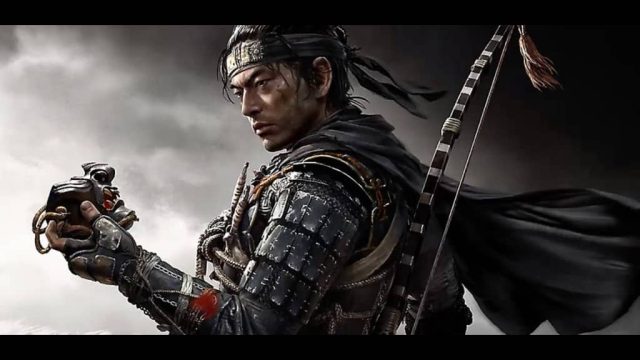
It was the thirteenth century, and Mongol troops invaded the Japanese island of Tsushima. Samurais were soundly defeated, and almost everyone on the battlefield died. But Jin Sakai survives thanks to the help of the thief Yuna and gradually begins to learn that the honorable ways of the samurai may no longer be enough against the Mongol invasion. The time is coming when it will be necessary to stray from this virtuous path. Not all of Tsushima’s defenders, however, share this attitude.

Choosing Your Path

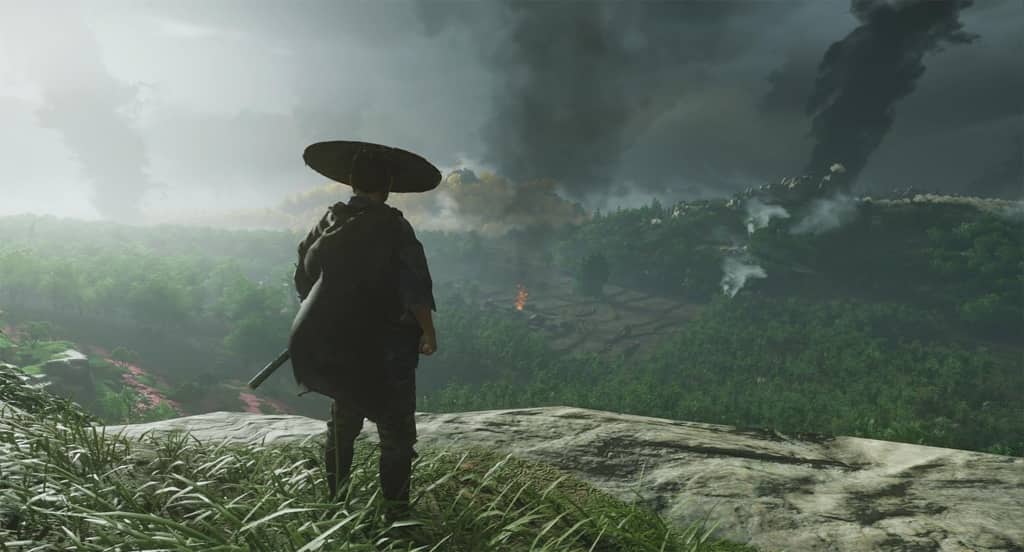
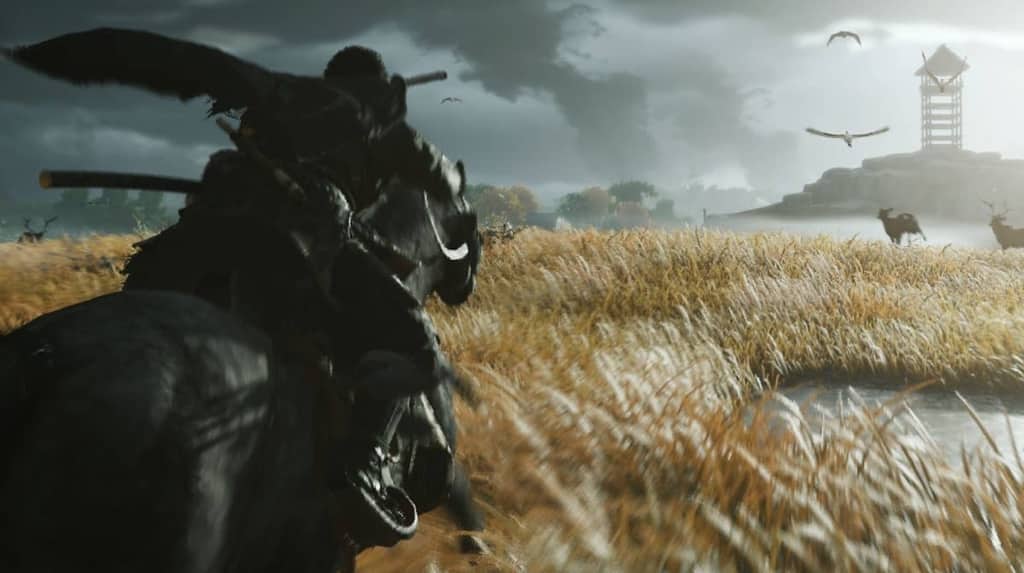
Right at the beginning of your Ghost of Tsushima journey, you choose how authentically you want to experience the Mongol invasion. Classically with an English dub, Weeb-ish with a Japanese dub, or ultra-old-school-weeb-ish in “Kurosawa mode”. Then, as you prepare the peasants to defend their village from the Mongols, you can almost feel like a hero in Kurosawa’s films. But even if you’re not a fan of playing a game that looks like it was made in the 1950s, you indeed won’t be deprived of the aesthetic experience. In fact, the world of Ghost of Tsushima is absolutely breathtaking. Whether you’re strolling along a cliff, riding through a forest with your horse’s hooves swirling golden leaves, traversing the snowy plains of the north looking for the silhouettes of Mongolians on the horizon, or galloping through a grassy plain under the moonlight with Jin’s palm raking the shimmering flowers.

Visual and Aesthetic Experience

And, of course, such beauty deserves a proper photo mode. With options to control almost everything in the scene… But you don’t have to take the camera, because the developers will show you the most beautiful angles. A great example is the title screens of the quests, which are simply a treat for the eyes.

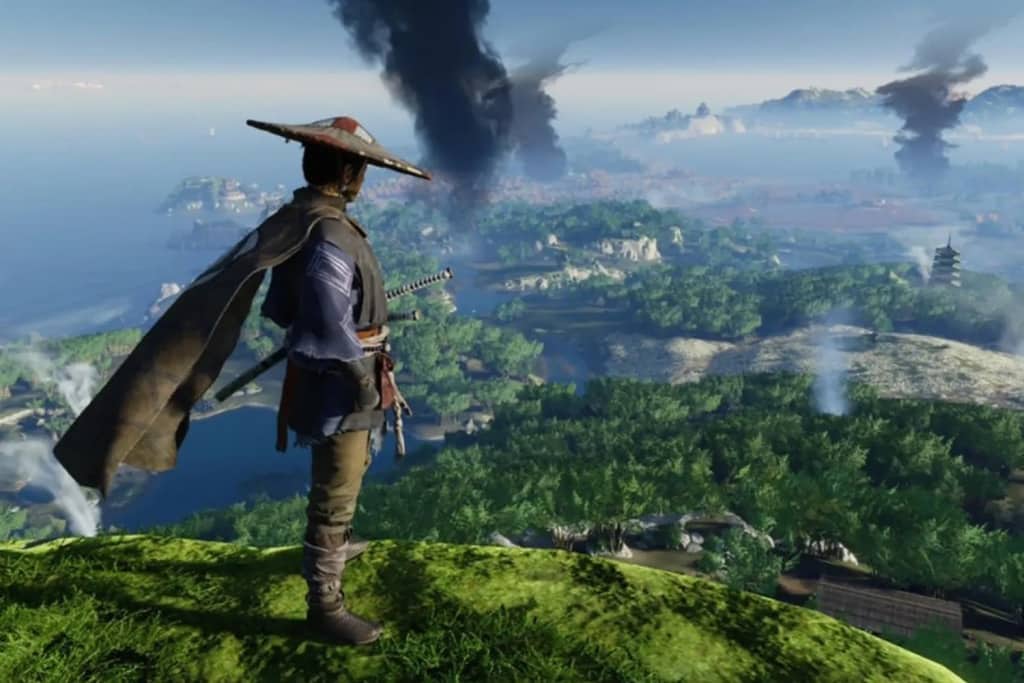
By now, you may think I’m stretching the aesthetic too far. However, the underlining of the impressive visuals continues with the user interface, which is minimal and nil in terms of navigation. Sure, you have a separate full-size map, but the elements in the world are used for your direct navigation. If you look around from an elevated location, columns of smoke will reveal the location of camps, birds will show you various points of interest, and foxes will lead you to hidden Inari shrines. If you think the basic building block of all games is the ability to pet a dog, you should rethink your values in life because here you can pet foxes. And we’ll get to the dogs later in this review.

Immersive Navigation

We’ve covered those animals by navigating to predetermined places in the world. But your navigation becomes a breeze if you set your destination or go to a waypoint. And the raw immersion goes even further. What a lot of open-world games take from the third Witcher is tracking. Unfortunately, that includes the malaise of highlighting tracks on the mini-map. You then run along the trail with your nose buried in the map, which is quite different from my idea of tracking. Here, you don’t have a mini-map to dig into or an auxiliary highlight, so you’re following tracks in the world. Whether it’s bootprints, hoofprints, or a trail of dead Mongols. And speaking of dead Mongols… when your haiku-writing and landscape exploration is interrupted by a hostile group, you have tremendous freedom in dealing with them.

Combat Mechanics

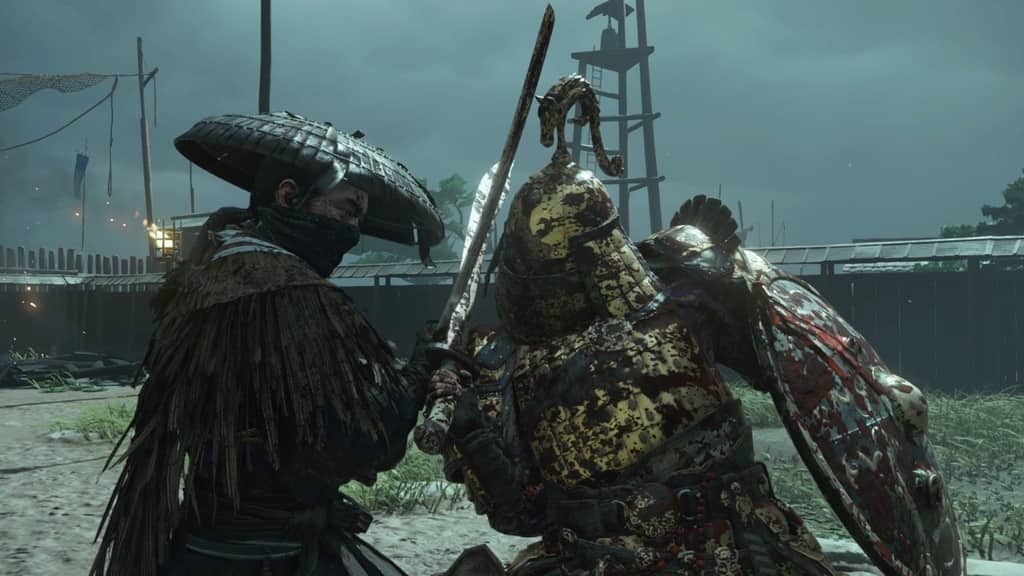
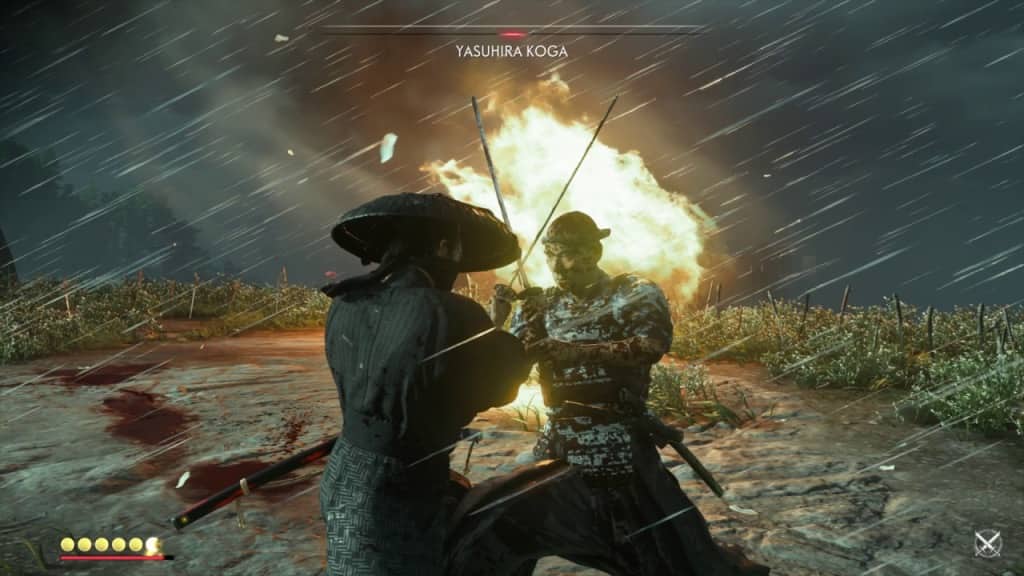
First of all, you’re a samurai. So you can challenge your enemies fairly and use your skills in an equal contest. Being a samurai means you must react quickly to dodge or parry attacks, move tactically around the battlefield, change stances depending on which enemy you’re attacking, and, last but not least, aim your attacks accurately. Here, you don’t (except for boss fights) have the option of targeting the enemy, so it’s no problem to swing your sword next to him. Bossfights are very impressive. It is so remarkable at times that the basic PS4( not the PS4 Pro version) stops keeping up with the steady framerate, and the responsiveness of the controls goes downhill. And that could be better at the speed of these fights, and at times, I found the framerate to be the real enemy. On PS5, however, the situation is entirely different, and you can’t naturally complain about anything in this regard.

Stealth and Strategy

Slightly unfairly made the fights and the occasional movement issues in a not-entirely flat environment. At this point, I was so pleased with the relatively benevolent health system. This can be topped up using the commitment points above the health bar. These restore some of your health instantly, and you replenish it by killing enemies and, once unlocked, with other abilities such as precisely timed dodges. As I mentioned, however, you’ll find out right from the start that the Mongol invasion should not be fought off in an honorable samurai fashion. Jin must resort to techniques less worthy of being a virtuous warrior.

Expanding Your Arsenal

First, they learn to sneak and quietly destroy unsuspecting enemies. Gradually, your arsenal of sneaky tools grows. Of course, this is increasingly at odds with Jin’s manners. Still, the increasingly numerous and sneaky tactics of the Mongols require this dodging from the samurai path, and more importantly, being a sneaky bastard is just more fun in terms of gameplay. From throwing knives to smoke, sticks and other bombs, explosive arrows to, say, poison darts. You can even deviate from the samurai path enough to use fear in combat and execute your enemies so brutally that onlookers fall to their knees.

Ethical Dilemmas

But where does this brutality come into play when it comes to killing Mongolian dogs, who would sniff you out before their owners while sneaking around? Yes, you’ve gone from samurai to atrocities worthy of The Last of Us Part II.

If your lousy conscience, fueled by flashbacks to childhood lessons you violate like this, weighs heavily on you, you can try to justify helping the islanders. While the main story of repelling the Mongol invasion tells an exciting tale, it’s the less epic side of the war from the general population’s perspective that you’ll really only get to see in the side quests. Wherever you go, you’re likely to meet someone in need. You’ll save someone from a group of bandits or Mongols, somewhere you’ll get the herbs the healer needs, and somewhere things can get conjurer-like. Everything is kind of morally grey, and you don’t even know if you want to help anyone anymore.

Side Quests and Exploration

But you don’t leave a village or a settlement to the Mongols. Especially if the rescue points you to the proper places, whether it’s shrines where you find amulets, places to chop bamboo where you increase your maximum determination, baths where you increase your maximum health, and so on, you may even come across musicians who will tell you the legend of a mythical weapon, armor, or technique you can follow to find its object. And, of course, we must remember the flowers you can use to repaint your armor at the merchants. But if you’re an adventurer, you don’t need the advice of others, and you can find these places on your own thanks to the density of their placement. Even if you wander around, you can improve your stats in a way that makes sense in this beautiful world.

Overall Impressions

With all that said Ghost of Tsushima is a great open-world game with extensive side storylines and minor quests that flesh out the world. But it also adopts other mechanics from other games. You can feel the inspiration from Nioh in the attitude system or the similarity to the more recent Assassin’s Creed in clearing out enemy camps. In theory, it’s not doing anything new or unprecedented. But everything it does, it does really well, and most importantly, it presents it with the dense atmosphere of feudal Japan. There are minor technical problems, but that’s due to the big open world. On the other hand, Ghost of Tsushima emphasizes detail and overall player-friendliness, and these elements make up for the minor flaws.

Conclusion

In short, Ghost of Tsushima is a great open-world game spiced up with elements taken from other games and genres. In theory, it does nothing new and unprecedented. What it does do, however, is that it does really well, and most importantly, it presents itself in the impressive guise of feudal Japan and fantastic and natural gameplay with cool animations.
Soon, we will cover multiplayer combat mode Ghost of Tsushima: Legends and fantastic DLC Itchy Island. Stay with us, and game on!

Where to Buy Ghost of Tsushima

  1. Steam (PC): Available for $59.99. You can purchase the game directly from Steam​ 
  2. Epic Games Store (PC): Also priced at $59.99. You can find it on the  Epic Games
  3. PlayStation Store (PS4, PS5): The Director’s Cut is available for $69.99. Check it out on the PlayStation Store
  4. Direct PlayStation (PC): The digital code for the Director’s Cut is available for $59.99. Purchase it from PlayStation Direct

Titanfall 2: An Entertaining Sequel to PS3 Legend with Familiar Thrills

Titanfall 2 - Feature Picture

Title: Titanfall 2
Developer: Respawn Entertainment
Publisher: Electronic Arts
Released: October 28, 2016
Platforms Available: PlayStation 4, Xbox One, PC Game
Platform Reviewed: PlayStation 4
Article Reading Time: 6 minutes

Introduction

The first installment of Titanfall was a gem that blew many people’s minds. The new studio of the spiritual fathers of Call of Duty created a title that achieved a perfect compromise between a traditional shooter and innovative action, which makes the second installment all the more surprising as it lacks this level of imagination. It’s a safe bet that doesn’t offend but doesn’t impress.

A Safe Sequel

In short, it’s a safe sequel. The most significant new features in Titanfall 2 are the single-player campaign and the release of the PlayStation 4 version. The rest are rather cosmetic changes that could easily have been conveyed by an update to the first installment. Thus, the best benefit of the second installment was the expansion of the player base, which did not happen due to the unfortunate choice of release date. The title hit the shelves between Call of Duty: Infinite Warfare and Battlefield 1. And as they say, pride goes before a fall. As a result, the game sold worse than the first installment released in March 2014, which didn’t even come out in a PlayStation 4 version.

The Single-Player Campaign

Before release, the developers tried to convince the community that the solo game would be more than just a bombastic Call of Duty-style ride. However, the opposite is true, and the result resembles only a slightly more imaginative variation of the previous brand. The action is enlivened by a sophisticated movement system, allowing the developers to alternate between shooting passages and calmer moments that test your acrobatic skills. Titanfall 2, however, tries to set itself apart from the competition. As such, it only sometimes warns players which way the following path leads. While the hint can be activated via the assigned button, you can ignore it if you prefer to discover the progress yourself.

Sci-Fi Setting and Enemy Types

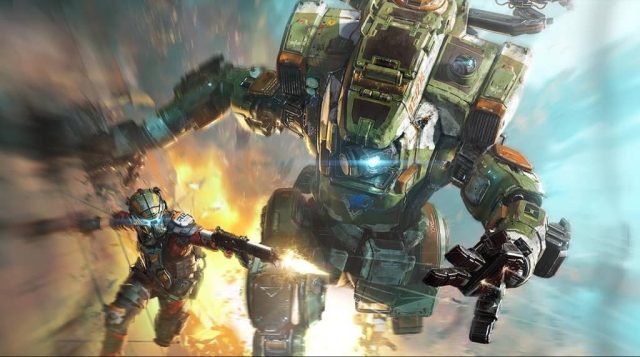
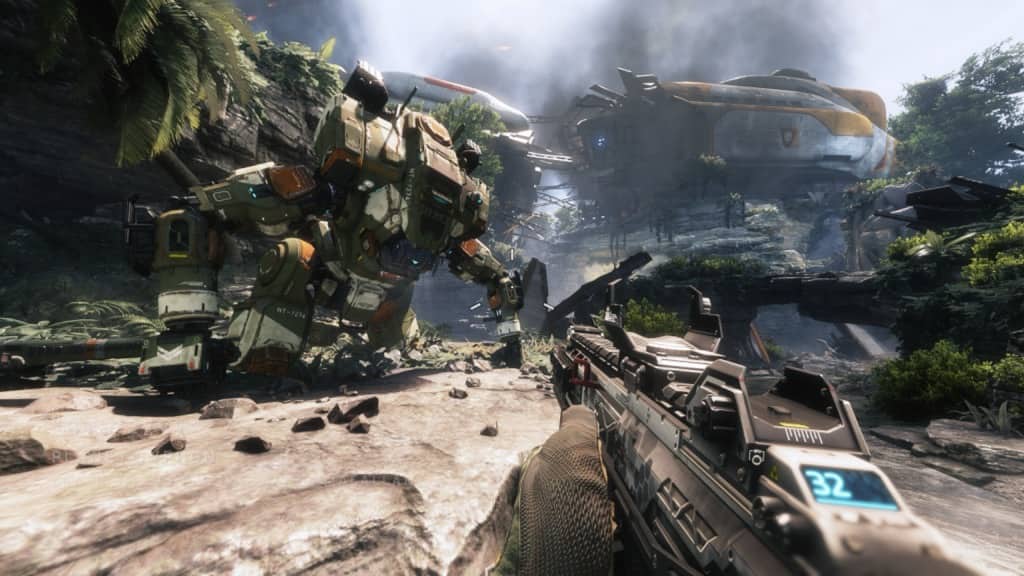
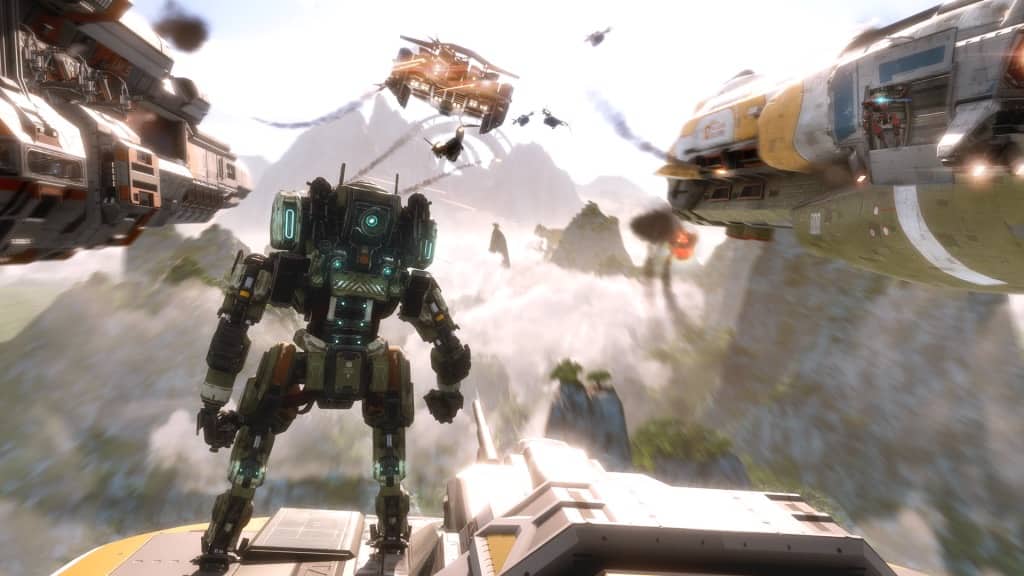
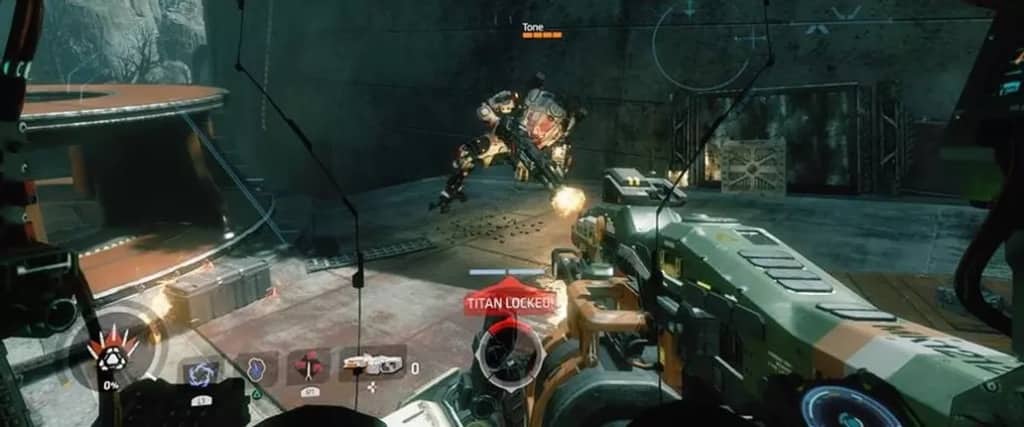
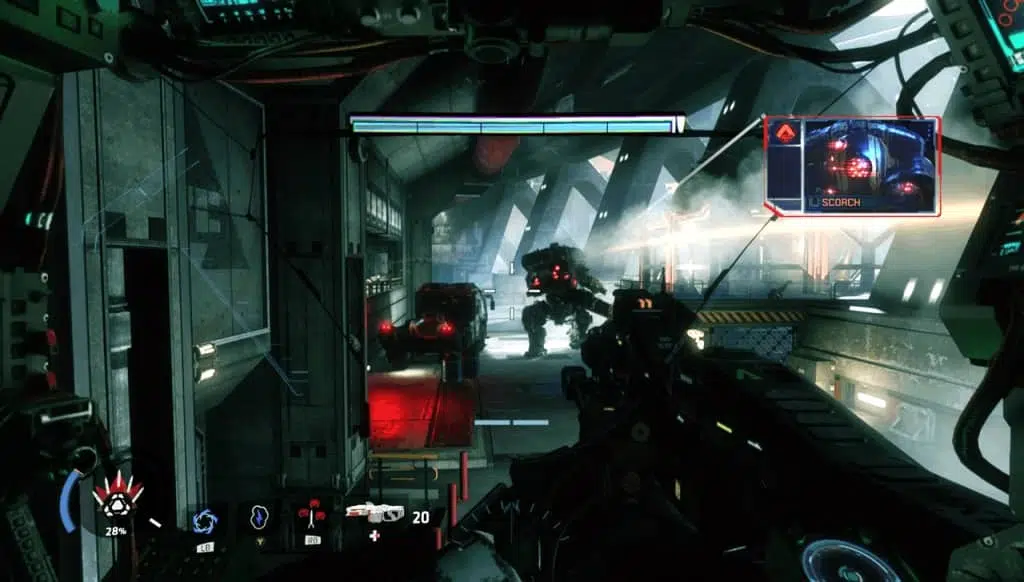
The sci-fi setting suits the game and makes for a more dynamic mix than most modern war action has been able to offer. In fact, the enemy types are more varied. Some have energy shields, others fire projectiles that fly in spirals, and there are exploding robots and melee-only opponents. Due to the imaginative nature of the fights, they are reminiscent of the second episode of Half-Life. A significant part of the story campaign are the titans, i.e. combat robots, which the player can mount and control. You also have one at your disposal, and its majesty is hinted at in scenes where swarms of enemies prefer to run away from it. Yours is called BT, and the story revolves partly around him. So you’re dealing with moments in the middle of the campaign when he disappears, and you have to search for him. Or you repeatedly repair it. It makes the game more varied. Sometimes, you take out opponents like a regular infantryman. Sometimes, they’re rained down by the titan’s volleys of missiles or crushed by his gigantic legs. BT is also a source of humorous moments. His brusque commentary, combined with an uncompromising pilot, leads to some charming dialogue.

Familiar Principles, New Dynamics

The solo part of the play feels like a compilation of tried and tested principles from foreign brands. Few surprises surprise and feel innovative. Most situations, on the other hand, make you feel like you’ve experienced them before. Still, the result works in a way that successfully avoids stereotypes. The game simply has the proper dynamics and momentum. One of the passages, for example, features imaginative games with gravity that obviously reference the film Inception. This is confirmed by the success the game gives you upon completion.

Multiplayer Excellence with Caveats

The multiplayer game is excellent. However, with one major caveat… Titanfall remains primarily a multiplayer experience. In that regard, the second installment delivers an addictive mix of gameplay principles and “one more game” moments. In other words, it’s tremendous fun. Titanfall 2 is thus a fantastic game in its own right, but it offers only minimal innovation over its predecessor. And not all of them are changes for the better. Once again, two teams are battling each other, and the action is made extra special by the presence of the titans. Again, an excellent movement system is present, with which you can run up walls perform double jumps and chain tricks with almost perfect grace. Once again, the primary mode is Hardpoint, where you take three key points and try to reach a pre-set score before the enemy team. New features include a tug-of-war rope, one of the optional extras. It makes moving around the environment even faster and perfectly complements the earlier movement elements.

Weapon Unlocks and Gameplay Tweaks

The weapon unlocking system has also changed. You can access your arsenal by gaining levels and then modify specific pieces after “leveling up” this or that piece. The gradual unlocking of weapons is spot on, thanks to a decent selection, and motivates you to explore the arsenal. However, the need to acquire individual upgrades is annoying and often forces you to play several matches exclusively with just one weapon. The result is usually a miserable score and a losing team. The rodeo, or cowboy jump on the enemy titan, also works differently. In the first game, this was a way of taking him down, but the opponent could leave the titan and shoot you down from the outside. This time, the rodeo is only used to steal a battery that can be used to boost a friendly robot. And as a result, it could be more helpful. The escape to the spaceship, which ends every match for one team, also works differently. In the first game, you had to jump into the transporter precisely, but in Titanfall 2, you only needed to get roughly close. For example, jumping twenty meters underneath to teleport into the craft. The original concept led to more fun action.

Visuals and Technical Observations

Titanfall 2 is a great game, but it only builds on the shoulders of the first installment. And without the slightest ambition to outshine it. The sequel came out a year and a half after the first installment, and it feels a bit rushed, whether due to the lack of significant innovations or the game’s optimization. Furthermore, closely examining the environment reveals some areas that feel stripped down. The sides of the buildings are often made of flat surfaces on which 3D details are merely simulated by graphical trickery. Moreover, many of the materials are reminiscent of the level of games from a few years ago. Titanfall 2’s visuals are inconsistent because of this. At times, it can conjure up impressive scenery. At other times, it looks miserable. In addition, textures are repeated in some rooms in a more reminiscent style of 1999. So, there is no significant graphical shift between the two works. On the other hand, the almost breathtaking character animation deserves to be highlighted. They often give a truly realistic impression.

Conclusion

As a result, Titanfall 2 is a title that can be recommended to two groups of players. The first are the die-hard fans of the first installment, whose player base has thinned out considerably. The other is people who missed the first game for whatever reason. For example, because it didn’t come out for PlayStation 4.

My impressions of the game are a little embarrassing, but I am glad I played it. If I disregarded the existence of the first installment, I was treated to an exceptionally entertaining action game. But after my experience with the previous title, Titanfall 2, apart from the story campaign, feels more like a first game but on asteroids.

Purchase Titanfall 2

  1. Steam (PC Game): Available for $29.99. You can purchase the game directly from Steam Store
  2. PlayStation Store (PS4): The game is priced at $19.99 (currently on sale for $4.99. Check it out on the PlayStation Store
  3. Xbox Store (Xbox One, Xbox Series X|S): Available for $19.99 . Purchase it from the Xbox Store