Home Authors Posts by Petko

Petko

217 POSTS 0 COMMENTS

Grid (2019) : Return to Arcade Racing Roots
Grid 2019 Feature Picture copy
Grid 2019

Title: GRID (2019)
Developer: Codemasters
Publisher: Codemasters
Released: October 10, 2019
Platforms Available: PlayStation 4, Xbox One, PC Game
Platform Reviewed: PlayStation 4
Level of Maturity: Everyone
Reading Time: 10 minutes

Where to Buy GRID (2019) ?

This is not the usual start of the review, but the game we will speak about, GRID 2019 is unavailable in main stores in 2024 and cannot be purchased digitally allegedly anymore. This is unfortunate, but that is the negative part of licensing which these games obtain for cars or tracks and for a limited time only. There is always a way to get the physical copy or digital key, but well, here we are… get a copy of Grid 2019 on Amazon and read further 🙂

Grid 2019 is unavailable at Steam
Steam : Not avalailable 🙁 same as for other platforms)

Return to Arcade Racing

The Grid racing series, previously known as TOCA Race Driver, has carved a unique niche for itself by balancing arcade and simulation elements. While past titles like Grid Autosport or GRID 2 showed promise, the developers’ struggle to find a clear direction was evident. This led British Codemasters to reboot the series titled Grid. This return to the arcade racing roots is a significant shift, and you can explore how it fared in the review below.

Immediate Immersion

I’m no stranger to either direction when it comes to racing games, but you don’t have to point a tank gun at my head to reveal that I prefer the arcade. That’s why the return of the Grid series to its roots made me happy. I was similarly pleased with the game’s very introduction, which honors simplicity and directness. I was immediately thrown into three single-lap races featuring basic content types, particularly a heavily arcade-driving model. This was followed by a straightforward introductory menu, through which I clicked through to the main thing – the career. No wannabe emotive featurettes about a driver who can climb to the top of the racing throne. No nickname setting, rider creation, or introductory chatter that Codemasters otherwise squeeze into just about every other racing game. Just a variety of races across six racing directions. If you’re craving something more complex, you’ll probably be taken aback by this straightforward approach, but Grid gives me everything I ask for in this regard.

Career Mode: Flexibility and Freedom

It’s not all about the initial deception, however. Throughout your career, you’re basically asked to do nothing, as you can choose which direction to take from the start. Plus, you can freely jump from race type to race type. So you can jump from supercharged supersports to slow races with the Miglia Mini at the touch of a button. Of course, different kinds of races require different cars, and of course, you have to buy those with the money you win, but the game is so generous that your virtual wallet will never be empty, which means you’ll avoid any grind.

Content Limitations

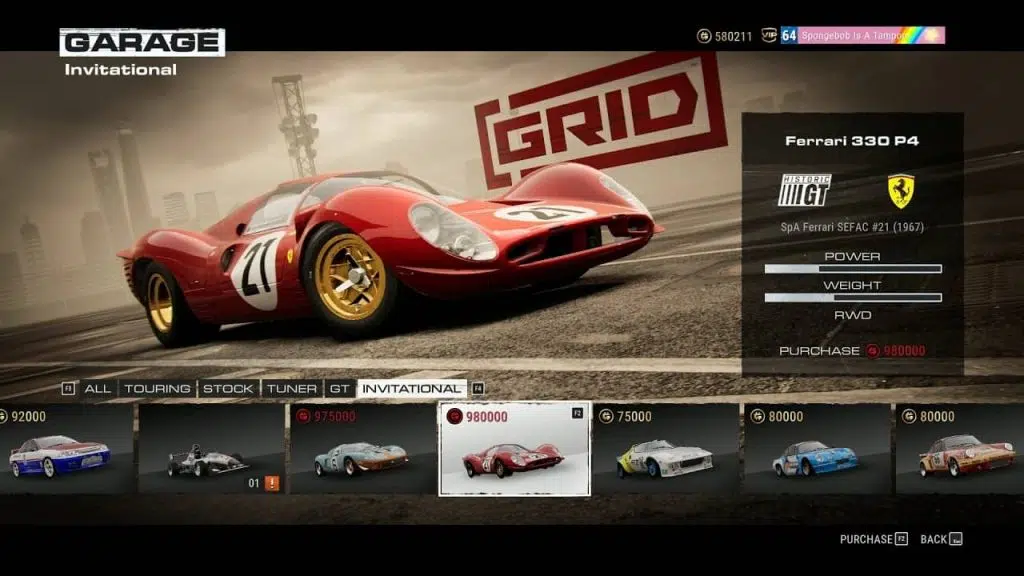
Unlike other games, you don’t have to race in old cans like Miglia Mini at the start of your career. But if you’re up for it, you can always take on the retro duels in the Invitational category. Unfortunately, where Grid’s competition misses out is in the amount of content. While the career offers around a hundred races, these only occur on 12 real and fictional circuits. Hence, the only variable capable of spicing up the racing is the number of vehicles, which isn’t particularly dazzling. There are 70 cars in total, but once you’re divided into the various classes, you’ll get an average of 15 vehicles, which is a slightly narrow range for today. For comparison’s sake, let’s recall that Forza Horizon 4, for example, already introduced around 400 cars in the base.
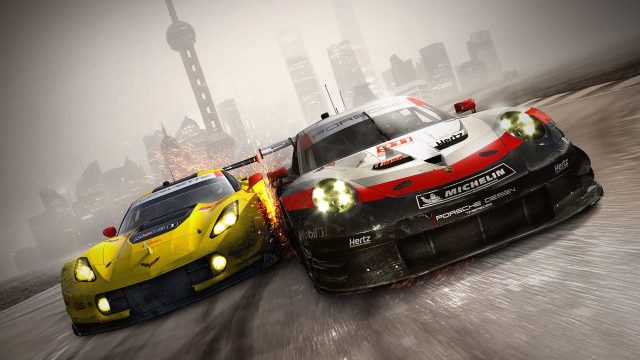
The fact that the Grid introduces fairly realistic body destruction for the first time in the series, something that many manufacturers logically struggle with, plays a part. After all, when you’re making luxury sports cars, you don’t want your vehicles to show up anywhere, even in a computer game, with, for example, a bumper torn off. However, I can’t help feeling that, like virtually everything from Codemasters (with the honorable exception of F1), Grid is, to some extent, a developer’s speed bump because this studio is clearly all about quantity. In other words, there could have been more circuits, cars, and game modes in the game. But I can’t outright dismiss the racing circuits. The usual mix of licensed and entirely fictional tracks works very well. We get to see, for example, sunny San Francisco, modern Shanghai, or a few loops of the legendary (and real) Silverstone, while the purely fictional Okutama circuit also has something to offer. Plus, the individual tracks offer different variations, so the variety is pretty.

Driving Experience and Mechanics

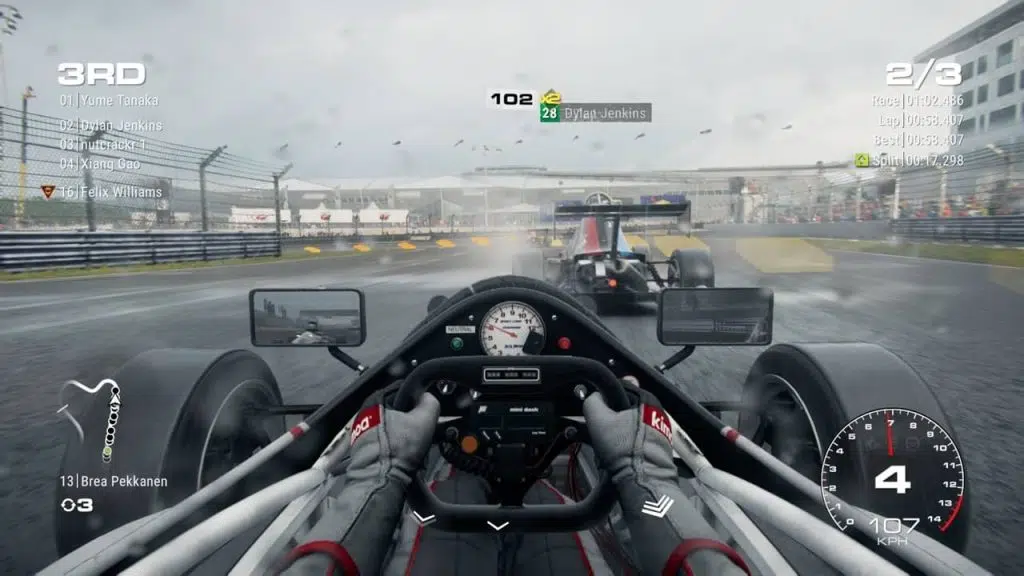
Okay, we already know that the career is austere but nicely punchy, and Grid is unlikely to please you with fewer cars. But how does the new Grid actually play? Is it fun to drive? It is! But if you’re a fan of realistic racing, which Codemasters also does very well, you’ll quickly run into the ramparts of the purest arcade experience. Otherwise, however, you’ll enjoy playing the new Grid. In many ways, however, the driving model goes too far. You’ll hardly notice the differences between cars in the same class, but still, even a complete beginner will be able to tell the beastly power of the Chevrolet Camaro’s eight-cylinder rear-wheel drive and the high, yet sleek performance of a Porsche 911 in any trim.

The truth is, however, that fans of purely arcade racing don’t even require significant differences between the cars, and more importantly, unlike in racing simulators, they can hop into another car and become one with its chassis in a single lap. That’s exactly what Grid offers, and while you’ll find sliders in the pause menu that adjust or even disable aids like ABS or traction control, turning them off completely doesn’t detract much from the arcade experience. Despite its unquestionable fun, however, I can’t praise the Grid’s driving model to the skies. It’s true that the cars don’t feel like boxes on four wheels, and the authors have clearly worked with variables like the weight of the car or its drivetrain, but I can’t help feeling that the cars are often somewhat floaty on the road. One might expect Grid not to surpass the king of arcade racing, Forza Horizon 4, in terms of its driving model, but purely for myself, I have to say that even the likes of the low-budget Wreckfest is slightly better. It’s fun to drive, but you don’t feel the rawness of the asphalt-ripping wheels, the transitions between surfaces, or the drifts that are easy to induce but all the harder to successfully navigate.

Nemesis System and AI

However, the AI dramatically enhances the enjoyment of the racing itself, which is quite hilarious. It’s not you versus the whole racing grid; you’re just one of many for your opponents, so you can see skirmishes between individual drivers or mass crashes in sharp corners that are hard to avoid. But you can also pit other drivers against each other because Grid comes with a nemesis system. Codemasters is one of the most experienced, so unlike some rival titles, you won’t be plagued by cheating AI that suddenly starts catching up with you on the last lap, even though you’re still driving perfectly. All you have to do is nudge one of the racers or tap them once harder, and they’ll instantly become your arch-enemy, oblivious to the outcome of the race, blushing in front of their eyes, and all they’ll settle for is running you off the track. Such enemies are then very subtle and will crash into you in just the right way to get you to skid or, ideally, off the race clock. I like this new feature a lot, as the arcade feel of the game doesn’t penalize bumping into opponents and other aggressive elements that are punished in more realistic titles. Yet, thanks to the Nemesis system, you’ll have to watch your on-track behavior. Here, you’ll also benefit from very brief team management, which consists only of being able to recruit one other racer to your team from a ready-made menu. You can summon this at the touch of a button when your nemesis is breathing down your rear spoiler, and you need a partner to help you with the pursuer. I could do without this simple team management, but it’s actually a nice touch, and some bodyguard is quite handy during the actual races.
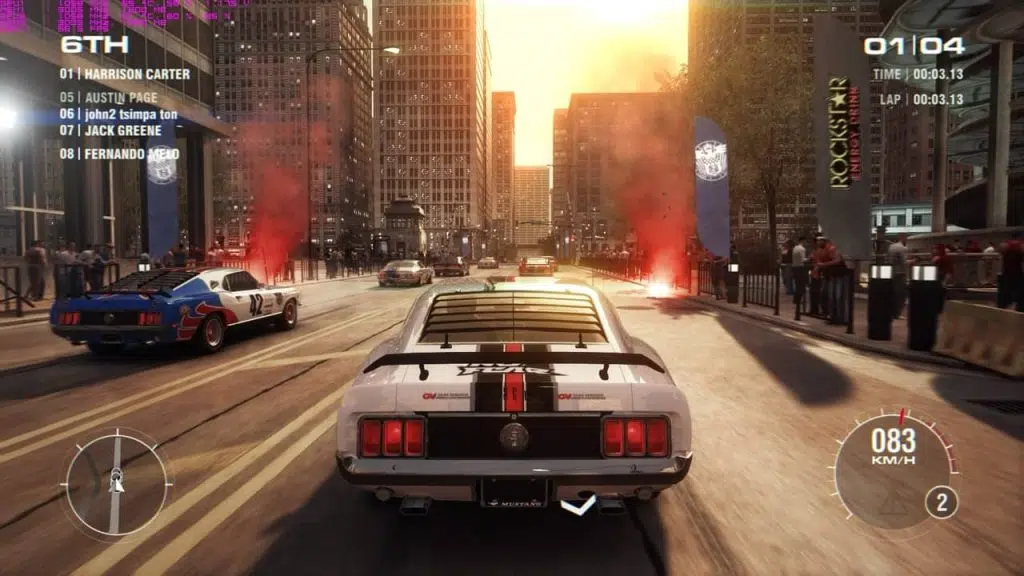
Visuals and Effects

One of the things I often heard from my friends who recommended the game was the races in the rain. Why? They are simply beautiful. The writers managed the effects of the drops running down the camera as well as the rainwater splashing off the rear wheels. Unfortunately, it’s only the various special effects that make Grid visually impressive. The night race in neon Shanghai is as appealing as the colorful confetti and fireworks at the end of the race, but when you don’t have that glitter in front of you, Grid looks passable at best. Playing around with various effects or weather can conjure up some beautiful scenery, but on the whole, Grid didn’t present anything revolutionary on the PlayStation 4. I’m getting embarrassed to mention Forza Horizon 4 in this review as the definition of quality within the genre. Still, even in terms of visuals, Codemasters didn’t outdo their equally British colleagues at Playground Games. Also, the circuits could have been considerably more detailed and had better textures. On the other hand, where I have to praise the developers are the wonderfully animated spectators leaning over the fences around the track, eager to catch a glimpse of their racing favorite, or other small details such as the cameras hanging above the track, which naturally pan according to the movement of the vehicles passing underneath. For now, though, I’d like to head to the finish line of this review.
Conclusion

Grid (2019) is a good game, but not a revolution. The authors simply went back to where they started and did it… pretty solidly. The range of game modes is pretty decent, too, where I find the split-screen or more elaborate multiplayer, for example, woefully lacking. The visual effects are gorgeous, but the level of basic textures is no slouch. If Grid had been released with a bit more diverse content overall, I wouldn’t be afraid to aim higher.

However, the straightforward career mode, vibrant nemesis system, and engaging arcade racing dynamics make it an enjoyable experience for fans of the genre. The game shines in its ability to provide fun, accessible racing with a touch of realism. The car variety and track designs offer enough to keep players entertained, though it doesn’t push boundaries. In competition with, for example, Wreckfest, which was released in the same year and created by a much smaller studio, Grid shows its limitations but remains a solid entry. Overall, Grid (2019) delivers a satisfying arcade racing experience, making it worth playing despite its shortcomings.
Chernobylite: Haunting Echoes of Pripyat

Chernobylite Main Picture
Chernobylite

Title: Chernobylite
Developer: The Farm 51
Publisher: All In! Games
Released: July 28, 2021
Platforms Available: PlayStation 4, PlayStation 5, Xbox One, Xbox Series X|S, PC
Platform Reviewed: PlayStation 4
Article Reading Time: 11 minutes

Radioactive Romance

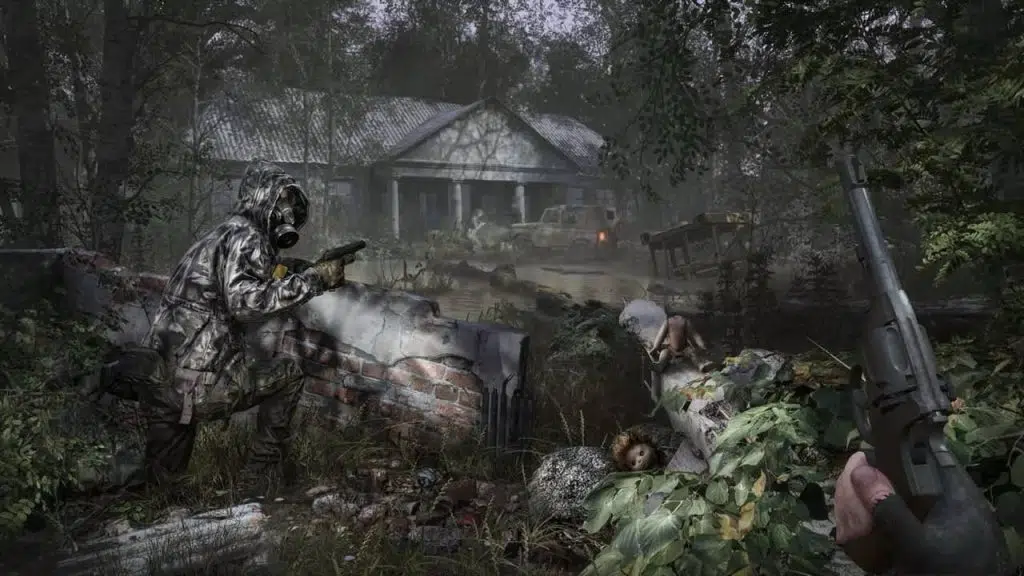
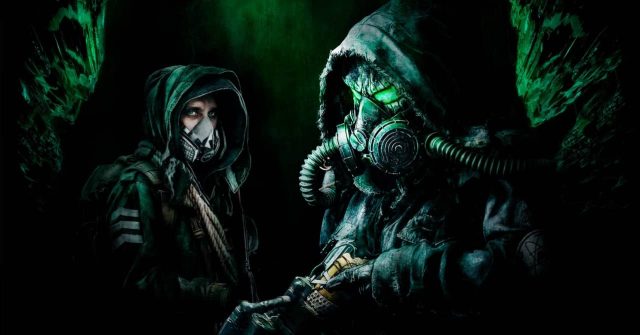
I’m sure many of us miss Stalker. Those romantic walks in Pripyat. Watching your friends who feel like playing Russian roulette with a semi-automatic weapon. And the children’s laughter in playgrounds where no living child has passed for decades. Well, who wouldn’t want to experience that atmosphere all over again? And that’s what we can be reminded of in Chernobylite, a game that can shorten that interminable wait for the next Stalker. As the name suggests, in Chernobylite, we will be moving around the devastated Chernobyl.

Igor’s Scientific Pursuit

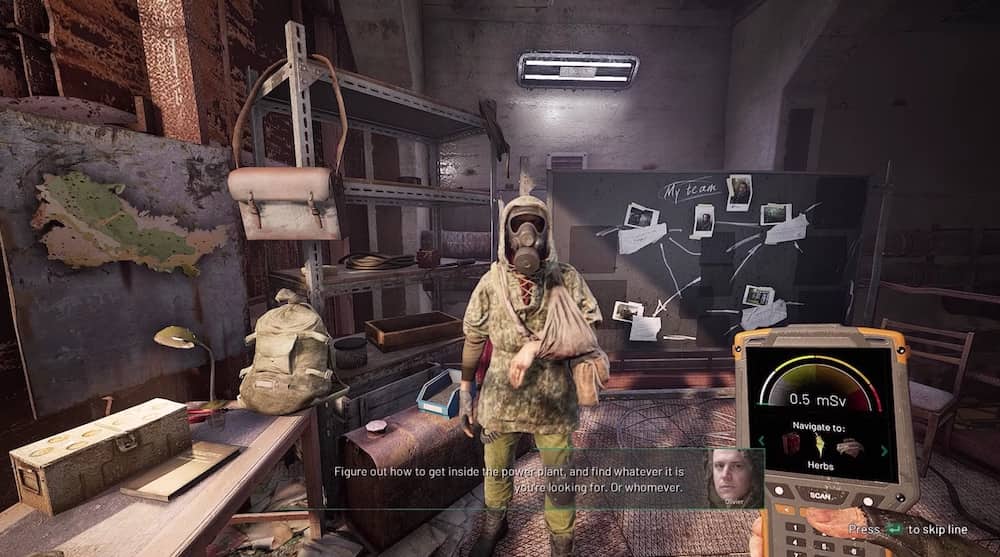
It’s not exactly a place where you should plan romantic walks. And Igor, as the main character, will definitely confirm that. Igor is a physicist and former employee of the Chernobyl power plant who revels in technological gadgets like portals and helmets that reconstruct memories. The main reason is the disappearance of his fiancée Tatiana. All the available clues are in the vicinity of Chernobyl, where the more clues you get, the closer you get to the Chernobyl power plant, where the truth about what’s going on should be stored and where Tatiana has been hiding for 30 years. Because you’re “just” a scientist and not a trained soldier, you’ll be helped by careful preparation and the team of people you’ll meet along the way.

Survival Beyond the Blast

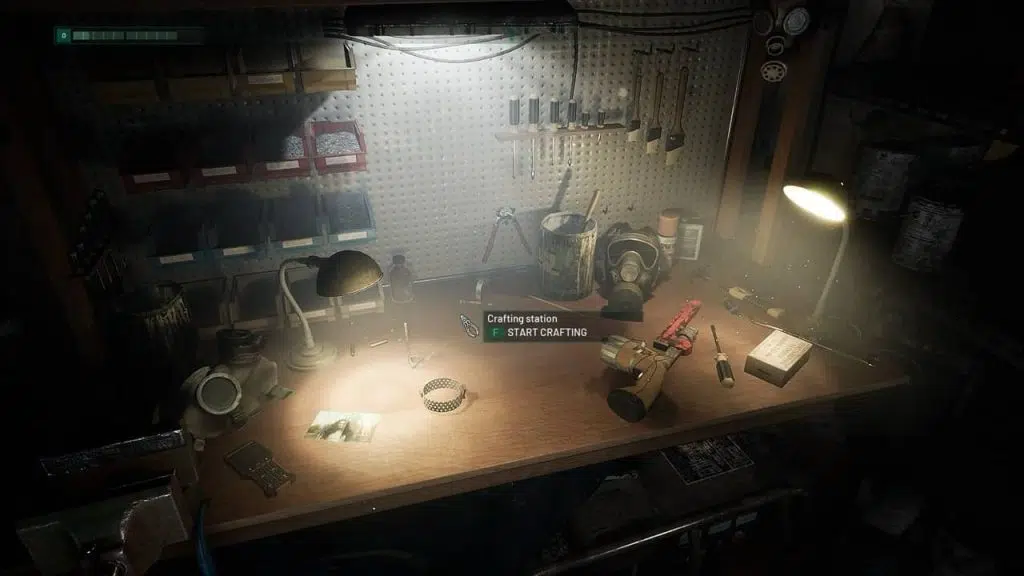
Chernobylite isn’t a simple linear FPS game where you’d move Pripyat further and further away. It is a survival game with RPG elements. The title is very similar in mechanics and feel to This War of Mine. Each day you have one opportunity to choose an area and the reason you go to the area, whether it’s for supplies, for the main storyline, or to get some evidence or traders. These areas are patrolled by NAR units. And since you return to these areas repeatedly, your actions affect that area in the future. You also spend your time in a safe place, and that is your sanctuary, where you have the option of building and crafting so you can beautify it according to the needs of not only yourself but also your accomplices.

Monsters of the Mind and Reality

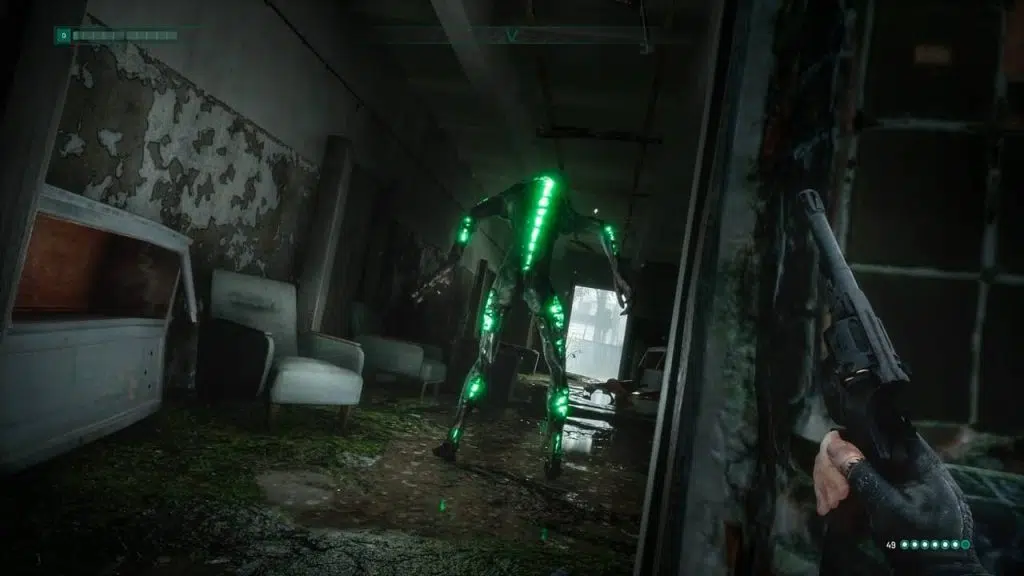
Right from the start, it’s clear that the game is more sci-fi than a survival simulator in Ukraine. The game shows you through a short introductory tutorial that the soldiers occupying the Chernobyl zone are not your only problem. Apart from your mental state projecting various monsters in your head, other monsters will cross your path usually as well, and unfortunately they won’t just dissolve because they’ll be too real. The only way to make these mutants disappear is to take their feet on your shoulders or smash them to pieces. Fortunately, the title keeps the drama up when it comes to the monsters, so you’ll rarely encounter them, and you’ll mostly feel anxiety and apprehension, even if they’re some of the weaker ones. Much more often, you’ll encounter NAR units. They are dealing, as you are, with the impact of the Chernobyl explosion. Unfortunately for them, they are standing in your way of finding your fiancée, so thwarting their plan for your life will literally be the order of the day. However, their level of artificial intelligence is making life itself too much of a hindrance.


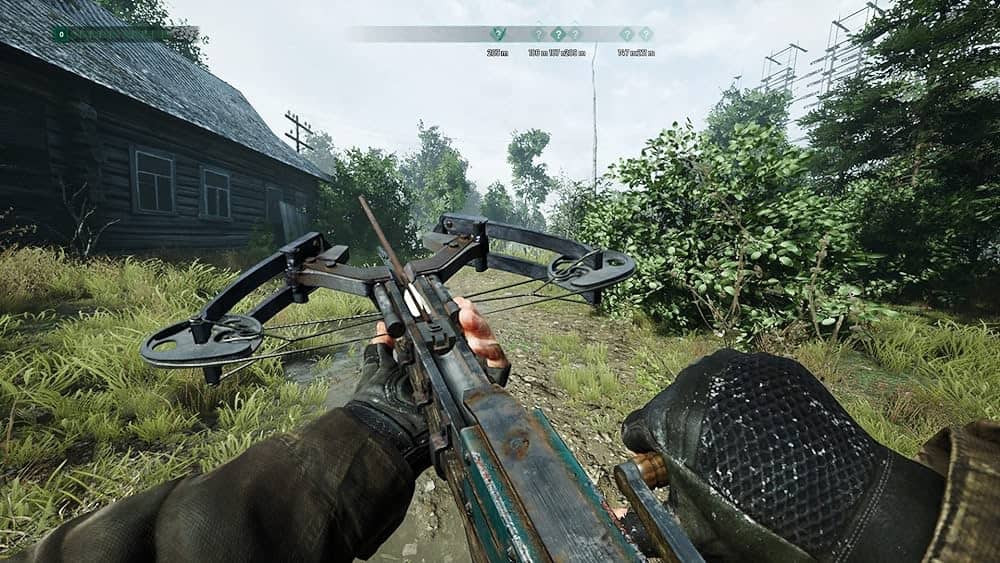
Basically, after a few rounds, you’ll know the units better than they do. Their walking routes are almost always the same, they’ll stop at the end of the route, roll something for themselves or a colleague across from them if there is one, stand for a moment, staring into the distance, and then repeat this activity over and over again unless they get stuck in the texture. Enemies have almost no peripheral vision, but they can see incredibly well into the distance. Luckily for you, Chernobylite has an indicator for how much you’re in the enemies’ line of sight, which is a good thing because your opponents can usually see you in the distance before you even notice them. An annoying sound will alert you in time, and you know it’s time to duck and preferably hide behind an obstacle. If you don’t react in time and sound the alarm, which lasts about a minute, all nearby units will be more alert and looking for you. But all you have to do is wait out of their sight for a minute, and then you can strangle them from behind again before they notice you again. The game is focused mainly on stealth in the beginning. You’ll feel the fact that you’re a scientist and not a trained soldier in the early game, so it pays to take out enemies from behind, preferably far away from their comrades. When it comes to combat, don’t expect anything dynamic. With most enemies, you’ll exchange two or three shots hiding behind an object. The average enemy doesn’t last much, but the same goes for you; every shot hurts. However, after a few practice sessions, you can shoot an entire unit with your revolver by yourself.

Building a Sanctuary

As I mentioned earlier, there are RPG elements in the game. There aren’t many of them, but they definitely change the gameplay. Depending on what member you have in your haven, you are able to learn something from them for talent points. For example, silent killing, which comes in handy, even though at times I found it less noticeable to just blast an enemy than to strangle them, either way, everyone around me noticed me anyway. Learning different skills from different members who join you is an interesting idea. Your team members will be important to you not only for learning but also for completing missions. You can send someone on each mission for you, and then it’s up to the success percentage. At the end of your mission, you’ll know how that member did and if they brought you anything or cleaned up that area a bit more than they did at the beginning of the day, which is where you’ll be following. But of course, your team members will also require something to stick with you.

Food is essential, and you want your shelter members to be comfortable, which you’ll ensure by giving them enough beds so they don’t have to sleep on the ground or fresh air. You achieve all of this by making the right items and equipping your base. The craft system here is simple yet varied. I’m not a complete fan of over-crafting myself, and I didn’t feel somehow annoyed when beautifying the retreat. All of the resources can be found on quests variously around the maps. However, the pleasant and meaningful feeling I had while crafting was definitely not there when collecting resources. In terms of loot and scenery, the game is relatively weak. Other than the enemies tap dancing in small spaces on the map, there’s not much to it. Sure, you think it’s the Chernobyl area, but I’d like to point out that it’s been a couple of decades since the explosion, and believe it or not, the countryside around Chernobyl is quite diverse. The developers may have wanted a bleaker and poorer version for the atmosphere. But that emptiness also applies to the NPCs, and I’m not referring to the content of their heads now, but their filler overall. The NPC characters, whether soldiers, mutants, or merchants, don’t do any activity, they don’t fight amongst themselves, in fact, there’s no one doing anything. They are literally waiting to see if an Igor will walk by. What the surroundings lose in variability and liveliness is instead made up for by the story and mechanics.

The Power of Chernobylite

If you can find a story NPC in the bitter landscape, opportunities often open up where you can help them, but you don’t have to. Most of the time, these choices come with a more profound outcome. Want to have your own double agent? The other team members may not like the fact that your past acquaintance is working for the enemy side, but you can take a chance and rely on his good word and later get a pat on the back for how good the information you secured was. Or you might get a pat on the back from an enemy soldier with an arm. Many decisions affect how your story continues and who will trust you or not. You may disappoint a member of your team so much that they pick up and leave. Decisions are a powerful thing in the game. But there is an even more powerful thing in the game than the decisions themselves, and that is chernobylite. The radioactive rock that was created by the Chernobyl explosion.

It powers most of the local high-tech equipment you use that no battery would be enough to power. For example, your portal gun, which will ensure your safe exit from every mission. The chernobylite rock is also vital for your memories. If you die, you go back to the beginning of the day and have a chance to retrace your steps. Before that happens, you’ll have to work your way through a web of events that will remind you of your past decisions and show you connections to the present. And thanks to chernobylite, you can change the threads of your decisions and adjust the outcome of your story. It’s an interesting system. It doesn’t suit me myself, though, because when I’ve made a decision I’ve made it and I prefer to continue to suffer the consequences for my decisions. However, these ideas are the main draw of the game in my opinion. However, the story still feels incomplete in places, and the graphics are nothing short of miraculous. The bleakness pulled from Unreal Engine 4 suits the game, but for the capabilities of this technology, the game could be clearer and smoother. The same goes for the audio, where at times your footsteps come across as extraneous, and sonically, nothing happens most of the time.

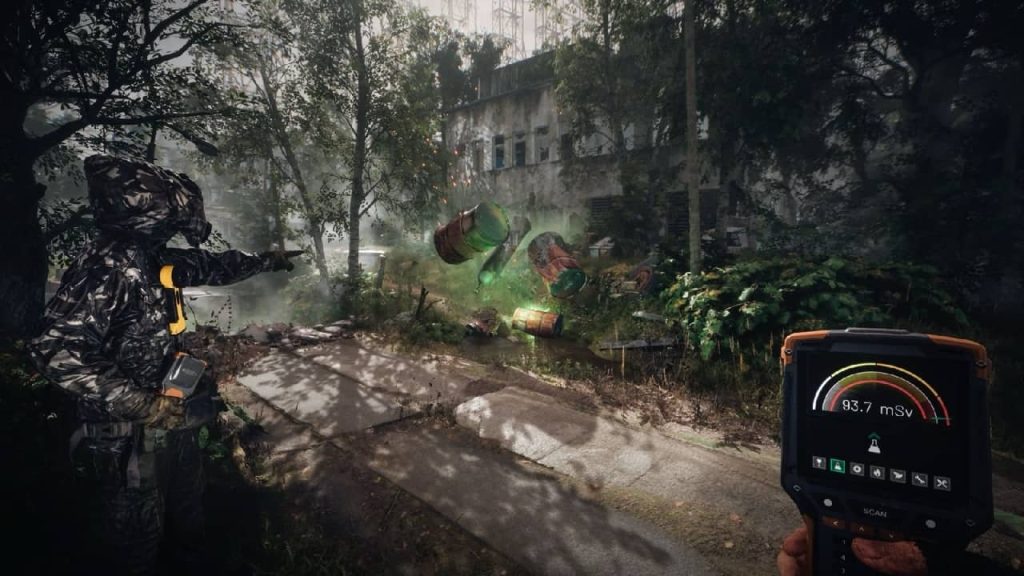
Chernobylite Radiation and anomalies around every corner

A Sci-Fi Survival Experience

In conclusion, you enjoy the audiovisual of the game and the game as a whole the most when an entity appears in front of you and wants to tell you something. Or when you’re digging through your memories and discovering the story. Unfortunately, I can’t shake the feeling that thisis to the game’s detriment, simply yawning in emptiness at other times. For my part, I give the game a rather above-average rating, which would have easily been lower if it wasn’t for the interesting story that kept me with the game. However, it’s still a shame about the details, which the developers at The Farm 51 had plenty of time to work on because Chernobylite was even in early access long enough for all that before the full release.

Where to Buy Chernobylite

  1. Steam (PC): Available for $29.99, currently on sale for $9.89 until June 13, 2024. Purchase it directly from Steam
  2. GOG (PC, Mac): Available for $11.99. Purchase it from GOG
  3. Epic Games Store (PC): Priced at $29.99, currently on sale for $9.89 until June 13, 2024. Find it on the Epic Games Store
  4. Xbox Store (Xbox One, Xbox Series X|S): Available for $29.99. You can buy it from the Xbox Store
  5. PlayStation Store (PS4, PS5): The game is available for $29.99, currently on sale for $11.99 until July 4, 2024. Check it out on the PlayStation Store

Batman:The Enemy Within – Deeper Into Shadows of Gotham

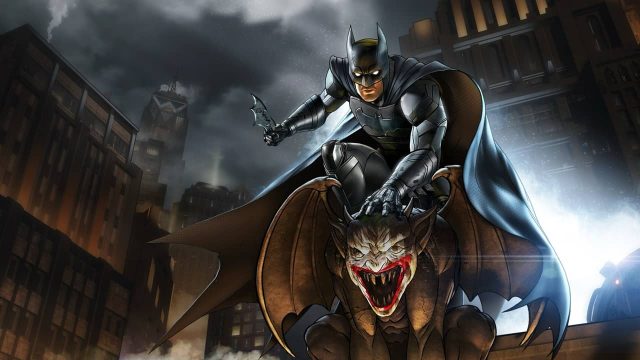
Batman The Enemy Within 3
Batman Enemy Within

Title: Batman: The Enemy Within
Developer: Telltale Games
Publisher: Telltale Games
Released: August 8, 2017
Platforms Available: PlayStation 4, Xbox One, Nintendo Switch, PC, Mac, iOS, Android
Platform Reviewed: PlayStation 4
Article Reading Time: 7 minutes

Telltale Games is a studio that has produced a decent number of episodic adventure games like Walking Dead, Wolf Among Us, and Tales from the Borderlands over the last decade or more. As many of you will know, some of the studio’s releases have not been very well received, especially Minecraft: Story Mode or Guardians of the Galaxy, which earned the title of the worst adventure game in Telltale’s portfolio. Among these gems, however, was Batman, who returned after its relatively successful first series with a sequel subtitled “The Enemy Within.” Let’s ask an important question at the outset. Was the second Batman worth it, or was it another attempt by the studio to squeeze money out of its fans? I’m one of those who love the Dark Knight as a hero from the famous comic book publisher DC Comics. Among the top of this studio is Batman, as mentioned above, the protector of Gotham City, who hides the identity of billionaire Bruce Wayne under his mask. We met him in his first adventures from his prime, where he first met Catwoman, Penguin, Harvey Dent, Commissioner Gordon, and many others.

Gotham’s New Threats

All in all, the first series served purely to introduce you to various familiar characters that you may or may not know. It shows in the quality, as Telltale’s Gotham is only beginning to be more prominently featured along with the first threats like Oswald Cobblepot or the Children of Arkham. The writers couldn’t afford to do as much as they would have liked back then, so that’s why the plot was kept somewhat grounded in places. Plus, it was all about the portrayal of individual characters. Because of this, for example, we once again got more variations on the interpretation of who Batman really is and how he came to be, which for fans who already know the series well may be somewhat dazzling. Leaving aside the fatal fact that Tim Burton, Christopher Nolan, and even Zack Snyder have worked with this element in their own films, we are left with Batman: Arkham Origins, a title in the Batman: Arkham franchise that functions as a unified retelling of Gotham’s beginnings, along with several comic books that work with the material in various ways and adapt it in their own image. But now, let’s move on to the most important thing. What is Batman: The Enemy Within even about?

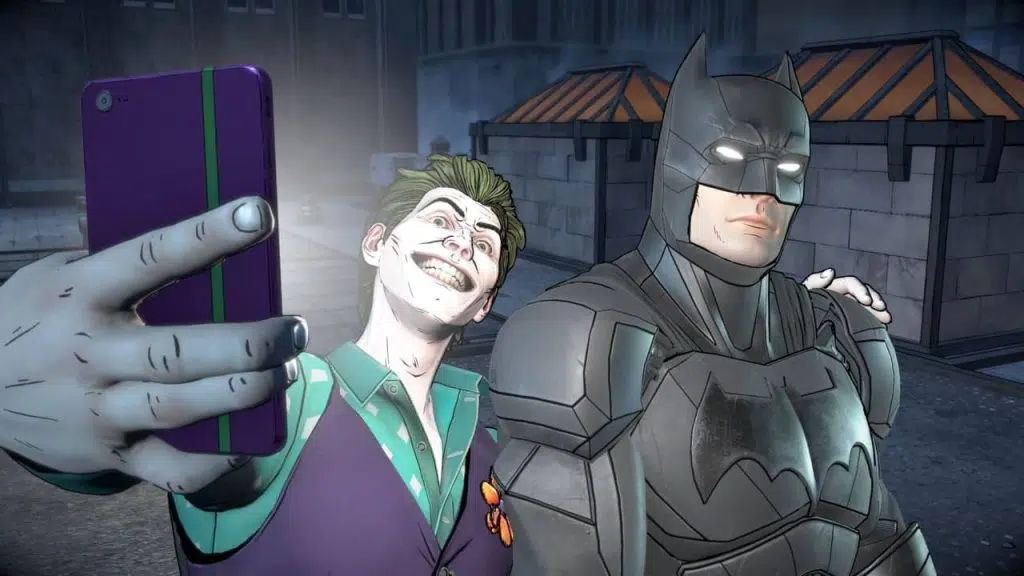
Batman The Enemy Within Joker selfie

Familiar Faces, New Challenges

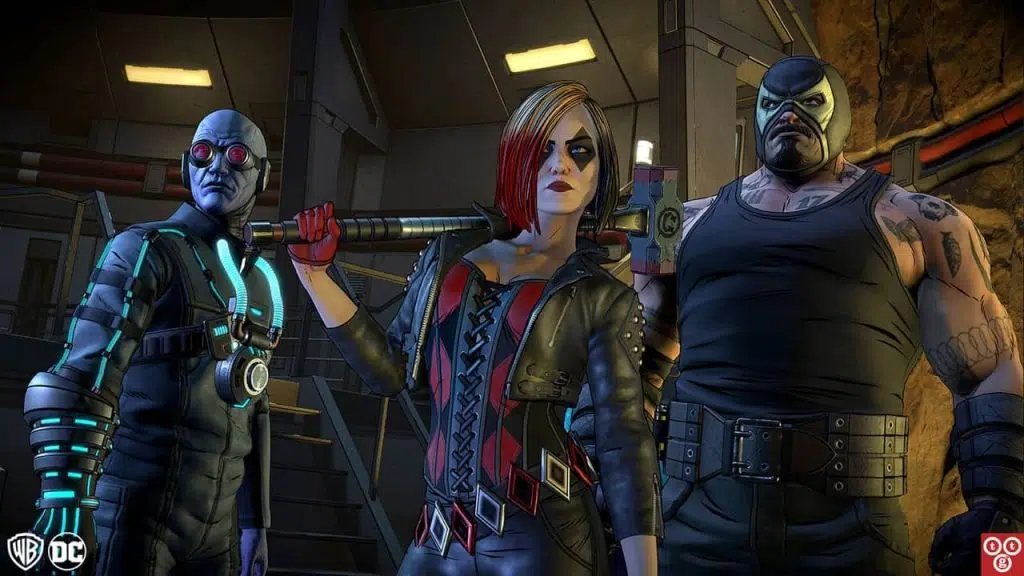
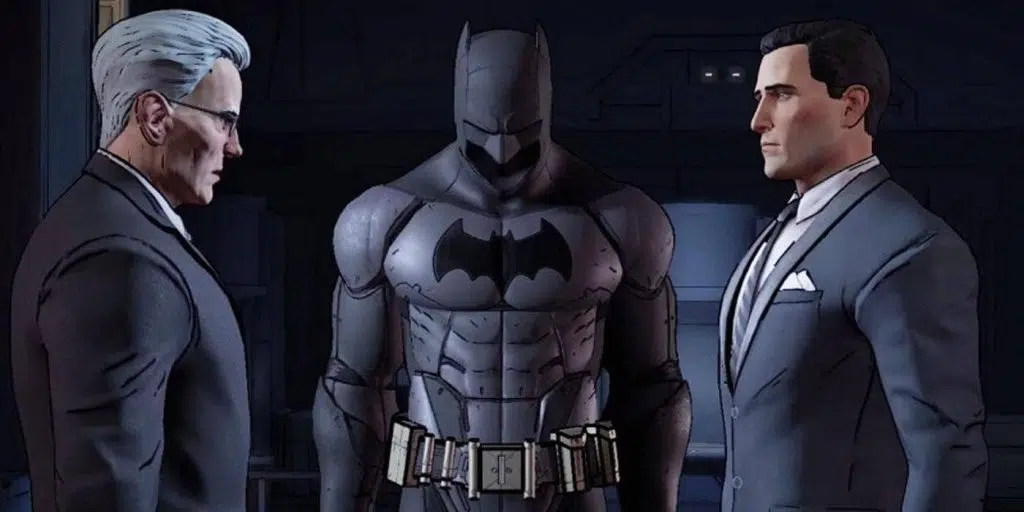
Our protagonist will have to protect innocent citizens again, as the criminal Edward Nygma, aka the Riddler, returned to Gotham when Bruce Wayne’s parents were still alive. But that’s not all, because as it seems, a new criminal organization is gradually beginning to coalesce with a diabolical plan that none of the civilians have a clue about. As Batman, you will have to intervene as soon as possible. But that’s not all. A particular group called the Agency has also arrived in the city, which has the Dark Knight under total surveillance and knows all the essential information about him that not everyone can know. Commissioner Gordon doesn’t like that, so it’s up to you to decide which side you’ll take and which you’ll cooperate with fully. From a story standpoint, it’s clear that season two wins hands down. We already know the old characters, so I appreciate the use of their potential and the interaction with the brand new characters, which, this time around, there are a lot of them, both positive and negative characters. In several cases, they are fleshed out more than most of the characters in the first season. This makes the various decisions that much more impactful. In many cases, there are also choices of a more minor nature, but even these can have a significant impact on the course of the plot.

Choice and Consequence

As I wrote above, you’ll have to choose whether to join the Jim Gordon-led GCPD side or the Agency, which is overseen by a very well-known figure in the comics world whose name I won’t reveal due to particular circumstances. Even the most minor choice, such as deciding who to call to rescue you in a dangerous situation, can profoundly affect your relationship with each side. Related to this is the novelty of being able to significantly influence the behavior of individual characters through your decisions. Additionally, at the end of each episode, you’ll always be presented with a spreadsheet to see the results of your current relationship. At the same time, the game will explain what decisions were made, the relationship with a specific person, what it is, and what all went into making it happen. This will make you blame yourself even more for your mistakes or tell yourself that you did an absolutely fantastic thing that you’re really proud of. This is a small but rather lovely addition. The finale in the last episode, called Same Stitch, is definitely worth mentioning as well, where the essence of your choices and the relationships between the characters are greatly amplified. Personally, I believe your choices here significantly impacted the story and the ending of several storylines, which you can greatly influence as you play. I have to give the developers a lot of credit in this regard, as there’s an apparent attempt to create an ending similar to Telltale’s Game of Thrones, an ending where not all characters remain the same as they were at the beginning and where not everyone turns out as well as one might think. Plus, it’s important to point out that you’ll get twists galore, and many will surely surprise you. One in particular, which I won’t mention, will even seem so unexpected that, at one point, you’ll wonder how such a thing could have happened in the first place. Which I don’t mean at all negatively, but quite the opposite.

Gameplay Mechanics

Now, however, comes the time for things that could be more pleasant. In terms of gameplay, once again, the miracle doesn’t happen, so once again, you get the typical Telltale gameplay elements. For the most part, you’re listening to conversations, deciding future events by influencing the story and pressing buttons at the right time during Quick-Time Events. The rest of the game comprises small adventure sections where you click your cursor around the environment, explore various trivia, and solve logic puzzles. Yes, the revolution hasn’t really come, which is something we simply have to accept. At least the typical recap at the beginning of episodes, which was quite usual for these episodic adventure games, has disappeared.

Conclusion on Another Point-and-click Batkam

Batman: The Enemy Within is definitely worth buying. It is an excellent title that captivated me as a fan of the “Dark Knight.” There are no changes, but you still get a great game with fleshed-out characters, compelling choices, and an exciting plot. Give this one a chance, as Telltale has done a quality job this time.

Where to Buy Batman: The Enemy Within

  1. Steam (PC, Mac): Available for $14.99 (currently on sale for $7.49). You can purchase it directly from Steam)
  2. PlayStation Store (PS4): Episode 1 is free, and the Season Pass (Episodes 2-5) is available for $14.99 (currently on sale for $7.49). Check it out on the PlayStation Store)
  3. Xbox Store (Xbox One, Xbox Series X|S): Available for $14.99. You can buy it from the Microsoft Store
  4. GOG (PC, Mac): Available for $14.99 (currently on sale for $7.49). Purchase it from GOG.com)
  5. Nintendo eShop (Switch): The complete season is available for $39.99. Purchase it from the Nintendo eShop
  6. App Store (iOS): Available for $4.99 per episode. Purchase it from the App Store
  7. Google Play (Android): Available for $4.99 per episode. Purchase it from Google Play

The Wolf Among Us: Best of Fabled Noir Adventure

The Wolf Among Us Front Picture
The Wolf Among Us

Title: The Wolf Among Us
Developer: Telltale Games
Publisher: Telltale Games
Released: October 11, 2013
Platforms Available: PlayStation 4, PlayStation 3, Xbox One, PC Game, Mac Game, Android, IOS
Platform Reviewed: PlayStation 4, PlayStation 3
Article Reading Time: 6 minutes

Introducing the Fables

Telltale Games hit the nail on the head more than a decade ago and filled a gaping hole in the market with their hugely successful Walking Dead based on a legendary TV Series. It’s no wonder they didn’t want to just let go of the golden vein they found, even two years later, and therefore served us practically the same thing, only in a different setting. Which is definitely not a complaint. On the contrary, great storytelling is not to be so despised.

From Zombies to Fables is Fresh

Wolf Among Us is thus once again an interactive film/game that relies more on the fluidity and intensity of the story, which you can partially influence with your decisions, than on puzzle solving or quick reactions. On the one hand, we have minimalistic gameplay that makes almost no demands on you, and on the other hand, a breathtaking scenario that is practically unrivaled in computer games. Similarly, the distribution method has remained the same, where the entire story has been divided into five separate episodes, released one month apart. With this format, the game is more akin to a classic TV series, and we can only give our final verdict now that we have the whole series together (almost 10 years after its release).

A Dark, Twisted Tale

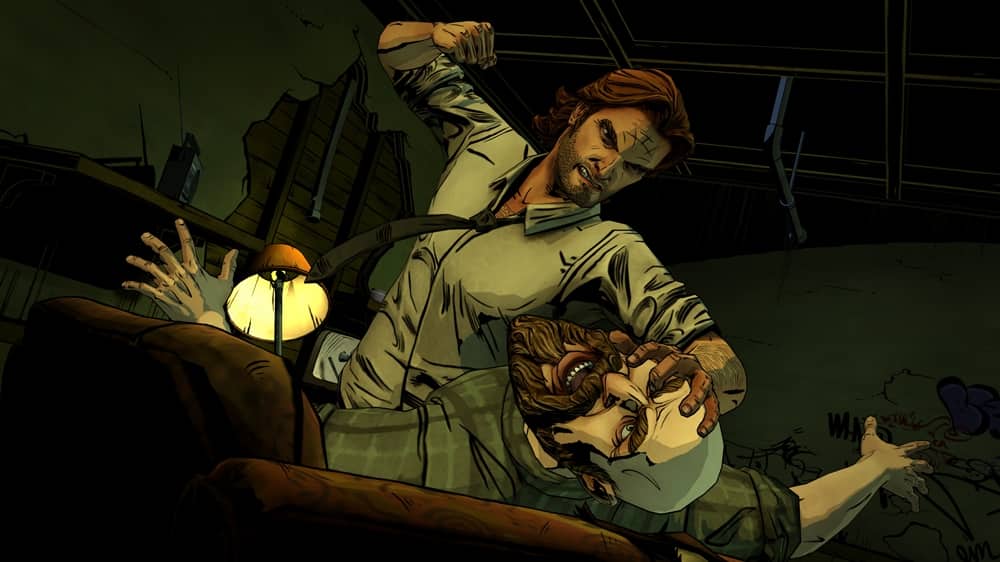
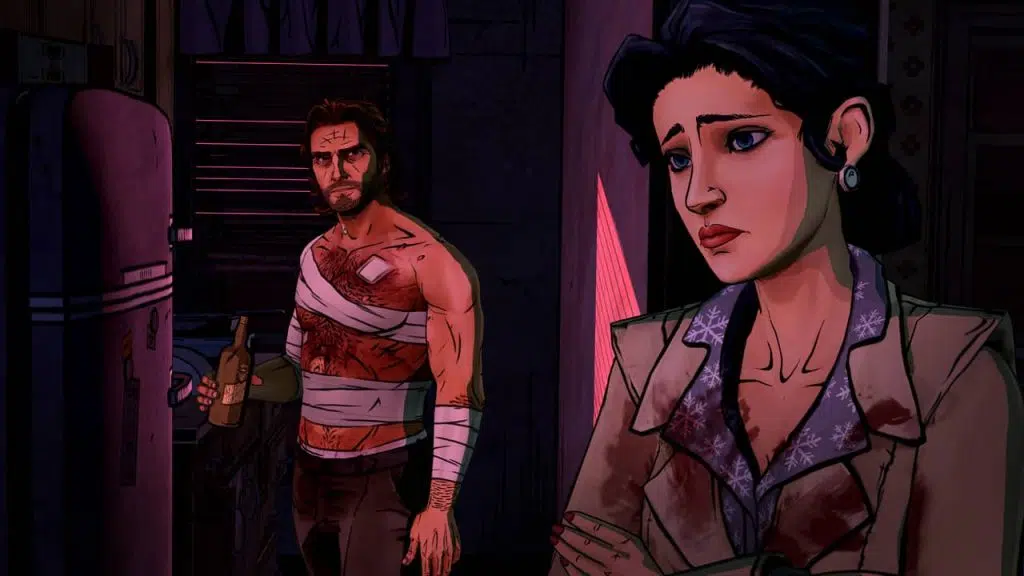
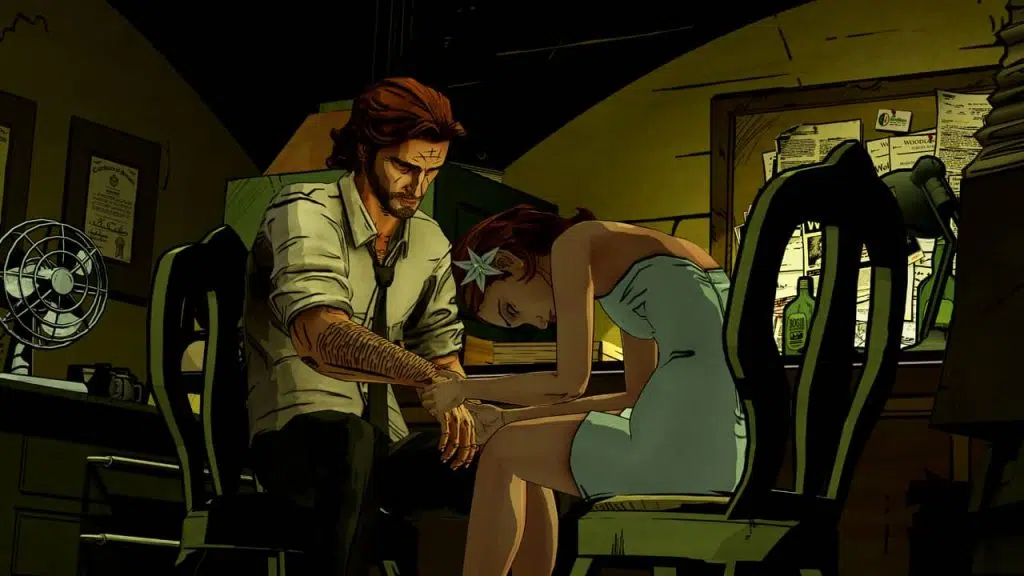
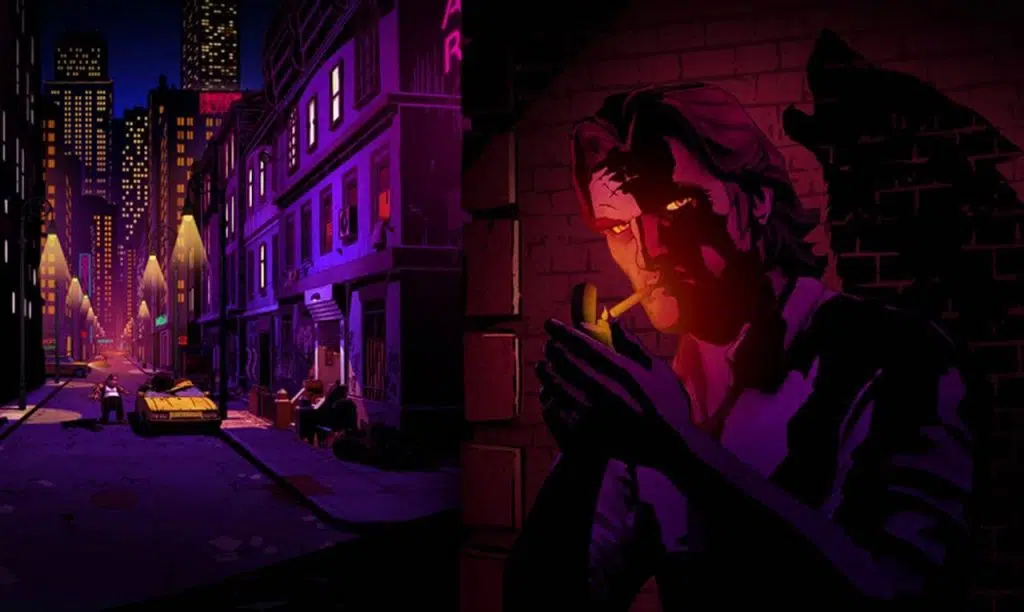
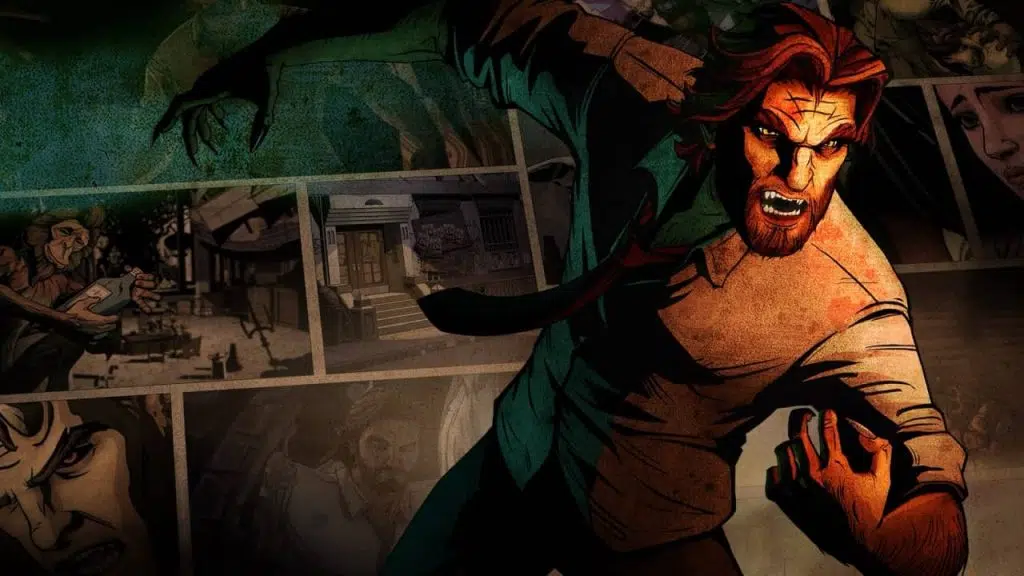
Telltale has picked up another comic, this time it’s Bill Willingham’s Fables, about the troubles of fairy tale characters in the real world among us, where they have been forced to flee from the evil plaguing their home world. The humanoid ones live an almost everyday life in disguise in their neighborhood in New York City, while the others (dragons, giants, talking animals, etc.) are down on their luck and unfortunately relocated to a farm far away from civilization. The main character is Bigby, a reformed werewolf who represents the law in Fabletown. He is a classic noir detective with a cigarette perpetually in his mouth who doesn’t go far for a fist bump.

A Detective Mysterious Story Unfolds

As it happens, during the initial investigation of an “ordinary” murder, a lot of dirt comes to the surface that shakes up the entire community. The story is undoubtedly brilliant and sophisticated, but paradoxically, it is the one I have the biggest reservations about. Because you need to know your way around the world of Fables to understand where your head stands. Navigating the complex social relationships takes work, and while the game offers a clear encyclopedia of all the characters, I highly recommend getting at least a few volumes of the comic. Splitting it into episodes didn’t help much either, especially when the gap between episodes was nearly three months at one point. While that may not bother new players at this point, getting to grips with the fake disguises, betrayals, lies, and completely unknown fairy tale characters is a little tricky even now.

Visual and Audio Excellence

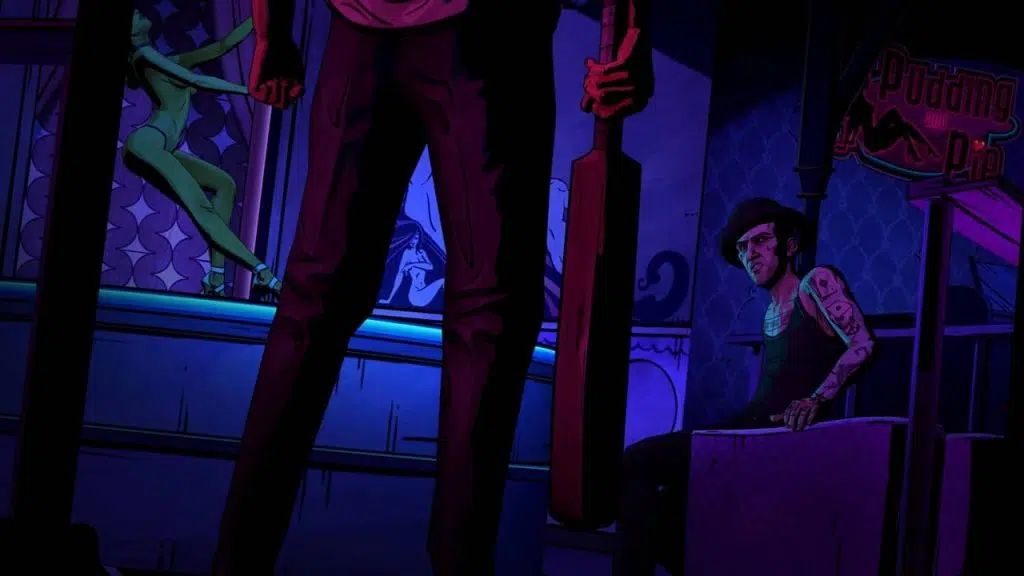
Where Wolf Among Us excels, however, is in its production style. Whereas with The Walking Dead, the graphics tended to mask technical obsolescence and had nothing to do with the original comic, this time around, every fan’s heart will cry out for joy. Right from the opening credits, the visuals maintain a clear atmospheric line, and the pastel colors combined with bold contours create a unique look. The soundtrack, of course, stays caught up, and I have to single out the traditionally great dubbing – what would a film be without proper actors. Wolf Among Us is definitely a good piece of work, but in competition with most Walking Dead seasons, it loses out, in my opinion.

Comparisons and Contrasts

This is probably because the adventures among the reanimated dead are much more straightforward more suspenseful, and one finds it much easier to navigate the characters introduced. Fabletown, on the other hand, is such an alien and different setting that it simply needs to stand out in the minimal space the writers had available, and the whole season feels more like a pilot. Which, given the quality of the game, wouldn’t be a bad thing at all. However, I don’t want to give away more about the story and the game as, as I said, the story plays the most crucial role here, and you have to experience and feel this aspect of the game for yourself. To me, the only thing left to do is to highly recommend it if you like the comics mentioned above or at least Noir detective stories.

Conclusion: A Must-Play for Noir and Comic Fans

For me personally, The Wolf Among Us earns a warm recommendation and the satisfaction of not having wasted my weekend on a subpar game. It’s a game that I can confidently say is worth your time and attention.

Where to Buy The Wolf Among Us

  1. Steam (PC, Mac): Available for $14.99, currently on sale for $7.49. You can purchase it directly from Steam
  2. Epic Games Store (PC): Priced at $14.99. Find it on the Epic Games Store
  3. GOG (PC, Mac): Available for $14.99, currently on sale for $7.49. Purchase it from GOG
  4. PlayStation Store (PS4): The game is priced at $14.99. Check it out on the PlayStation Store
  5. Xbox Store (Xbox One, Xbox Series X|S): Available for $14.99, currently on sale for $5.99. You can buy it from the Xbox Store
  6. Or get for your Wolf Among us for your Android or IOS device

Batman: The Telltale Series – Crafting Your Batman

Batman Telltale Series Feature picture
Batman Telltale Series

Title: Batman: The Telltale Series
Developer: Telltale Games
Publisher: Telltale Games
Released: August 2, 2016
Platforms Available: PlayStation 4, Xbox One, PC, Mac
Platform Reviewed: PlayStation 4
Article Reading Time: 7 minutes

Into Gotham Dark One

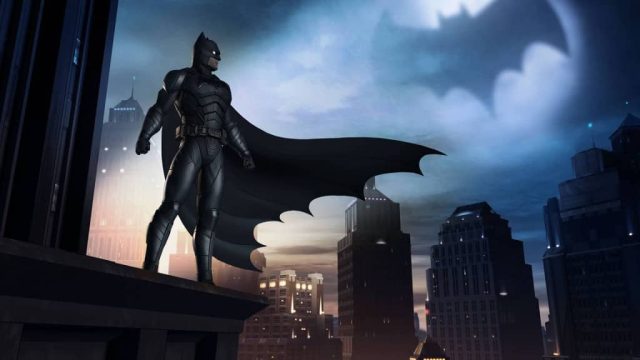
A lengthy introduction of Batman is surely completely unnecessary, as is the team of developers behind this licensed game – Telltale Games. Anyone who plays or reads about games knows roughly what’s happening here. Batman is one of the most popular superheroes ever, despite having no superpowers and quite often being more annoying than interesting with his unrelenting principled nature, but that’s mostly up to the audience or readers and writers who write a particular Batman story.

Telltale’s Storytelling

Fortunately, it’s Telltale’s games that let the players write and develop the story, so maybe it’s a good thing that the game was made this way, because you can (if you want to) play as Batman without the lame bullshit about justice. I have to say that as a fan of Telltale games, I have almost no problem actually calling them games, though there are certainly many people who might object. But here we have great point-and-click episodic adventure and no way around it. Telltale developers succeeded in writing great stories and game in their episodic Batman series.

A Fresh Start for Bruce Wayne

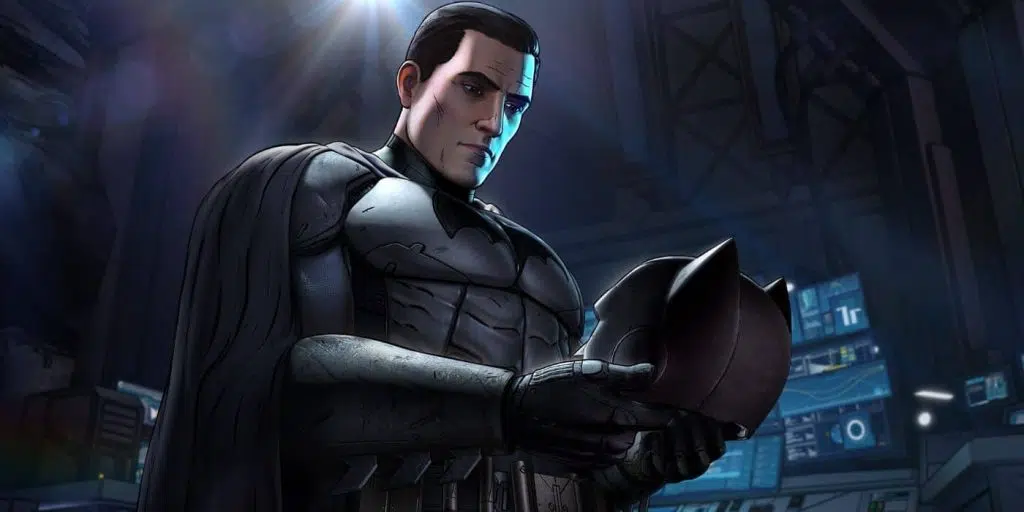
As usual, we start off pretty much at ground zero, with Bruce Wayne, aka Batman, not being resigned to the death of his parents, having no super-enemies or chasing after Catwoman, all of which is still a thing of the future. A pretty standard Batman tale in the beginning as we know it, which you have to wade through every time someone decides to tell the Batman story with a nice clean slate. However, the writers in this case know how to avoid tired clichés and try to change up the classic themes, polish them up and give them a little personality and their own point of view.

Villains and Twists

It is pleasing just the fact that the number one villain here is not the overly-maligned Joker, but the often-neglected Penguin and Lady Arkham. At the beginning of our story, both Bruce Wayne and Batman are trying to do their best for their beloved Gotham, but soon all the plans start to fall apart like a house of cards, and at the speed of sound too. Discriminatory information about Wayne’s family and ill-gotten family fortune, as well as connections to the local mafia, begin to leak out. Batman, in turn, has problems with a sect of madmen called the Children of Arkham terrorizing the city, and also with the public seeing him as a sadistic madman due to his not-so-subtle treatment of the local crime gang. And that’s just the beginning of all the trouble. one wonders if Bruce would rather not hang himself over it.

Great Atmosphere

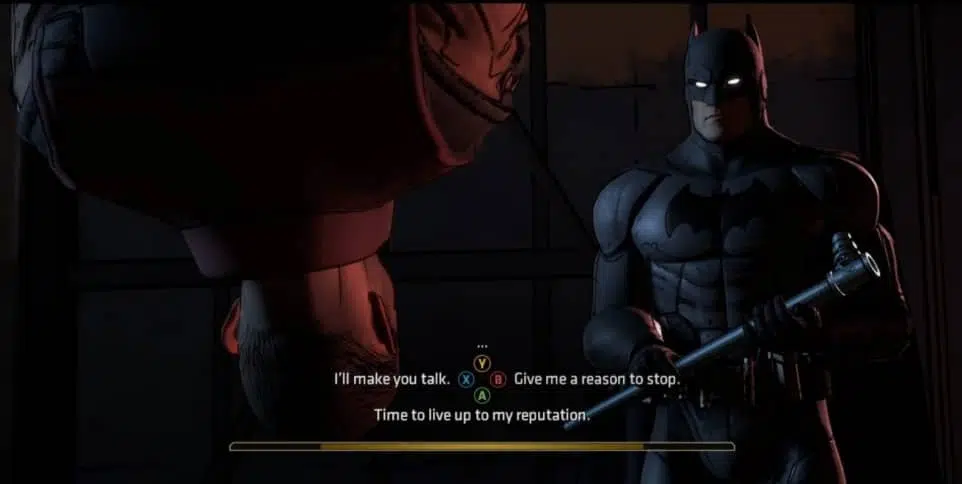
I don’t want to give away more of the story, because that’s what the game is all about and without surprises, the game wouldn’t be much fun. Telltale has managed to evoke the right dark, bleak atmosphere and there’s really no shortage of dramatic scenes. Bad luck sticks to Bruce’s heels more than the girls do to his money, and you’ll often have to make some really difficult choices for him. These (as is normal with the Telltale Series) have a major impact on the future development of the story, so look forward to your daily dose of dilemmas. The action sequences are handled by sequential cutscenes, where you have to press the appropriate button or combination of buttons at the right moment, or point the cursor somewhere and the hero will then punch someone or throw a table at them. Unlike fighting games like God of War, the window for hitting the right key is huge and as long as you don’t have six beers before playing you’ll be fine. It’s definitely more difficult to make timely decisions in conversations than in battles.

Interactions and Choices

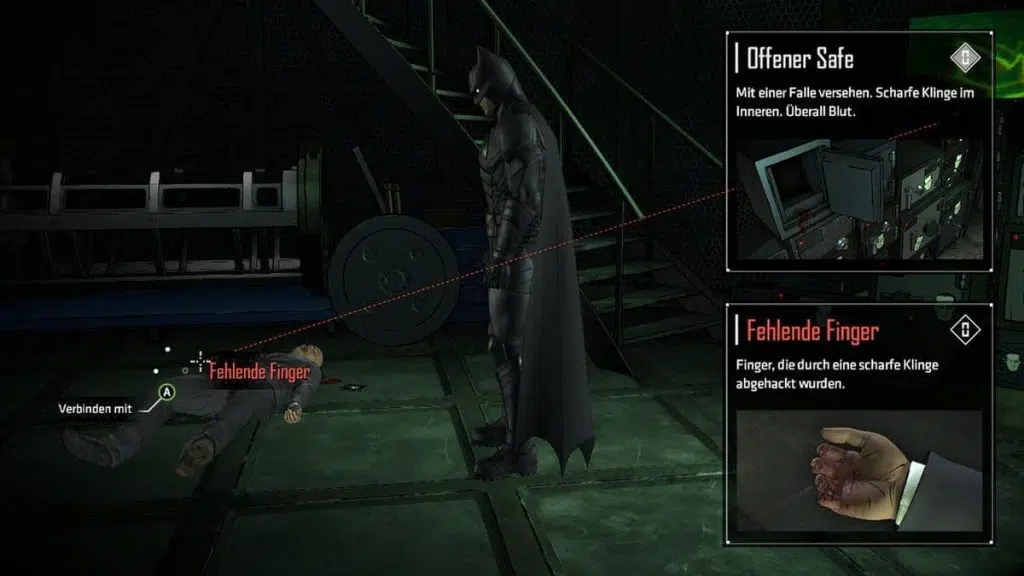
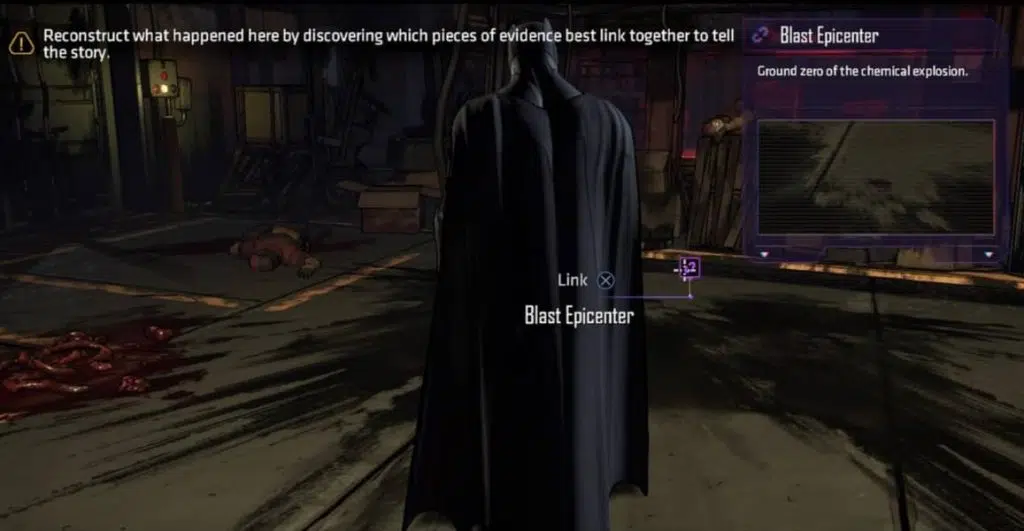
From time to time the player can even play detective and try to decipher what actually happened at the scene. In practice, this means taking a look around the area, examining the various points of interest (i.e. places that allow for some sort of action) and then trying to connect the dots to create a web of connections. It’s nothing particularly revelatory and won’t tax most of your brain cells, but it works well as a mini-game and I welcome any activity in the case of a Telltale game with open arms. Because there aren’t many of those in the game. How much you mind depends on how much you like Telltale games or how much you can immerse yourself in the story.

Detective Work and Mini-Games

The detective work in Batman: The Telltale Series offers a refreshing break from the action sequences. Players can examine crime scenes, gather clues, and piece together events in a manner that feels authentic to the character of Batman. These segments, though not overly challenging, add a layer of immersion and make you feel like the world’s greatest detective. Additionally, mini-games sprinkled throughout the episodes provide a fun diversion and keep the gameplay varied.

Impressions

I find the game hard to rate overall, just as I find all Telltale games hard to rate. On the one hand, the gameplay principles are still more or less the same as their previous efforts, and the game doesn’t really offer too much content or game time because you can do the whole thing in a weekend just fine. On the other hand, it offers a great Batman-esque story that manages to draw the player in with the power of the black hole, great dubbing by Troy Baker (Bioshock, The Last of Us, Far Cry 4…) and it doesn’t cost much money (especially if you buy it on sale). From time to time some technical glitch appears, but fortunately it’s nothing serious. So the final rating is more up to the player, and it’s just a matter of how much you like/dislike Telltale’s style and how much you like Batman. If you answer yes to at least one question, I recommend giving the game a try, I ended up having a surprising amount of fun.

Buy Batman: Telltale Series

  1. Steam (PC, Mac): Available for $14.99 currently on discount for $7.49. Purchase the game directly from Steam
  2. Microsoft Store (Xbox One, Xbox Series X|S, PC): The complete season costs $14.99. You can buy it from the Microsoft Store or play for free with your subscription
  3. PlayStation Store (PS4): The Season Pass, including all five episodes, is available for $29.99 or discount for PlayStation Plus members. Check it out on the PlayStation Store