Schedule 1, developed and published by the indie studio Unorthodox Games, is currently available in early access exclusively on PC via Steam. The full release date is anticipated in late 2024. Categorized firmly within the simulator genre, Schedule 1 sets itself apart immediately through deep gameplay mechanics and immersive depth, offering players an expansive criminal underworld to explore.
The Art of Illicit Expansion
The initial gameplay impressions are overwhelmingly positive despite the expected early-access bugs. From the outset, the game immerses players in an intricate yet intuitive drug-dealing simulation. Players begin their careers as small-scale street dealers, gradually scaling operations to manage sophisticated criminal enterprises. Core gameplay mechanics include cultivating cannabis farms, producing methamphetamine, cocaine refinement, and expanding a drug distribution network through recruitment of personal dealers. Automating supply chains and mastering money laundering businesses are essential features that keep gameplay compelling and strategically demanding.
Visually, Schedule 1 opts for a cartoonish and approachable visual style, reminiscent of the blocky, simplified graphics typical of the GTA San Andreas generation. While it lacks hyper-realistic graphics, the visual approach supports gameplay realism effectively. Animation quality remains robust enough to represent equipment management, vehicle usage, and interactive operations. Early visual impressions emphasize a practical functionality suited perfectly for managing automated production lines and expansive illegal enterprises.
The sound design inthis masterpiece complements the gameplay exceptionally well. Ambient city sounds, the hum of machinery in drug labs, and authentic weapon noises greatly enhance player immersion. The music selection supports this realism effectively, with tracks subtly enhancing tension and atmosphere during pivotal gameplay moments. The audio experience genuinely enriches the early hours of gameplay. It aligns closely with on-screen activities, making the player’s actions feel meaningful and integrated into the world.
Schedule 1 features cooperative multiplayer gameplay supporting up to four players, although this mode has not been personally tested yet. Early impressions from the single-player experience highlight immersive storytelling and atmospheric depth, as players navigate a believable criminal world filled with nuanced interactions and morally ambiguous decisions. The atmosphere, heavily influenced by titles like Breaking Bad, authentically conveys illicit trade’s high stakes and darkly strategic elements.
The user interface and controls in Schedule 1 are notably intuitive, accessible, and straightforward. Menus are clear, functional, and logically structured, allowing players to manage complex operations smoothly. Accessibility features such as scalable UI elements and clear iconography ensure clarity, enhancing the game’s immediate approachability. This thoughtful UI design minimizes early frustrations, despite the game’s inherent complexity.
Technical performance during early access reveals impressive strengths despite occasional bugs and glitches. Schedule 1 runs smoothly for the most part, but minor optimization issues do surface intermittently, such as occasional frame drops during intense activity. Notably, the development team has already demonstrated a strong commitment to addressing these issues, releasing a substantial early update that significantly improved stability and overall performance.
Personal standout moments in my initial 60-hour marathon included successfully establishing my first automated cannabis farm and witnessing the real-time expansion of my network of dealers. The tangible sense of progress—from street-level dealing to overseeing a vast criminal enterprise—was deeply engaging and consistently rewarding. Subtle details like realistic law enforcement reactions and the necessity of careful planning for successful money laundering add layers of strategic depth appreciated from the game’s earliest stages.
One unique element noticeable early on is the seamless transition between managing production and distribution, encouraging strategic planning and efficient operation. Players quickly recognize the value of optimizing workflows, reinforcing gameplay depth and strategic management elements. These intricate details elevate game distinctly within the simulator genre.
For fans familiar with simulator titles, Schedule 1 visually and mechanically exceeds expectations by offering unprecedented depth, realism, and strategic possibilities. Its unique approach, emphasizing criminal operations management, sets it apart clearly from typical entries in this genre.
About Schedule 1
Title:Schedule 1. Type of Game:Simulator. Developer:Unorthodox Games. Publisher:Unorthodox Games. Released:Late 2024 (Early Access available) Platforms Available:PC (Steam) Platform Reviewed:PC Level of Maturity:Mature (18+)
PlayStation: Currently unavailable, release TBA on the PlayStation Store.
Xbox: Currently unavailable, release TBA on the Microsoft Store.
Note: The game is currently available in Early Access with ongoing updates, including additional content and gameplay improvements. For more reviews and news, stay tuned to our website.
Having just finished Lies of P, the experience is fresh, and I have plenty to unpack about my roughly 30-hour playthrough. To set expectations clearly, this game sits comfortably between the expansive worlds of Elden Ring and the tighter narrative-driven experiences of Sekiro. After braving the notoriously challenging world of Sekiro, Lies of P felt surprisingly manageable. Most bosses succumbed after only a handful of attempts, with the notable exception of one particularly stubborn enemy near the latter portion of the game. However, disappointingly, the final boss battle, which usually signifies a high watermark in Souls-like experiences, was too straightforward, leaving a somewhat bitter taste as I concluded the story on my second try. This felt distinctly rushed and anticlimactic compared to the buildup earlier in the game.
Detailed Storytelling and Player Choice
Where Lies of P excels notably is in its approach to storytelling. Typically, Souls-like narratives demand significant effort from the player—piecing together lore through environmental cues, cryptic item descriptions, and scarce dialogues. However, Lies of P chooses to openly share its narrative, making it accessible without losing depth. Conversations with NPCs feel organic and provide substantial clarity about unfolding events. The game places strong emphasis on player choice, revolving around the concept of truth versus lies. These choices directly influence multiple endings, making each playthrough distinctively personal.
My approach was intuitive—I made decisions based purely on instinct, navigating the game authentically, which led to a conclusion I found quite satisfying. My wife, who usually steers clear of Souls-likes, even appreciated the narrative quality, underscoring the game’s story-driven appeal. There’s strong replay value here, as different narrative choices promise significantly varied outcomes, motivating me to revisit and explore alternate paths.
Combat: The Fusion of Sekiro and Dark Souls
Combat is undoubtedly one of Lies of P‘s strongest aspects. The mechanics clearly take heavy inspiration from Sekiro, notably featuring parrying and prosthetic-arm functionalities. The prosthetic arm is particularly reminiscent of the Shinobi Prosthetic in Sekiro, offering diverse combat options and strategies. Yet, what distinguishes Lies of P is its innovative “double-link dodge” mechanic, which closely mirrors the familiar dodging mechanics from Dark Souls. This addition cleverly provides players a viable alternative if they struggle with precise parry timings.
In practice, I tested this extensively and discovered that it’s genuinely possible to complete challenging encounters without mastering parries, thereby expanding the game’s accessibility. This flexibility does reduce the overall difficulty compared to traditional Souls-like titles. Consequently, Lies of P positions itself ideally as an introductory experience for newcomers, allowing them to comfortably transition into this typically punishing genre.
Modular Weapon System: A Game Changer
One of the most exciting aspects of Lies of P is its modular weapon customization. This innovative system allows you to split weapons into distinct parts—specifically handles and blades—which can then be freely combined. The handle dictates special abilities and swing speed, significantly impacting combat styles. This modularity is more than a gimmick—it actively enriches the strategic depth of the combat, encouraging extensive experimentation and personalized playstyles.
Personally, I discovered a combination early on—a massive bone-cutting saw paired with a quicker handle—which dramatically boosted my combat efficiency. This setup allowed me to swiftly dominate enemies, and although it reduced some challenge, it never stopped being genuinely enjoyable. There’s a considerable variety of special weapons, many of which remain unexplored even after my full run, providing additional motivation to replay the game.
Graphics, Visuals, and Technical Performance
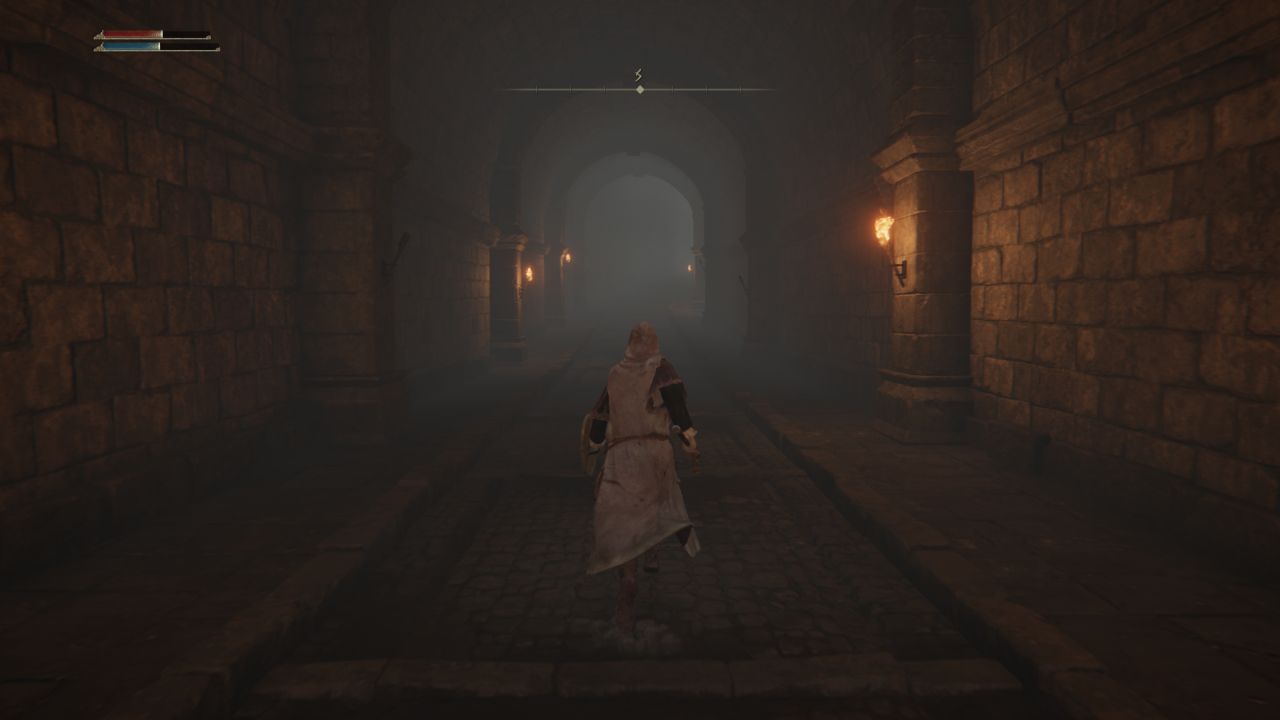
Graphically, Lies of P is impressively polished and consistently immersive. Despite playing on an older setup—DDR3 RAM included—the game performed admirably at high-detail settings. Minor visual glitches occasionally occurred, such as enemies appearing abruptly behind me in cleared areas, but nothing seriously impacted gameplay.
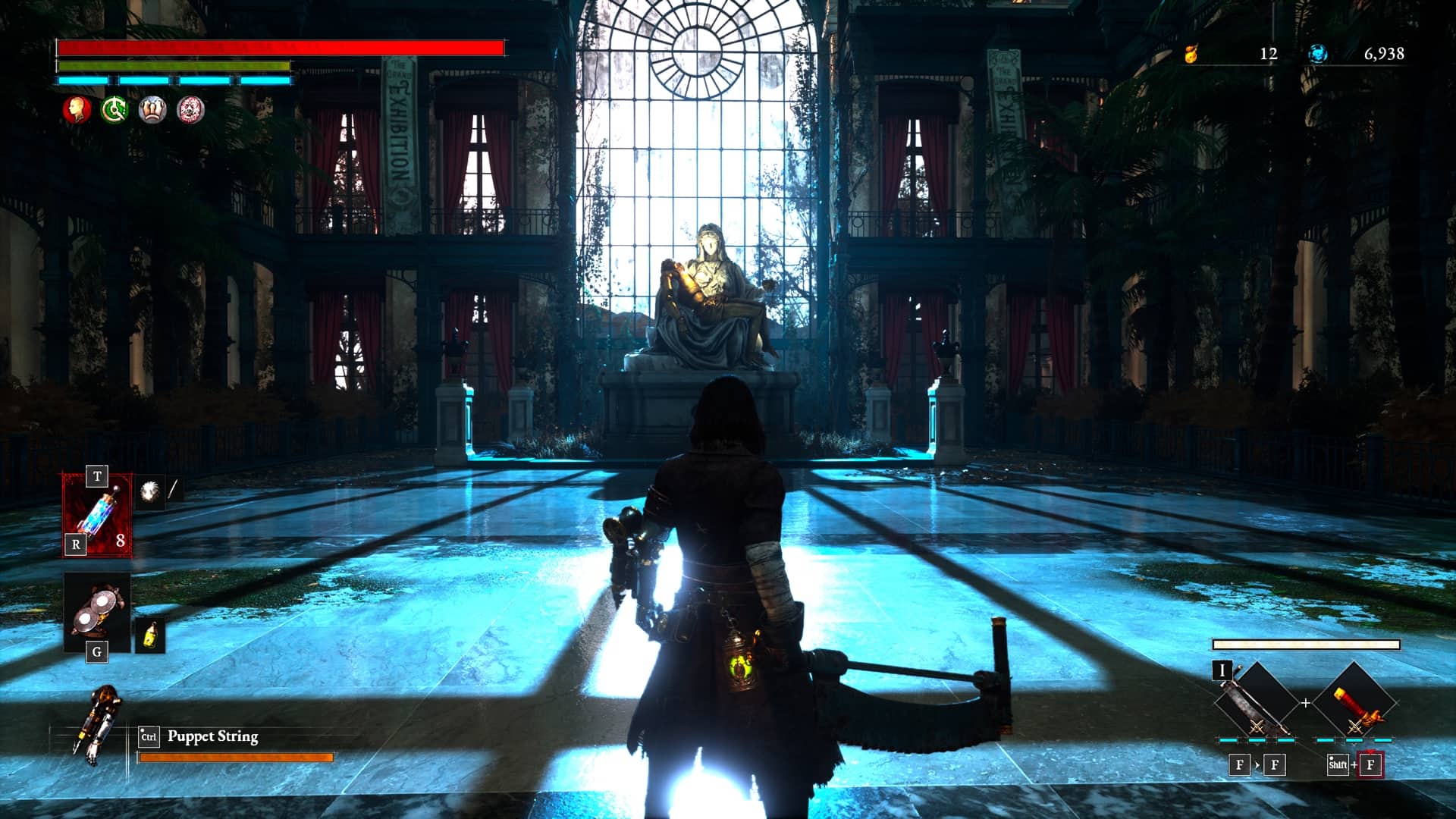
The visuals beautifully capture a stylized interpretation of the Belle Époque setting. The city environments, especially locations like Krat City and the Grand Exhibition, stand out with meticulously designed architecture and atmospheric lighting. The Cathedral Ruins provided another memorable backdrop, enhancing the game’s richly detailed and immersive setting.
Sound, Atmosphere, and Artistic Direction
The audio landscape in Lies of P supports the gameplay without stealing the show. While the sound design is solid, contributing effectively to atmosphere and combat immersion, nothing stood out as particularly exceptional or memorable.
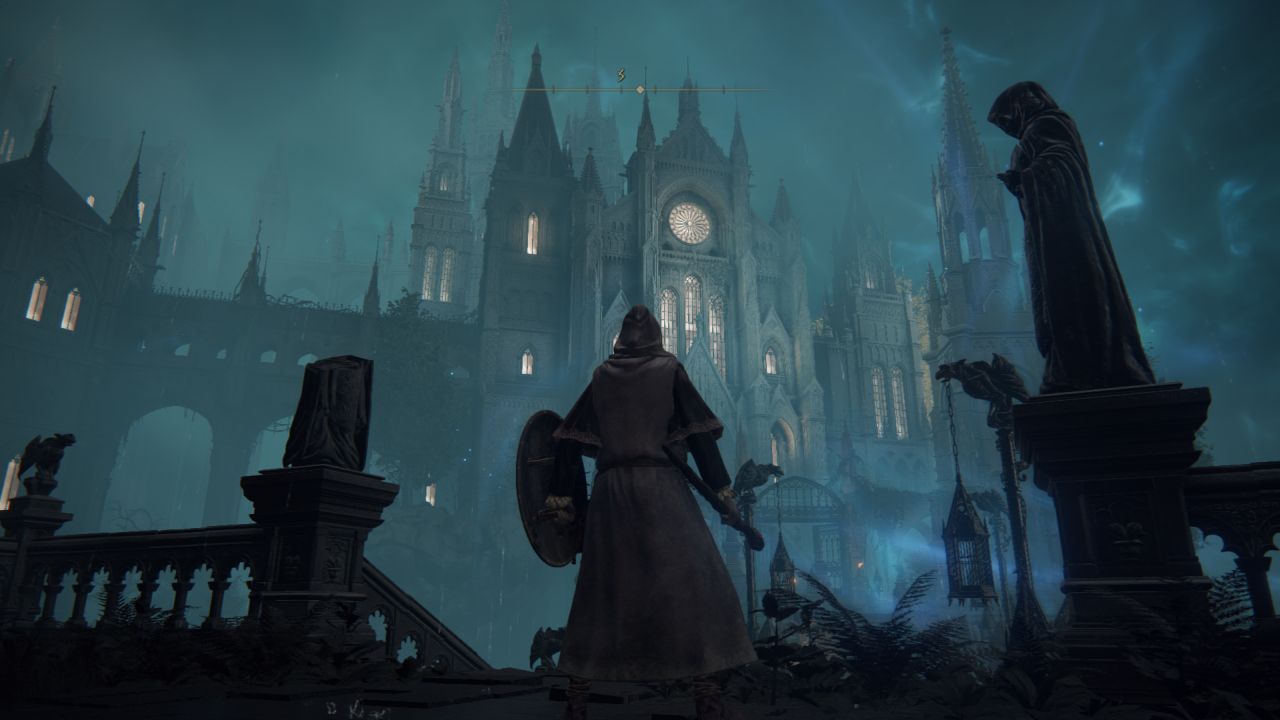
Lies of P Saintess of Mercy Statue
However, the artistic direction—drawing inspiration from the tale of Pinocchio—offers a nostalgic charm that resonated strongly with me. It managed to evoke a sense of familiarity intertwined with fresh narrative twists. This theme of lying versus truth, integral to Pinocchio’s story, cleverly integrates into the gameplay itself, providing thematic depth and resonance.
Replayability and Longevity
Replay value in Lies of P is commendable, primarily fueled by the significant impact of player choices and modular weapon systems. While the game doesn’t revolutionize replayability in the Souls genre, it provides strong incentives for multiple runs. Experimenting with alternate endings, different narrative paths, and unexplored weapon combinations offers compelling reasons to return.
Comparing Lies of P to Other Souls-likes
Positioned between the aggressive, parry-dependent combat of Sekiro and the cautious, stamina-driven engagements of Dark Souls, Lies of P comfortably integrates mechanics from both styles. Although heavily inspired by Sekiro, the game’s flexibility provides multiple approaches for combat scenarios, especially benefiting those who prefer dodging and positioning over precise parrying. This balanced approach makes it highly accessible to genre newcomers without sacrificing depth for experienced players.
About the Game
Title: Lies of P Type of Game: Action Role-Playing, Soulslike Developer: Round8 Studio Publisher: Neowiz Games Release Date: September 18, 2023 Platforms: Windows, macOS, PlayStation 4, PlayStation 5, Xbox One, Xbox Series X/S Platform Reviewed: PC Game
Where to Purchase:
Steam (PC): Lies of P is available on the G2A(referral) , Steam Store
Xbox: Lies of P can be purchases from the G2A(referral) or Microsoft Store
Since its release, Assassin’s Creed Shadows, Ubisoft’s latest installment, has achieved remarkable success. The game has set new records for the franchise in terms of concurrent players and overall popularity. Its immersive open-world experience and engaging storyline have captivated fans worldwide.
Record-Breaking Launch of Next Game in Assassin’s Franchise
Within the first 48 hours, Assassin’s Creed Shadows made a resounding impact, attracting over two million players. This impressive number surpasses the initial launches of previous titles like Assassin’s Creed Origins and Odyssey and sets a new benchmark for the franchise. Ubisoft expressed their excitement, stating, “Assassin’s Creed Shadows has now surpassed the launches of AC Origins and Odyssey.” This record-breaking launch is a bit of a surprise from Ubisoft and adds to the game’s appeal.
The game peaked at over 64,800 concurrent players on Steam, setting a new franchise record. This surpasses the previous record held by Assassin’s Creed Odyssey, which had 62,069 concurrent players. This achievement highlights the game’s popularity among PC gamers.
The game is set in 16th-century feudal Japan. Players can explore a richly detailed world, experiencing the life of a samurai or a shinobi. The game’s authentic setting and engaging storyline have been praised by critics and players. With dynamic combat and stealth mechanics, it offers a fresh yet familiar Assassin’s Creed experience.
What’s Coming Next for Ubisoft an Assassin’s Creed
Assassin’s Creed Shadows’ strong launch is definitely a win for Ubisoft, showing the franchise still has serious pull with gamers despite recent missteps. The game’s record-breaking debut and positive reception from both critics and the community mark a welcome change after several rocky releases. That said, one successful launch doesn’t necessarily mean Ubisoft has solved all its problems overnight. The company still faces challenges in rebuilding player trust after years of buggy releases, monetization controversies, and development issues. While Shadows is a step in the right direction, gamers have reason to remain cautiously optimistic as Ubisoft works to prove this isn’t just a one-off success but the beginning of a genuine turnaround for both the franchise and the publisher. For more reviews and news, stay tuned to our website.
Title: Assassin’s Creed Shadows Type of Game: Action-Adventure, Stealth Developer: Ubisoft Quebec Publisher: Ubisoft Release Date: March 20, 2025 Platforms: PlayStation 5, Xbox Series X/S, Windows, macOS, iPadOS (upcoming)
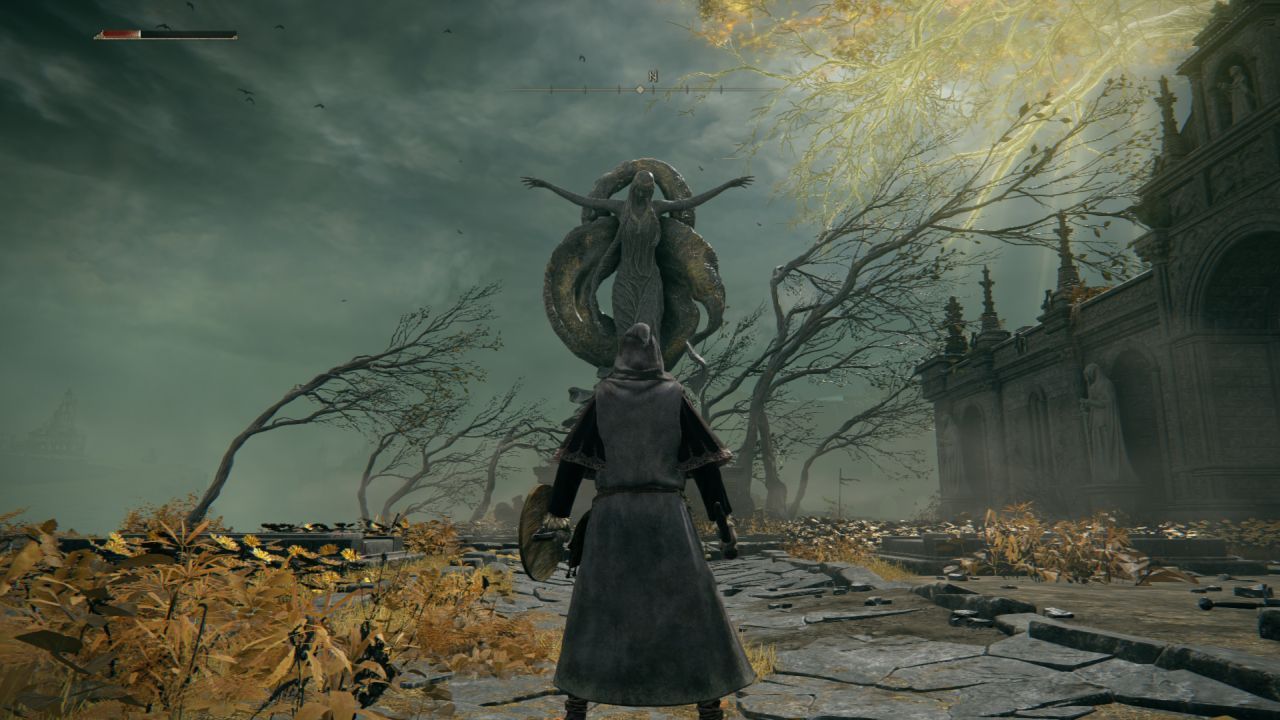
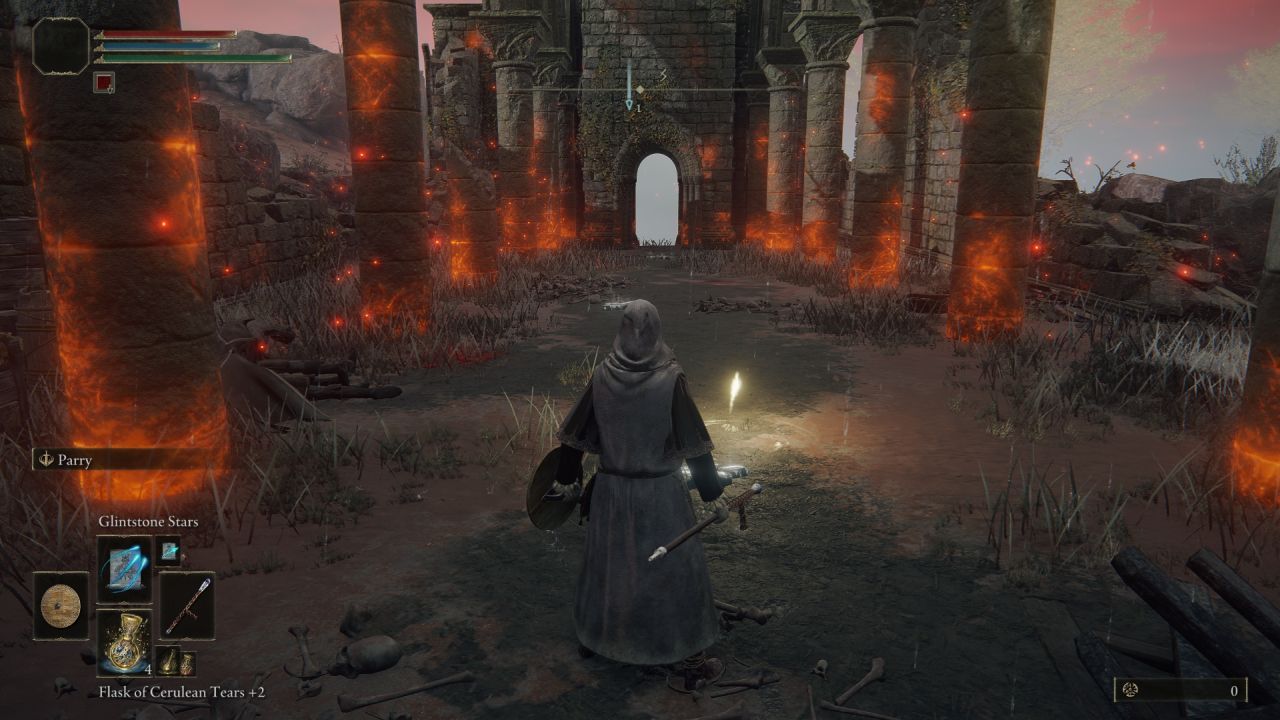
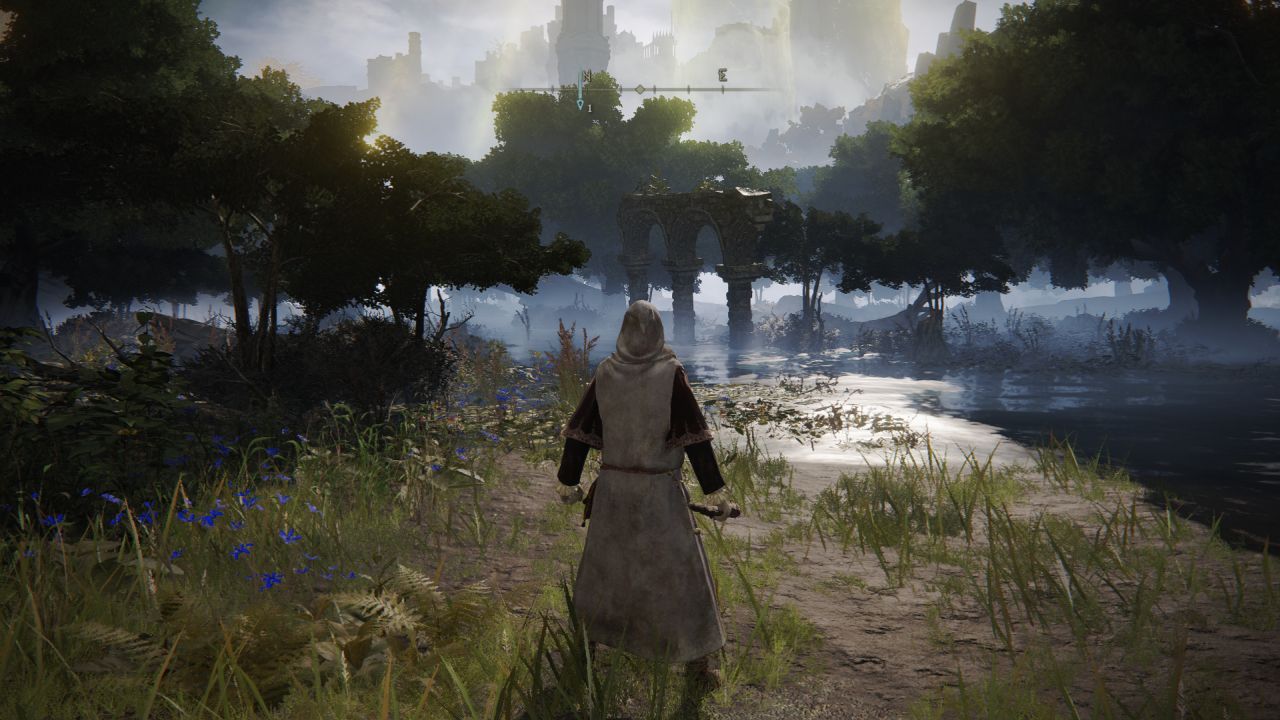
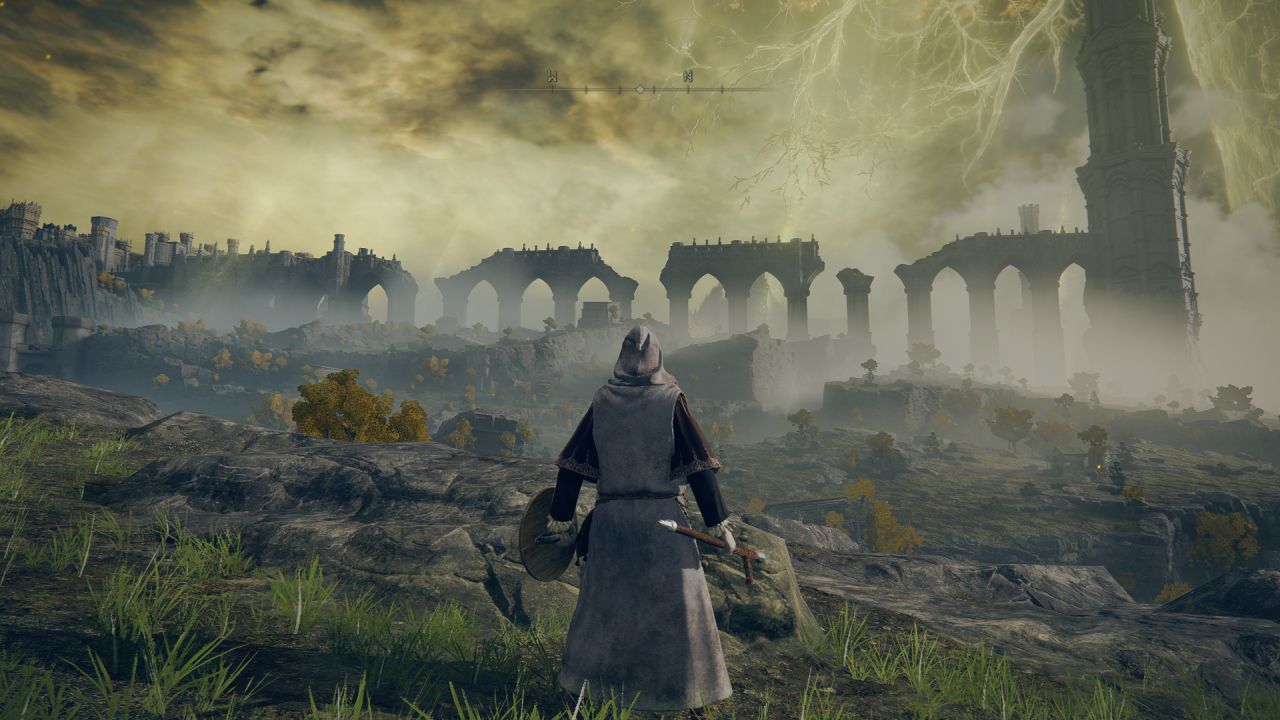
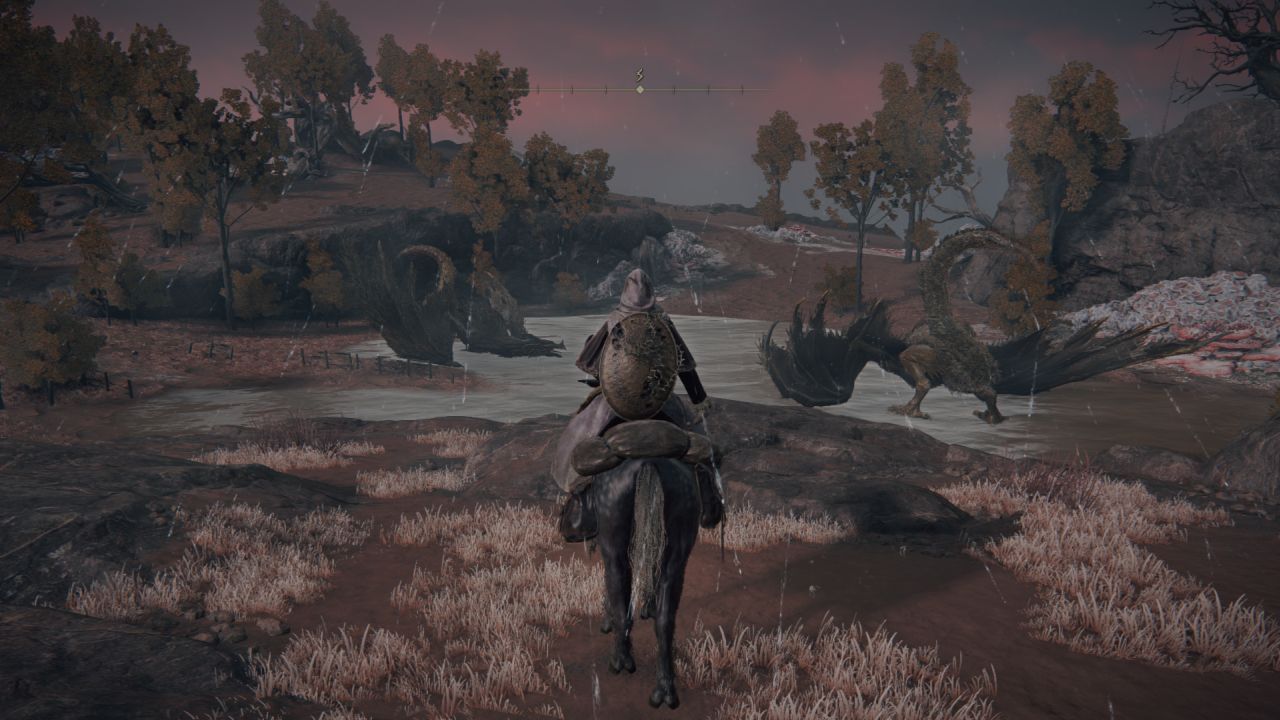
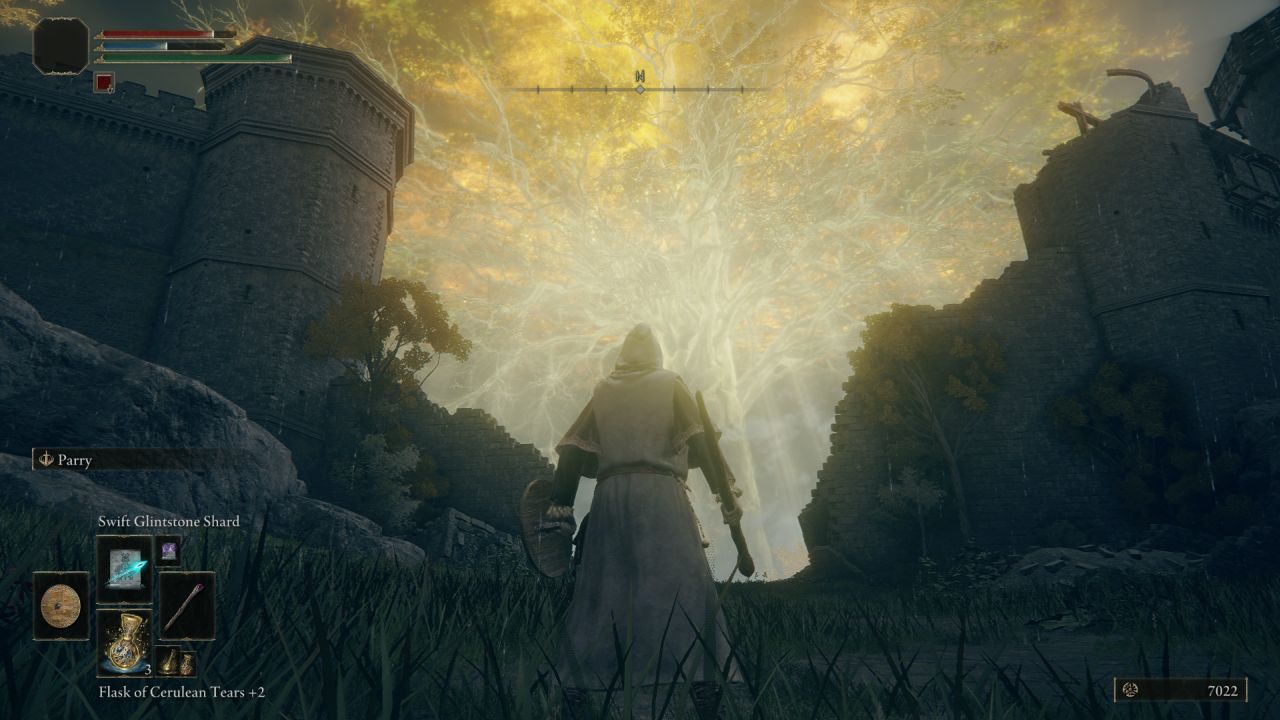
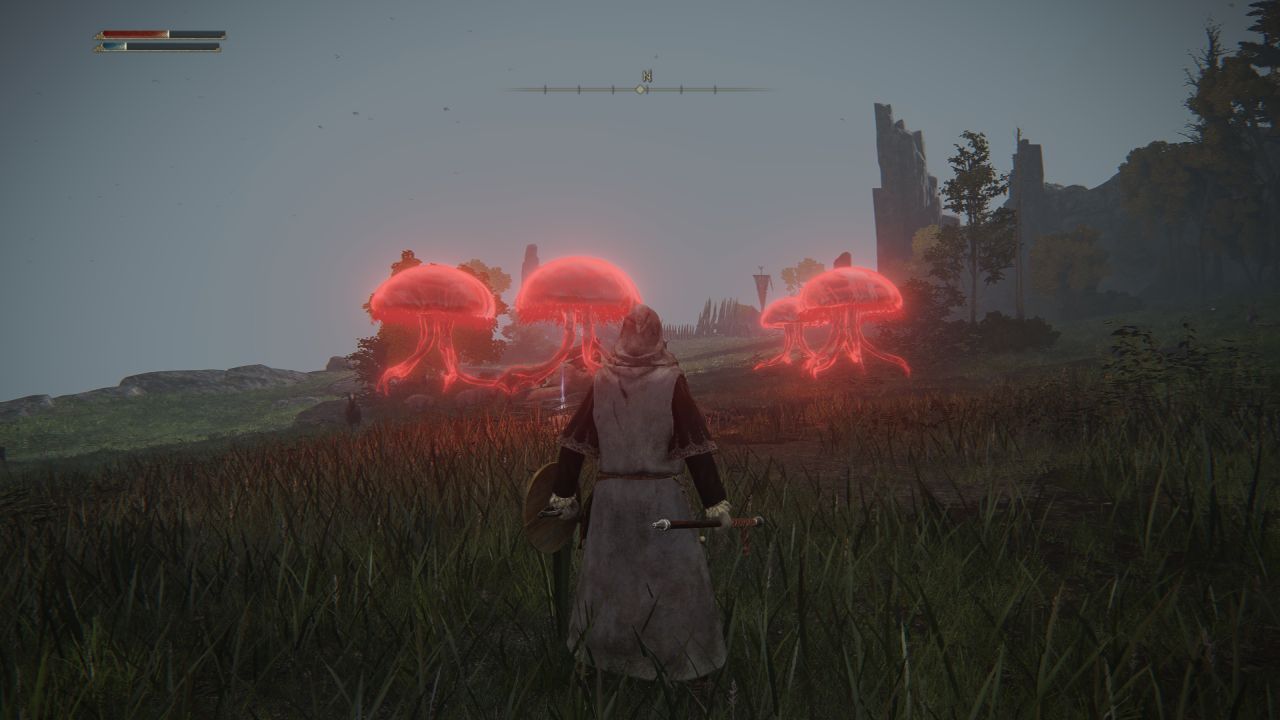
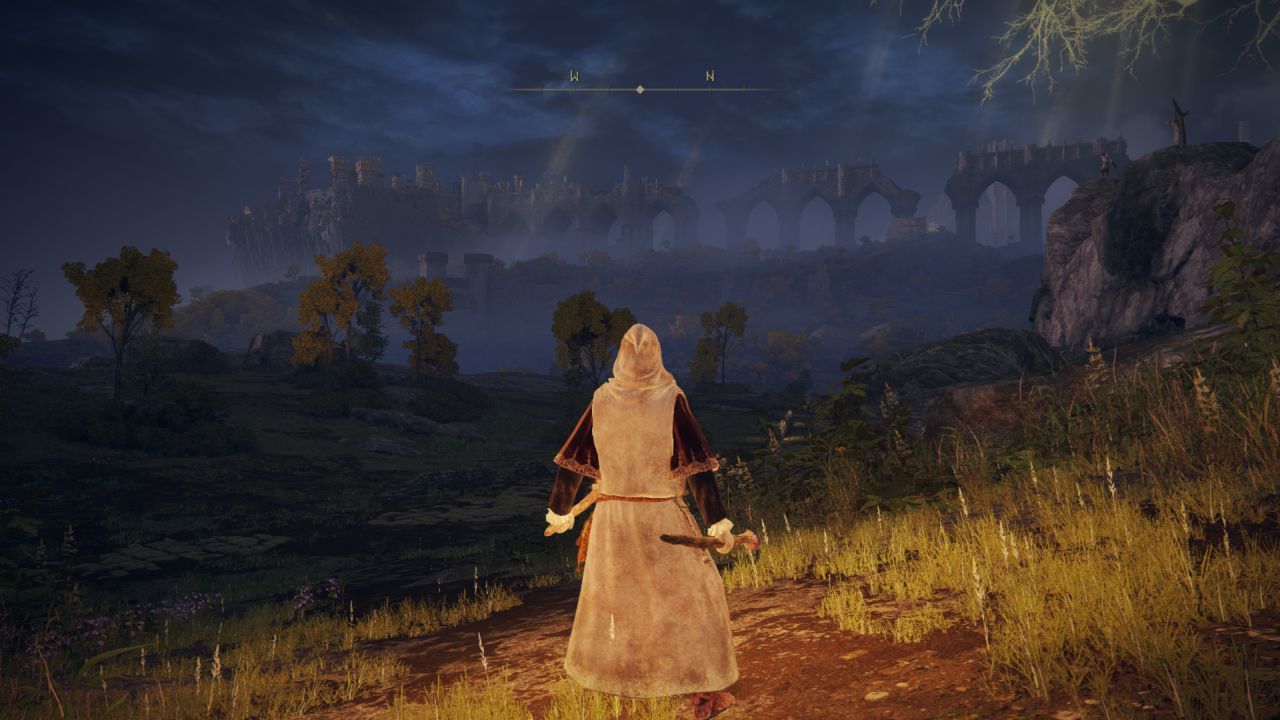
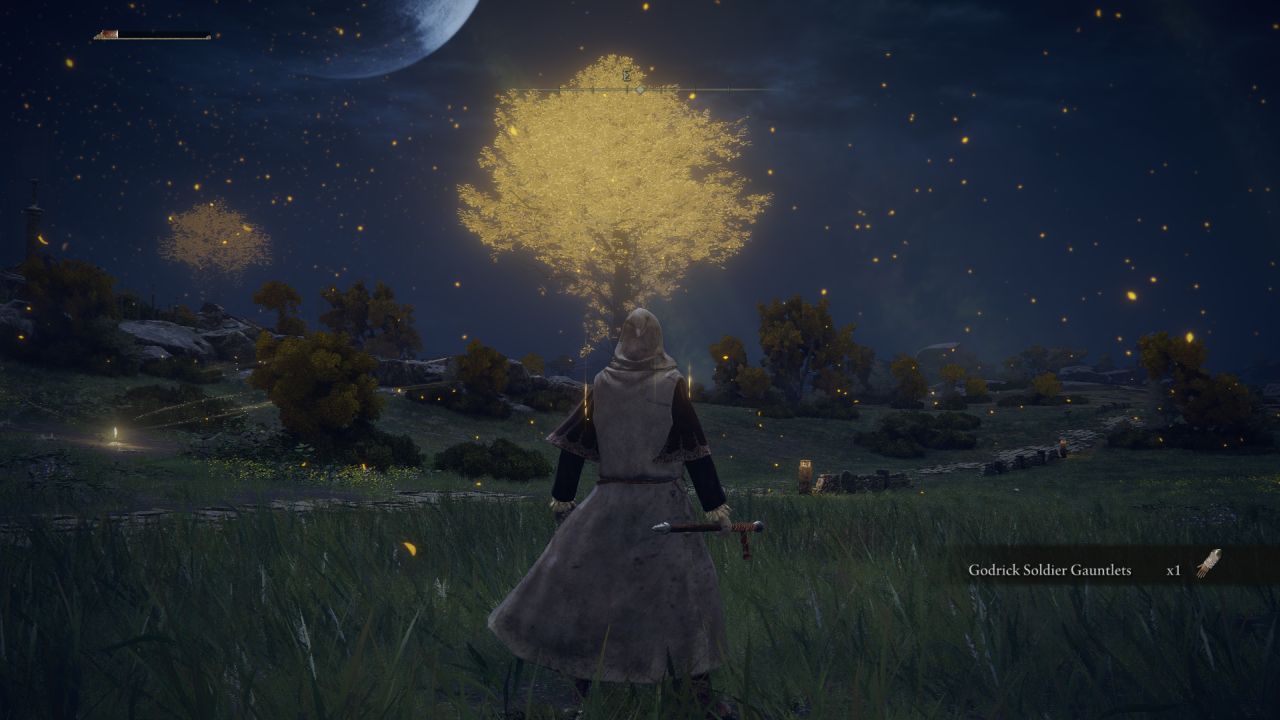
I can still recall the moment I stepped out of that initial subterranean tutorial cave into the radiant fields of Limgrave, faced by a wide expanse of rolling hills, distant fortresses, and haunting spectral trees. Elden Ring is an ambitious creation from FromSoftware—a studio famed for twisting the fantasy action-RPG formula into an art form of deliberate challenge and evocative world-building.
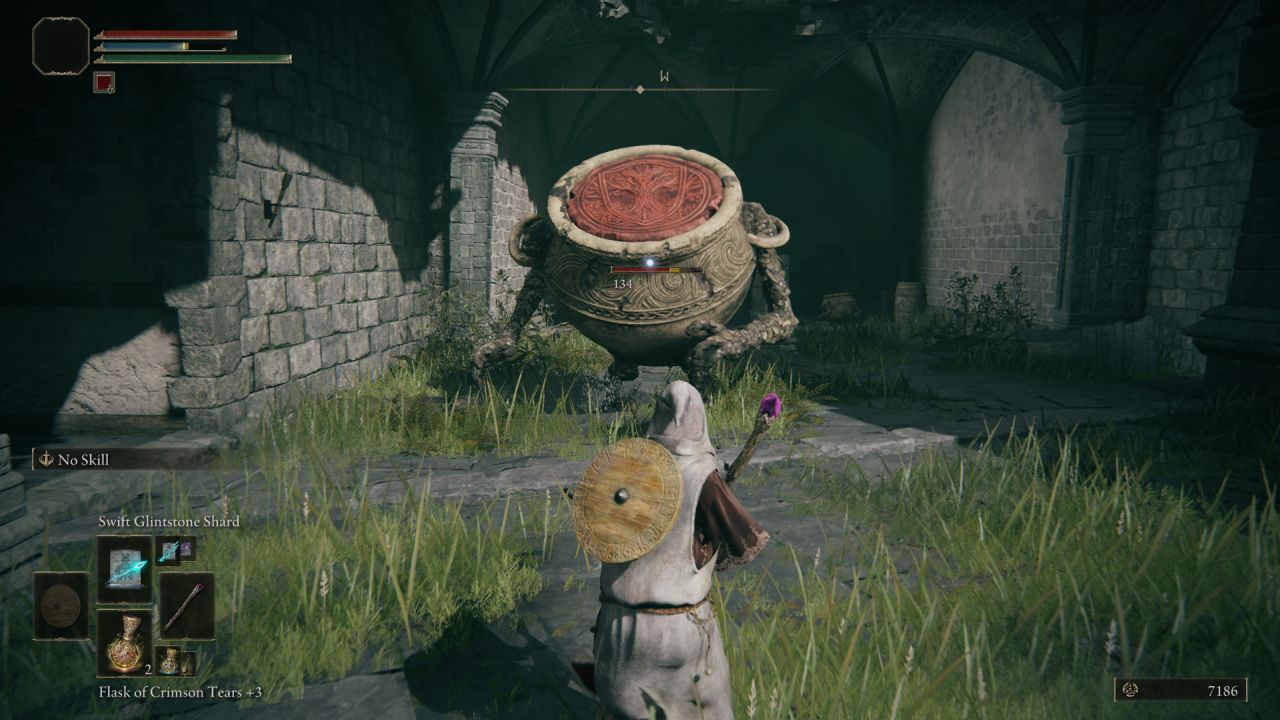
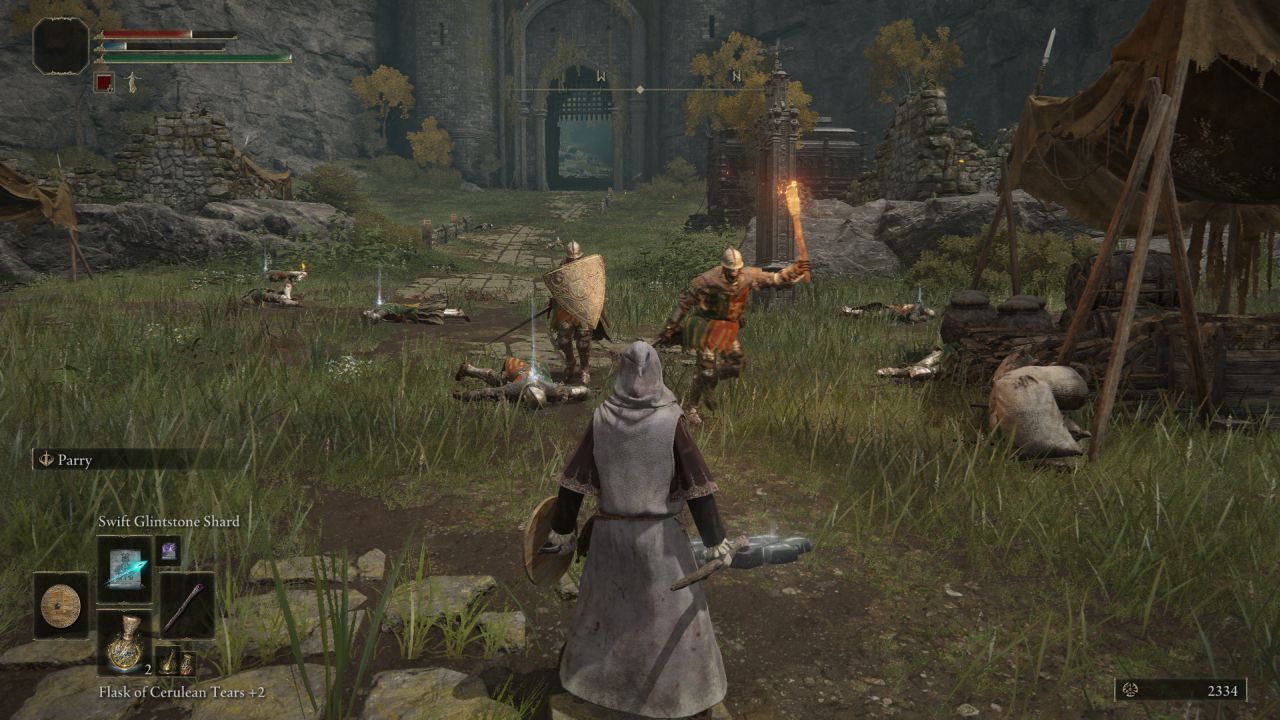
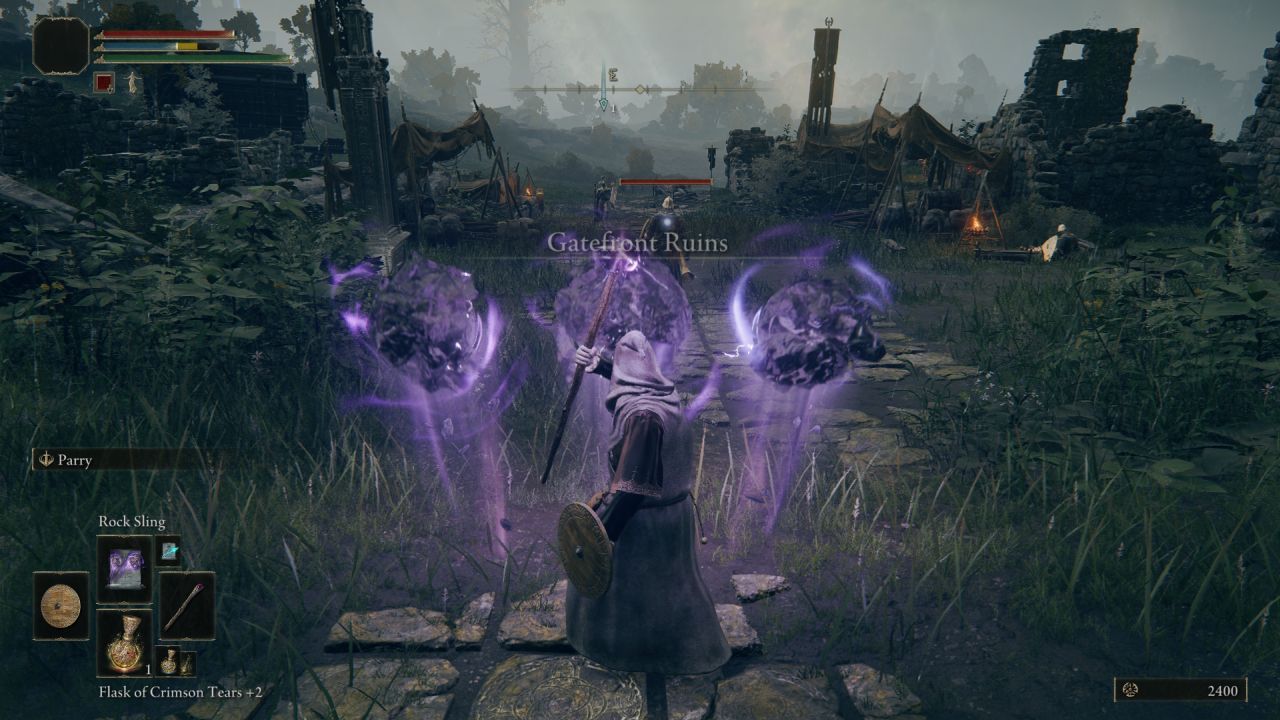
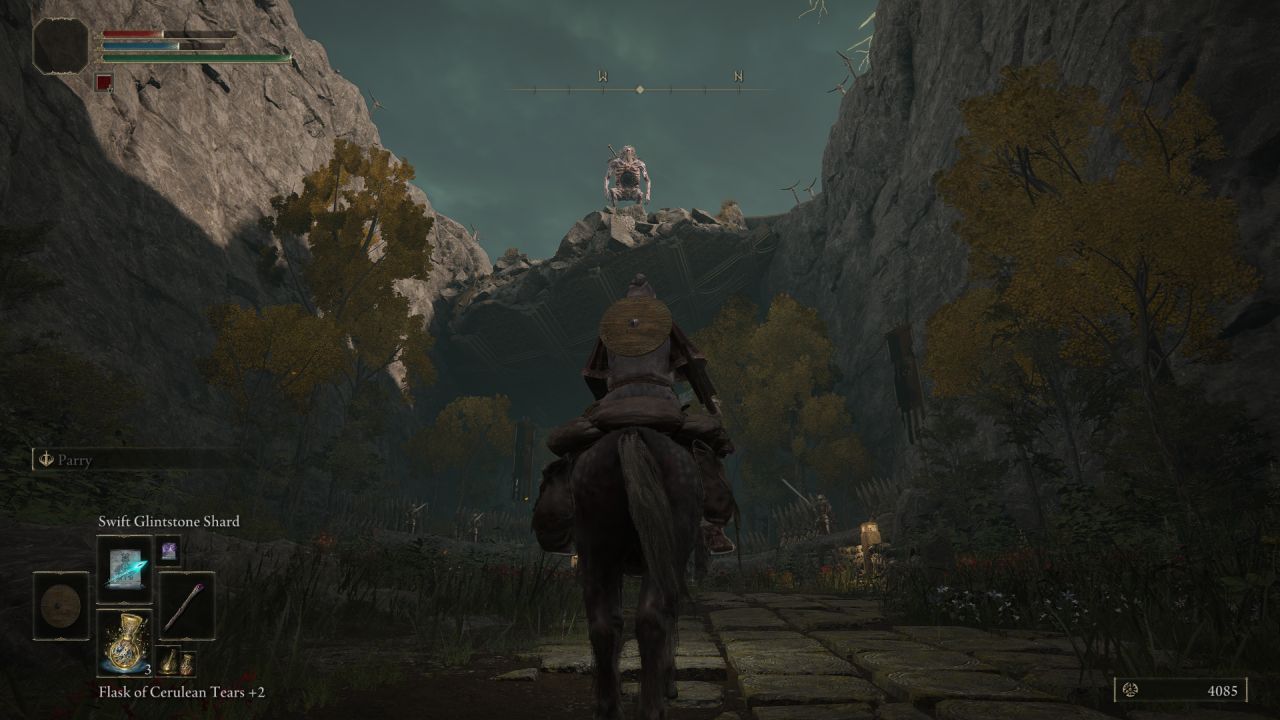
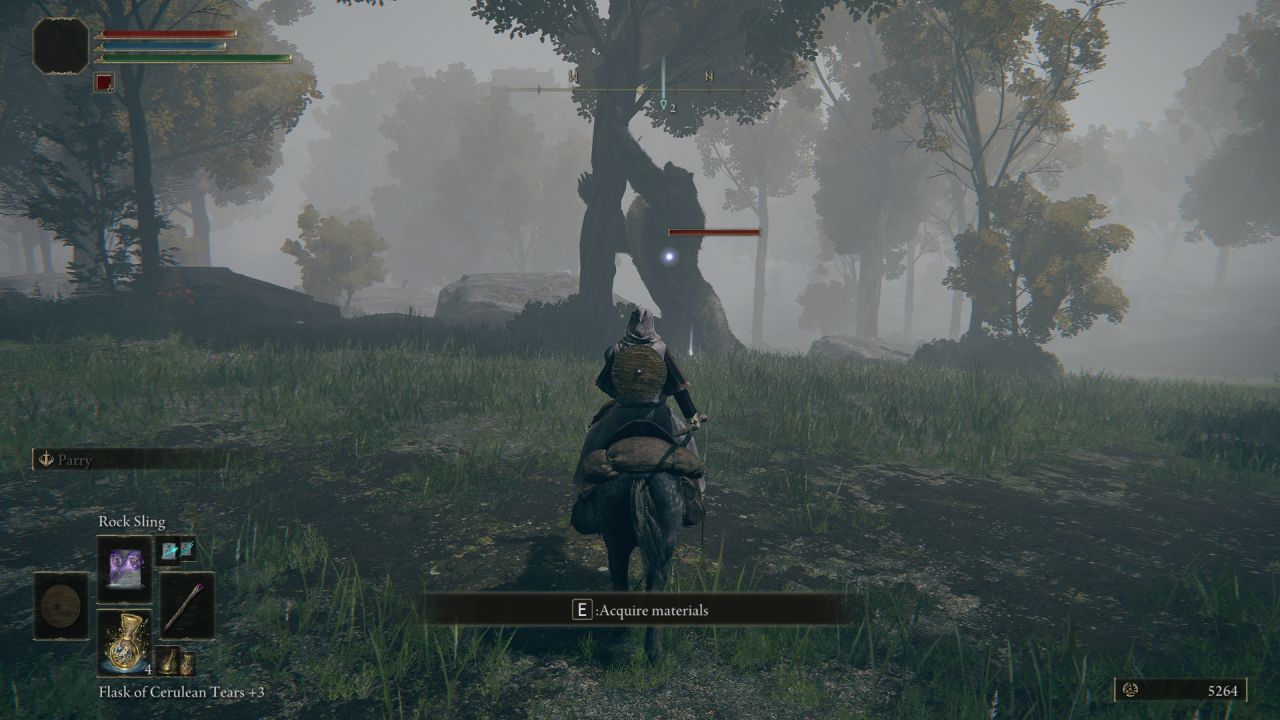
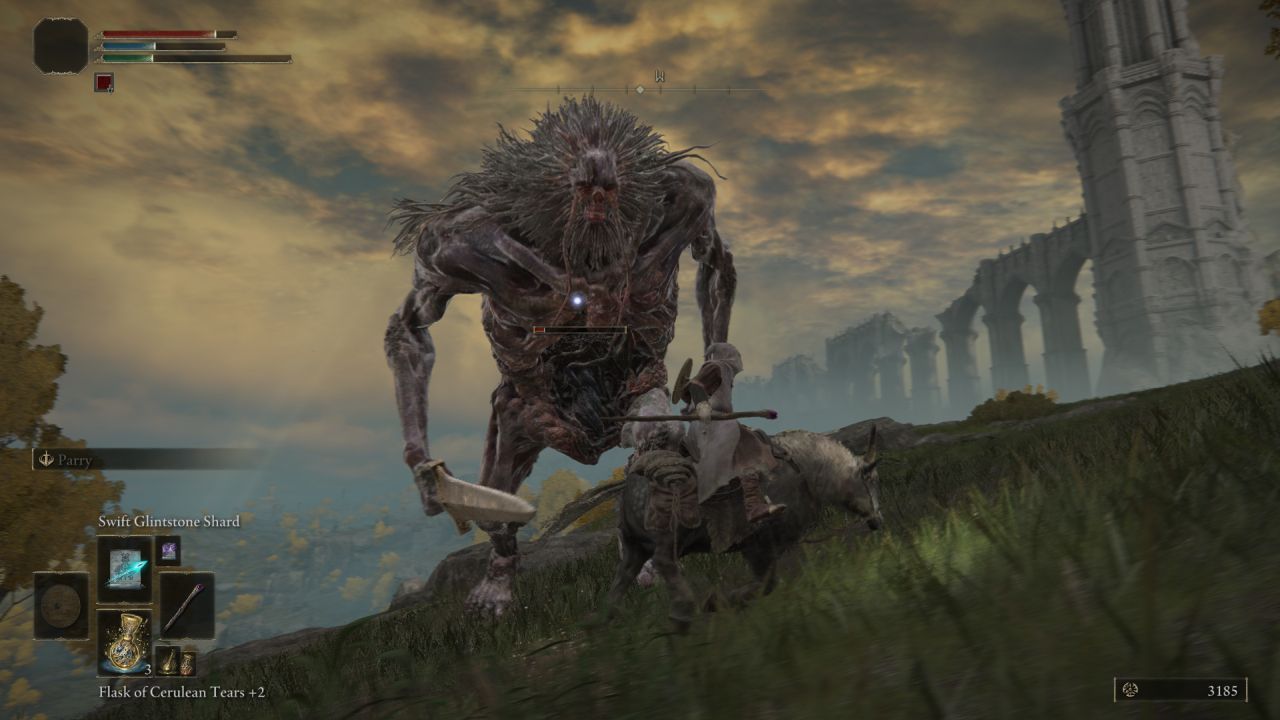
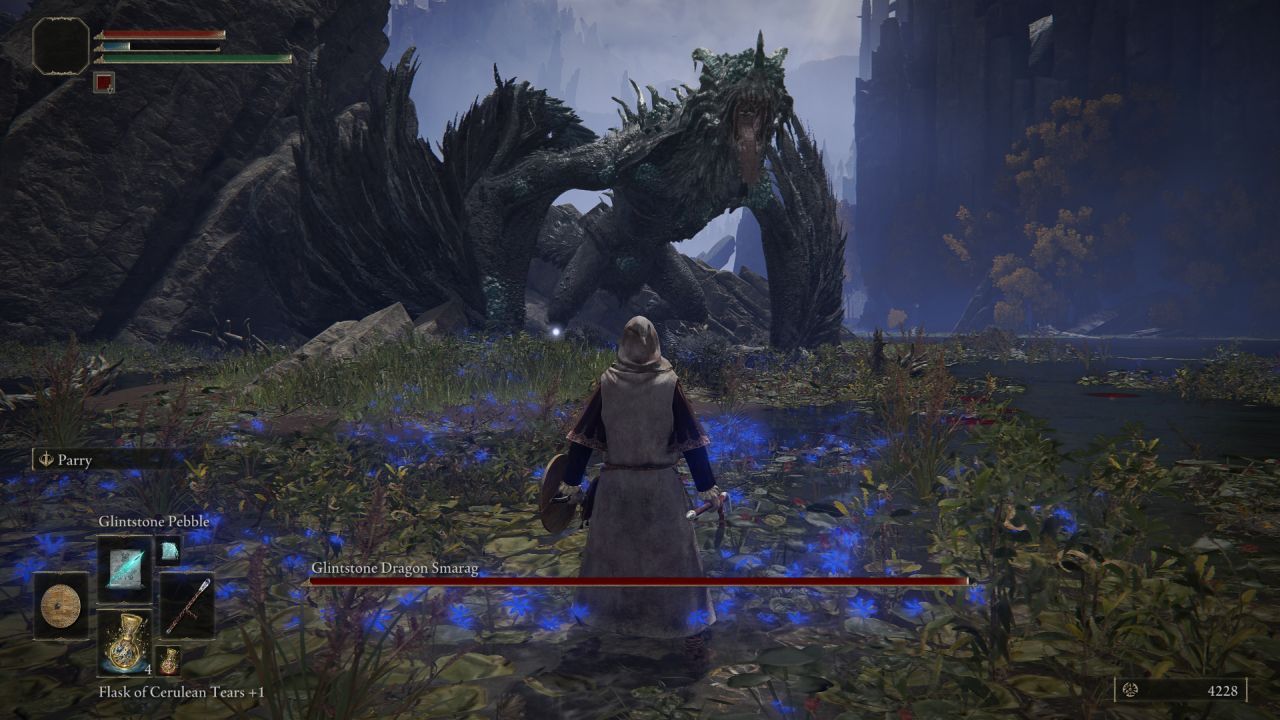
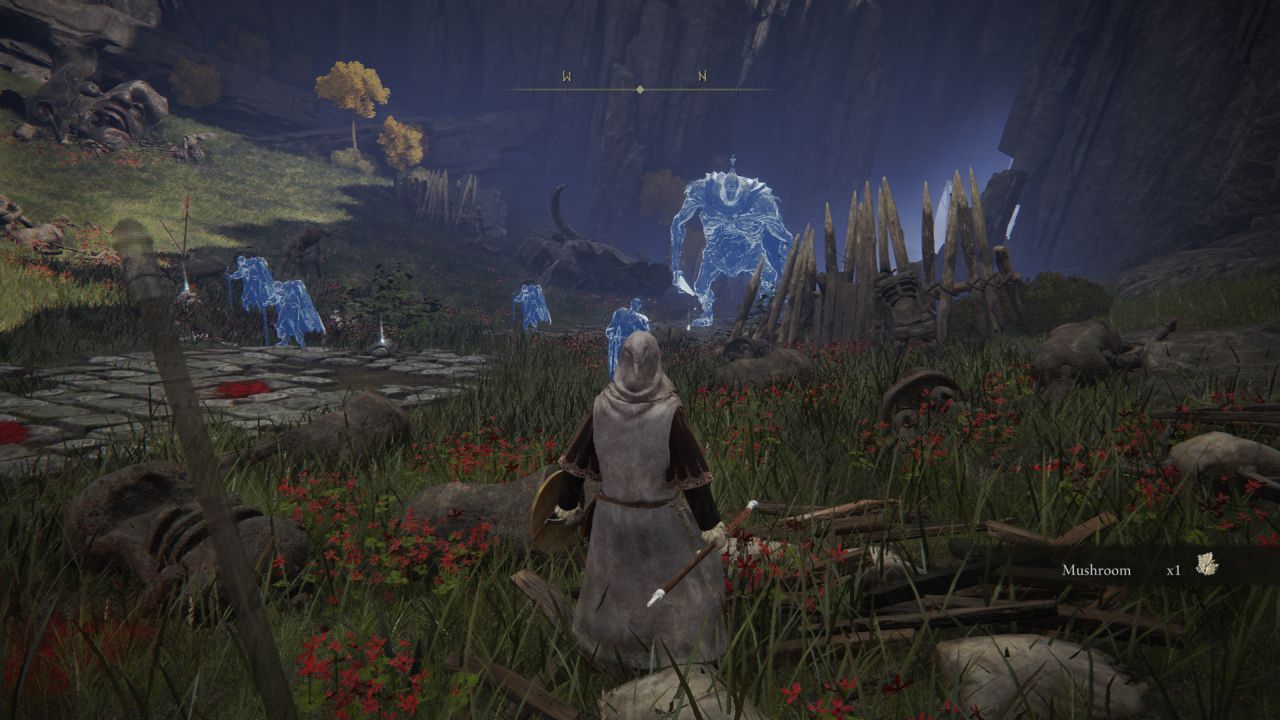
Proper way to start Elden Ring: Fresh character vs Tree Sentinel
But this time, their hallmarks of grim wonder and cunning difficulty were unleashed on an open world. The result felt both exhilarating and daunting. Having played and completed Sekiro: Shadows Die Twice and Dark Souls 3, I thought I knew what to expect. Elden Ring’s scope, however, far surpassed my expectations more thank any other Souls game did.
In these pages, I’ll dissect the aspects that define the Elden Ring experience: its open-world design, distinctive approach to difficulty, variety of builds and magic, boss encounters (including the notorious Starscourge Radahn), performance, visuals, and how it compares to prior Soulslike titles. My time in the Lands Between taught me that Elden Ring, for all its familiarity, truly charted new territory in the realm of punishing yet deeply rewarding action RPGs.
A Vast World Unfolds
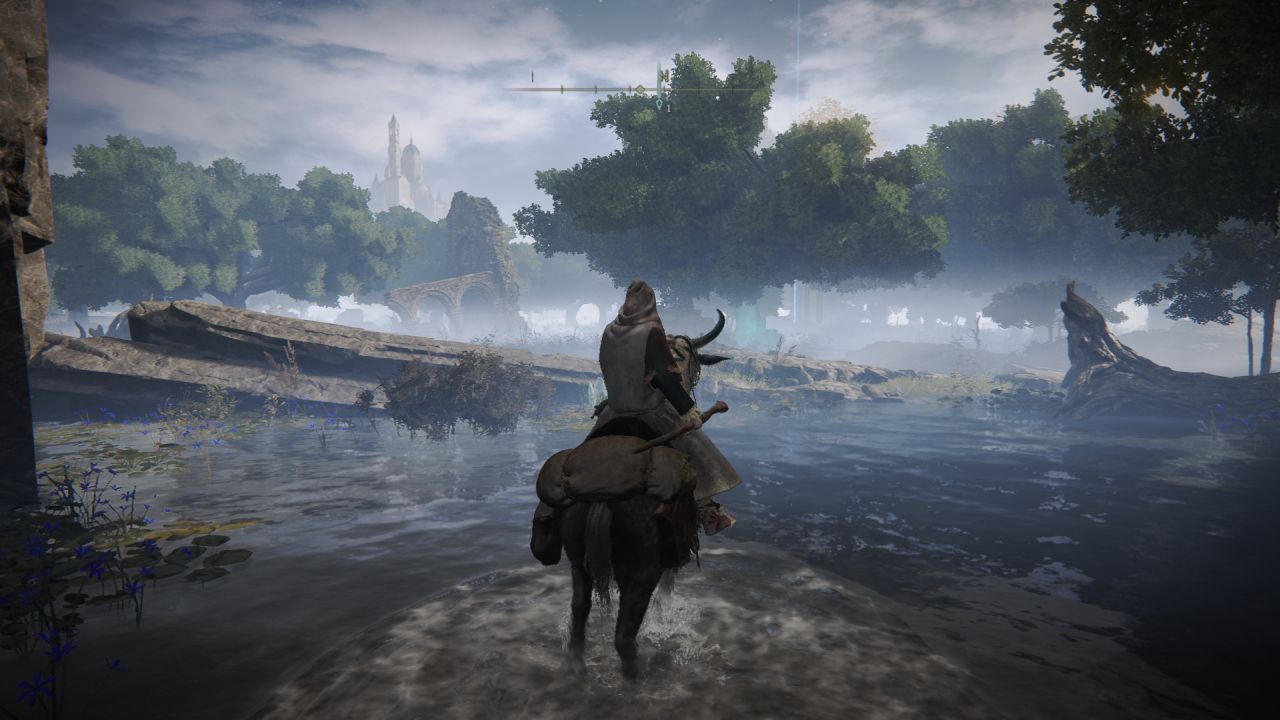
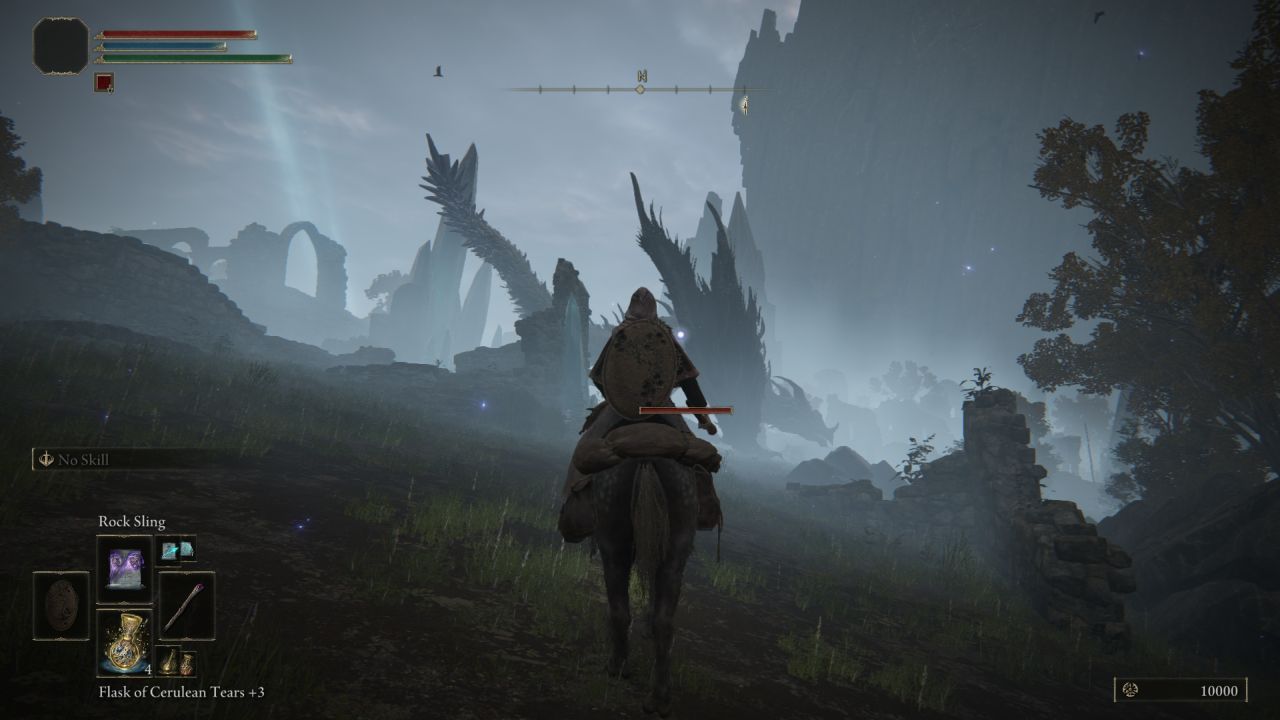
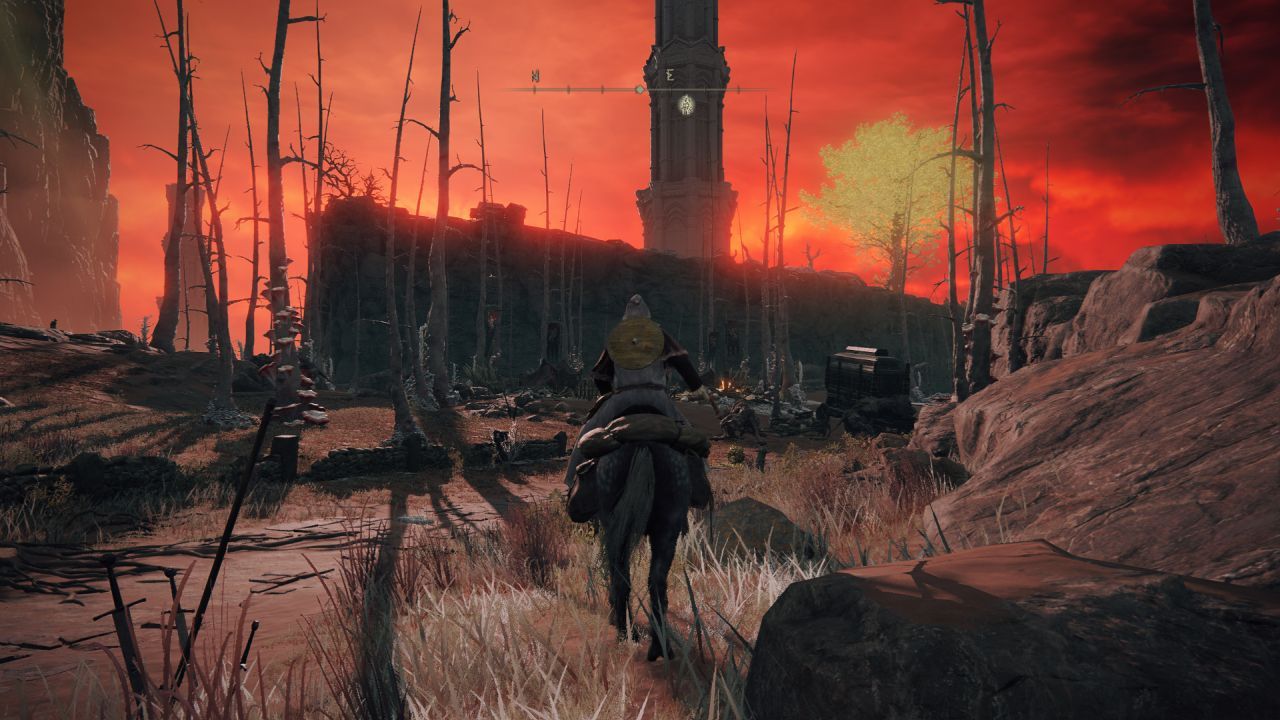
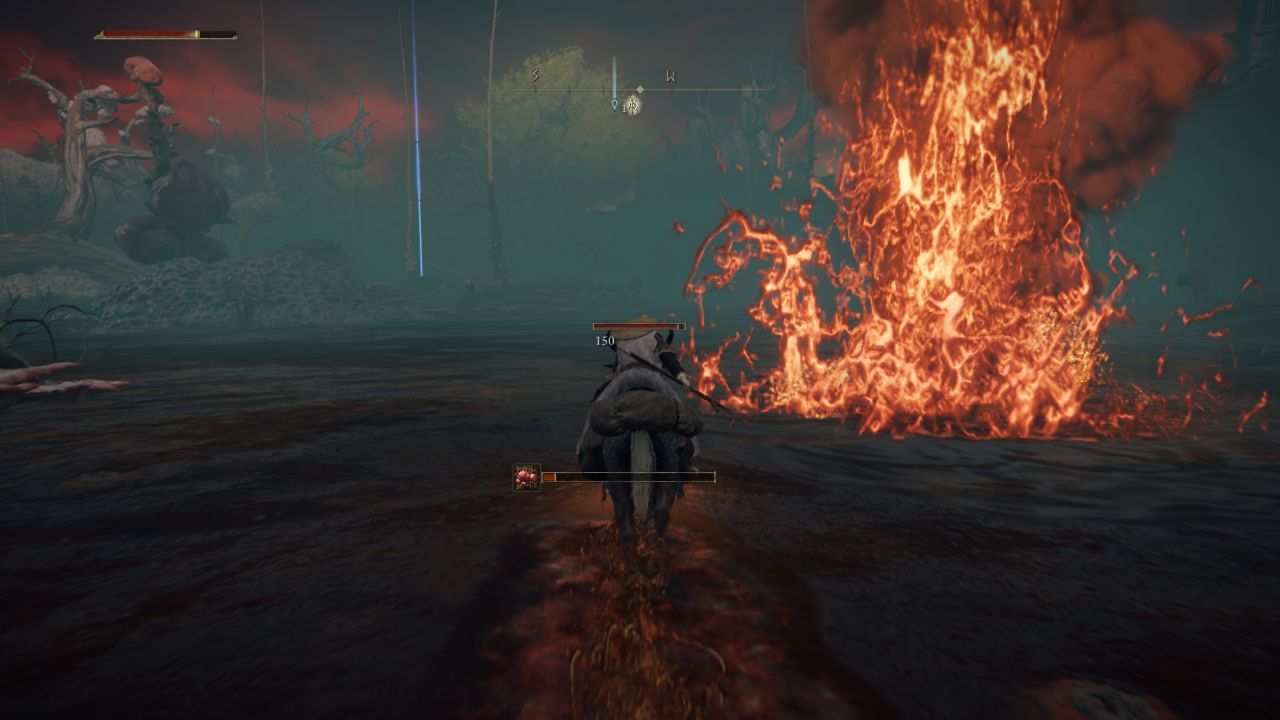
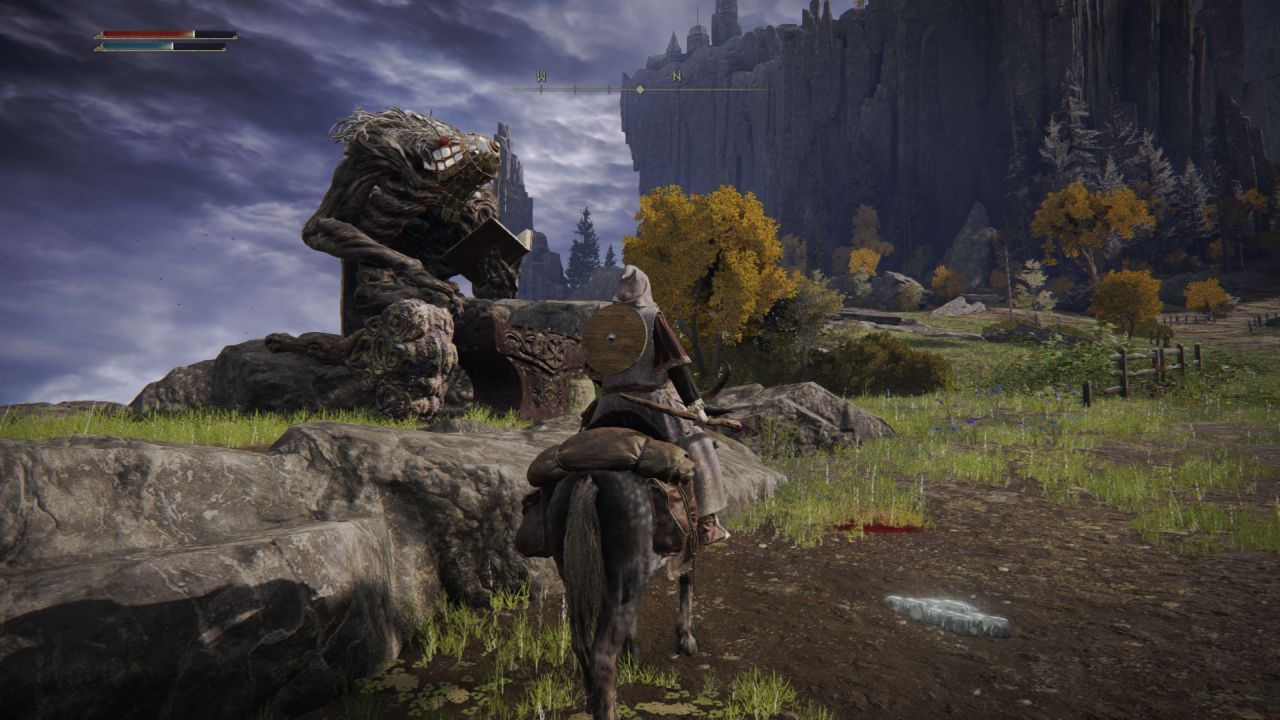
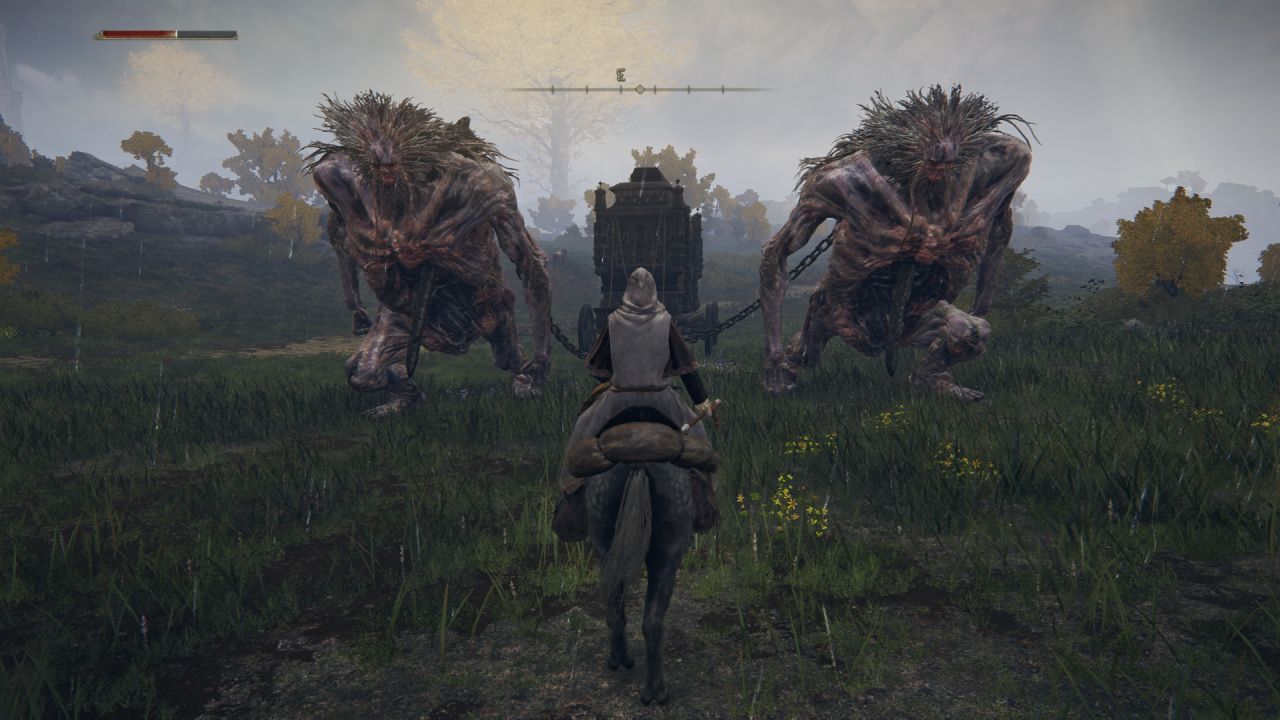
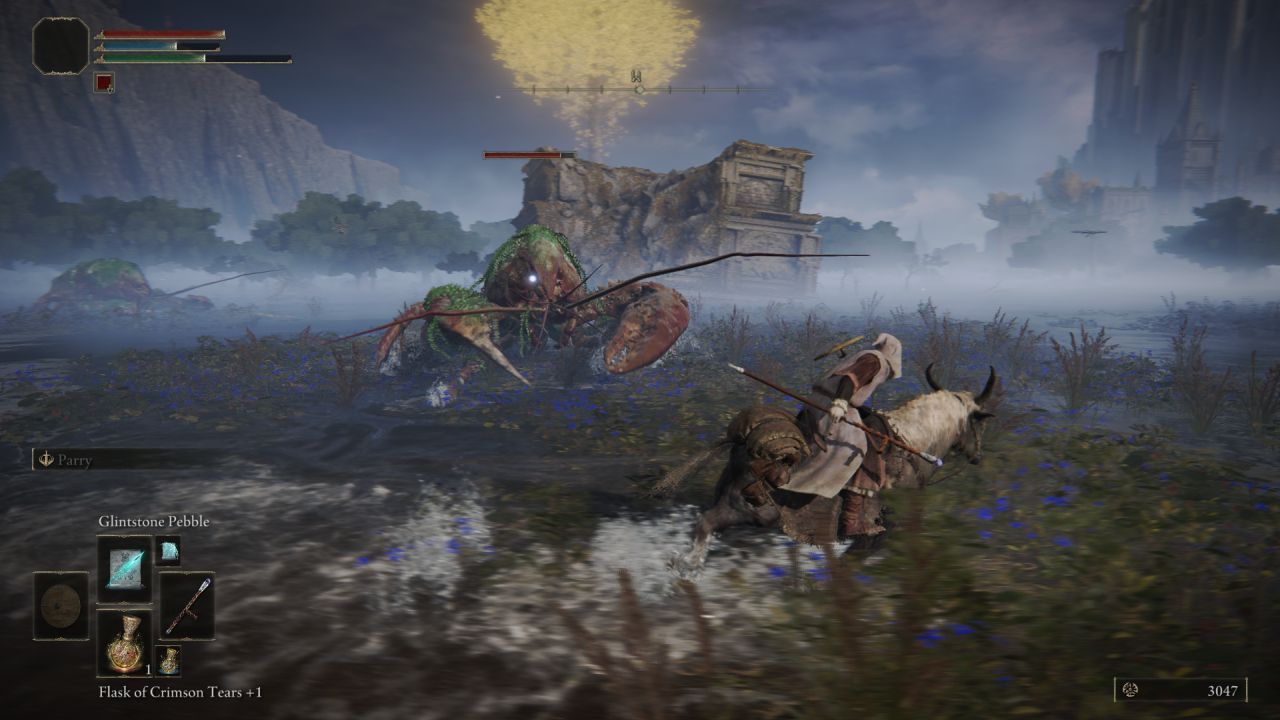
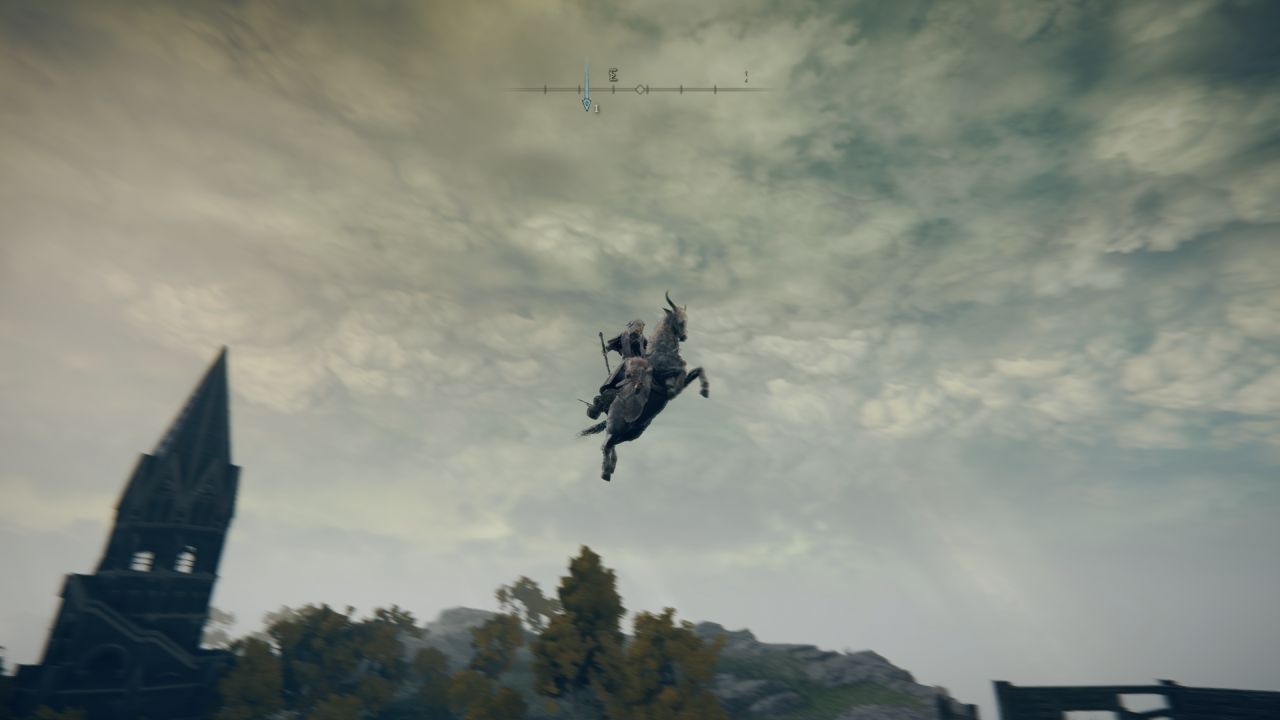
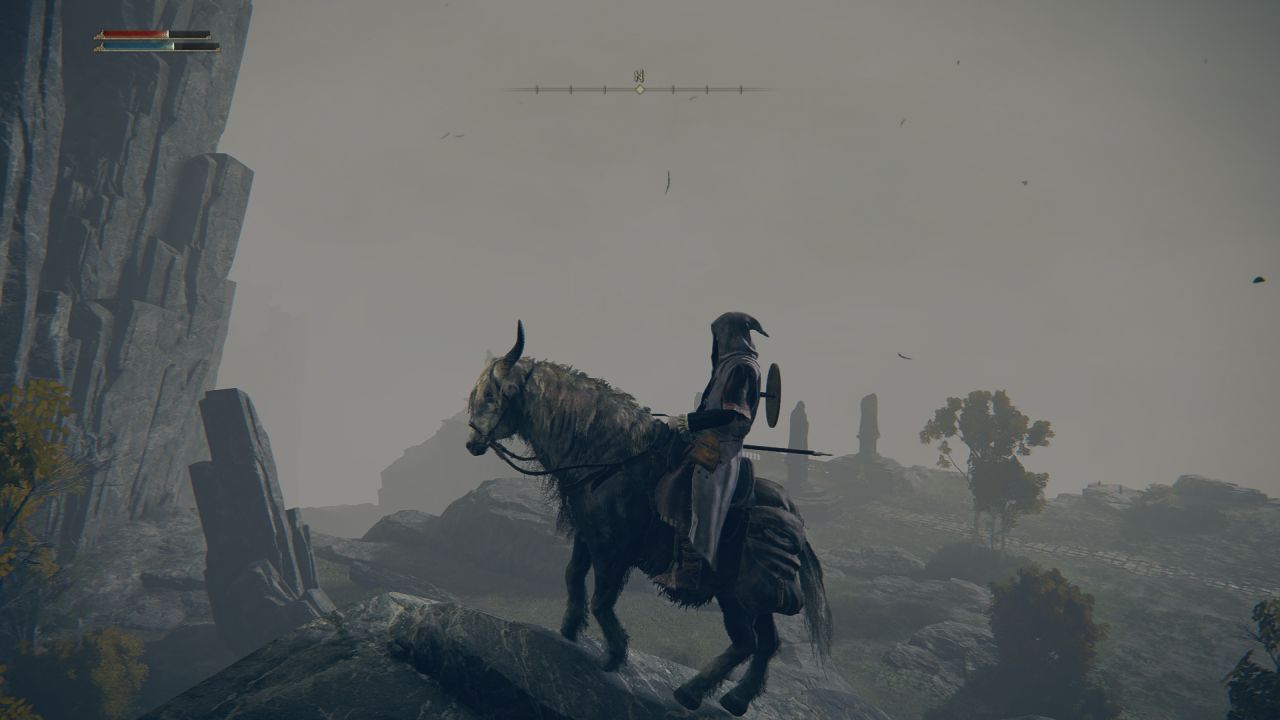
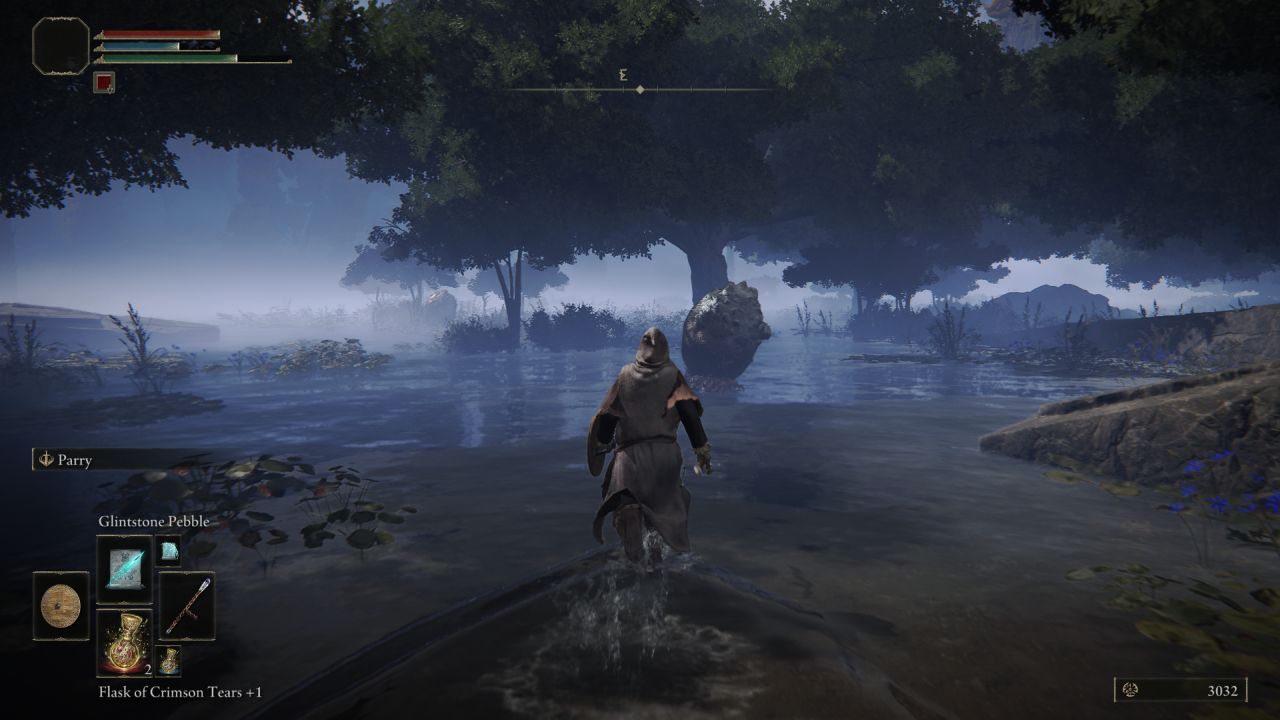
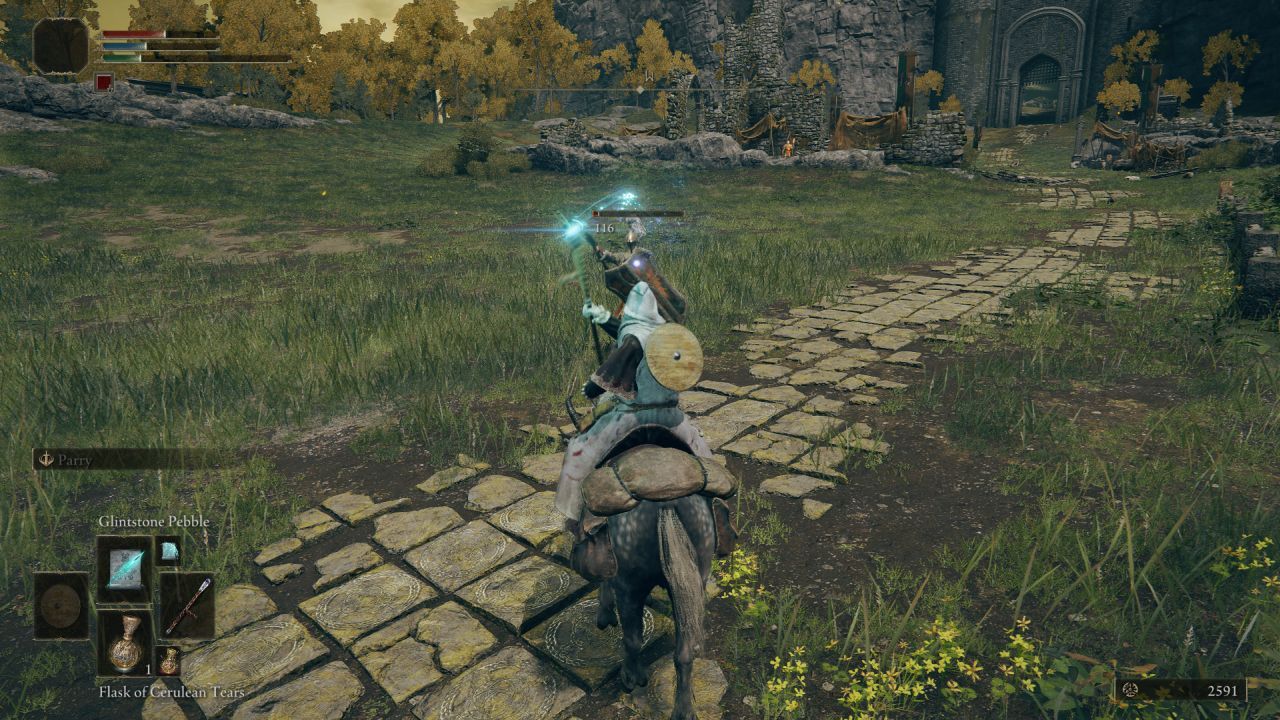
When discussing Elden Ring, the most noticeable shift from earlier FromSoftware efforts is the shift to a vast open world. Referred to as the Lands Between, this sprawling domain features a huge variety of interconnected zones—each with hidden dungeons, mini-boss lairs, catacombs, and sometimes entire subterranean realms that might stretch on for miles. Unlike Dark Souls 3’s more linear progression or Sekiro’s branching but compact paths, Elden Ring invites you to set your own direction. If you find a particular boss or region too punishing, you can literally ride away and explore a different corner of the map, returning only when you feel better prepared.
That concept alone changes the dynamic of a typical “Soulslike.” In previous games, if you hit a roadblock boss, your only recourse was to keep trying, maybe farm souls or consult a strategy guide. In Elden Ring, you can roam outward in search of runes, better weapons, or wholly different questlines. This freedom fosters an exhilarating sense of discovery—and at times, can also feel overwhelming. There’s so much to see and do that you might easily lose track of time in a random catacomb or get sidetracked investigating a suspicious ruin, only to emerge hours later having tackled an entirely optional storyline.
Guiding Grace?
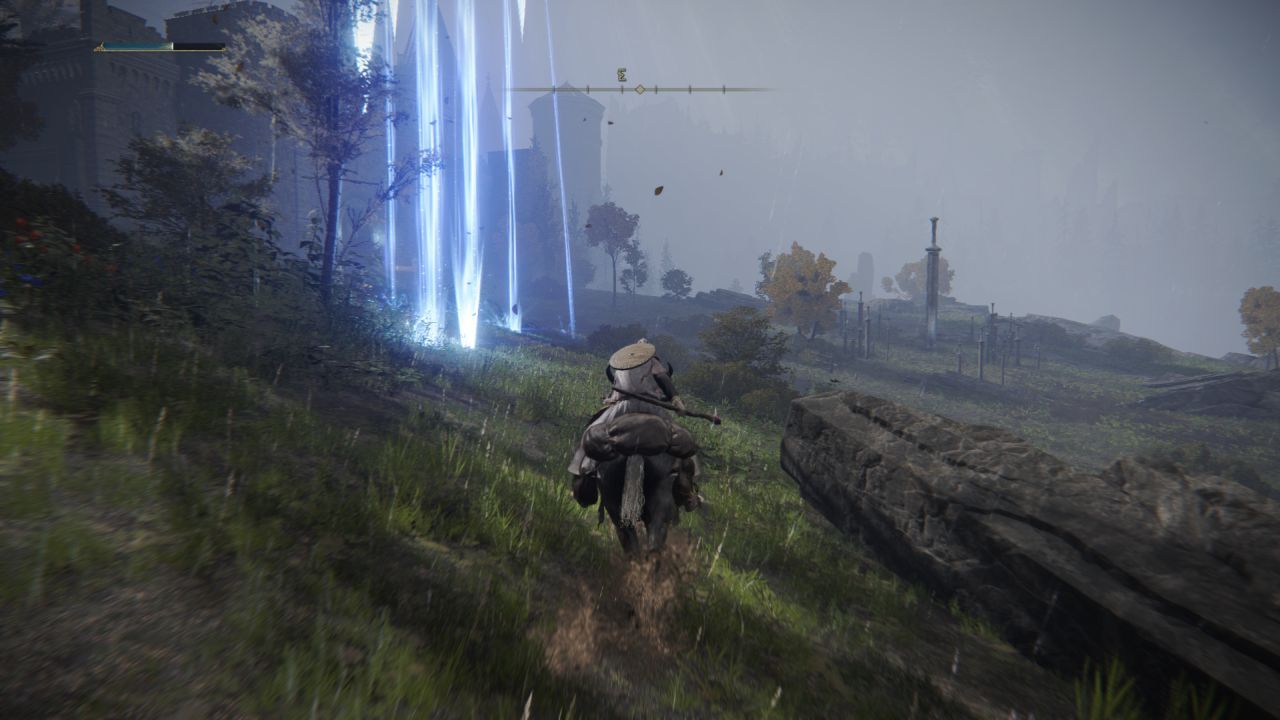
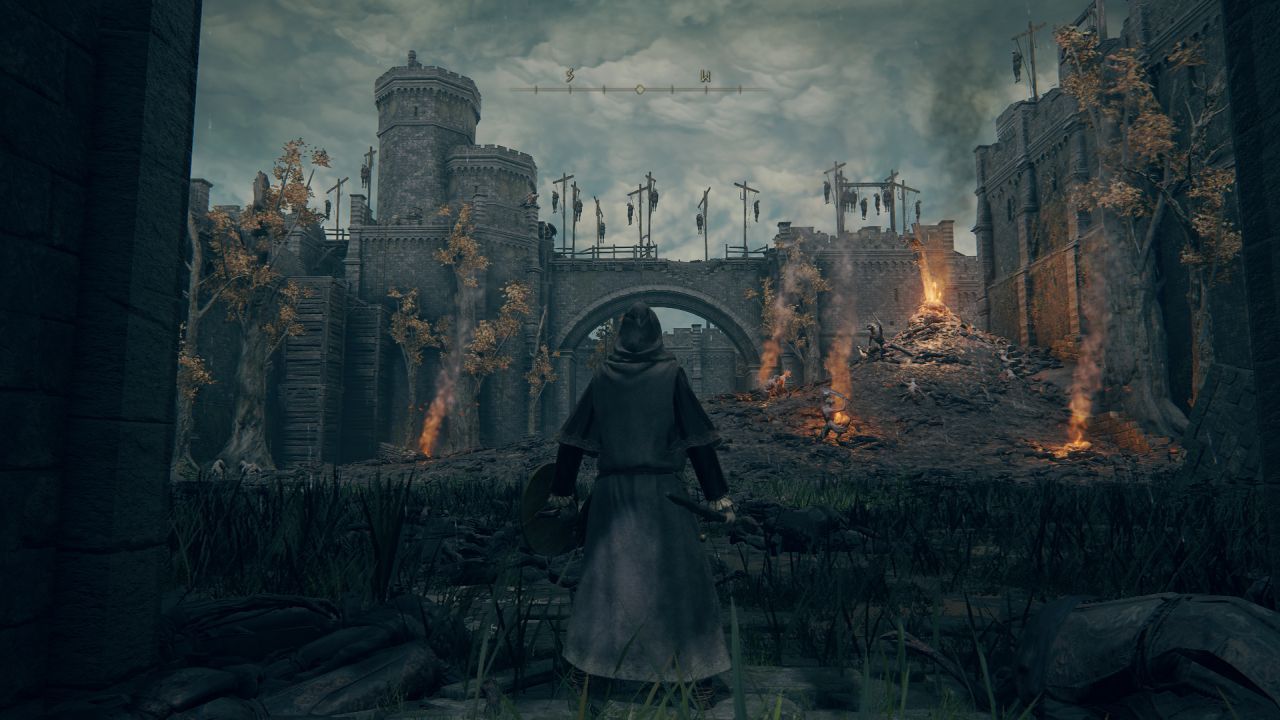
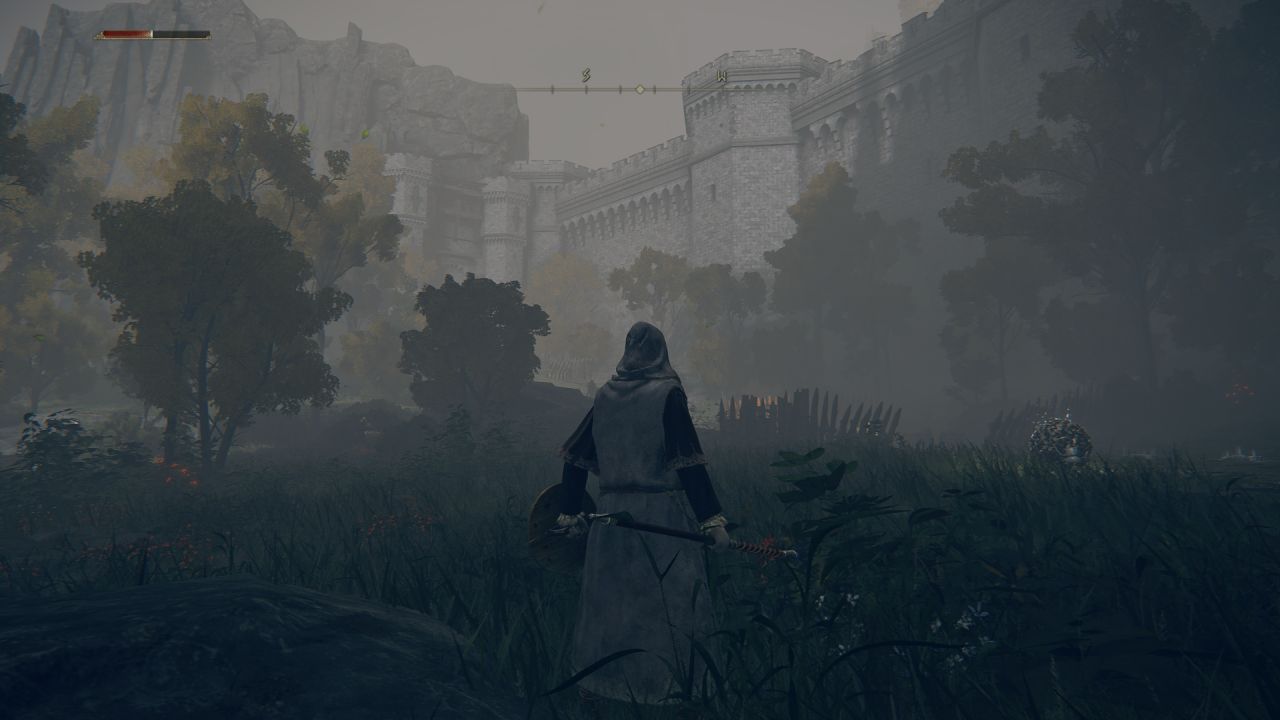
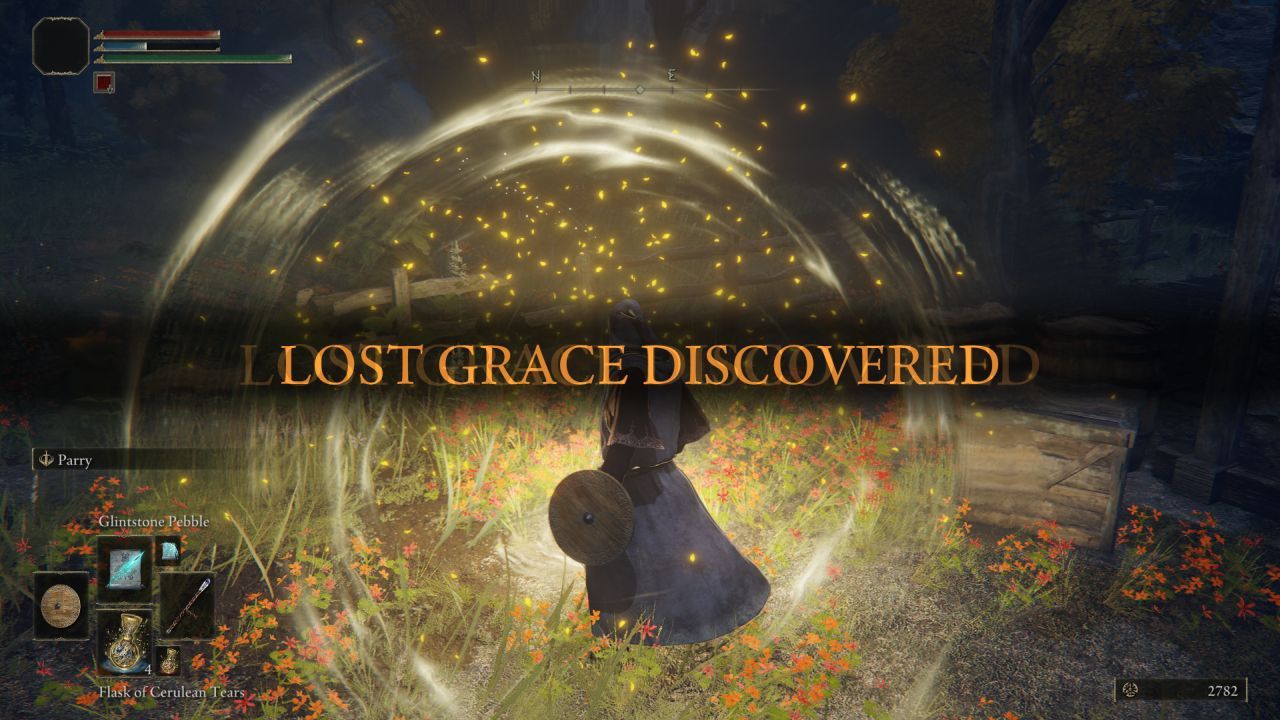
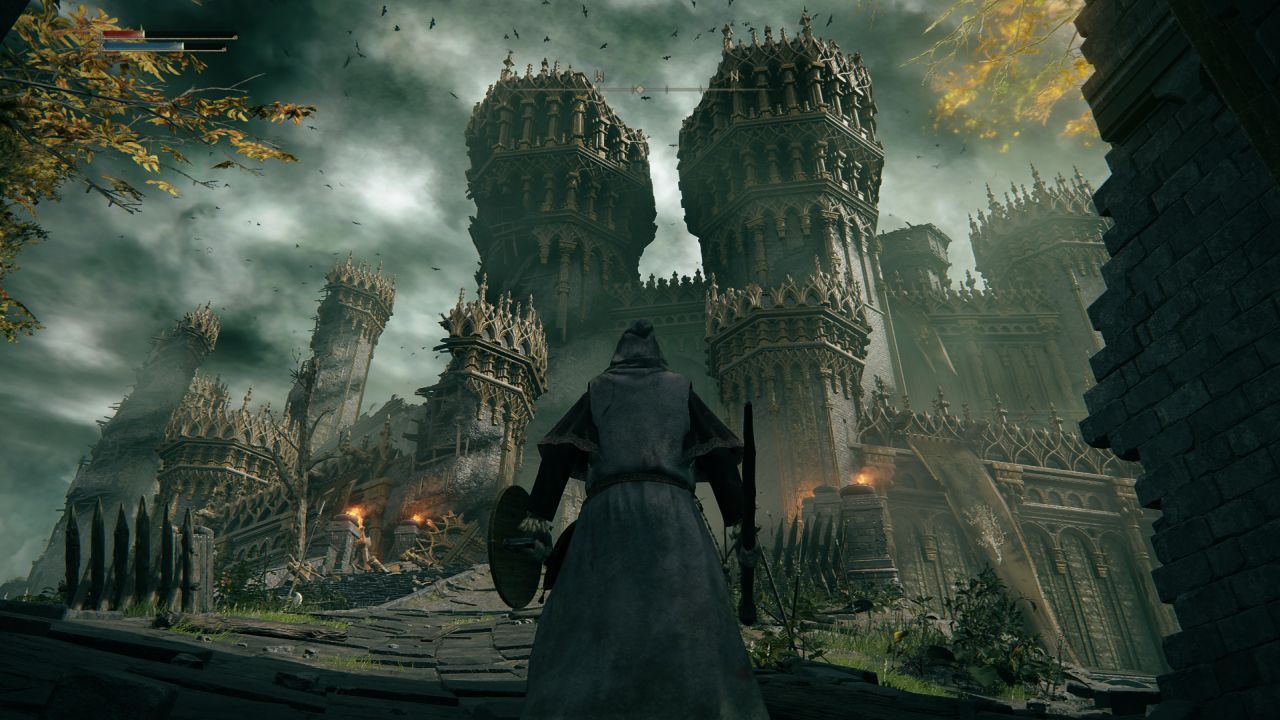
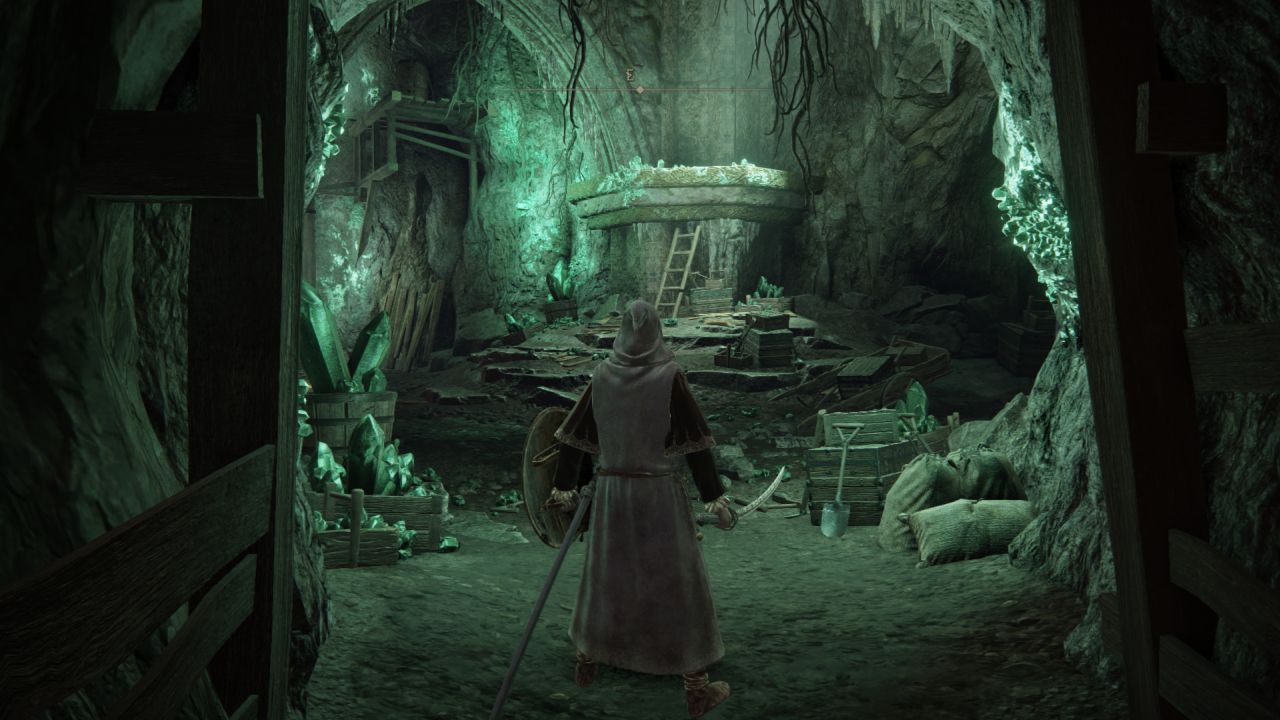
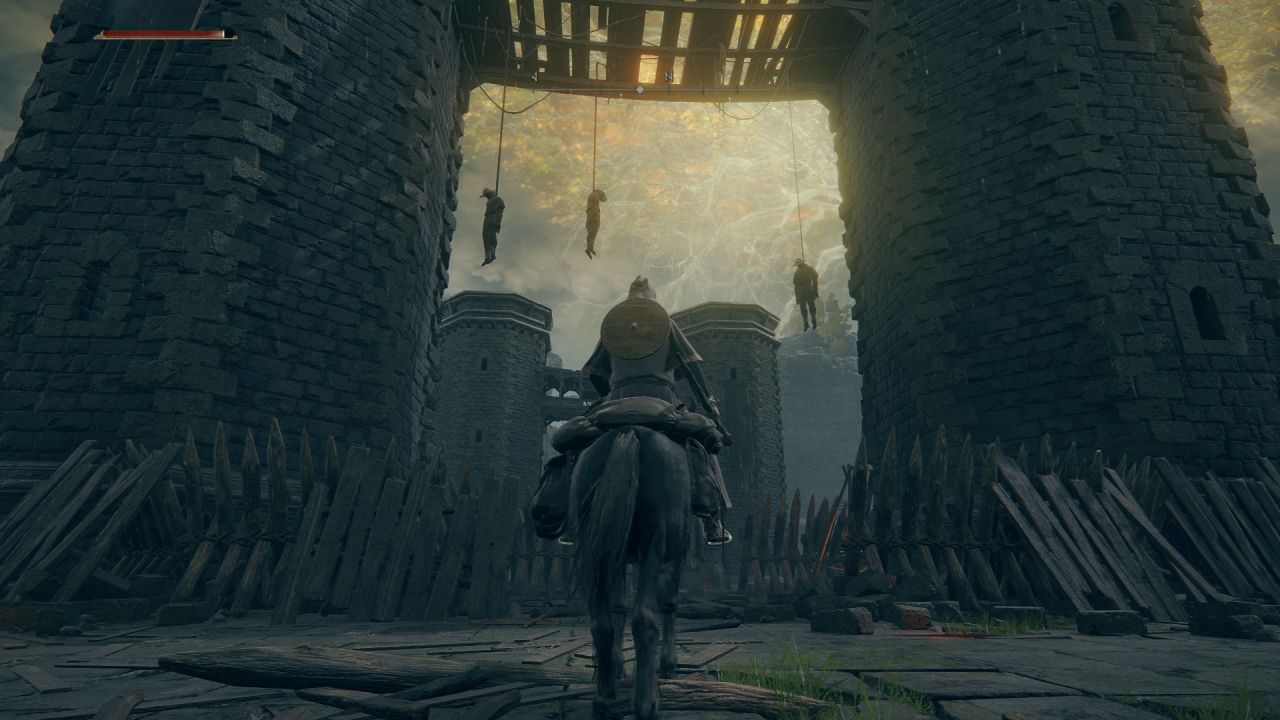
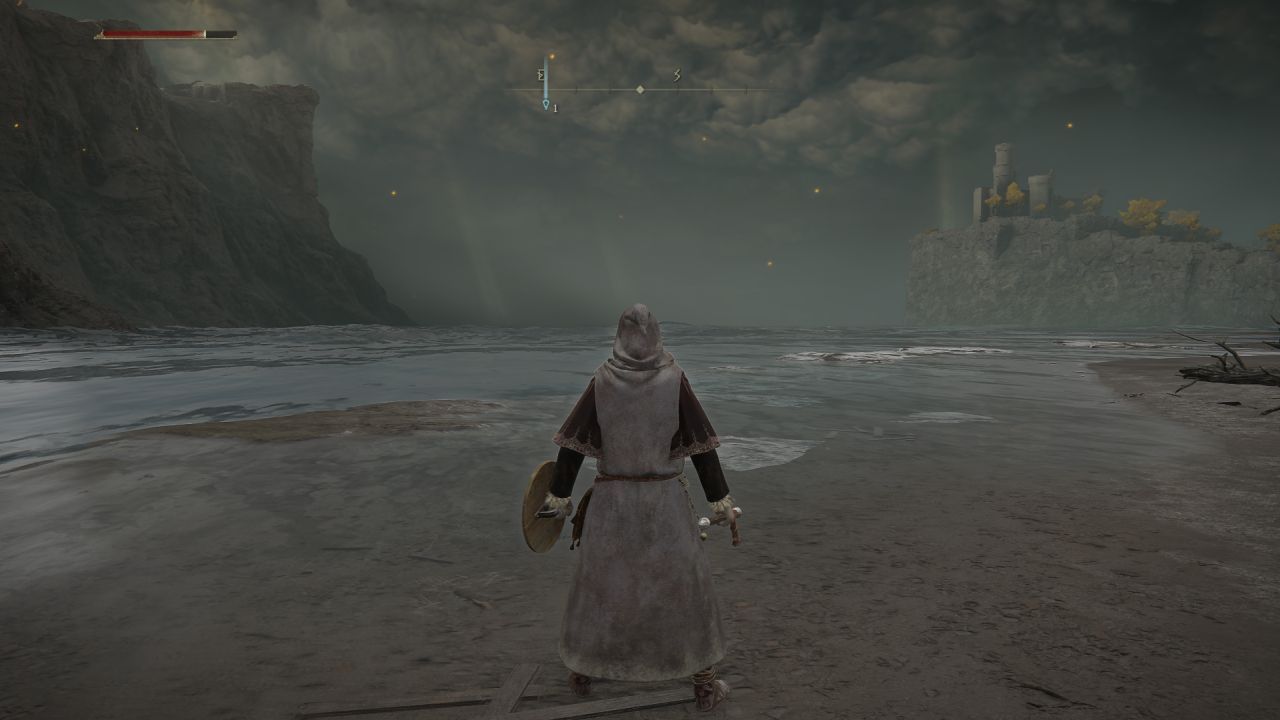
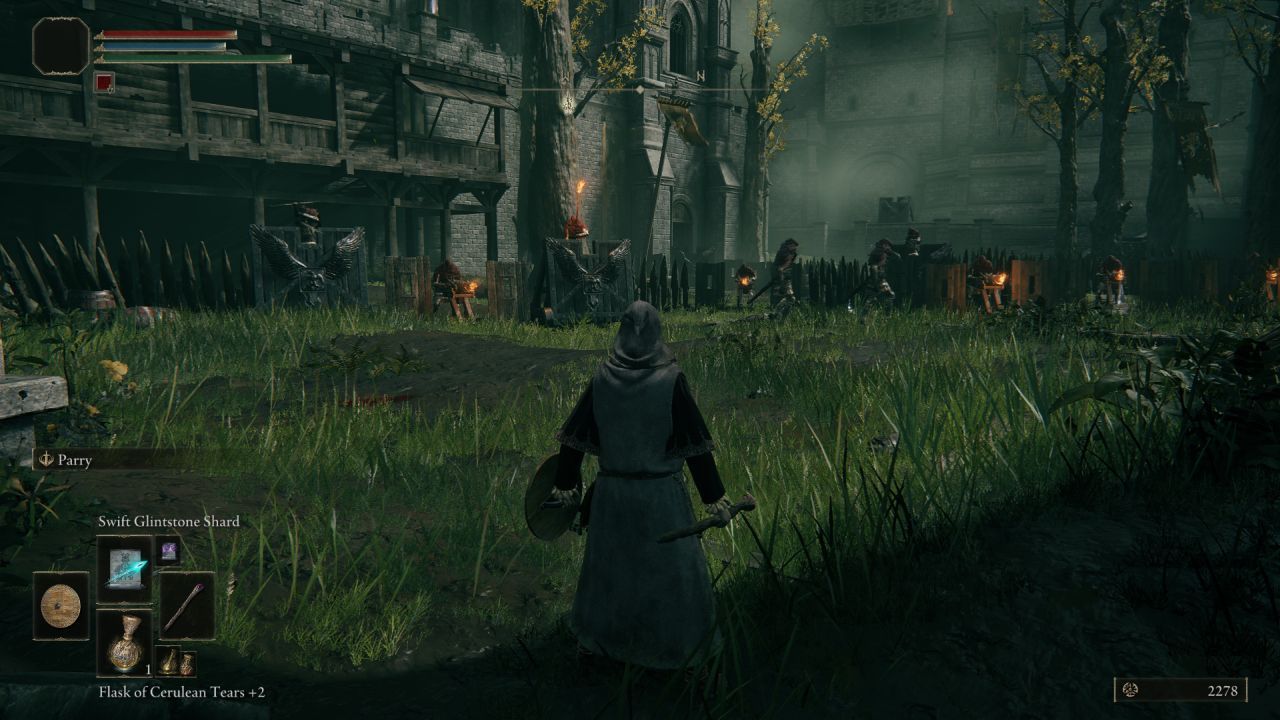
To help guide the player, Elden Ring occasionally directs you with subtle beams of light emanating from Sites of Grace (the equivalent of Dark Souls’ bonfires). But it never forces a strictly linear route. Early on, the main path suggests you head to Stormveil Castle, but you can skirt around it entirely, venturing off toward distant swamps or hidden beaches. The Lands Between often reward curiosity with fascinating secrets: entire subterranean lakes lit by false stars overhead, hidden NPC quest chains that unravel surprising bits of lore, or locked towers that reveal special enchantments. The map feels alive with possibility.
That breadth also means you might encounter colossal bosses far above your level. Instead of banging your head against an impossibly strong foe, you can elect to retreat, gather more runes, or try an alternate path. For me, that sense of freedom was both a relief and a challenge: relief because it mitigates the infamous Soulslike “wall,” but a challenge because the game seldom funnels you with explicit directions.
A Feast of Builds and Playstyles
Stat Allocation and Variety
One of Elden Ring’s greatest strengths is the sheer range of builds it accommodates. While Sekiro locks you into a single sword and deflection style, Elden Ring brings back the robust stat-based character system akin to Dark Souls. Vigor, Endurance, Strength, Dexterity, Intelligence, Faith, Arcane—each stat ties into different weapons, spells, and incantations, forming the backbone of the game’s extensive role-playing element.
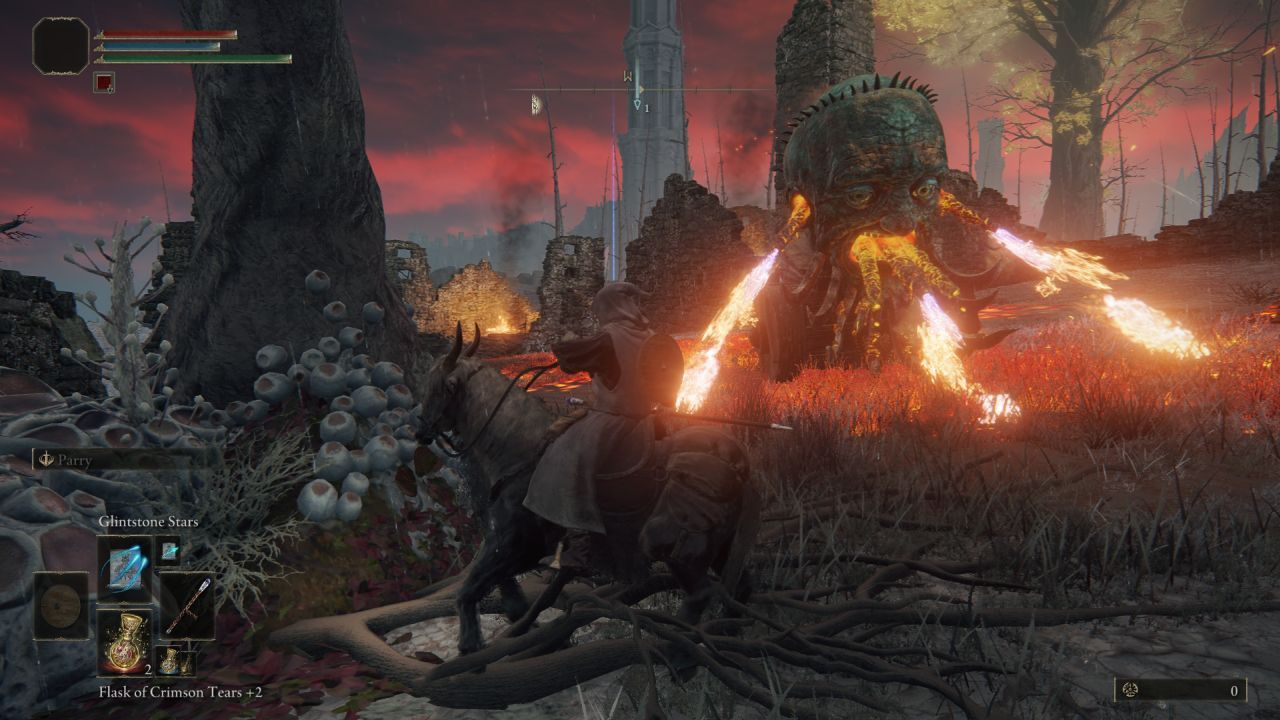
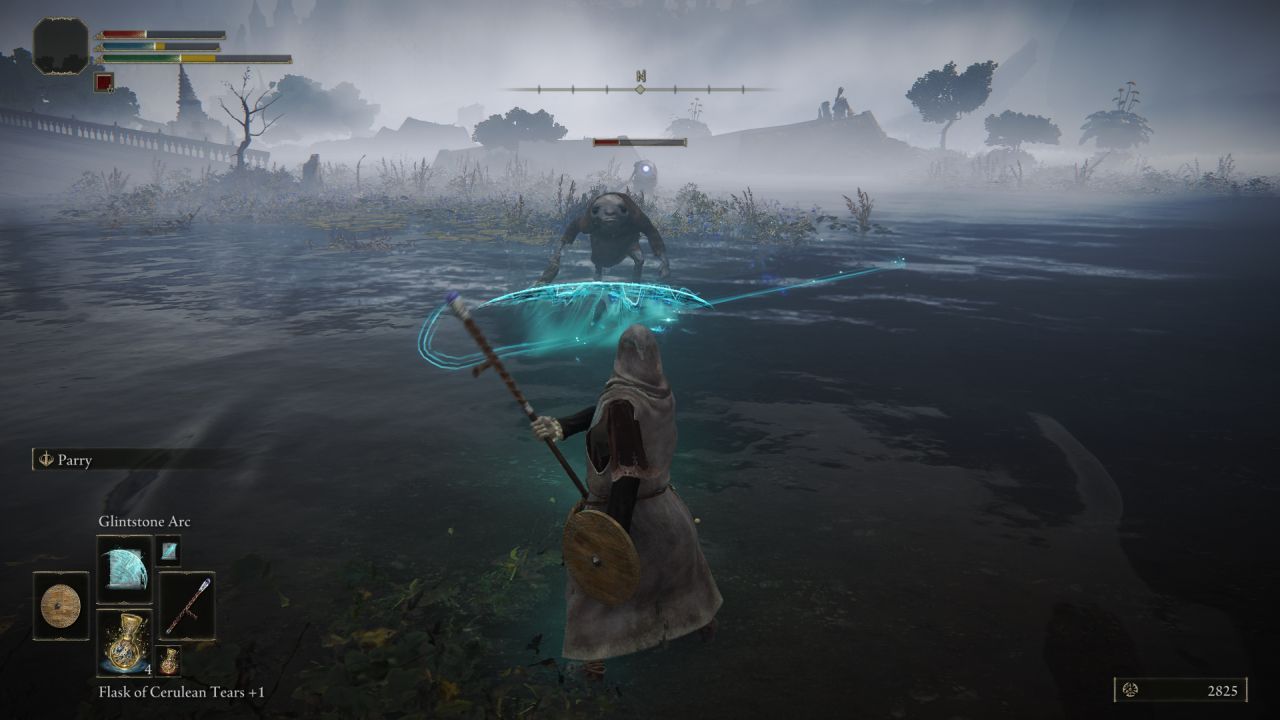
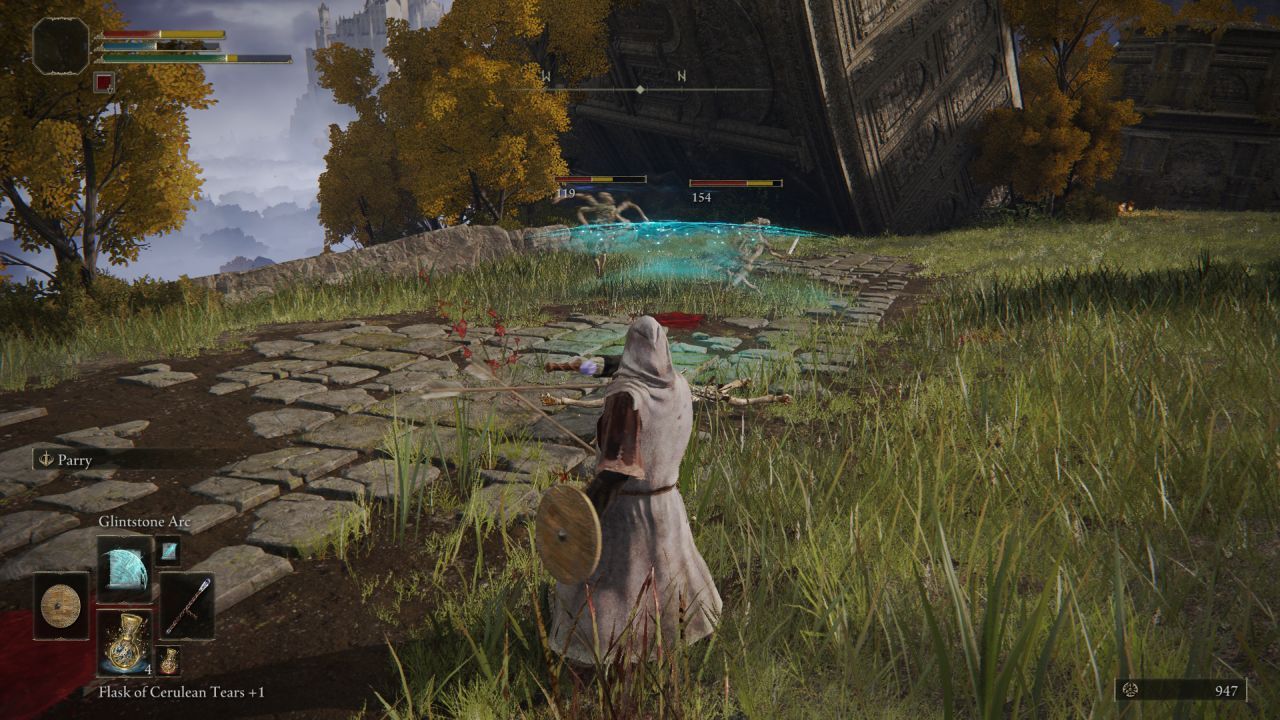
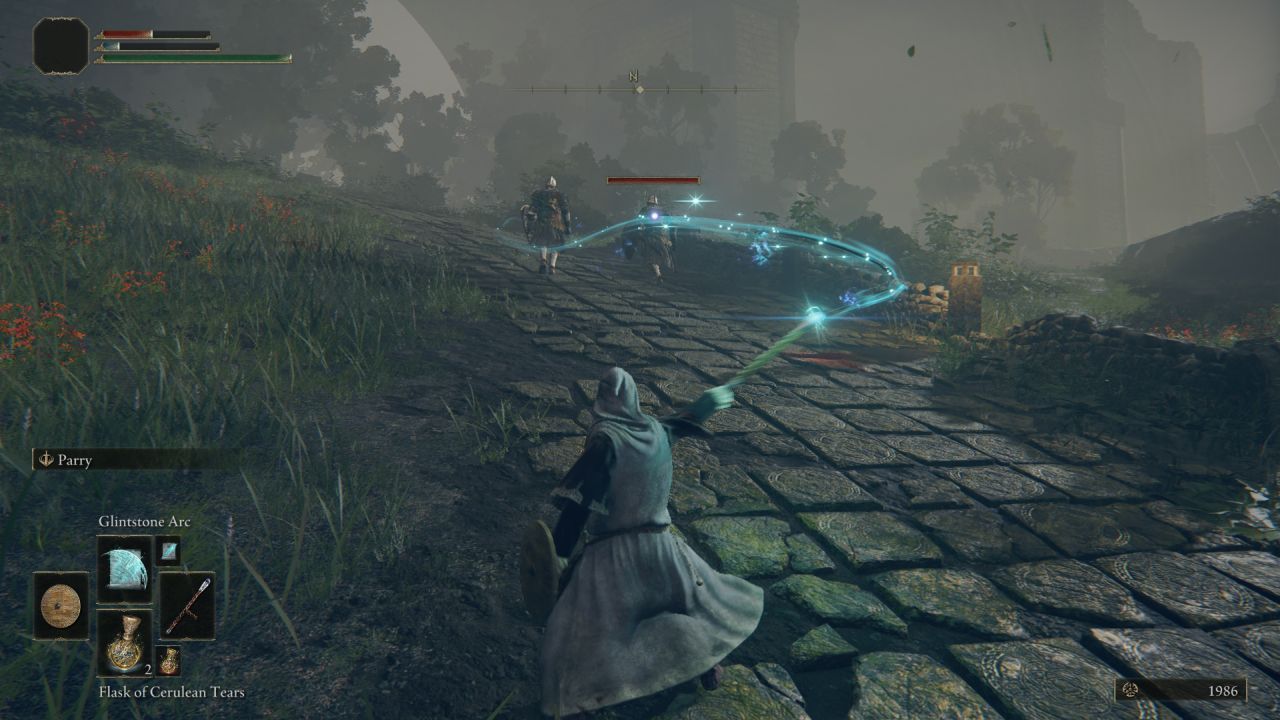
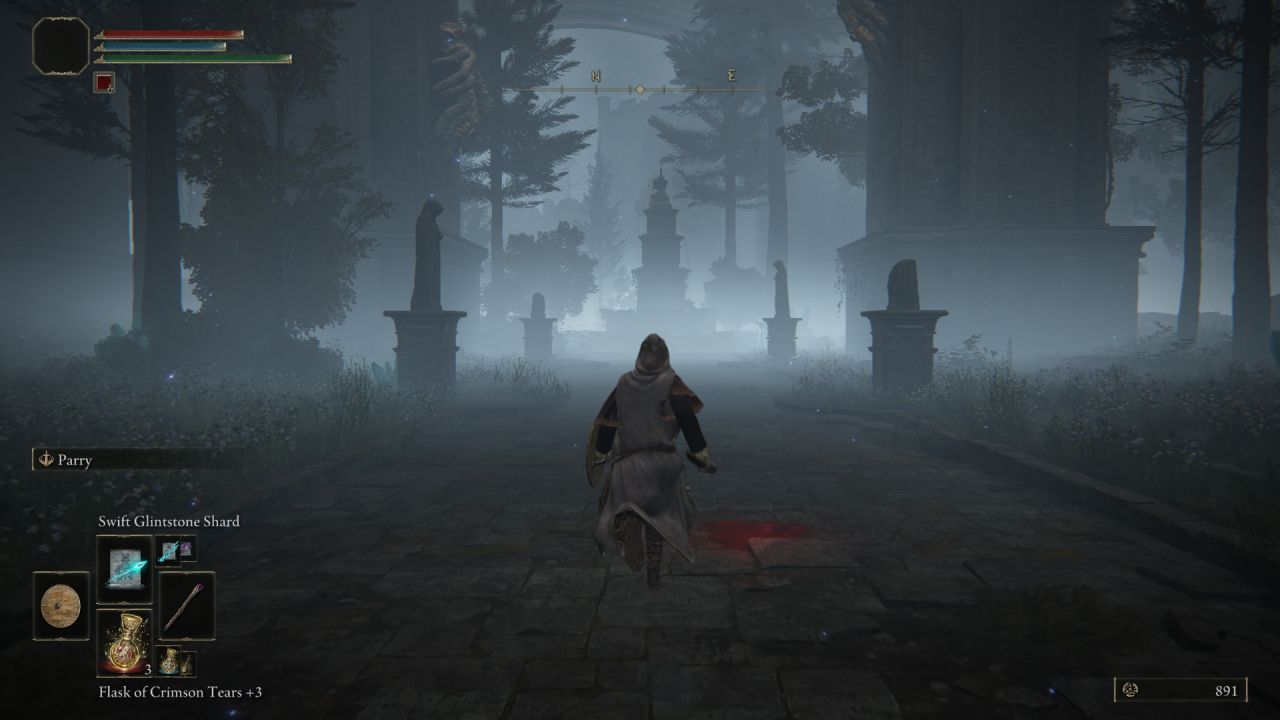
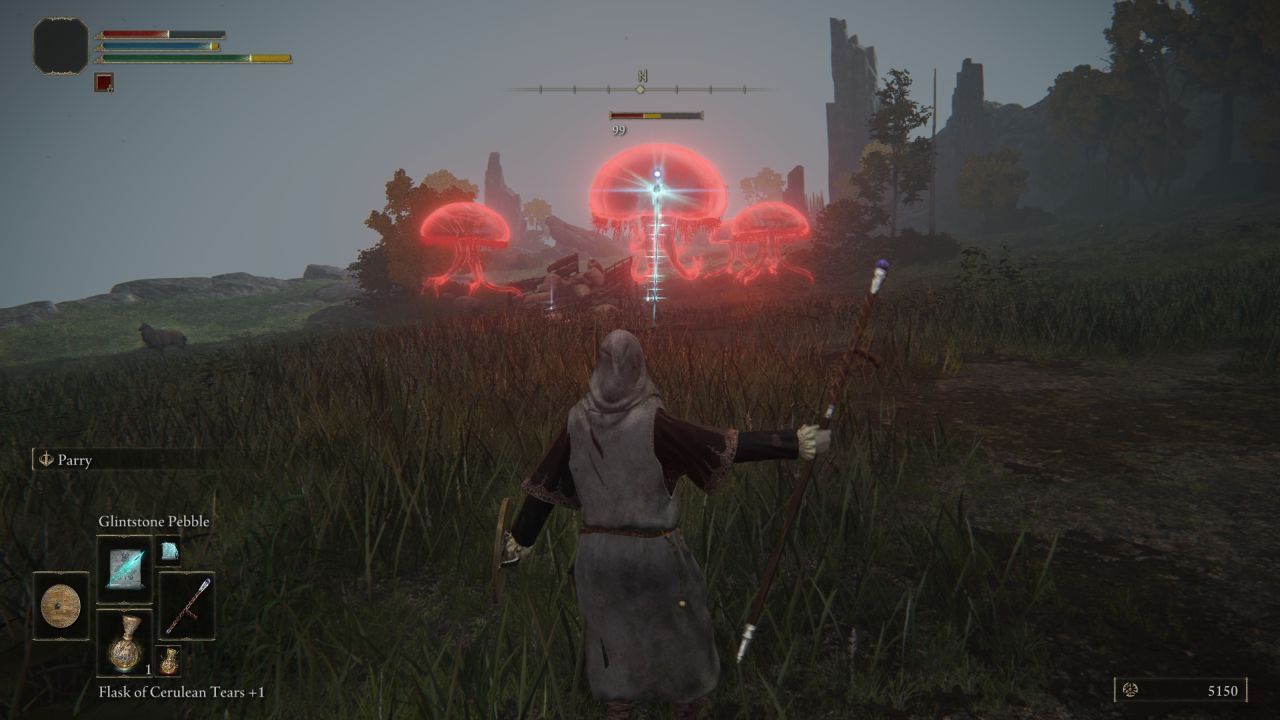
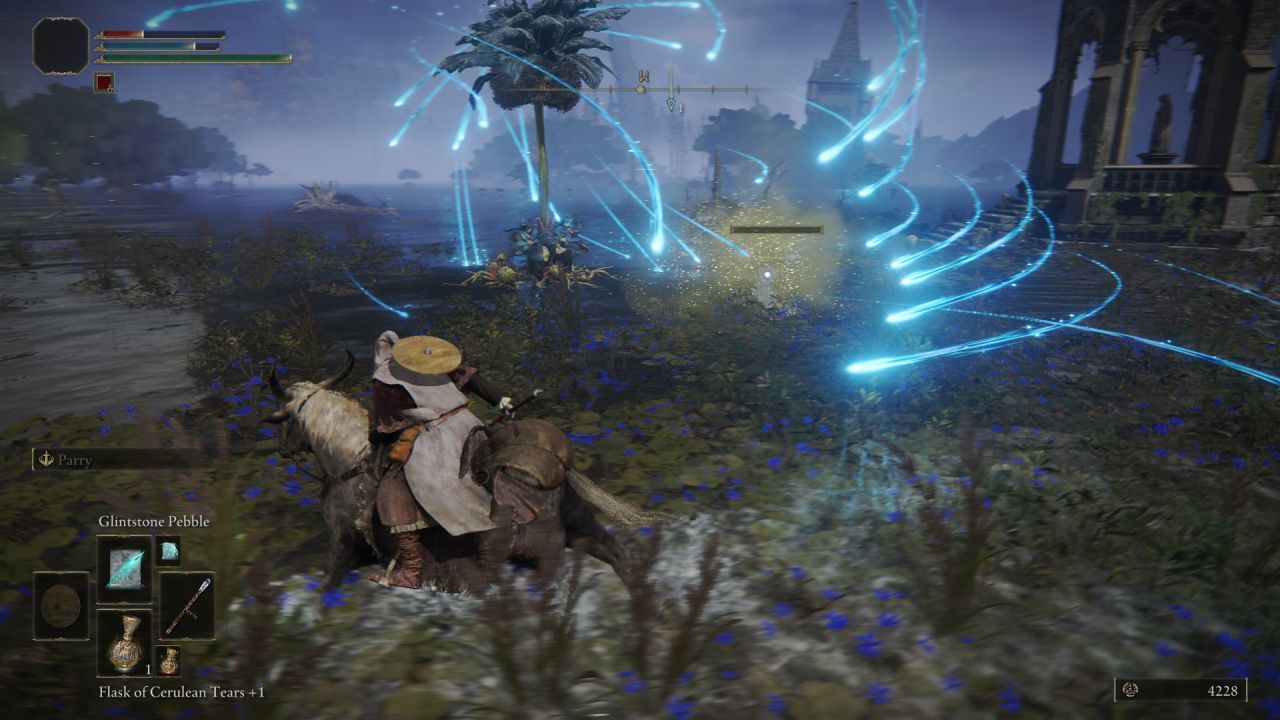
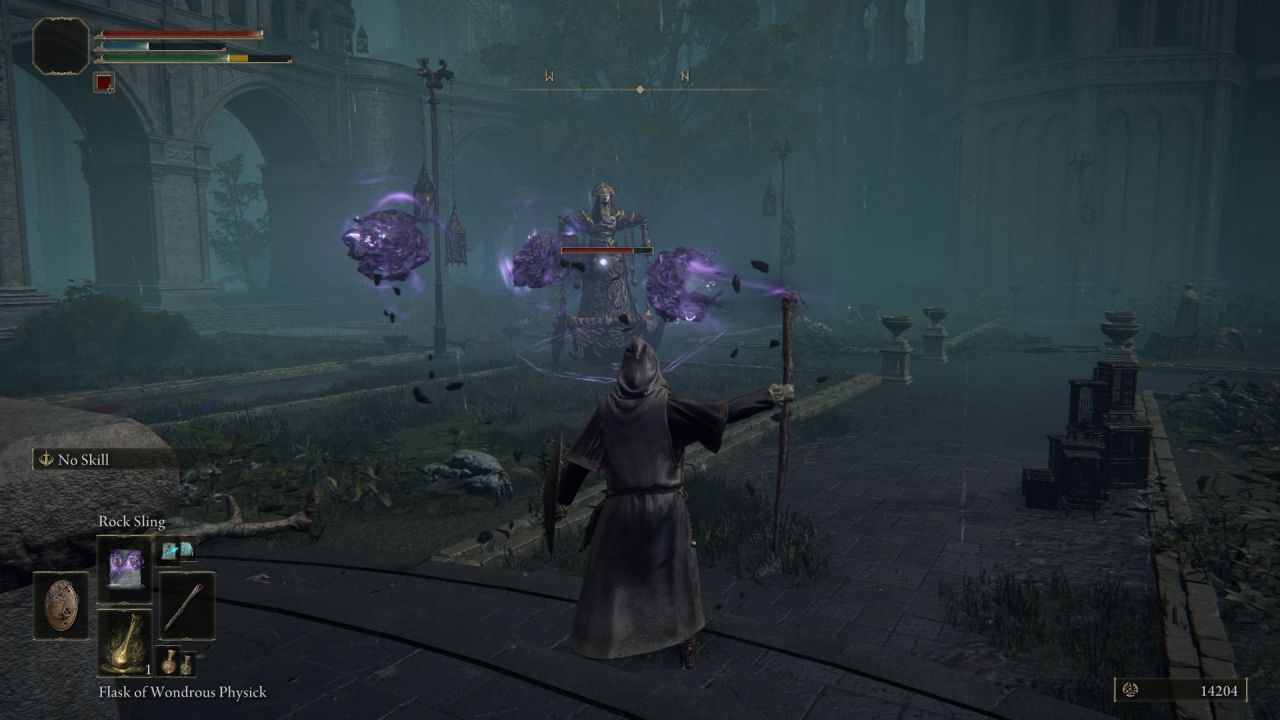
I started with a more standard “quality” build, favoring Strength and Dexterity for big swords and reliable melee combos. But over time, I found the allure of sorcery irresistible. Elden Ring offers an abundance of spells: from classic glintstone projectiles to monstrous gravity-based magics, and even comedic cosmic lasers that fill the screen.
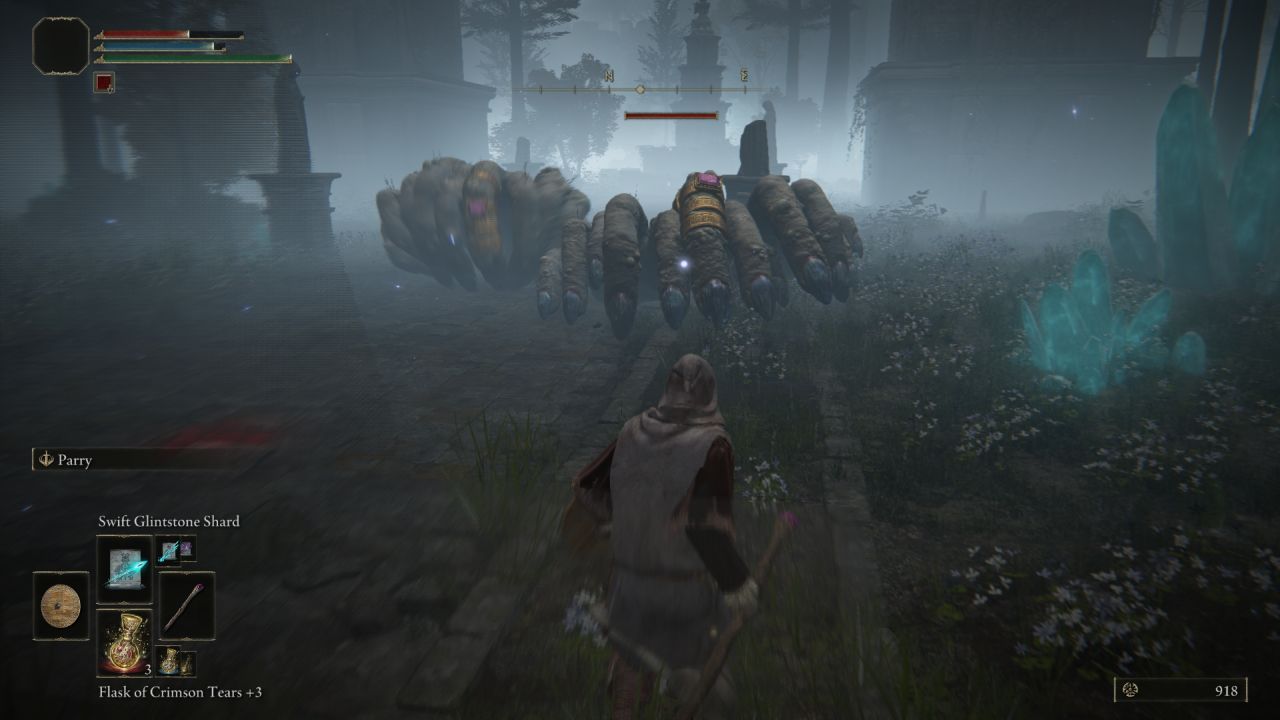
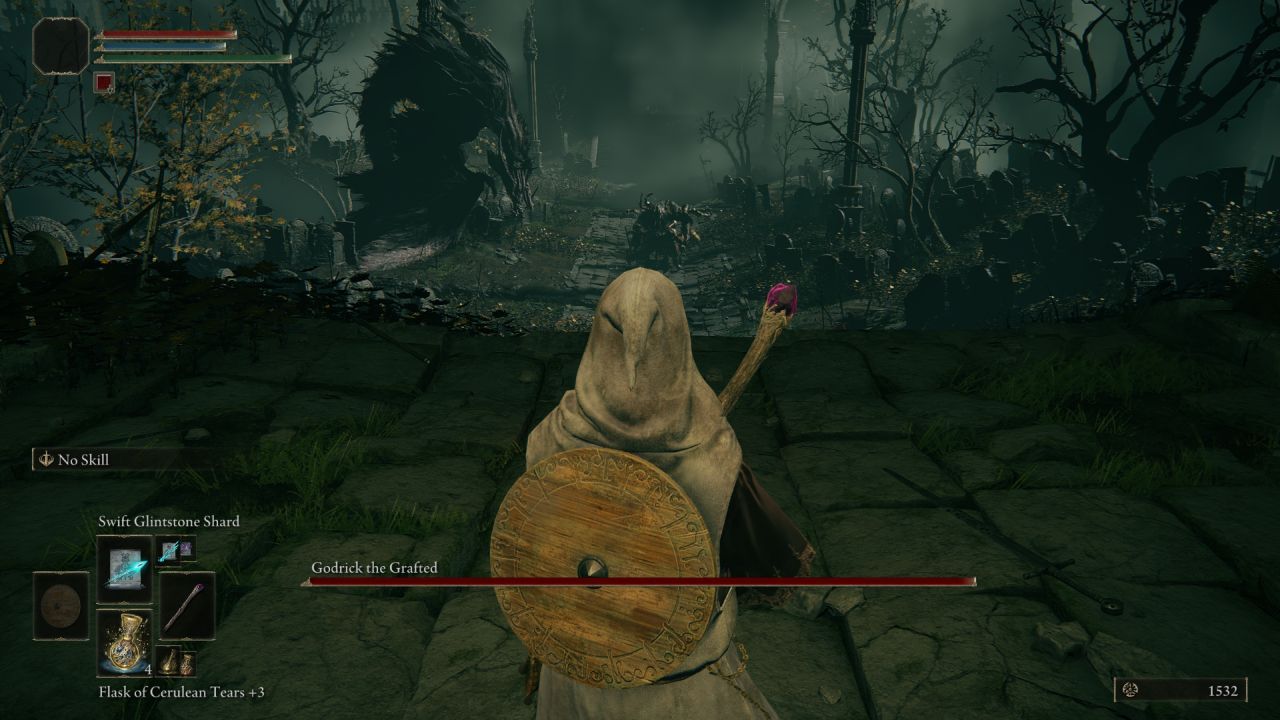
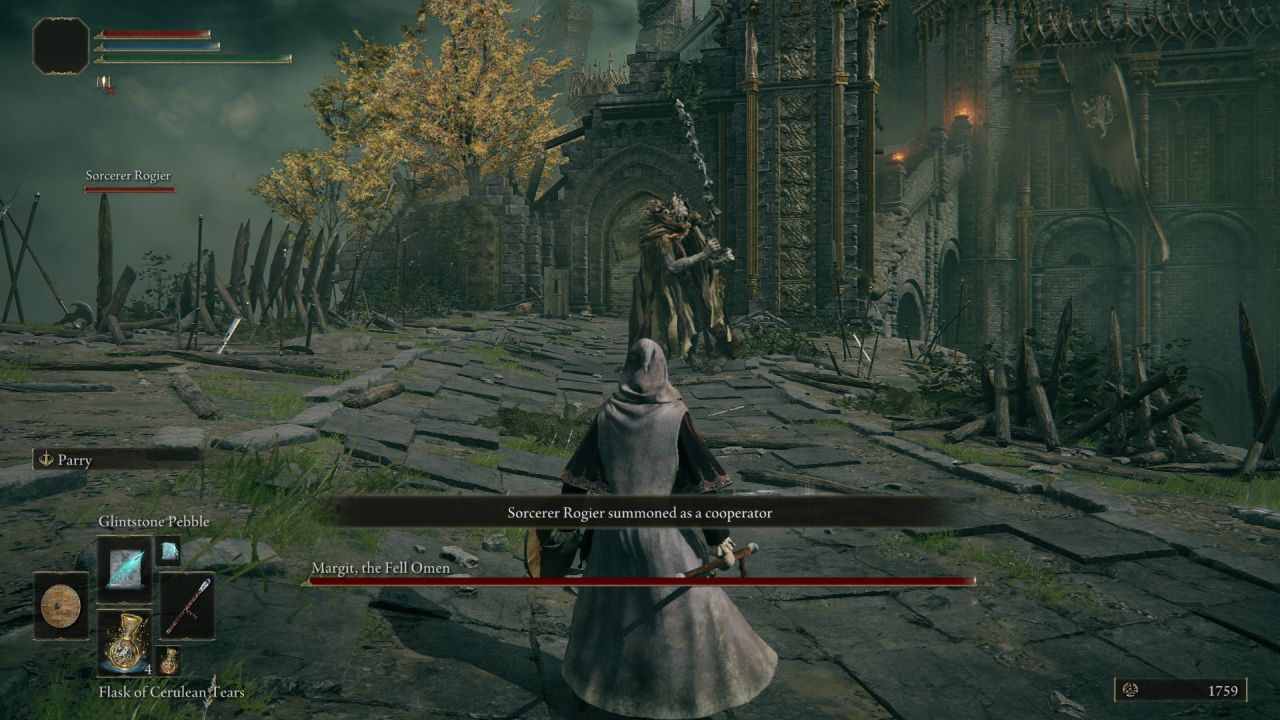
Margit the Fell Omen on a fresh character | Challenge
Alternatively, you can focus on Faith for incantations that range from healing miracles to draconic transformations. The synergy between weapon arts and stats is staggering, letting you shape a character with near-limitless potential. If you want to dual-wield colossal swords, toss lightning spears, or dabble in necromancy, you can—given enough runes and the right gear.
Weapon Arts (Ashes of War)
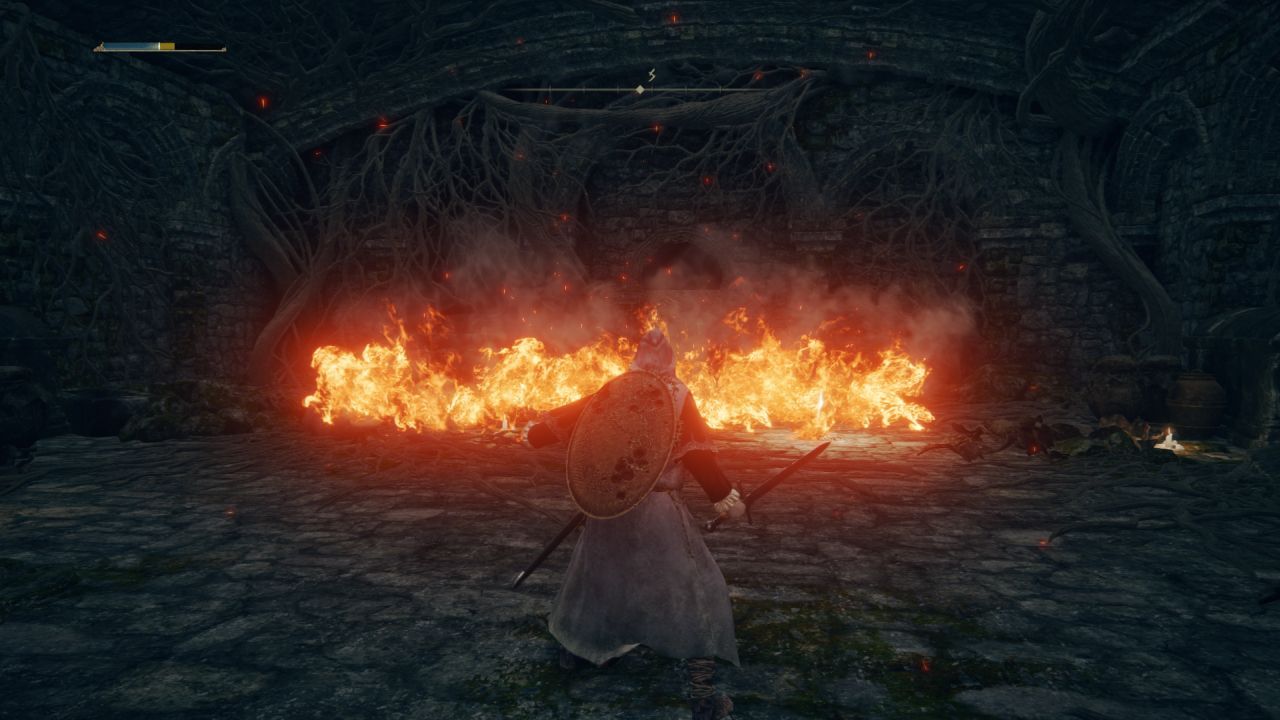
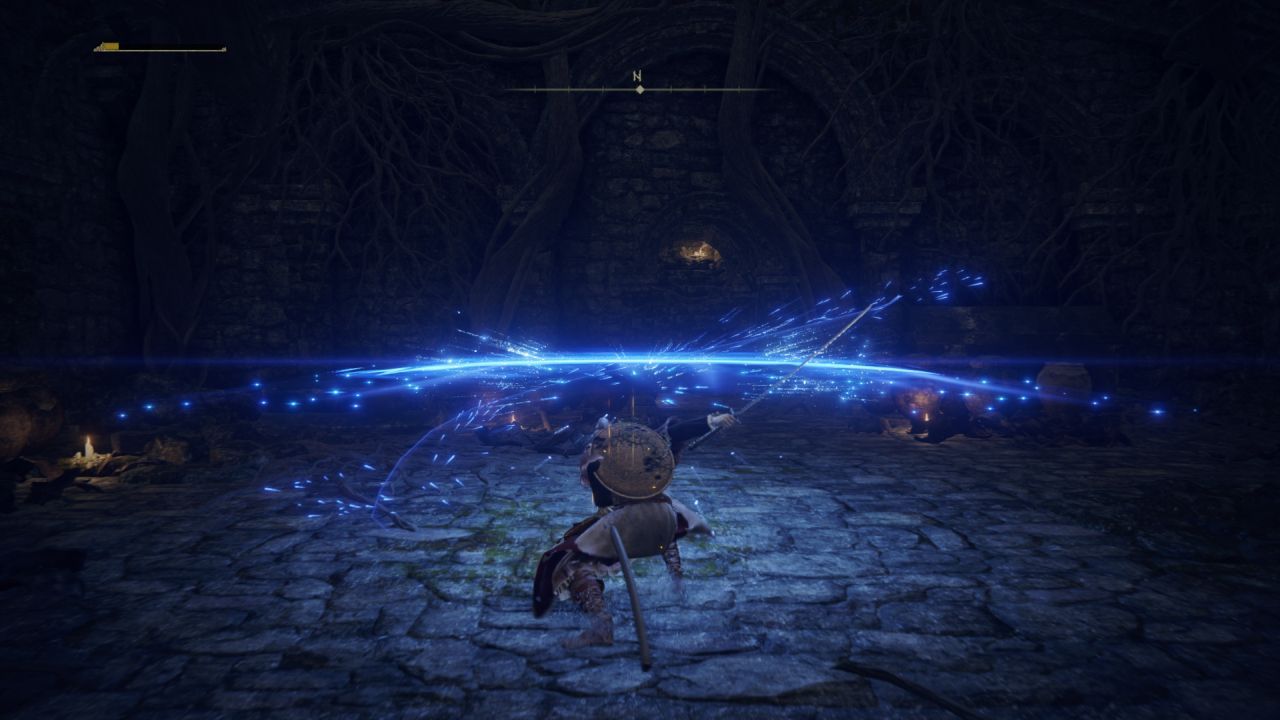
Dark Souls 3 introduced “Weapon Arts,” unique skills tied to each weapon, but Elden Ring evolves that concept with “Ashes of War.” These special items allow you to swap skills across weapons, effectively letting you customize your armaments’ abilities. For instance, you might attach a powerful AoE shockwave skill to a greatsword, or imbue a rapier with a blood-based lunge that piles on bleed damage. Some Ashes scale with particular stats, so a faith-infused blade might also cast a brief holy enchantment.
This system fosters creativity and synergy. You can refine your weapon’s “affinity,” shifting its damage scaling to Strength, Dexterity, or even Intelligence. I found a particularly deadly synergy by combining a frost-based Ash with a heavy strength-scaling sword, applying frost buildup while dealing huge raw damage. Moments like that reminded me how Elden Ring’s design encourages experimentation—no single correct path or ultimate weapon, just endless ways to shape your approach.
Summons and Spirit Ashes
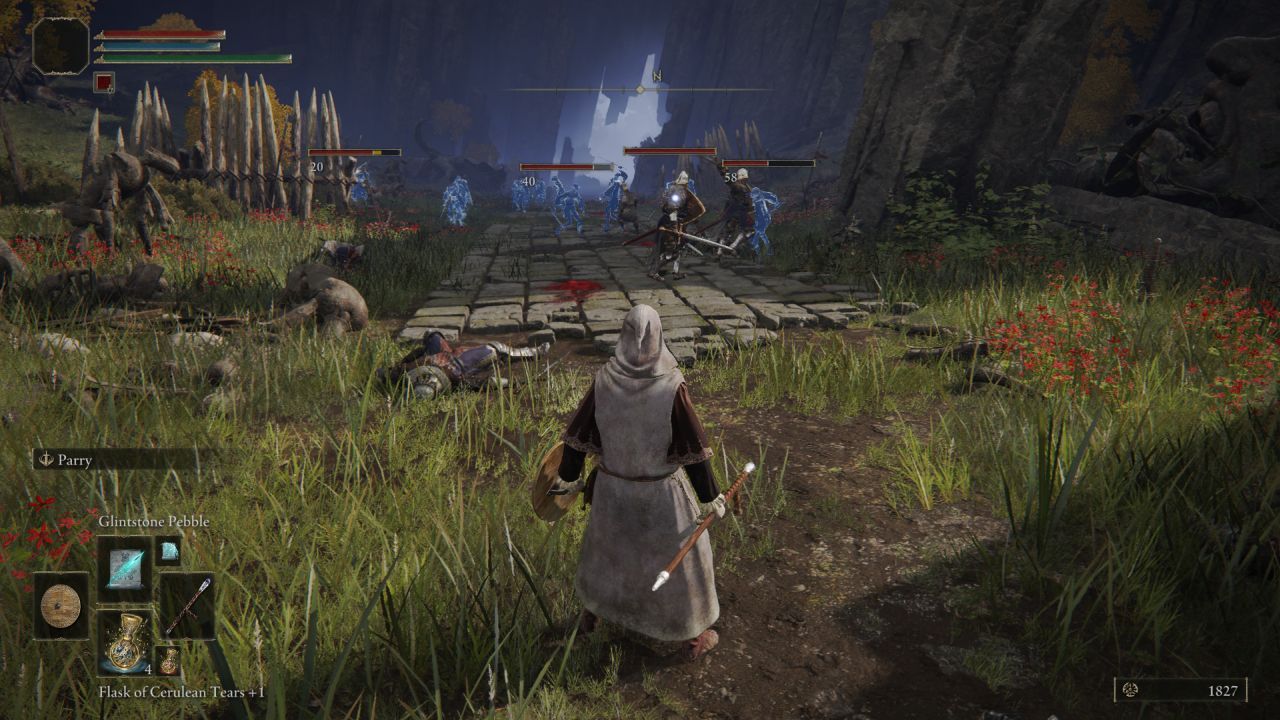
In previous Souls games, you could summon friendly phantoms if you needed help. Elden Ring not only retains multiplayer co-op, but also introduces the concept of “Spirit Ashes”—NPC-like specters you can call on to aid you in boss fights or tough areas. Each Spirit Ash has unique attributes: a band of weak skeletons that resurrect themselves, a single powerful mimic that replicates your exact build, or even a pack of agile wolves that can swarm foes. For some battles, a well-chosen spirit can drastically alter the encounter. Meanwhile, you can still rely on the old-fashioned approach of single combat if you seek a more traditional challenge. This extra dimension of summoning fits snugly within the open-world setting and further alleviates potential frustration.
Boss Encounters: Awe and Punishment
Radahn: The Titan That Stopped Me in My Tracks
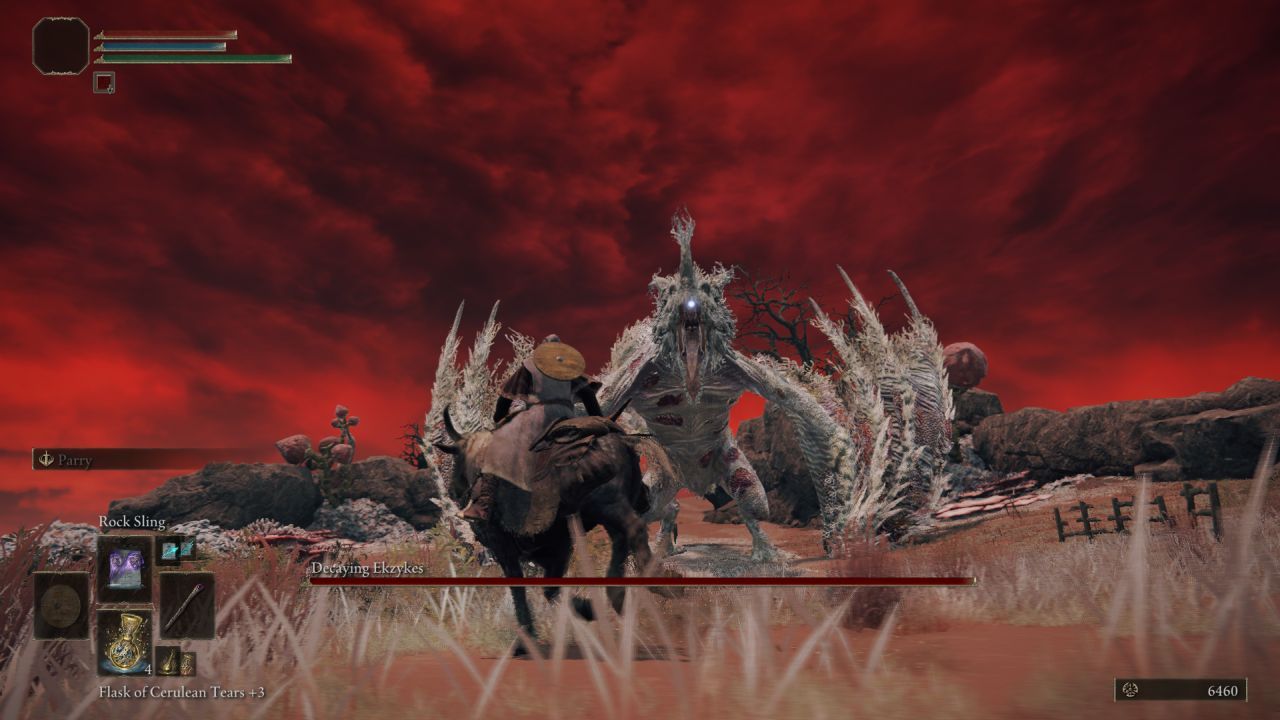
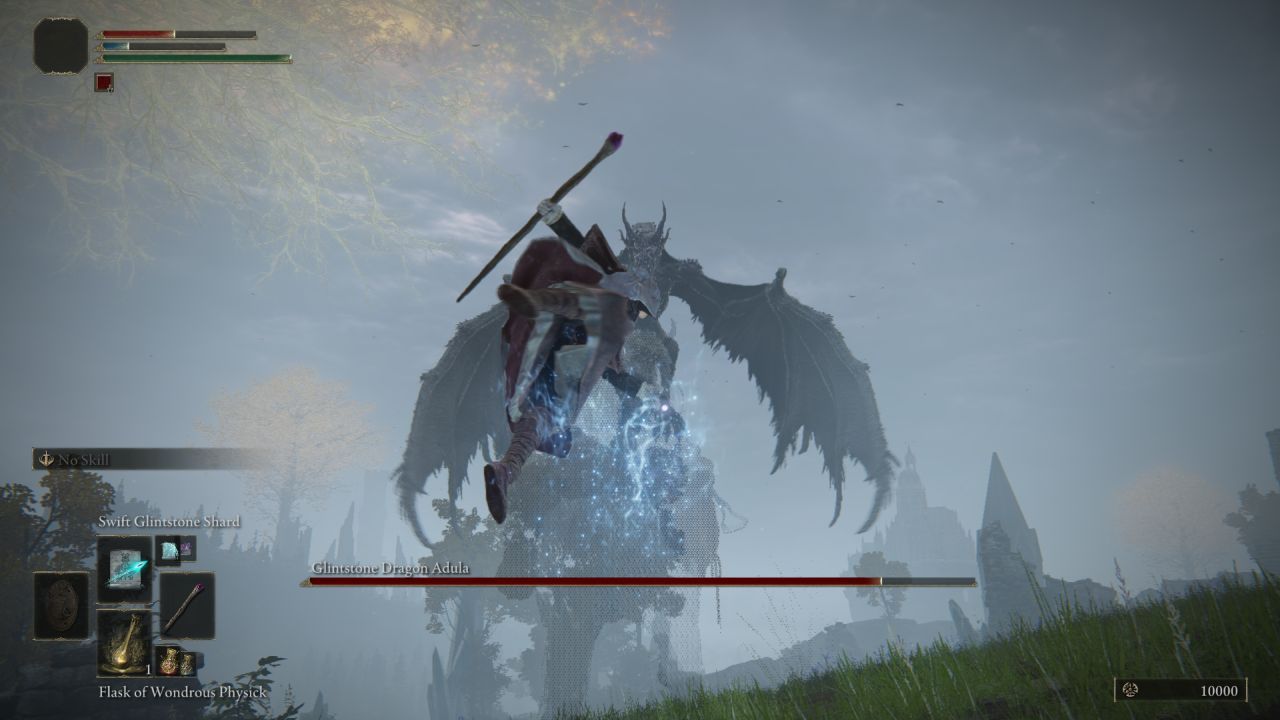
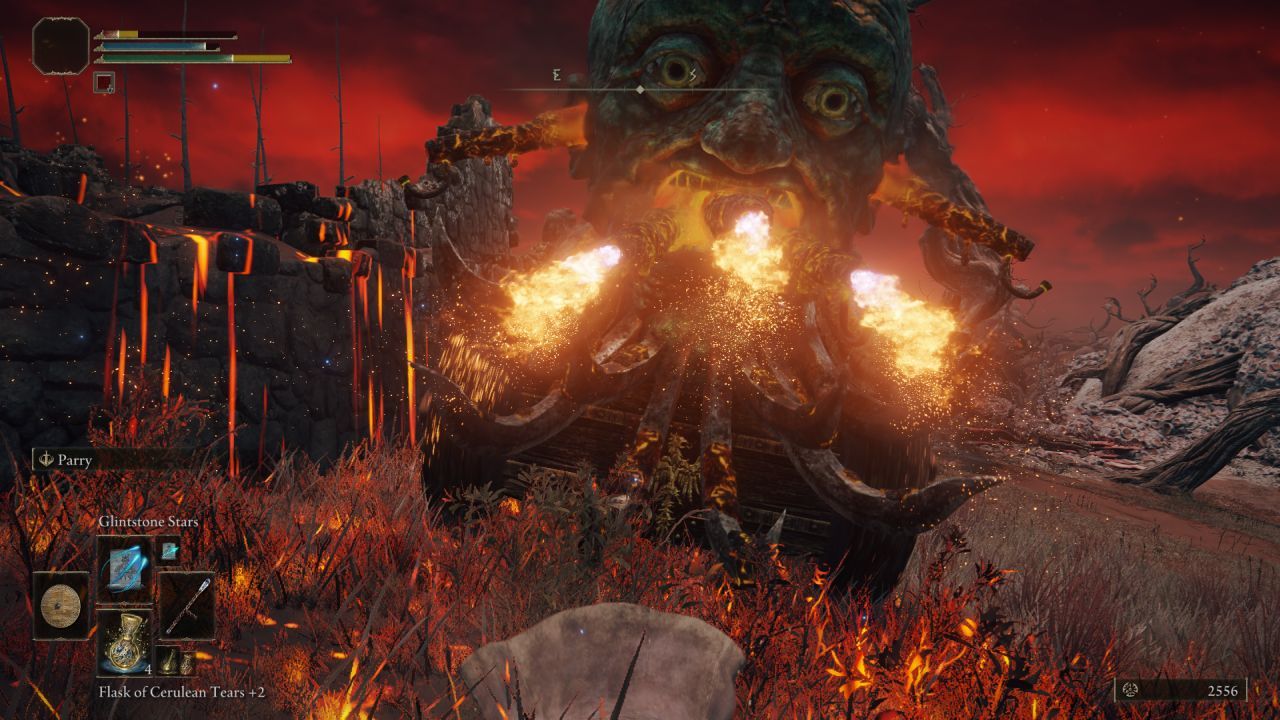
Boss battles remain a central pillar of FromSoftware design, and Elden Ring doesn’t skimp on the spectacle. The roster includes monstrous dragons, corrupted demigods, and cunning knights with unique move sets. One boss, in particular, left a massive impression: Starscourge Radahn. Encountered relatively early (or mid-game, depending on your exploration), Radahn is a mountainous warrior commanding gravitational powers. He rules over a desolate wasteland known as Redmane Castle, awaiting challengers in an arena of swirling sand.
Unprepared for his onslaught, I found myself battered by colossal meteor-like projectiles, battered again by his monstrous melee combos, and repeatedly shot out of the sky. Attempt after attempt ended in my defeat. Elden Ring’s open-world structure typically means you can walk away and return later, but my stubbornness wouldn’t let me. I spent multiple days bashing my head against Radahn, reading patterns, summoning ephemeral allies, adjusting gear. Victory eventually arrived on the third real-life day of attempts, and the catharsis was immense.
Variety and Progression in Boss Fights
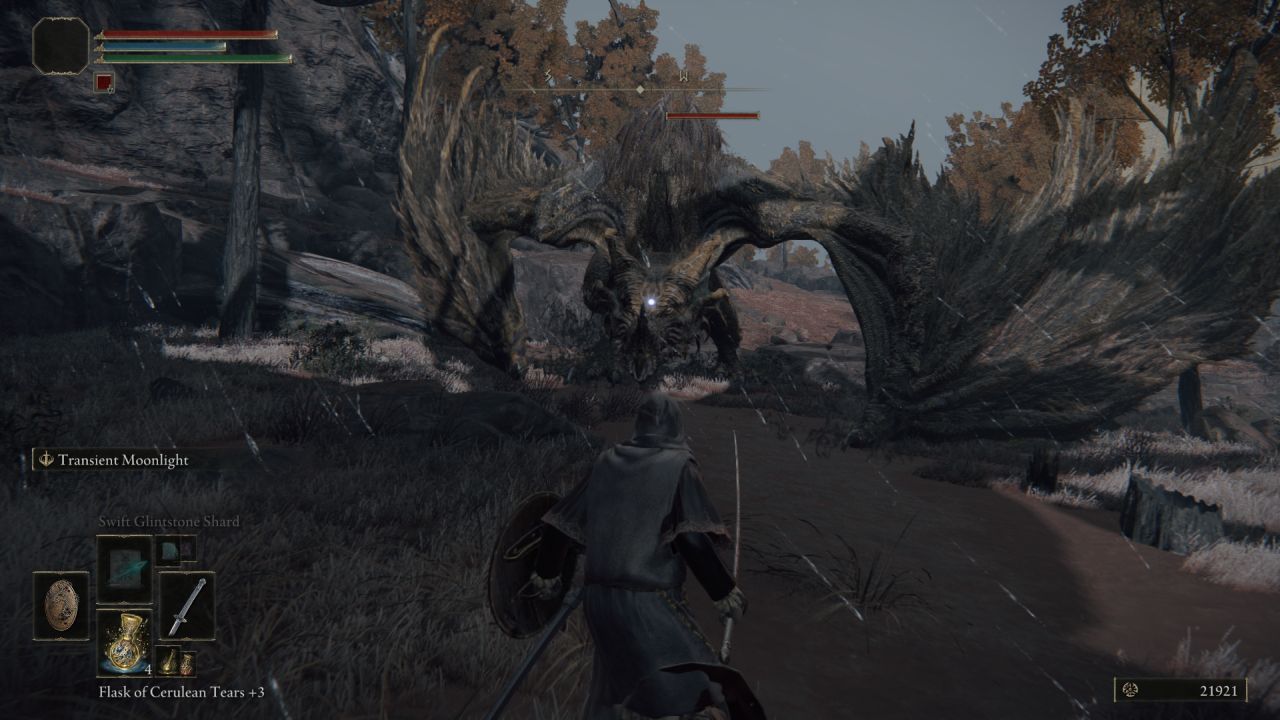
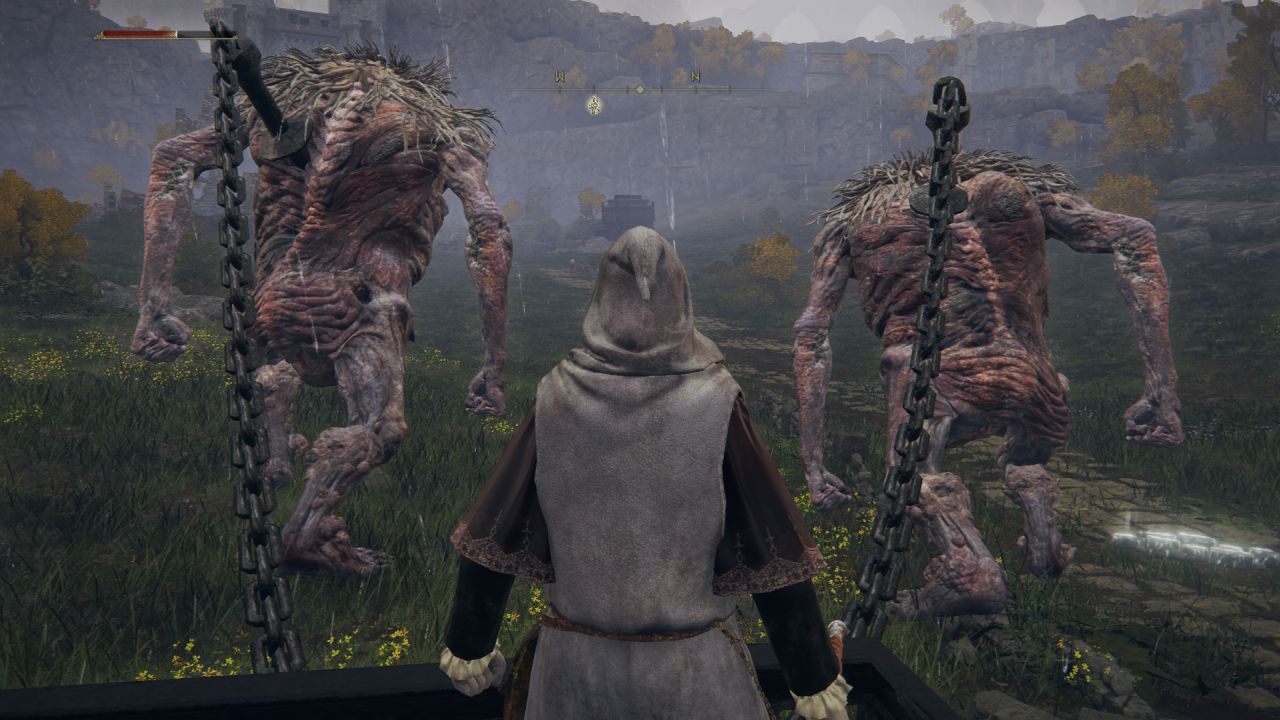
Beyond Radahn, the game features a wide selection of major and minor bosses, each with distinct quirks. Some are singled out in grand arenas, while others lurk in corners of the open world, offering dynamic encounters if you stumble upon them. This variety is a double-edged sword: on the one hand, the sense of wonder is unmatched, as you never know if that looming silhouette might be a mid-tier boss or a top-tier threat. On the other hand, some boss encounters feel repeated or re-skinned, especially among optional sub-bosses in the game’s many dungeons. The sheer scale of Elden Ring inevitably leads to some repetition.
However, the main storyline bosses generally shine with creative movesets and memorable set pieces. Some notable examples include Rennala, Queen of the Full Moon—fought amid a giant library’s swirling cosmic illusions—and Malenia, Blade of Miquella, an encounter that is widely considered among the hardest in the entire game. The variety of ways to approach these bosses (co-op, summoning spirits, employing specialized builds) keeps even repeated encounters fresh.
Magic, Faith, and Arcane Freedoms
Spellcasting and Incantations
Having experienced a narrower skillset in Sekiro, I loved Elden Ring’s emphasis on magical diversity. Sorceries scale with Intelligence, and incantations primarily with Faith (though Arcane influences certain blood-based spells). The sheer quantity of spells is staggering—ranging from quick glintstone shards to massive cosmic lasers that can decimate bosses in seconds, if you manage to cast them uninterrupted.
There’s a certain delight in discovering and collecting these spells from hidden towers or fallen mages. Sometimes, reading the item descriptions reveals bits of lore that tie to demigods or ancient academies. Indeed, it’s reminiscent of the old Dark Souls style of storytelling, but with enough novelty to avoid feeling recycled.
Switching Builds Mid-Run
Elden Ring also provides the Larval Tear system, letting you “respec” your stats if you find yourself wanting a new build or if you’re stuck against a particular challenge. In older Souls titles, respec was typically quite limited or locked behind specific items. Elden Ring’s more generous approach helped me adapt on the fly. I started as a Strength/Dex warrior, but eventually retooled to an Intelligence-based spellsword after I found some jaw-dropping staff and crystal spells. For those who relish the variety of experimentation, this system is a dream.
Performance, Graphics, and Art Direction
World Design and Artistic Flair
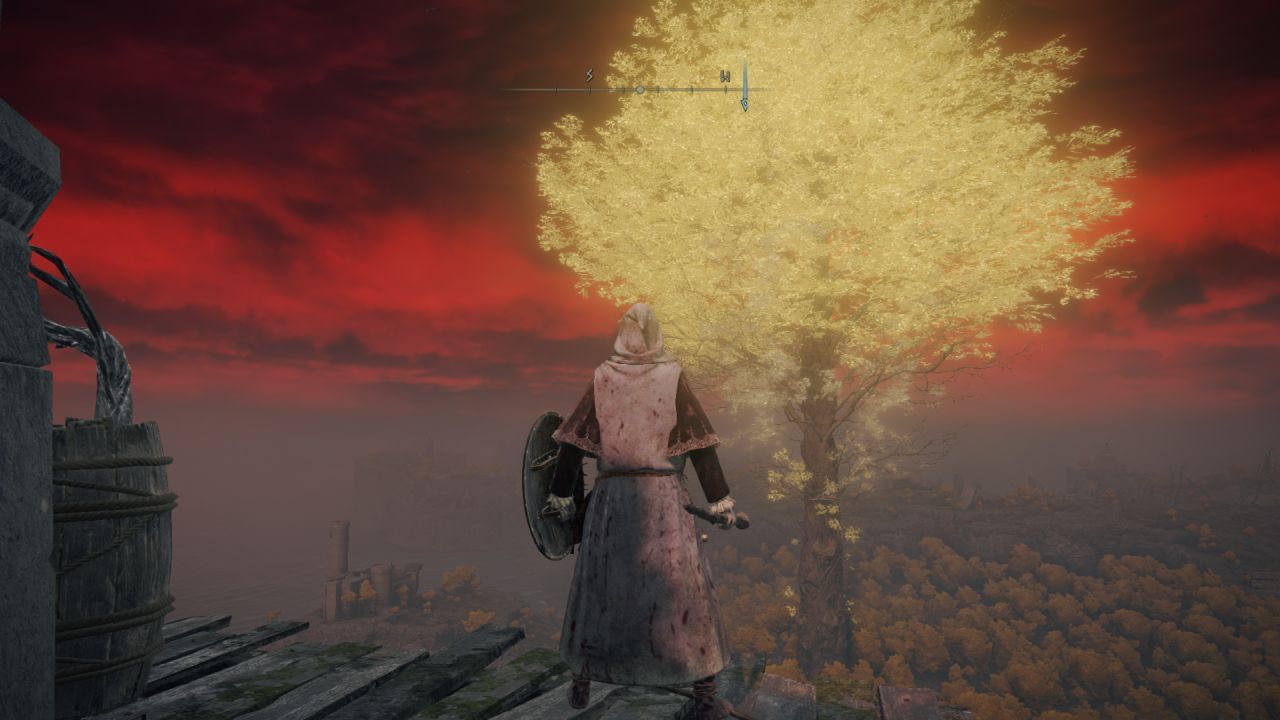
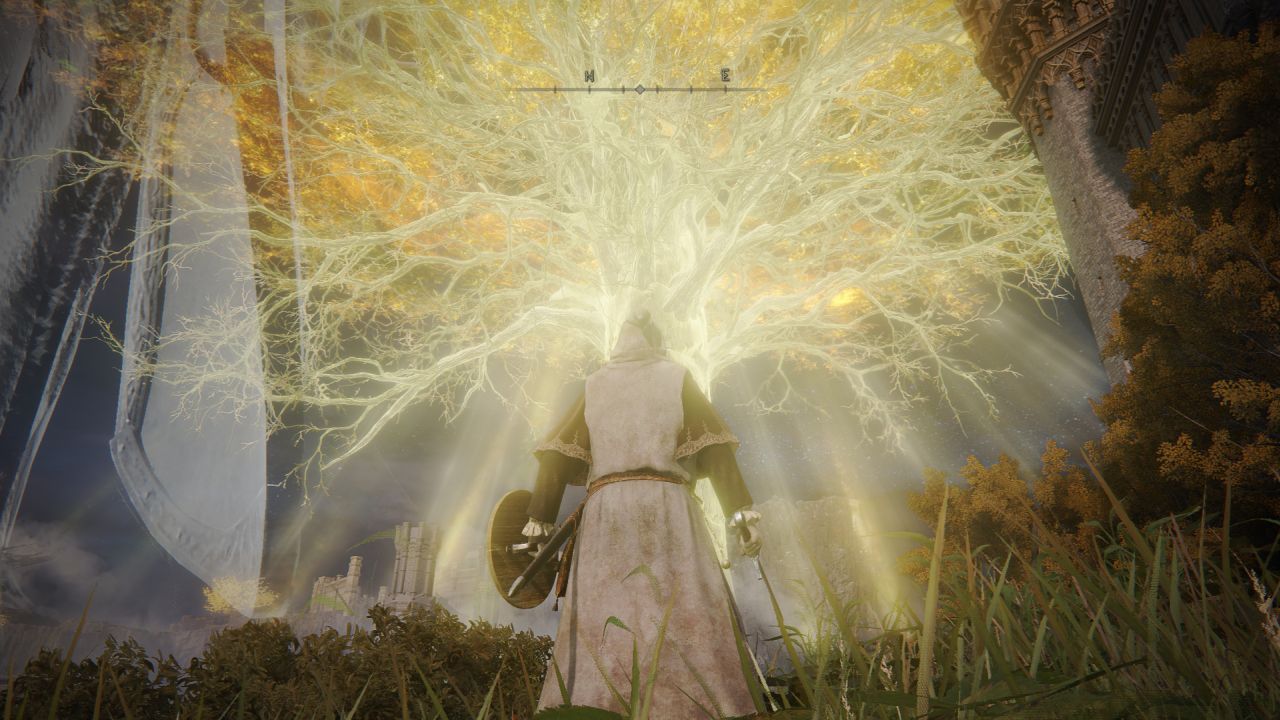
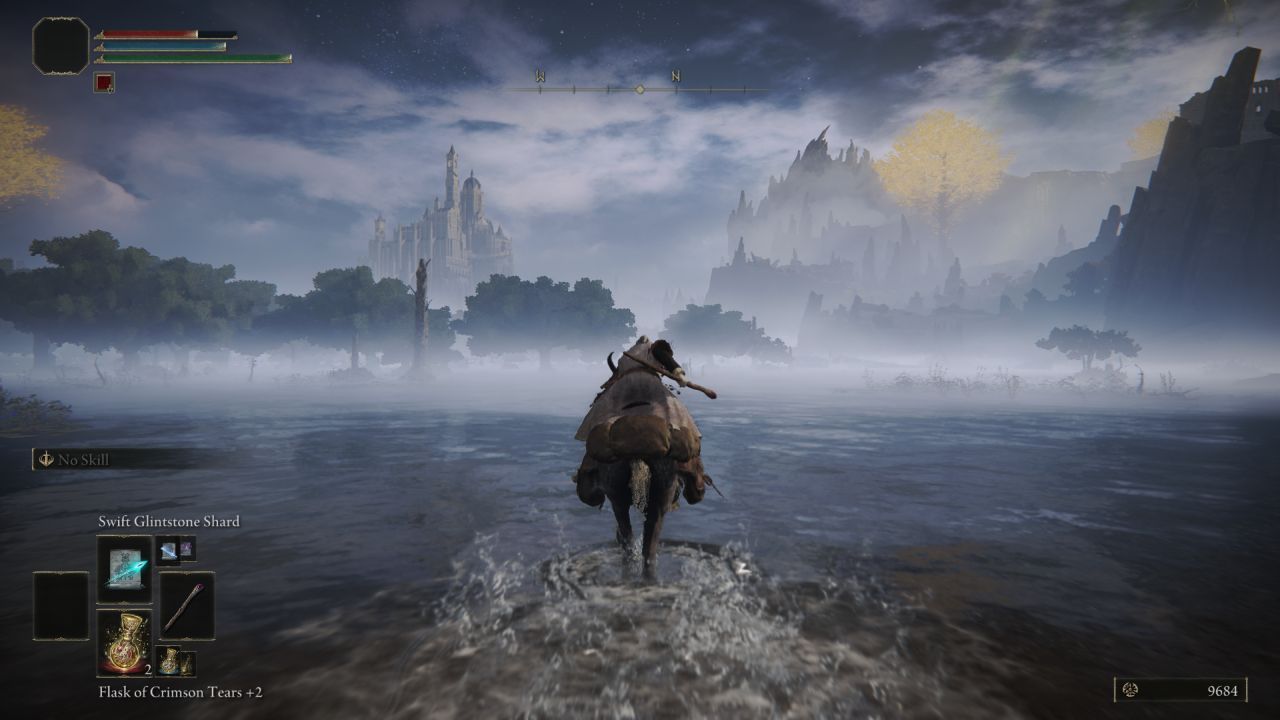
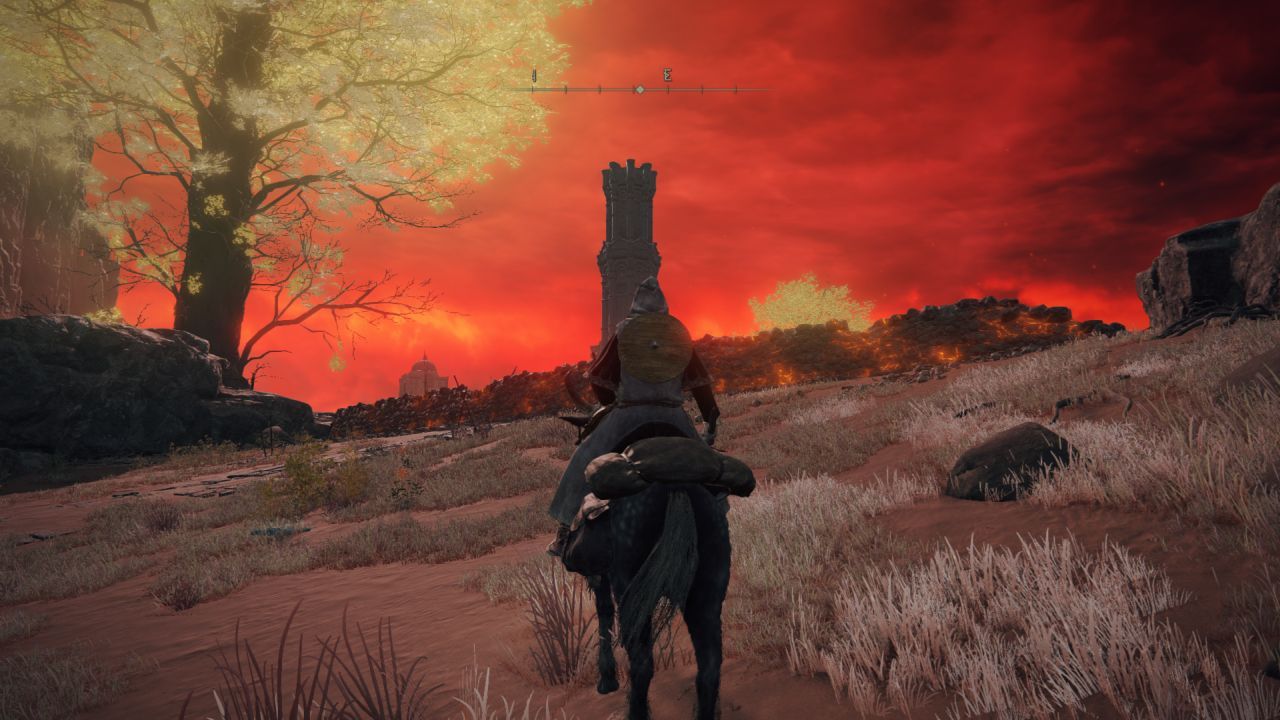
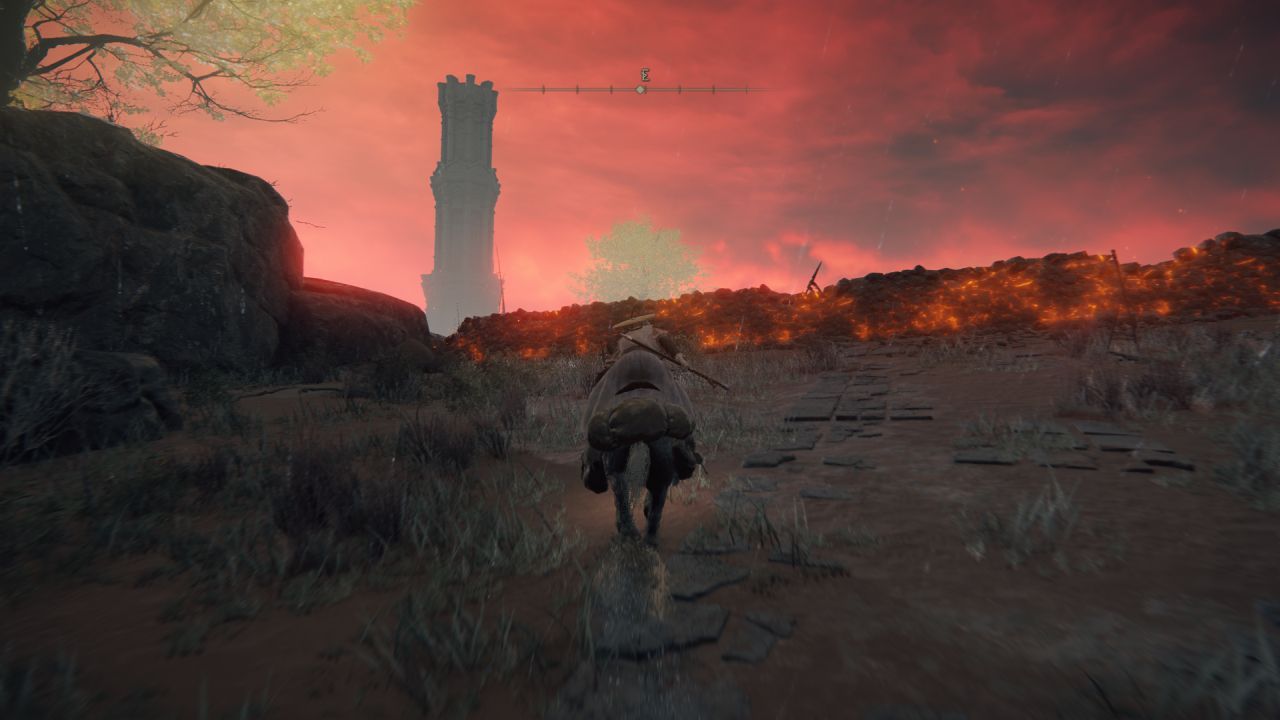
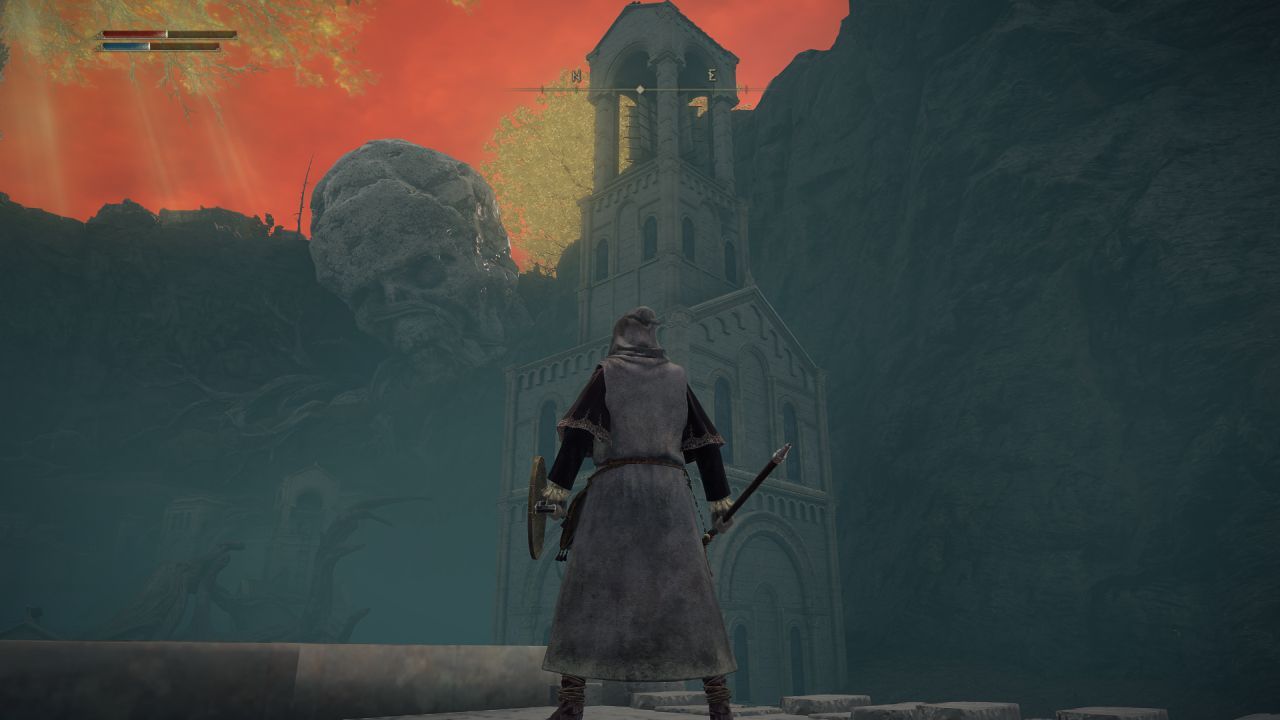
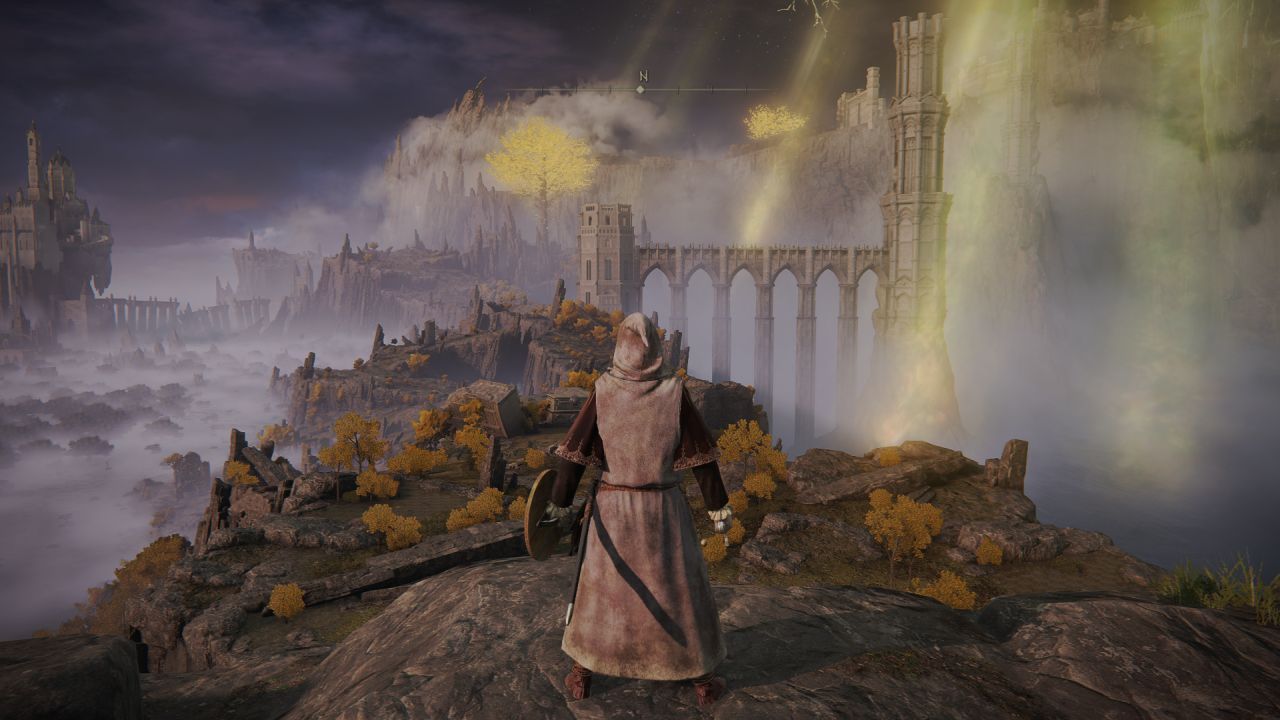
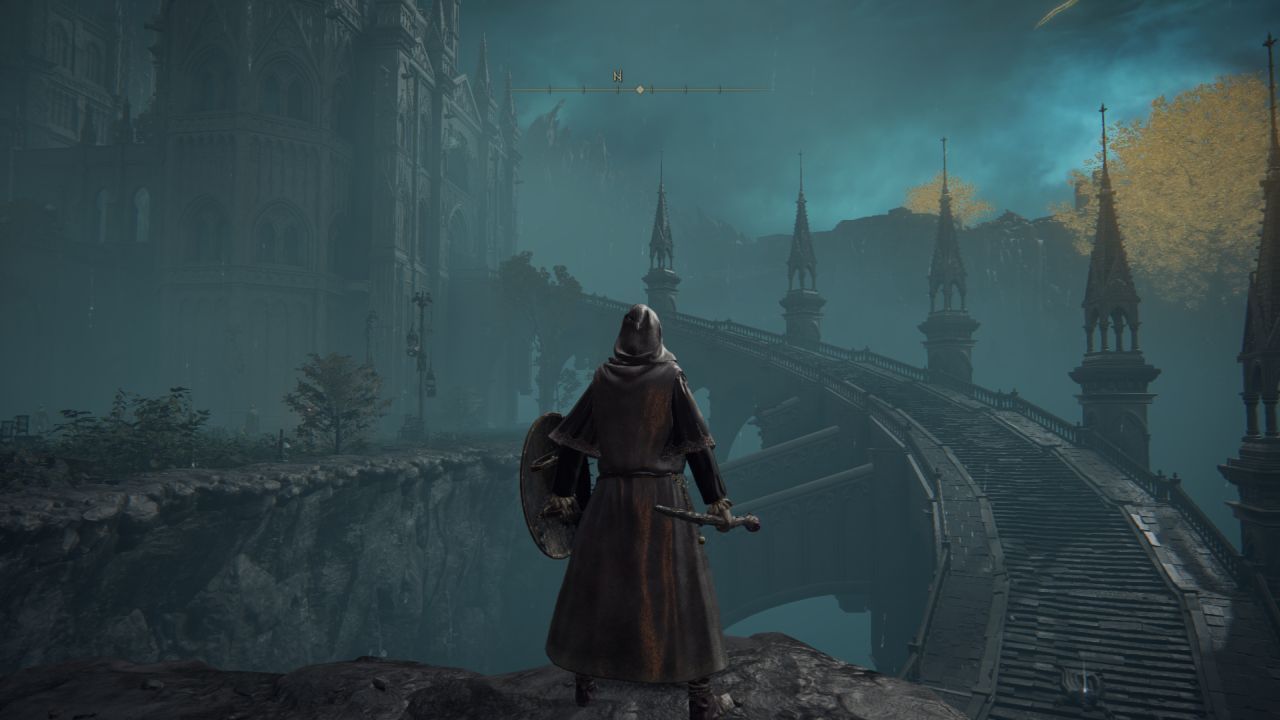
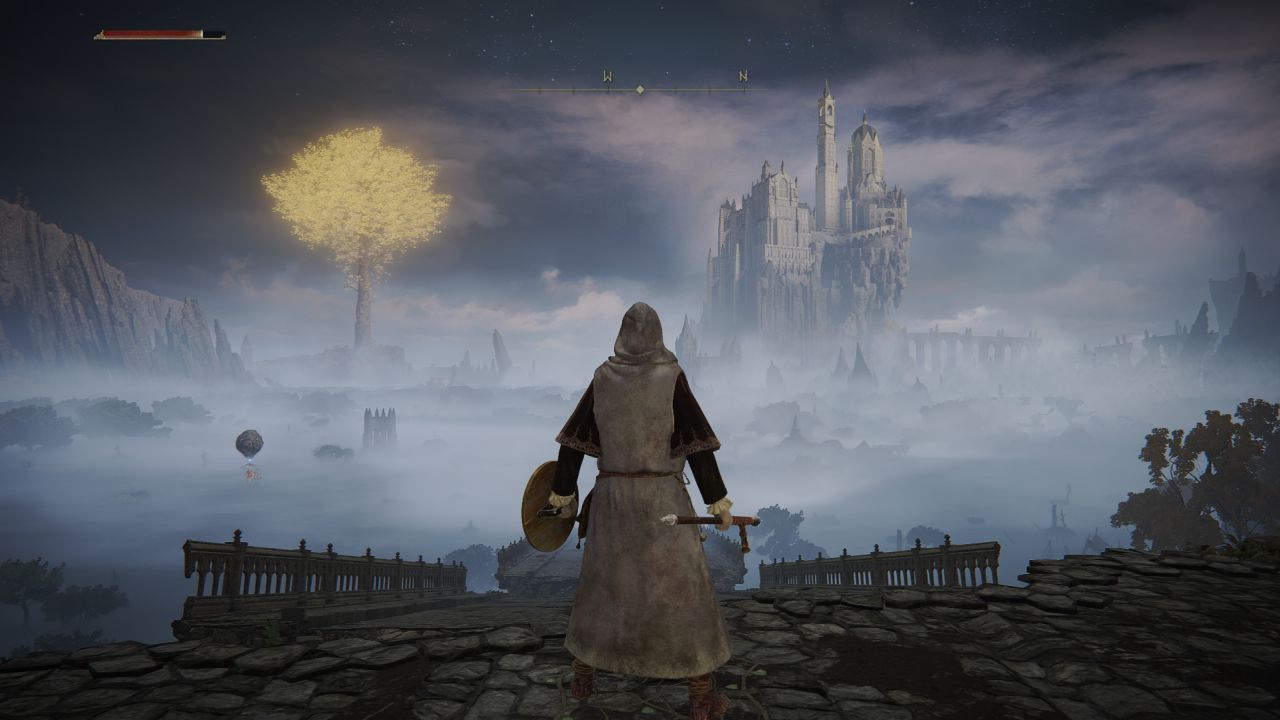
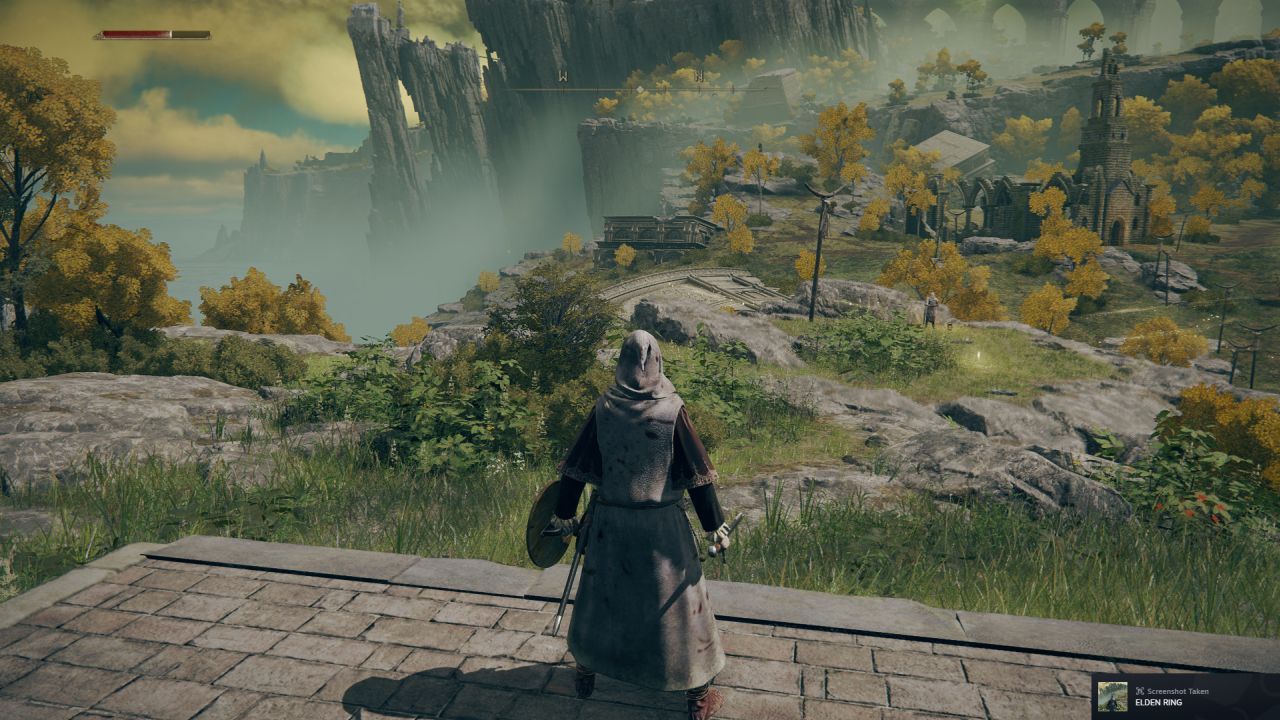
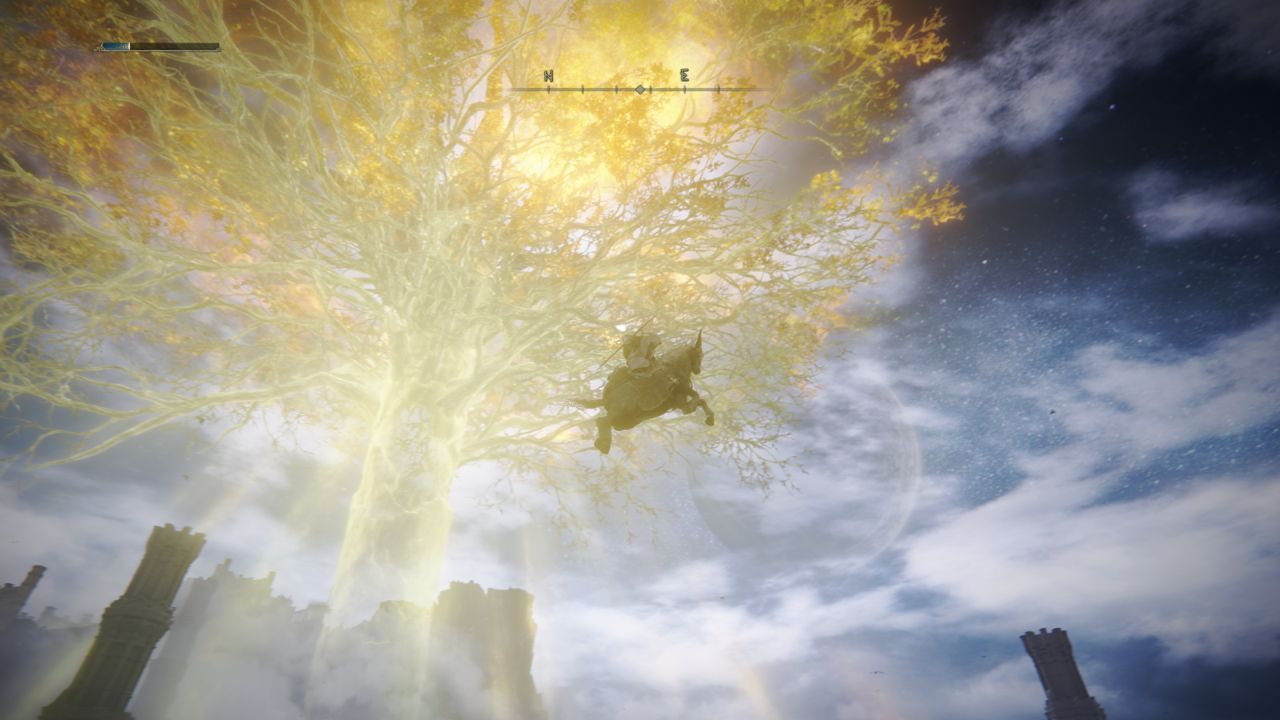
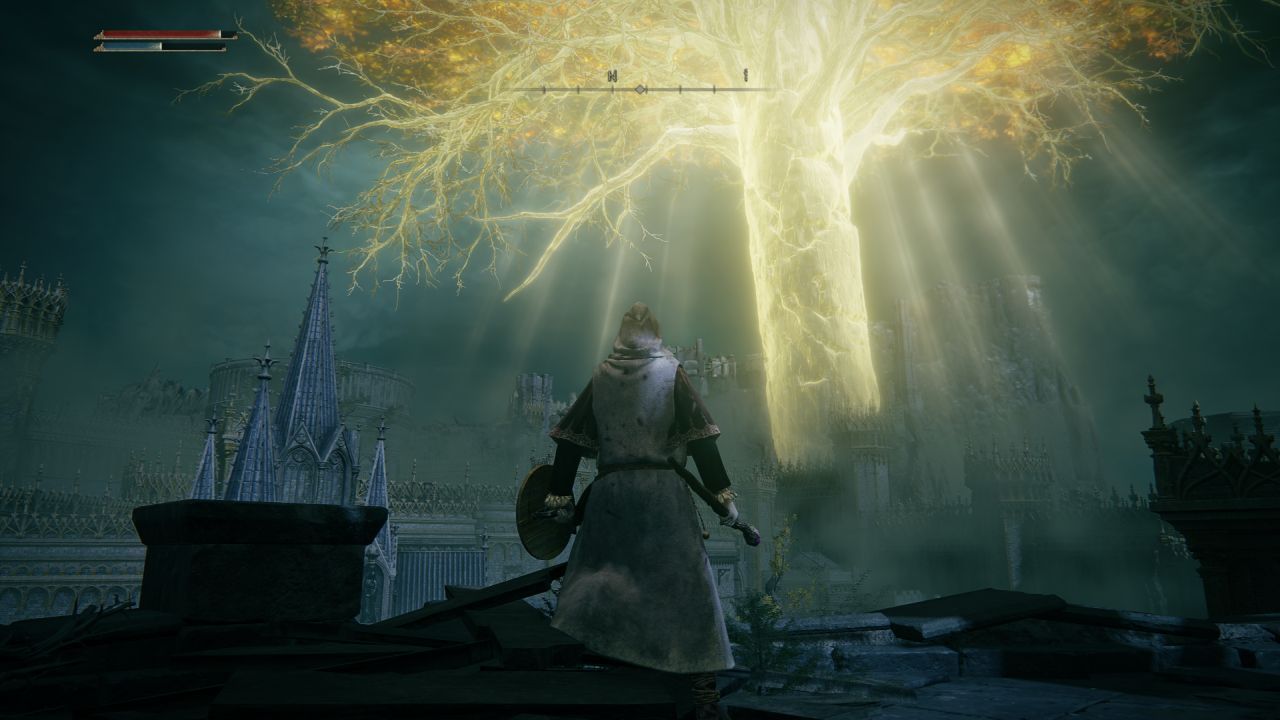
Graphically, Elden Ring embraces a style that merges Dark Souls’ gothic medieval tone with vibrant fantasy elements. The Erdtree—an immense, luminous tree at the center of the Lands Between—serves as a beacon visible from nearly every zone. The first time I gazed upon it, I marveled at the detail. Yet, in an open-world setting, the developers had to distribute resources carefully. Certain interior areas and dungeons exhibit incredible detail, while some open expanses appear simpler, though never unimpressive. The overall art direction is consistently strong, maintaining a balance between bleak ruin and ethereal splendor.
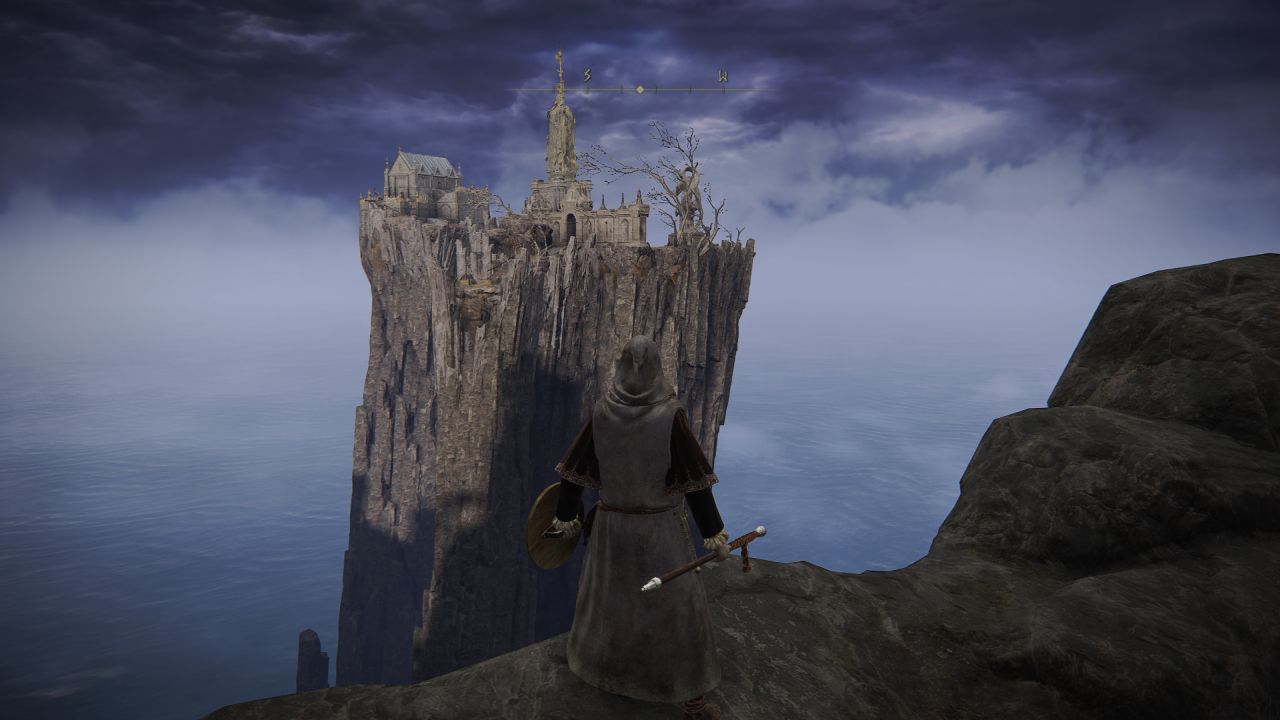
Performance can vary based on platform. On a powerful PC rig, Elden Ring generally runs well at high settings, although occasional stutters or framerate drops can appear in open areas. On older consoles, the game is scaled down, though still playable. The sense of scale—looking out from a high plateau and seeing distant stormy skies or glimpsing an entire region’s architecture far below—remains breathtaking.
Soundscapes and Atmosphere
The soundtrack underscores Elden Ring’s grandiosity. Gentle ambient pieces float through the quieter exploration segments, while epic choral arrangements erupt during boss battles. The approach is reminiscent of Dark Souls but with more variety, befitting the expansive nature of the Lands Between. Meanwhile, environmental audio excels at situational cues. You may hear a faint howling wind that leads you to a hidden cliff, or the ominous chanting near a boss chamber. The interplay of visuals and audio fosters a sense of immersion that remains one of FromSoftware’s strong suits.
Progression: Leveling, Runes, and Exploration Incentives
Runes Instead of Souls
In typical Soulslike fashion, you gather “runes” by defeating enemies and exploring dungeons. Dying causes you to drop them where you fall, and failing to retrieve them results in permanent loss. This system is a familiar risk-reward loop. But in Elden Ring, runes serve an even greater role by fueling your progression. At any Site of Grace, you can increase your character’s attributes, eventually steering yourself toward your chosen build.
Enduring the Grind—or Skipping It
Due to the open-world nature, you can opt to “farm” runes in specific zones, or simply roam until you accumulate enough from side dungeons. Some players find that the flexibility to explore and gather runes naturally reduces the sense of grinding. Unlike older Souls games, which sometimes forced repeated runs of a single corridor for souls, Elden Ring encourages traveling the map to find fresh challenges. If a certain boss proves too tough, you can do a circuit of catacombs or fight optional dragons to level up. Or, if you’re more confident, skip the grind entirely and rely purely on skill to push forward.
Elden Ring further motivates exploration with a wide array of NPC questlines. Some are fairly straightforward, while others unfold in cryptic steps reminiscent of older Souls titles. These NPCs might reward powerful gear, unique spells, or entire alternative endings. Their stories weave through the fabric of the Lands Between, contributing to an overarching sense of a living, if fractured, realm. You might find an odd warrior mourning the state of Limgrave one minute, then discover them waging war against a hidden cult in a remote corner of the map the next. The sense of mystery that FromSoftware fans love is still intact, but in an open-world setting, it feels bigger—and at times, more scattered.
Comparisons to Dark Souls 3 and Sekiro
Evolving the Souls Formula
Dark Souls 3 was lauded for refining the Souls formula to near perfection: fast yet weighty combat, interconnected levels, and iconic bosses. Elden Ring takes that DNA and expands it onto a truly open stage. Certain mini-dungeons call back to that classic labyrinthian design, but the overworld fosters more spontaneity. If Dark Souls 3 was a meticulously carved labyrinth, Elden Ring is an entire continent.
Difficulty Differences
Sekiro’s emphasis on parrying and singular combat style stands in stark contrast to Elden Ring’s smorgasbord of approaches. While Sekiro might present a narrower path with extremely high demands on reaction and timing, Elden Ring spreads out its challenges, letting you pick your battles and refine your character. There’s no question that certain Elden Ring bosses—like Malenia or Radahn—rival or exceed Sekiro’s hardest fights in raw difficulty. Yet the open-world format means you can typically walk away and come back stronger, which was never an option in Sekiro. For some, that reduces frustration; for others, it might lessen the sense of intense progression found in more linear titles.
Elden Ring essentially merges the best aspects of the Souls series with Breath of the Wild-style open-world freedom. It keeps that signature dread, intricately designed boss fights, and cryptic lore while adding layers of exploration and variety. If you want the punishing mastery of older titles, you can ignore many of the game’s helpful features (summoning, spirit ashes, heavy grinding) and tackle the hardest roads head-on. If you prefer a gentler experience, the game provides multiple ways to mitigate difficulty. It’s a masterclass in letting the player define their own pace.
Final Reflections
Elden Ring is huge—probably the biggest leap forward in scope for any FromSoftware game. Whether that scope will be your delight or your downfall depends on your tolerance for open-ended exploration. Some players might yearn for the more curated, condensed approach of Dark Souls 3 or the refined singular gameplay of Sekiro. But if you crave a large, cohesive world where secrets lurk under every rock, or if you love weaving unique builds that decimate horrifying demigods, Elden Ring stands as a monumental achievement.
I vividly remember the final stretch: after conquering various lords, forging alliances with strange NPCs, and discovering entire hidden zones that dwarfed the main path, I stepped up to the ultimate challenge. My character, shaped by countless detours, felt thoroughly mine, an expression of hundreds of decisions and discoveries. That sense of ownership—of forging my own path through labyrinthine catacombs, cosmic revelations, and unspeakable bosses—remains my most cherished memory of Elden Ring.
Major Heroes
The Tarnished (Your created protagonist)
Queen Marika (Ruler tied to the Elden Ring)
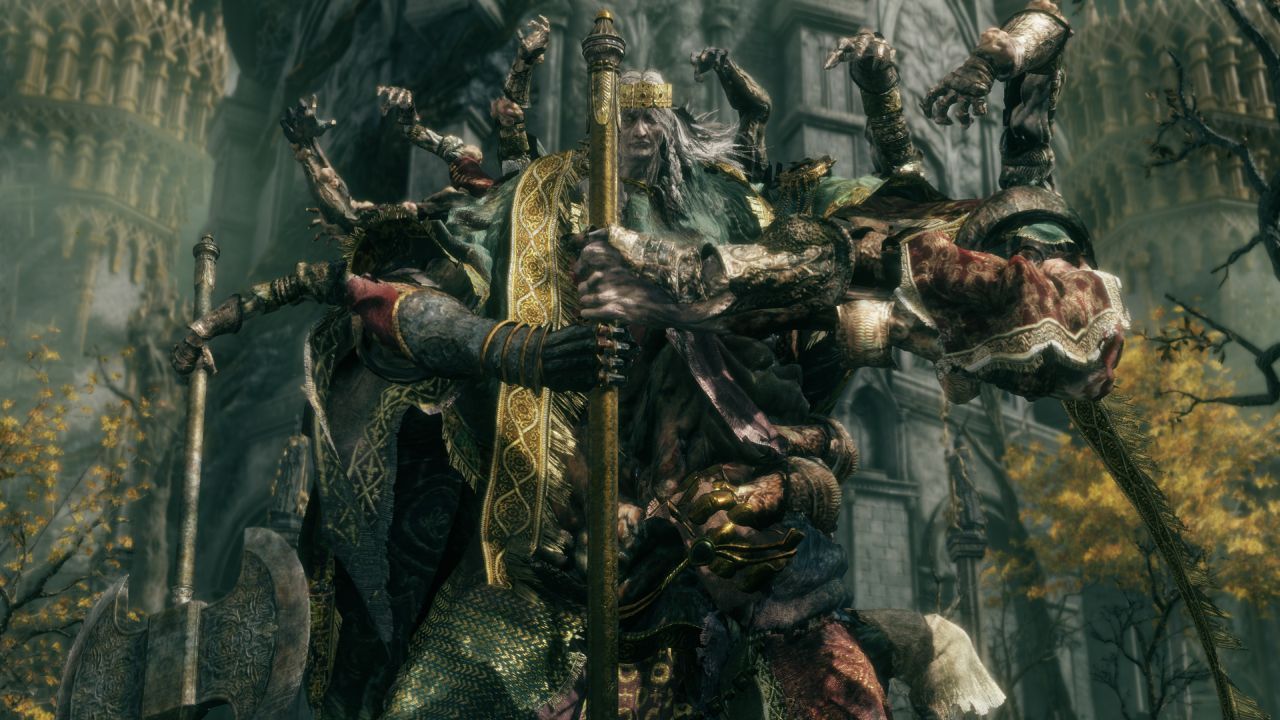
Godrick the Grafted (Demigod tyrant)
Ranni the Witch (Mysterious sorceress)
Notable Locations
Limgrave
Stormveil Castle
Caelid
Leyndell, Royal Capital
About the Game
Title: Elden Ring Type of Game: Action RPG, Open-World, Soulslike Developer: FromSoftware Publisher: Bandai Namco Entertainment Release Date: February 25, 2022 Platforms: PC, PlayStation 4, PlayStation 5, Xbox One, Xbox Series X/S
It feels like ages since I first dived into the unforgiving world of Sekiro: Shadows Die Twice, yet every memory of it is still razor-sharp. After my long adventures with Elden Ring, I was craving a different flavor of challenge. Sekiro delivered exactly that—a singularly focused combat system built on pinpoint deflections and relentless aggression. It forced me to unlearn many Souls-like habits and adopt a daring, parry-centric approach. Looking back now, I realize that Sekiro holds a unique spot in FromSoftware’s catalog: it’s not just about survival or slow, methodical engagements—it’s about seizing the offensive with near-perfect timing.
Learning the Way of the Shinobi
From the outset, Sekiro forgoes the typical formula of juggling stamina bars and heavy armor. Instead, the core gameplay revolves around a distinct Posture system and an emphasis on deflecting enemy attacks. Initially, coming fresh off the broad range of playstyles offered in Elden Ring, I found it a bit difficult to adapt. In Sekiro, you mainly get your trusty katana, the Kusabimaru, and a single guiding principle: you must face each swing by meeting it head-on, using precision deflections or guards.
WePlayGames Youtube channel: Sekiro’s Showdown with Shichimen Warrior Boss
I’d be lying if I said the transition was effortless. My muscle memory wanted me to dodge-roll at every big telegraphed hit, yet Sekiro rewards you for planting your feet and hitting the deflect button at the perfect instant. Once I accepted that, the game’s flow felt refreshingly different—like a laser-focused test of reflexes, risk, and bold forward pressure. It’s the kind of game that punishes timid or passive play. If you hold back too long or rely on circling around your enemy, you’ll soon find yourself pinned down by swift combos. But meet the enemy blow-for-blow, deflect those strikes, and you’ll break their Posture, exposing them for a brutal Shinobi Deathblow.
Whenever someone asks me, “What’s the biggest difference between Sekiro and other Souls-like games?” I put it simply, forget about rolling and adapt deflection. Yes, you can hold the guard button, but the real skill is in tapping it precisely when an enemy strike lands. That’s the essence of deflection. Block too early, and you’ll drain your own Posture. Block too late, and you eat direct damage. But deflect it with flawless timing, and you’ll hear a distinctive clang, accompanied by a bright spark—that moment is pure adrenaline.
This approach leads to adrenaline-pumping duels, especially against human or humanoid foes. Each swing is a moment of truth: do I deflect, do I dodge, or do I jump to avoid a sweeping strike? The game introduces multiple perilous attacks—sweeps, grabs, and thrusts—that each require different counters, from leaps to Mikiri counters (stepping on the enemy’s weapon). Overcoming these moves requires recognition of subtle cues. You see a certain posture shift, and you know a sweeping strike is coming—so jump straight up and deliver a midair slash to put them off-balance.
The Shinobi Prosthetic: Tools of the Trade
While you don’t have the broad weapon variety typical of Dark Souls 3 or Elden Ring, you do possess a range of Shinobi Prosthetic tools. Early on, I found a loaded shuriken that can punish airborne enemies. Then came the firecracker, which disrupts beasts and certain human foes. The loaded axe helps break wooden shields, while the spear rips armor away from tougher opponents. Each tool is situational, but used skillfully, it can turn the tide in boss fights. Sekiro is a test of situational awareness—figuring out which prosthetic tool fits each scenario best can give you the crucial edge. In a sense, it’s that same sense of puzzle-solving found in other FromSoftware titles, except compressed into your left arm.
One aspect that always struck me is how these prosthetic gadgets aren’t overpowered. They don’t trivialize encounters the way heavy magic might in Elden Ring, nor do they turn you into an unstoppable tank. Instead, they offer tactical openings. The real star remains your skill with Kusabimaru—and, more critically, your deflection timing.
Boss Fights: A Series of Showdowns
Much like its siblings in the FromSoftware family, Sekiro proudly serves up a lineup of punishing boss battles. However, these confrontations feel radically different when you come from Dark Souls or Elden Ring. Sekiro demands precision in a smaller moveset rather than letting you rely on heavier stats or specialized builds.
WePlayGames Youtube : Sekiro’s Showdown with Great Shinobi Owl – Full Fight
There’s no question that Sekiro’s final boss stands among the toughest I’ve ever faced. My personal highlight (or moment of dread) was the confrontation with Isshin the Sword Saint. Let me tell you: he thoroughly tested my reflexes and composure. Over two days, I hammered away at him, losing dozens of times. Each failure taught me a pattern or reaction. By the time I finally dealt that final deathblow, my heart was pounding. Overcoming him felt very rewarding.
Other bosses left strong impressions too: the Guardian Ape, with its unpredictable leaps and roars, or Genichiro, who’s essentially your deflection sparring partner in the game’s early arc. There’s even a second version of Genichiro that hits you with new combos, forcing you to refine your strategy once again.
WePlayGames Youtube channel: Isshin the Sword Saint Full Fight
Refighting Bosses via Memories
In Sekiro, there’s a neat twist: you can revisit boss battles through a special reflection feature. If you ever want to challenge them again (maybe to sharpen your parry skills, or just to prove you can do it more cleanly), you can. This was a brilliant addition that I wish existed in Elden Ring, especially since it’s easy to yearn for a second chance at that epic fight you overcame by a sliver of health.
Interconnected World vs. True Open-World
One major difference you’ll notice: Sekiro isn’t open-world in the sense that Elden Ring is. Instead, the map is more reminiscent of Dark Souls 3—a network of interconnected areas, each with multiple branching paths and shortcuts. You’ll find hidden routes that bring you back to earlier zones or let you bypass certain sections entirely. Also, having the grappling hook encourages you to scan the environment vertically, discovering rooftops or high ledges that often yield secret items or vantage points.
Some folks prefer the endless freedom of Elden Ring, but personally, I enjoyed the structured labyrinth of Sekiro. The pacing is tighter, with carefully placed mini-bosses and dense encounters. Each zone feels curated to test a specific set of skills. And the atmosphere, while not as color-saturated or varied as some modern triple-A titles, has a cohesive style—think feudal Japanese architecture, misty valleys, mountain passes, and looming fortresses. The limited palette of earthy colors ironically feels appropriate here, underscoring the bleak struggles of war-torn Ashina.
Story, Characters, and Lore
Contrary to the cryptic, item-based lore of Dark Souls, Sekiro uses a more direct narrative approach. You’re the Wolf, a Shinobi bound to protect the young Lord Kuro. There’s a personal drive behind your mission: honor, loyalty, and the burden of immortality. This resonates differently than the standard “Undead hero linking the fire” trope. It’s more intimate. Yes, you’ll still find mysteries to uncover if you dig deep into item descriptions, but I appreciated that Sekiro made the main story accessible without sacrificing that signature FromSoftware intrigue.
Key characters like Kuro, Emma, or Owl (your father figure in the story) each have distinct personalities and motivations, revealed over the course of your journey. Kuro’s quest to sever the ties of immortality is central to the plot, and your role is to ensure his safety—even if it conflicts with your father’s designs. The interplay of these relationships unfolds organically, building tension as you approach the game’s pivotal choices. The existence of multiple endings is standard for FromSoftware, but here the final outcomes feel strongly tied to your moral decisions regarding Kuro’s blood.
Difficulty: The Punishment and the Reward
If you ask me which FromSoftware title is the hardest, I’ll say Sekiro is near the top—especially if you count the final bosses. I remember telling friends how Isshin took me two full days of attempts, which rarely happened in other Souls-likes. That’s because Sekiro does not let you rely on overleveling or summoning co-op allies. You can unlock certain skills or slightly upgrade your attack power, but success fundamentally depends on how well you read and respond to the enemy. And while Elden Ring has monstrous bosses like Malenia or Radahn that tested my patience for days too, at least I could switch up builds and try different methods, In Sekiro, there’s no easy crutch. You do it yourself or you don’t do it at all.
But that’s also the beauty. The satisfaction is enormous when you finally break a boss’s Posture and land the Shinobi Execution, especially if you’ve been stuck for hours. Every deflection you chain together feels like a personal victory over the game’s demands, forging a sense of mastery that I rarely get elsewhere.
Cross-Reference: A Nod to Elden Ring and Dark Souls 3
I’ve already mentioned how Sekiro differs from typical Souls-like experiences. But to put it plainly:
Elden Ring is the buffet of possibilities—multiple classes, massive open world, and countless ways to handle combat. Sekiro is a focused four-course meal: you have one main weapon, limited progression paths, and a direct storyline. If you love the freedom to experiment, you might miss that here. But if you crave a tight, skill-based challenge, Sekiro is unmatched.
Dark Souls 3 feels slower, with stamina-driven fights, methodical rolling, and heavier armor sets. In Sekiro, movement is swift, deflections are king, and the game actively discourages turtling up. Plus, DS3 relies on cryptic storytelling, whereas Sekiro has a clearer narrative thread.
I personally love all three. But if you handed me a controller and said I had to nail a single boss fight for the rest of my life, I’d probably pick something from Sekiro. The swordplay is just that invigorating.
Progression, Skill Trees, and Upgrades
Instead of collecting souls or runes, you gather experience to unlock skill points in separate trees. There’s the Shinobi Arts, Prosthetic Arts, Ashina Arts, and so on. Each tree focuses on a certain aspect of combat—like improving your Mikiri Counter or granting you new aerial moves. Meanwhile, prayer beads found on mini-bosses serve as your primary means of increasing health and posture, and memories from major bosses boost your attack power. This structure ensures your growth stays closely tied to defeating key encounters. In other words, there’s no infinite farming route that trivializes the entire game. You still have to overcome that boss, no matter what.
You also gather crafting materials to enhance your prosthetic tools. Want a deadlier version of the shuriken launcher or a flame vent that deals more damage to certain beastly enemies? Then you must gather rare upgrade items scattered throughout the world. Again, it’s not an enormous loot system, but it’s enough to keep you engaged in exploring every nook and cranny.
Visuals and Performance
Technically, Sekiro may not rival the sheer scale and variety of newer open-world games, but it holds up well in how it presents feudal Japan. The lighting in areas like Ashina Castle and Fountainhead Palace stands out with atmospheric touches that highlight the serene-yet-deadly vibe. The color palette is more muted than, say, the flamboyant realms in Elden Ring, but that suits the setting. On my PC (which handled Dark Souls 3 comfortably), Sekiro ran at a steady frame rate, rarely dipping even during intense battles. The only significant difference is that Sekiro demands near-zero input lag for those perfect parries, so consistent performance is crucial.
Stealth, Verticality, and Level Design
One unique aspect not always found in other Souls-likes is stealth. Press yourself against a wall, creep around corners, or drop down onto unsuspecting enemies from the rooftops. Some mini-bosses become much easier if you can land a stealth deathblow first, halving their health bars. The level layouts encourage scanning your surroundings with the grappling hook to find vantage points. This approach reminds me a bit of Tenchu, an older series that many fans believe Sekiro loosely inherits from.
Vertical traversal—swinging up to rooftops, clinging to cliffs, and bridging big gaps—lends Sekiro a sense of speed and fluidity rarely seen in Dark Souls 3. That said, it does limit your kit in other ways—no fancy incantations or ballistic spells. You’ll rely more on pure swordsmanship, cunning stealth, and a few prosthetic tricks.
Sound, Atmosphere, and Musical Score
My impression: Sekiro leans heavily on atmospheric tension rather than bombastic tracks. Battles are accompanied by tense, sometimes minimalistic music, punctuating moments where you clash swords. The boss themes ramp up with more dramatic flair but never overshadow the action. The clang of steel on steel is the real “soundtrack” of a tough fight. Meanwhile, the environment often feels quiet—broken by wind, rustling grass, or the footsteps of patrolling enemies. It fosters a sense of being a lone wolf in a war-ravaged land, scurrying across rooftops.
As for voice acting, it’s all in Japanese (you can choose English, but I stuck with Japanese for authenticity). The performances are strong—characters like Lord Kuro and Owl deliver lines with enough gravitas to reinforce the game’s emotional stakes.
Overall Impressions
Sekiro: Shadows Die Twice stands out for deviating from the classic Souls formula. Instead of stamina management and build variety, it hones in on reflex-driven deflects and posture-breaking. The result is a faster, more punishing experience that demands near-constant engagement. There’s no resting behind a shield or waiting for an opening. The Wolf is the opening.
But that intensity can be overwhelming. I won’t sugarcoat it: Sekiro might frustrate those who rely on summoning help or prefer to grind levels until they can outlast a boss slowly. Here, you have to face your foes directly. If you accept that challenge, though, the high of perfect deflections is like no other. The game also does a good job of weaving stealth, exploration, and a personal story about immortality and duty. By the end, I’d formed a stronger bond with this protagonist than I usually do in a FromSoftware title. And while the final boss nearly broke me, it is among my proudest gamer achievements.
Major Heroes
Wolf (Protagonist Shinobi)
Lord Kuro (Divine Heir)
Owl (Wolf’s mentor and father figure)
Emma (Loyal physician)
Notable Locations
Ashina Castle
Hirata Estate
Fountainhead Palace
About Sekiro
Title: Sekiro: Shadows Die Twice Type of Game: Action-Adventure, Soulslike Developer: FromSoftware Publisher: Activision Release Date: March 22, 2019 Platforms: PC, PlayStation 4, Xbox One