Rockstar celebrates 4/20 in GTA Online with themed content and bonuses. The new adversary mode, Hunting Pack (Get Lamar), allows players to assist Lamar Davis in delivering a burning LD Organics van or attempt to stop him. Completing this mode grants double GTA$ and RP, with GTA+ members receiving quadruple rewards. Winning two rounds unlocks the Black High Brass Tee and a GTA$100,000 bonus. Logging in during the week grants the Gold 420 Pendant, Green 420 Festival Outfit, and Yeti Earth Day Hoodie. Completing a Biker Business Sell Mission rewards the Güffy Drug Rug Hoodie. Gamespot
Event Duration: April 17–23, 2025
Bonuses and Discounts
Weed Sell Missions, including those from Biker Businesses and Nightclub Organic Produce, offer triple GTA$ this week. Additionally, production speed for Weed Farms and Organic Produce is doubled. Street Dealer sales yield double GTA$ during the event. This applies to all products sold through Street Dealers.
Discounts this week include 50% off Weed Farm Businesses and their upgrades, 30% off Biker Clubhouses and their modifications, and 30% off select vehicles such as the Nagasaki Shotaro motorcycle. Gamespot
Vehicles and Showrooms
At the Diamond Casino, the Western Rampant Rocket is the current Lucky Wheel prize. The LS Car Meet Prize Ride is the Pegassi Osiris, obtainable by placing in the top 3 of the LS Car Meet Series for three consecutive days.
Premium Deluxe Motorsport Showroom features the Benefactor XLS, Lampadati Viseris, Enus Cognoscenti Cabrio, Declasse Vamos, and Western Cliffhanger. Luxury Autos Showroom offers the Invetero Coquette D1 and Pegassi Torero XO. Gamespot
Additional Content In GTA This Week Includes!
This week’s Salvage Yard robbery targets include the Lampadati Viseris, Canis Kamacho, and Grotti GT500. The Gun Van’s inventory includes the Tactical SMG (40% off), Service Carbine, Battle Rifle (40% off for GTA+ members), Compact Grenade Launcher, Pump Shotgun, and Pool Cue. GTA+ members receive the El Strickler Military Rifle for free.
Time Trials for the week are Observatory (Standard), Senora Freeway (Premium Race, Super class), and Sandy Shores to La Puerta (HSW Time Trial for PS5, Xbox Series X|S, and PC Enhanced).
Daily Objectives include completing a Doomsday Heist Setup, participating in a Parachute Jump, Flag War, King of the Hill, Community Series, Last Dose mission, and a GTA Race.
GTA+ members enjoy additional perks, including 4x GTA$ and RP in Hunting Pack (Get Lamar), a free El Strickler Military Rifle, and additional discounts on select weapons.
Xbox Game Pass Ultimate subscribers can now stream games they own that aren’t part of the Game Pass library. The feature, referred to as “Stream Your Own Game,” significantly expands Xbox Cloud Gaming functionality. Until recently, streaming was limited to titles included in the Game Pass catalog.
The update allows users to stream eligible digital games they’ve purchased outright. This is available through Cloud Gaming on mobile devices, desktops, supported smart TVs, and other compatible platforms. Users no longer need to download the game to their console or device to start playing.
The feature aims to make access more flexible, especially for players who travel frequently or want to game across multiple platforms. The Xbox team noted that not all owned games are supported yet. Compatibility depends on developer opt-ins and licensing agreements.
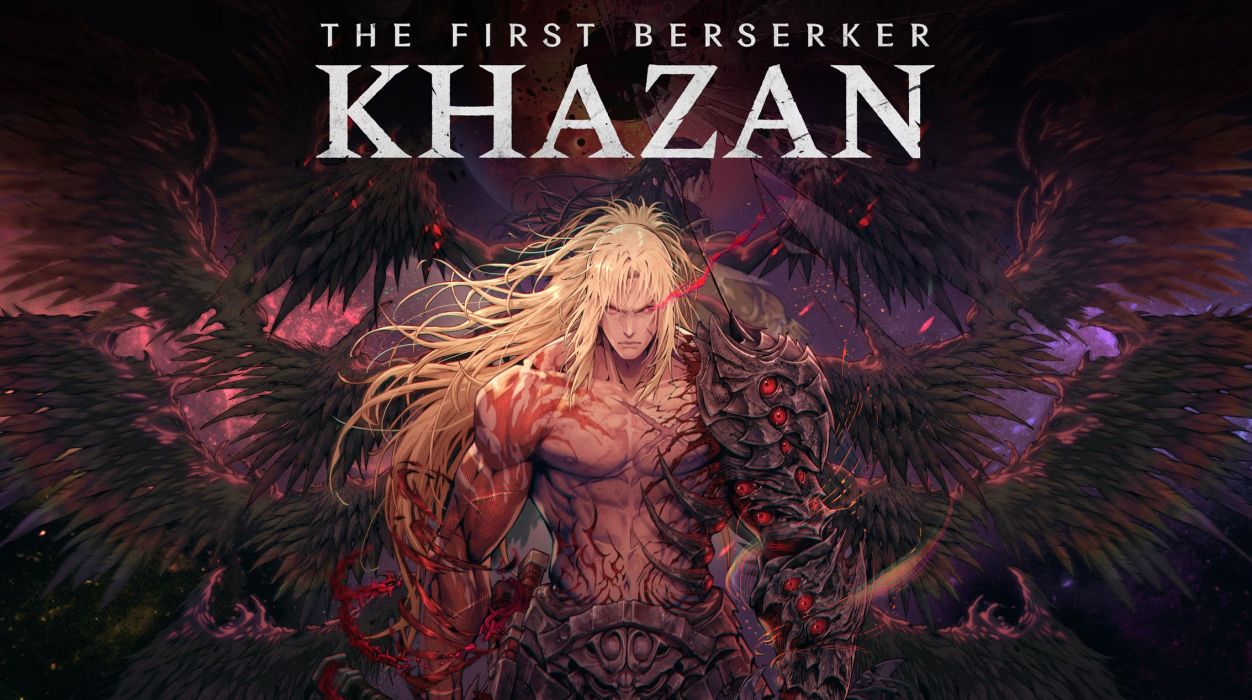
Alongside the system update, Microsoft added two more titles to the streaming-capable library. These are Khazan and Hot Wheels Unleashed 2: Turbocharged. Both games are now streamable, even if not included in the Game Pass plan.
Khazan is an indie action game with side-scrolling combat. Hot Wheels Unleashed 2 is a high-speed racing game featuring arcade-style mechanics and detailed car customizations. Players who have purchased these games can now access them via cloud streaming.
These additions indicate that Microsoft plans to steadily grow the list of streamable owned titles. Microsoft emphasized that support from publishers is vital, and more games will be added on a rolling basis.
In a related update, Microsoft quietly removed the Remote Play function from the Xbox mobile app. This change affects users who previously used the feature to stream games from their home console to a smartphone or tablet over local Wi-Fi or the internet.
Microsoft confirmed the change in an internal note to Xbox app testers. While Remote Play has disappeared from the app interface, the functionality still exists elsewhere. Players can still access Remote Play via a mobile browser.
Additionally, Xbox Remote Play is now integrated into other platforms. These include:
Samsung Smart TVs with the Xbox app
Amazon Fire TV devices
Meta Quest VR headsets
Microsoft appears to be consolidating streaming functions to align better with its broader cross-device strategy. The company has not announced if or when Remote Play will return to the app.
The Xbox mobile app has also received new features designed to enhance game discovery and user engagement. The Game Hub now shows more detailed information for every title in the user’s library.
Players can access:
Current in-game events
Real-time achievements progress
Player stats
Friends are currently playing the same game
Available downloadable content (DLC)
These updates mirror some features available on consoles, making the mobile experience more robust. Microsoft said the changes are based on user feedback and are intended to help players track progress and engage with friends more easily.
What ‘Stream Your Own Game’ Means for Xbox Cloud Gaming
The addition of streaming owned titles moves Xbox closer to a fully flexible, console-optional future. It allows Microsoft to strengthen its position in the cloud gaming space and directly compete with services like NVIDIA GeForce Now.
This update addresses a gap in the Xbox ecosystem. Previously, players had to rely on Game Pass availability or be physically present at their console to stream. Now, even if a game isn’t in Game Pass but exists in the user’s digital library, it becomes accessible via the cloud.
The company emphasized that this change does not affect download and installation rights. Users who prefer to download and play locally can still do so. The new streaming option merely adds flexibility for those who want to play on the go or don’t want to wait for long downloads.
Xbox’s Cloud Gaming Strategy and Industry Context
Microsoft has continually positioned Xbox Game Pass Ultimate as a multi-platform service, not tied to traditional console ownership. The “Stream Your Own Game” update aligns with Microsoft’s commitment to device-agnostic access.
Cloud streaming features currently support the following platforms:
Windows PCs via browser
Android and iOS devices
Xbox consoles
Smart TVs via native Xbox apps
Meta Quest VR
Amazon Fire TV Stick and Cube
The service is powered by Xbox Series X blade servers housed in Azure data centers. These provide high frame rate support and consistent performance under varying internet conditions.
Microsoft’s larger strategy is to expand the Xbox ecosystem beyond hardware. The goal is to keep users within the Xbox platform, regardless of whether they use a console.
Limitations Still Apply to Streaming Owned Games
While the new feature is significant, it comes with a few caveats:
Not all purchased games are available for streaming
Backward-compatible Xbox 360 or original Xbox titles are excluded
Some titles may temporarily disappear due to licensing
The feature requires an active Xbox Game Pass Ultimate subscription
Microsoft said the list of supported titles will grow over time. The availability is determined by publisher agreements and technical compatibility.
Xbox Strengthens Platform Consistency Across Devices
The removal of Remote Play from the app may disappoint some players. However, the shift highlights Microsoft’s desire to maintain a consistent experience across platforms.
Instead of each platform offering a fragmented set of tools, Microsoft seems to favor browser-based delivery and apps built into third-party devices. The goal is to reduce maintenance overhead and deliver features simultaneously to more users.
This shift may also signal Microsoft’s push for browser-native versions of key services. Streaming from browsers allows faster updates and unified codebases.
Microsoft Focuses on Quality-of-Life for Xbox Subscribers
In addition to the streaming changes, Xbox has introduced quality-of-life updates aimed at improving daily use. These include UI adjustments in the app, quicker access to support, and updated content sorting for libraries.
The feedback system built into the Xbox Insider program has helped prioritize user-requested features. Microsoft’s cadence of regular app updates, informed by telemetry and player input, reflects its strategy to evolve rapidly in response to demand.
Outlook: What Comes Next for Xbox Game Pass Ultimate
Microsoft has not confirmed what games will be added next to the “Stream Your Own Game” feature. However, insiders suggest that negotiations with third-party publishers are ongoing.
The company is also reportedly testing streaming save and syncing. This would allow players to pause on one device and resume on another without manual syncing.
As Xbox Game Pass Ultimate becomes more integrated into other devices — from TVs to VR — Microsoft is expected to continue minimizing hardware dependency. For more reviews and news, stay tuned to our website.
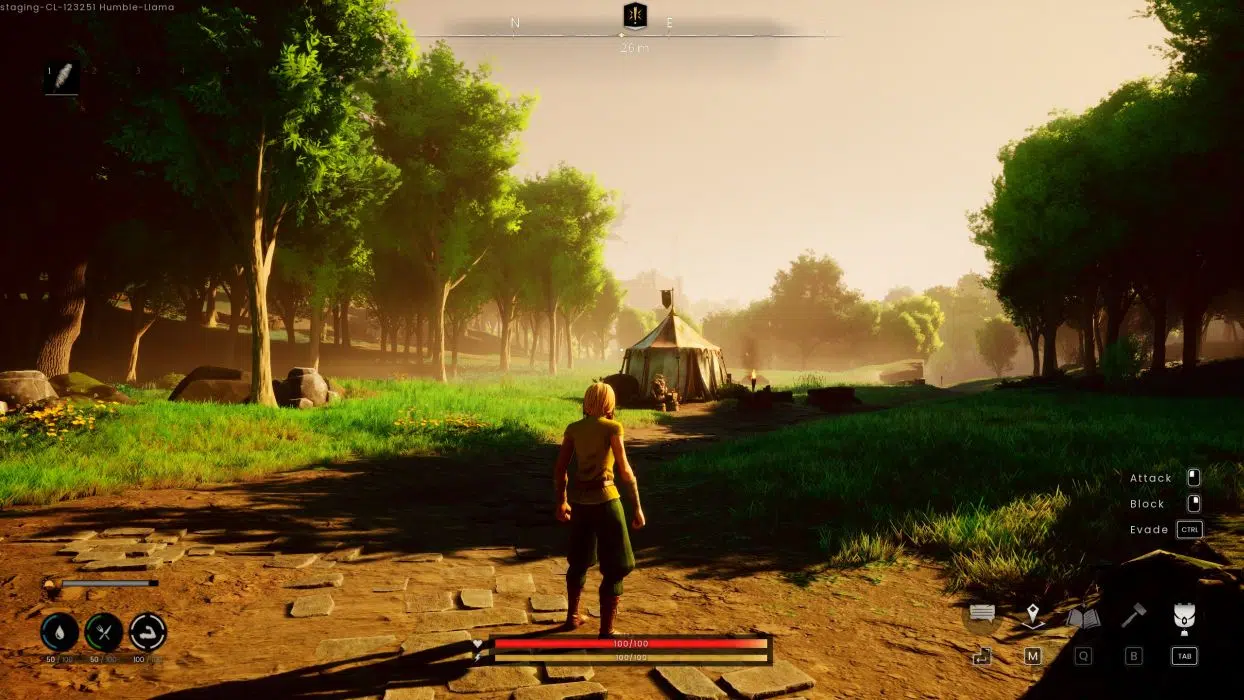
Jagex, long known for the legendary MMORPG RuneScape, has stepped into new territory with RuneScape: Dragonwilds, a survival sandbox RPG developed and published in-house. Currently in Early Access and available on PC via Steam, Dragonwilds is set in a completely different world than RuneScape, with an entirely different gameplay genre, mechanical structure, and design philosophy. That being said, it still carries recognizable DNA—item names, skill progression systems, visual style, and even fragments of the classic RuneScape soundtrack make an appearance.
But let’s be clear from the start: RuneScape: Dragonwilds is not RuneScape. This is a survival sandbox with strong elements of base-building, crafting, and combat-focused RPG progression. And after putting in over 16 hours, leveling most skills to around 50, testing a melee build, and beating the first few bosses, I’ve gathered enough to share my initial impressions.
One of the most immediate things that stands out is the core gameplay loop. Dragonwilds emphasizes survival and exploration. You’re gathering, building, fighting, leveling—just not in the way you would in traditional RuneScape.
The game starts you off slowly. Combat is functional and mostly enjoyable, especially for a melee build. There are limited weapon combos early on, but the spell system completely changes the dynamic. Spells aren’t just for fighting—they’re critical to skilling. At higher levels, you unlock magic-based actions like cutting down multiple trees at once, crushing stone piles with a spell, or mining entire ore veins in one hit. These spell-skill integrations are one of the more impressive and strategic parts of the game so far.
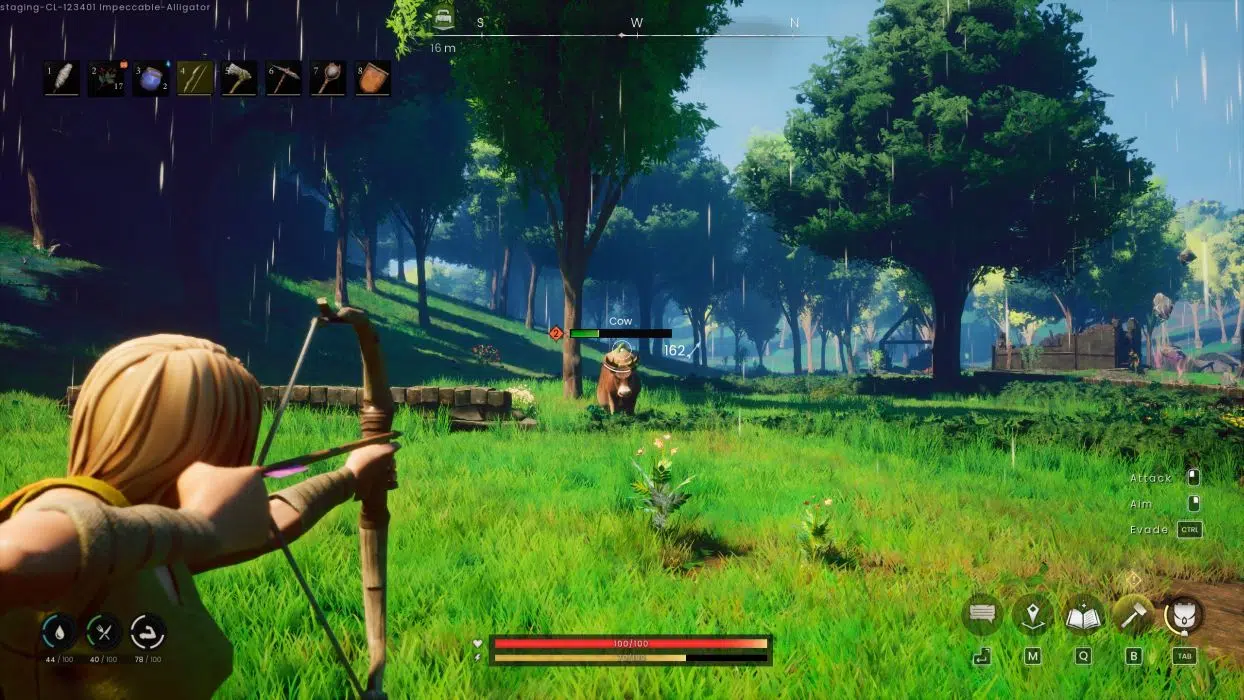
Combat also uses spell enhancements to buff weapons or manipulate enemy behaviors, and that’s where it feels a bit more complex. While ranged and magic combat trees aren’t available yet (you can use bows, but not level them), what’s there feels solid enough to build from. The mob AI is basic for now; bosses I’ve encountered haven’t pushed me hard, but I’m expecting more as the game opens up further.
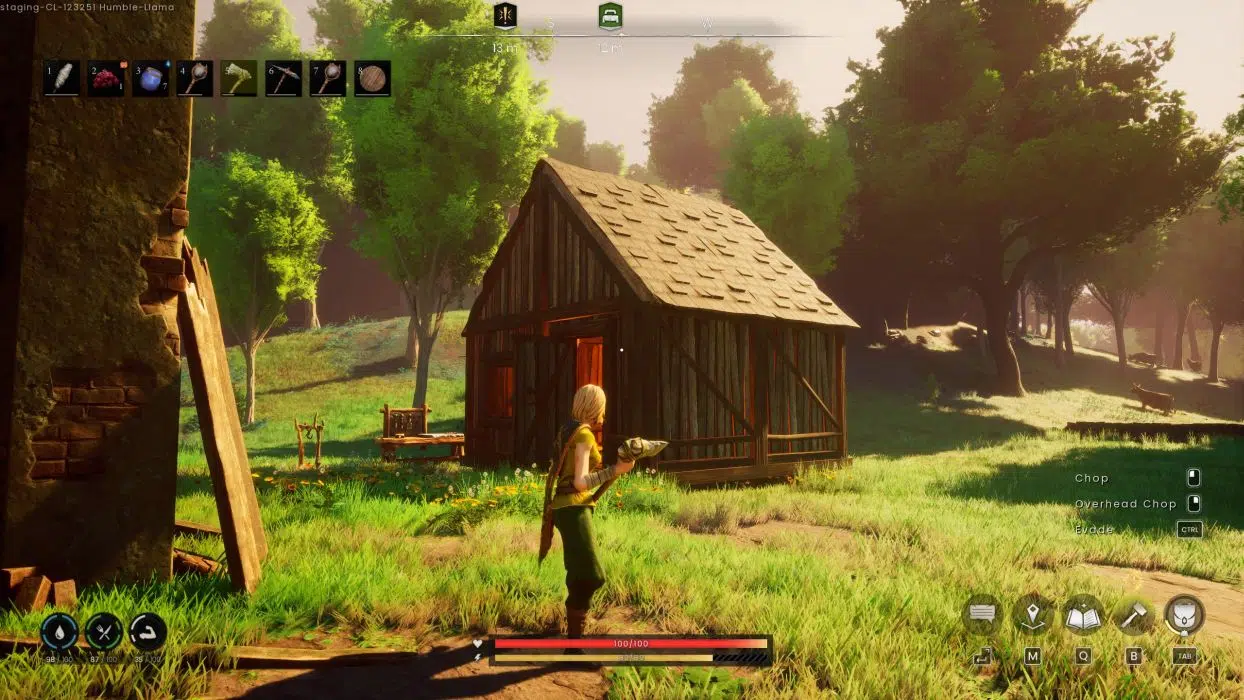
What really caught me off guard was the building system. This is where Dragonwilds shines the brightest so far. The sandbox construction tools give you freedom to build creatively with a wide range of materials, environmental assets, and interior design options. From architecture to layout, you can already do a lot with what’s here, and it looks good while doing it.
Visual Style and Graphics – RuneScape, but Upgraded
Visually, RuneScape: Dragonwilds feels like a stylized cousin of Old School RuneScape—but updated. The graphics quality is well-tuned for a modern sandbox experience. The shading and lighting engine does a lot of heavy lifting, with dynamic weather, time of day, and environmental shifts adding a lot of variety and mood.
Textures are sharp enough, UI elements are visually distinct, and the whole visual package does enough to feel immersive without aiming for hyperrealism. Character animations could use some polish, particularly during combat and spellcasting, but it’s Early Access, and nothing felt broken.
Sound Design and Classic RuneScape Music Touches
If you’ve got years of RuneScape in your blood like I do, you’ll notice it right away—snippets of Old School RuneScape music make their way into the experience. These aren’t always front and center, but when they hit, it’s a pleasant connection.
Sound effects across skills, combat, and exploration are clean and clear. The soundtrack overall complements the game world well without being intrusive. Spell sounds, in particular, stand out as satisfying. Voiceovers are absent (at least so far), but it doesn’t feel like a gap. Immersion comes more from the environment than from scripted audio content.
Multiplayer and Storytelling – Co-op and a Growing Narrative Layer
RuneScape: Dragonwilds does feature online co-op multiplayer for up to four players. While I haven’t tested it yet myself, the support is there from early on, allowing players to team up for exploration, building, and combat. Whether it’s better experienced solo or with others is something I’ll figure out later, but the infrastructure is already in place for shared sessions.
On the storytelling side, the game doesn’t skip it. There are main quests, side quests, and journal entries scattered throughout the world that help piece together lore. You’re not just grinding skills—there’s actual content here for players who want to dig into the world. The narrative isn’t aggressively front-loaded, but it builds as you explore, with readable items, environmental clues, and structured objectives giving it more depth than you might expect from a sandbox game at this stage.
User Interface and Controls – Clean, Mostly Functional
Menus are generally clear. The user interface for inventory, skilling, building, and combat is functional, with some room for improvement. I didn’t feel lost navigating between actions, and there’s decent tool-tip support. Keybinds are straightforward, and menus don’t feel overloaded.
Skill progression tracking is visualized nicely, especially with spell unlock trees. Construction tools are fairly intuitive, though building at scale can get fiddly with item placement. Expect to hit a few hiccups, but nothing game-breaking.
Accessibility-wise, I didn’t spot much beyond basic font scaling and control remapping yet, but that might come later.
Performance has been solid so far. I haven’t run into any major bugs, crashes, or noticeable framerate drops—even during extended combat sequences or large-scale building. A few minor animation hitches show up now and then, but nothing that breaks the experience.
Loading times are quick, biome transitions are seamless, and weather and spell effects run cleanly without visual artifacts or delay. I tested the game with an Xbox controller, and while it works fine once configured, it didn’t run out of the box. I had to tweak it through Steam settings and enable the Steam overlay before it started responding properly. After that, controls were responsive, and the layout felt natural enough for a controller-based playstyle.
Interesting Details – Spells Make the Grind Worthwhile
One of the things I didn’t expect was how central magic spells are to nearly every activity. Want to chop faster? Use the woodcutting spell. Is mining taking too long? Break boulders with arcane power. That design choice makes magic progression feel essential, not optional, and adds a layer of planning to every build.
Also worth noting is how modular the construction system feels. You’re not just slapping walls together—you can build storage systems, farming zones, decorative elements, and functional rooms that have their own purpose. It’s more than cosmetic.
So far, RuneScape: Dragonwilds is proving to be more than a nostalgia project—it’s a solid survival sandbox RPG with recognizable skin but its own mechanical soul. Spell-based skilling, flexible building systems, and a visually consistent world give it a strong base. It’s Early Access, and it feels like it, but in a good way. There’s enough already to sink time into, and a lot of potential to evolve into something deeper. For more reviews and news, stay tuned to our website.
About RuneScape: Dragonwild
Title: RuneScape: Dragonwilds Type of Game: Survival Sandbox RPG Developer: Jagex Publisher: Jagex Release Date: Early Access Available Now (Full release date TBA) Platforms: PC (Steam)
Where to Purchase: PC:Steam – RuneScape: Dragonwilds PlayStation: Not available at this time Xbox: Not available at this time Other Platforms: No announcements yet
Note: Early Access version. Content subject to changes and additions. No special editions have been announced.
According to Circana’s retail tracking data, Assassin’s Creed Shadows has maintained its position as the top-selling video game in the U.S. for the third consecutive week.
Assassin’s Creed Shadows Maintains Top Spot in U.S. Sales
Since its release, Assassin’s Creed Shadows has consistently led the U.S. sales charts, holding the number one position for three weeks straight. This performance underscores the game’s strong market presence and sustained consumer interest.
Global Sales Performance
In the UK, the game debuted at the top of the physical game sales chart and maintained its lead into the second week. In Japan, the PlayStation 5 version entered the top 10, selling 17,700 copies in its first week and 5,500 in the second.
Player Engagement Milestones
Ubisoft reported that ACS reached over 1 million players within 16 hours of release. It also surpassed 2 million players in just two days. These figures highlight the game’s rapid adoption and widespread appeal.
Additional Insights
The game achieved the second-highest day-one sales revenue in the franchise’s history, trailing only 2020’s Valhalla. Notably, the game marked Ubisoft’s best-ever day-one launch on the PlayStation Store, indicating strong digital sales performance. On Steam, ACS reached a peak concurrent player count of 64,825, surpassing previous series entries and becoming the most-played Assassin’s Creed game on the platform.
Franchise Comparison
While the game has achieved impressive sales, Ubisoft advises comparing its performance to titles like Origins, Odyssey, and Mirage, rather than Valhalla. Which benefited from unique market conditions during its release. For more reviews and news, stay tuned to our website.
Masaaki Yamagiwa has launched a new development studio. He produced Bloodborne at Sony’s Japan Studio. He parted ways with Sony Interactive Entertainment in 2021. Now, he leads an independent team in Tokyo. They named this fresh venture Sirius Studio.
He gained recognition for his work on Bloodborne, which was praised for its atmospheric design and action gameplay. Yamagiwa’s production approach emphasized intense combat and careful world-building. He often collaborated with major Japanese developers, and this expertise helped him form a solid network in the industry.
Yamagiwa’s split from Sony did not slow him down. He quickly shifted to new possibilities, forming partnerships with creative talents and seeking investors who share his passion for bold ideas. Sirius Studio remains small but intends to grow. Its mission involves developing original experiences for modern platforms.
Teruyuki Toriyama, Irie Hideki and Okamura Hikaru
The Background
Yamagiwa started his career at Sony’s Japan Studio. He contributed to several first-party titles and guided projects from early concept to final release. He forged relationships across different teams. His leadership style focused on clear goals and open dialogue. He left Japan Studio during its internal restructuring in 2021.
Bloodborne Producer Announces Bold Move
The man behind Bloodborne has steered his focus onto fresh titles. Sirius Studio aims to create new IPs. The team wants to push the boundaries of storytelling. They also value robust gameplay that challenges players. Yamagiwa said their shared goal is constant experimentation. They believe fans want unique challenges and unforgettable worlds.
Next Steps for Sirius
Sirius Studio plans to share early demos soon. They want real feedback from actual players. They see openness as the key to long-term success. Industry insiders are watching closely. Some analysts predict a high demand for Yamagiwa’s signature style. The studio will reveal more news as projects advance. Meanwhile, recruitment continues for additional roles in programming, art, and design.
Yamagiwa has not announced specific platforms or release dates. He prefers to confirm details when development reaches stable milestones. Gamers remain curious about his direction. Many wonder if he will revisit dark fantasy elements. Others expect him to try an entirely different genre. Sirius Studio continues to refine its internal roadmap.
The team states that it seeks a global audience. They value feedback from fans worldwide. Their philosophy centers on innovation, risk-taking, and sincere engagement with players. They want to build a space for fresh ideas. They intend to respect their past achievements. Their ambition drives them forward as an independent studio.
The Partnership Strategy
Sirius Studio establishes ties with local and international developers. They hold frequent meetings to align creative goals. Yamagiwa believes diverse perspectives spark meaningful growth. The studio embraces open dialogue with its partners. They combine expertise to craft new play styles and memorable designs. Investors also appreciate this cooperative mindset.
Bloodborne Legacy in Sirius’s Vision
Yamagiwa’s work on Bloodborne shaped his understanding of immersive atmospheres. He harnesses that same passion for unique storytelling at Sirius. The team admires evocative settings and tight combat systems. They want to adapt those lessons to fresh genres. Their plan builds on intense encounters and deep exploration. Fans can expect a blend of old influences and new experiments.
Future Outlook
Sirius Studio remains focused on steady expansion. They look for top talent across programming and art. Yamagiwa encourages every team member to share ideas. He hopes to foster a culture of constant learning. The studio also keeps an eye on emerging technologies. They will explore opportunities in VR, cloud gaming, and other evolving fields. For more reviews and news, stay tuned to our website.