
Estimated reading time: 6 minutes
The $205 Billion Mirage and the Industry Meat Grinder
The numbers for 2026 look like a victory lap on paper, with global revenues projected to hit $205 billion and a player base of 3.6 billion people, but the view from the street is far more jagged. We are living through a “high-low” reality where the corporate suites are celebrating a recovery while the people actually making the games are still dodging the axe. The “video game winter” is supposedly thawing, yet we are staring at another 7,500 projected layoffs this year, adding to the nearly 25,000 careers evaporated since 2024.
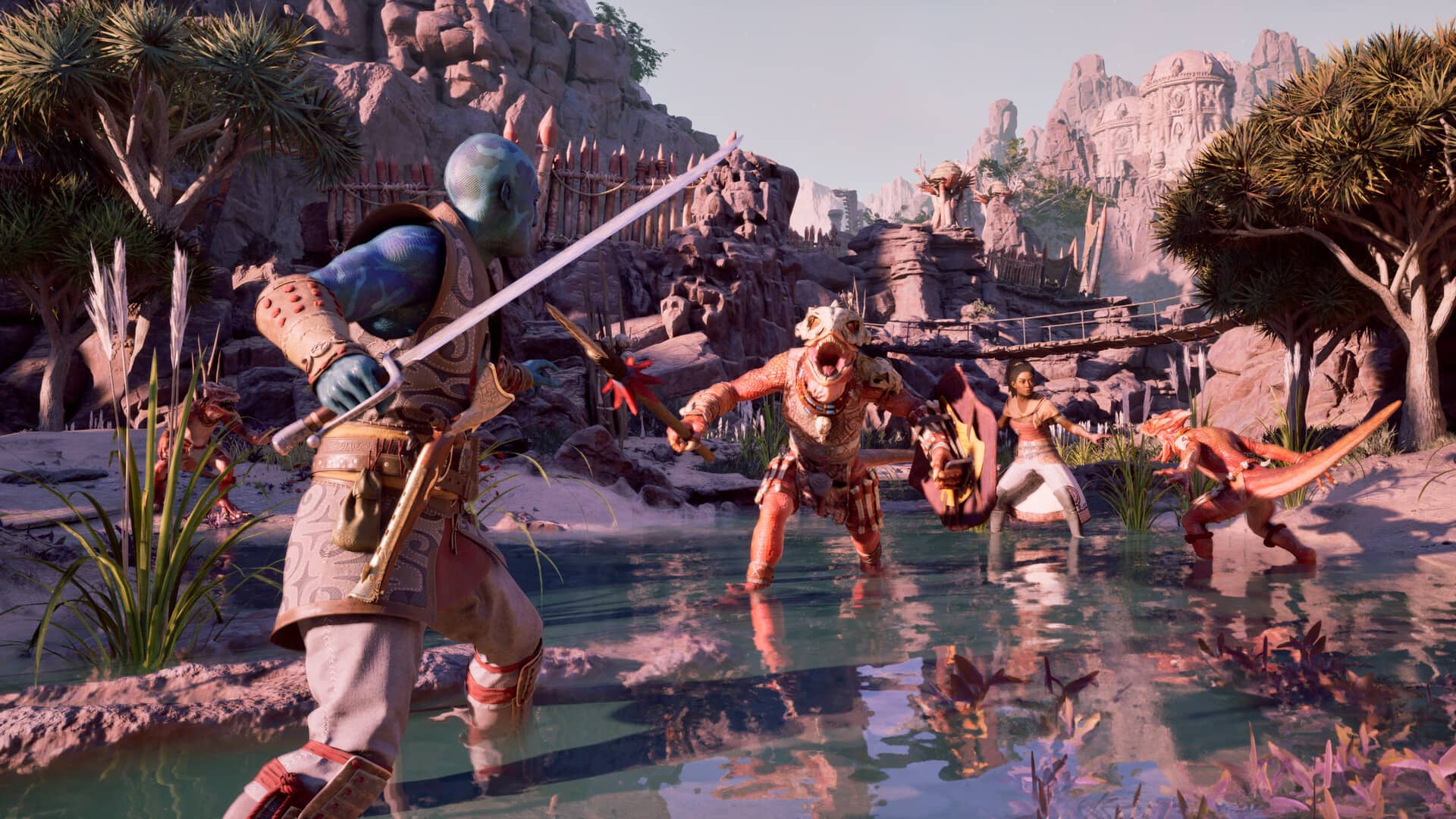
This isn’t a correction; it’s a restructuring of the human soul of the industry. The Saudi-led $55 billion acquisition of Electronic Arts is the ultimate symbol of this shift, where massive sovereign wealth is used to stabilize franchises like The Sims and FIFA while the mid-tier creative risk-takers are left to starve. The North American market, specifically California, has become a ground zero for this talent exodus, with over 50% of global cuts hitting the very region that built the modern blockbuster. We see a industry that has successfully scaled its profits while failing to sustain its workforce, a paradox that makes every $70 purchase feel like a vote for a system that is actively eating itself.
The GTA VI Messiah Complex and the AAA Anxiety
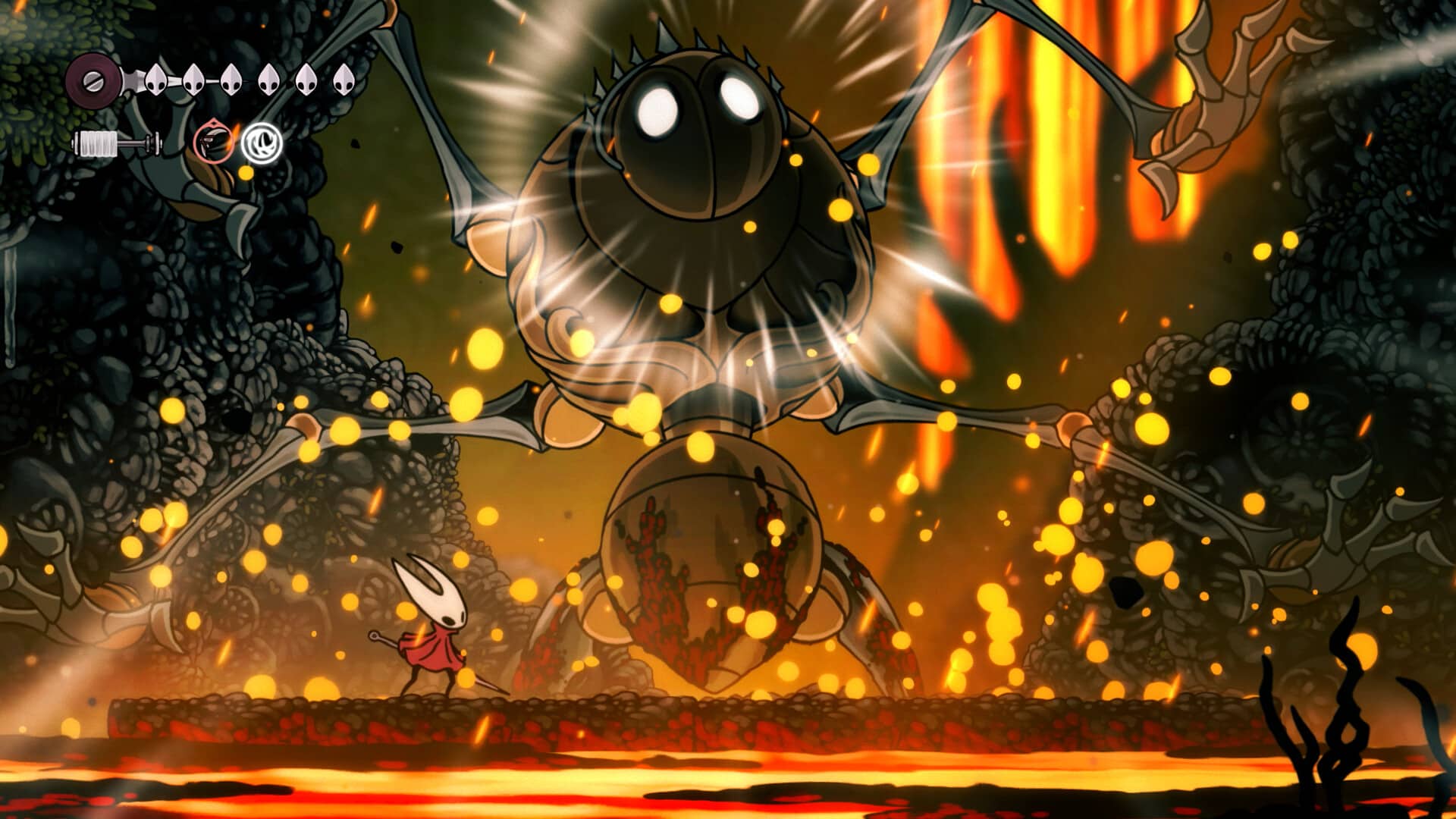
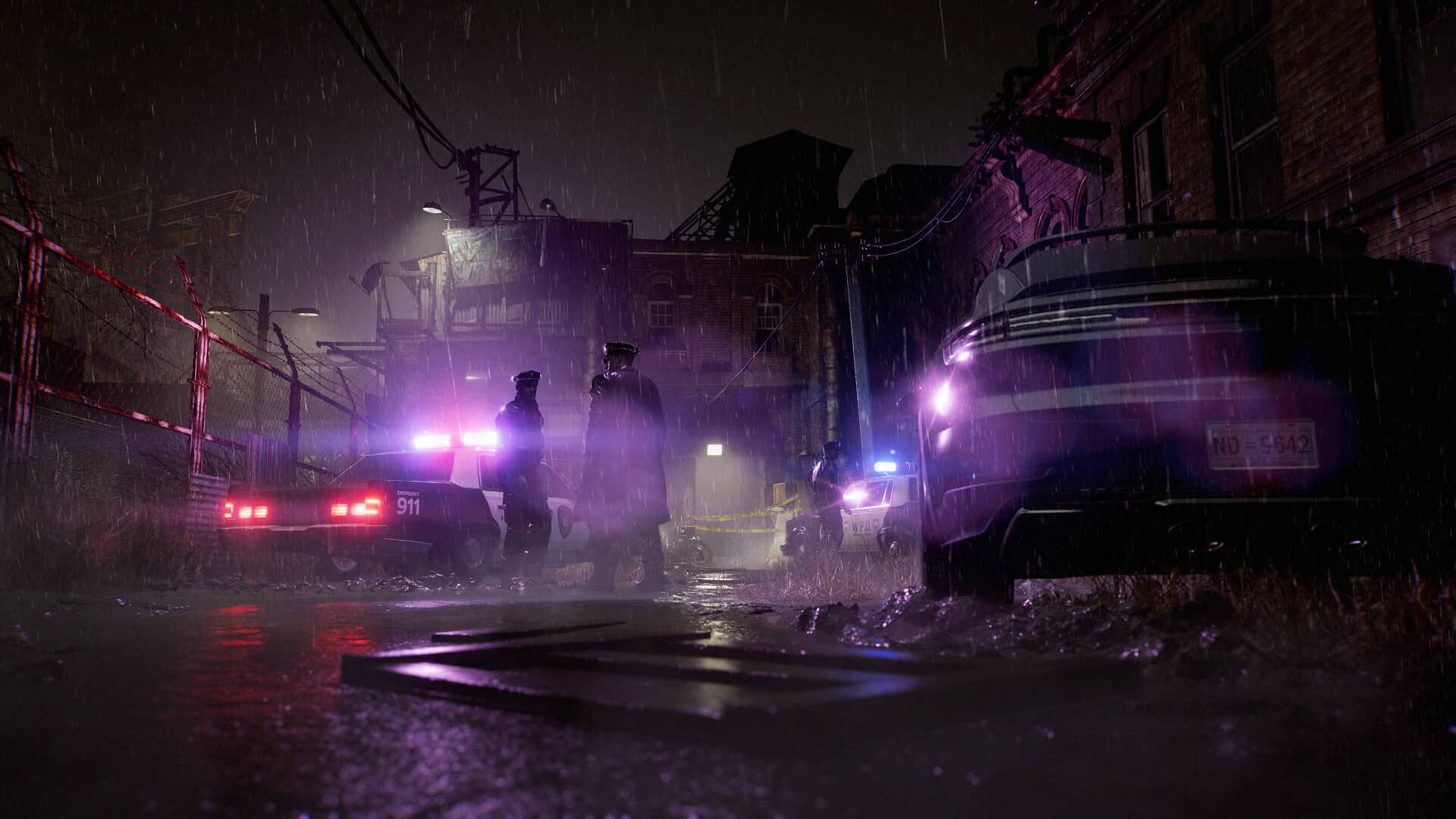
The entire 2026 calendar is basically a game of “hide from Rockstar,” as every other publisher tries to dodge the November 19 release of Grand Theft Auto VI. There is a dangerous level of “Messiah Complex” surrounding this one title, with investors and retailers praying it will single-handedly jumpstart console sales and consumer spending. It is a cultural black hole that has already forced games like Resident Evil Requiem and Wolverine to position themselves as the “early year” appetizers.
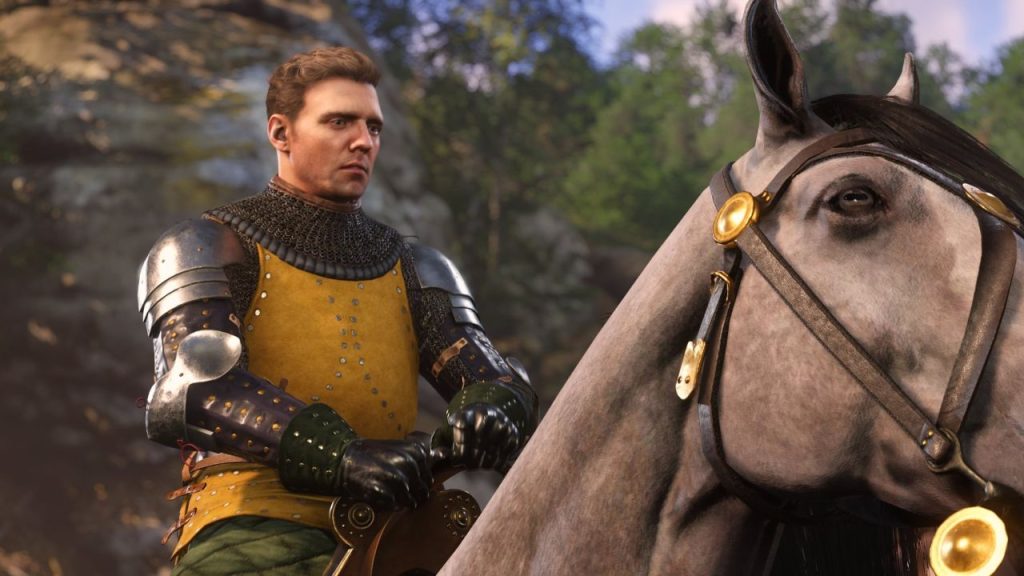
But counting on one game to save a $205 billion ecosystem is a delusion born of desperation. We are seeing a massive “AAA fatigue” where players are tired of $300 million budgets producing 100-hour checklists. The real winners of 2025 were the “Super Indies” and polished mid-market titles like Clair Obscur: Expedition 33 and Kingdom Come: Deliverance II, which proved that a specific, human vision resonates more than a focus-grouped live-service chore. The industry is currently split between these bloated, risk-averse behemoths and the lean, creative cells that are actually doing the heavy lifting for the medium’s artistic credibility.
Silicon Scabs and the War for Creative Agency
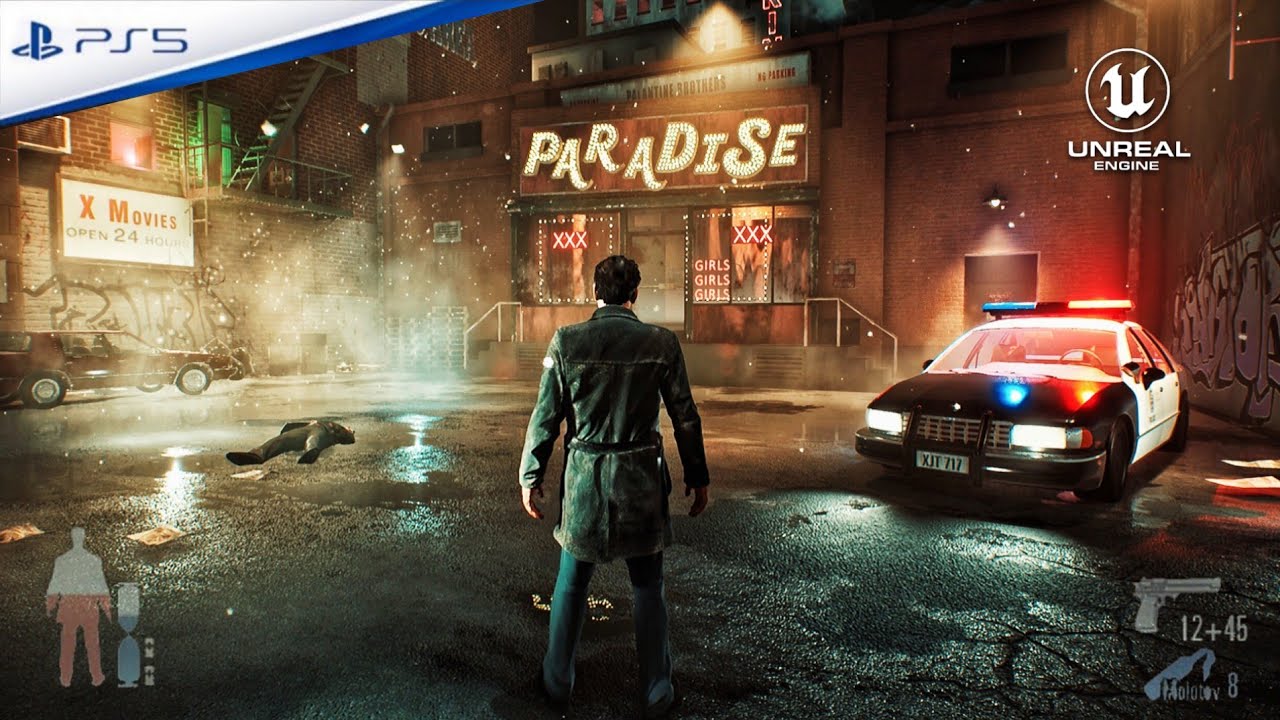
Generative AI has moved past the “hype” phase and into the “practical threat” phase, with 87% of developers now using AI agents to automate everything from QA to environment art. The corporate line is that this “empowers” creators by removing drudgery, but the street reality is that it’s being used as a silicon scab to justify smaller headcounts. We are seeing a flood of “procedural slop” on storefronts that makes finding a genuine, hand-crafted experience feel like digging through a landfill. The rising cost of hardware, driven by AI data center demand spiking RAM prices, is making the entry point for high-end PC gaming even more elitist.
This is pushing the global majority toward mobile and cloud solutions, where companies like Tencent and Microsoft are fighting for the 52% of the market that lives on a smartphone. In emerging markets like India, which now boasts over 500 million gamers, the “console war” is a foreign concept; the battle is over data plans and low-latency streams. The future of gaming isn’t happening in a living room in Ohio; it’s happening on a 5G connection in Mumbai, where the monetization is aggressive and the barriers to entry are practically zero.
The Hardware Shakedown and the Post-Platform Future
The Switch 2 launch and the rumored “Steam Machine” revival are the last gasps of the traditional hardware cycle. We are transitioning into a platform-agnostic era where the device you hold matters less than the subscription you pay for. Cloud gaming revenue has crossed the $10.5 billion mark, proving that the tech is finally reliable enough for the mainstream, even if it kills the concept of digital ownership. The “Xbox Cloud” and “PS Now” evolutions are turning games into a utility like water or electricity—something you pay for monthly but never actually keep.
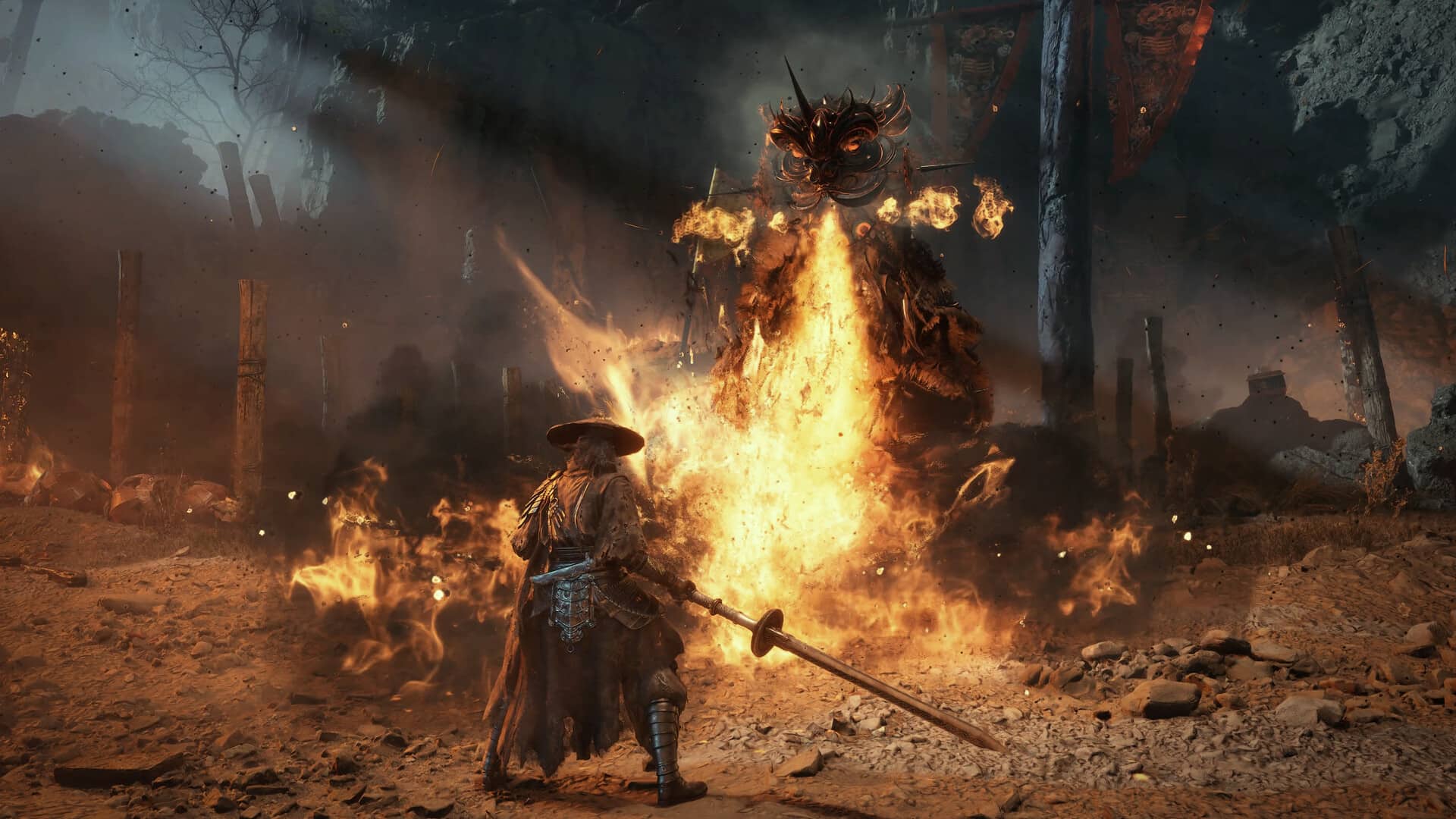
This shift favors the massive consolidators like the Saudi-backed EA or the Tencent empire, who can afford to play the long game while independent studios struggle with the “discoverability” crisis on flooded digital storefronts. The industry is effectively killing its middle class to fund its trillion-dollar dreams, leaving players with a choice between the high-fidelity corporate theme parks of the West and the high-engagement mobile loops of the East. It’s a complicated, brilliant, and deeply broken time to be a gamer, where the best art is often found in the shadows of the biggest failures.