Home Authors Posts by Mat

Mat

240 POSTS 4 COMMENTS
Founder and chief editor of WePlayGames.net

Free on Epic: Figment 2, Sky Racket & A Legendary Civ Drop Next

Figment 2 Free Epic Game picture
Figment 2 Free Epic Game

Estimated reading time: 5 minutes

Sometimes the best weeks hit quietly before the obvious fireworks. Right now, the Epic Games Store is giving away a low-key pair of games worth checking out—but what’s coming next is arguably one of the biggest free offerings of the platform all year.

Musical Arcade Game

Until July 17 at 5 PM, you can grab Figment 2: Creed Valley and Sky Racket, both offering very different experiences under the “quick and quirky” umbrella.

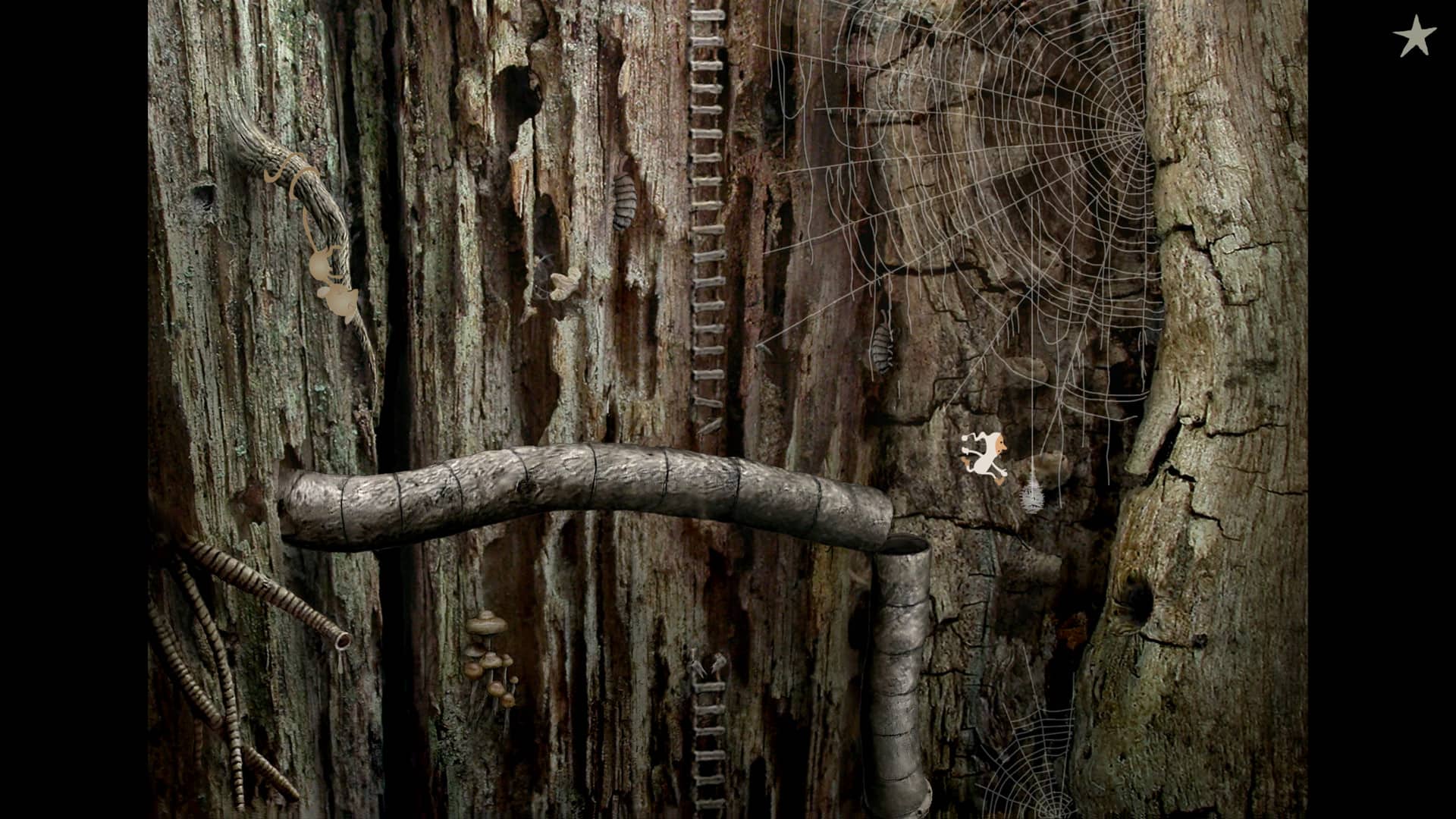
Figment 2 follows hot on the heels of the first game—which wrapped up its own free period on July 10—and continues the series’ blend of musical action and dreamlike puzzles. Think isometric adventures through the corners of the mind, where boss fights are designed around rhythmic cues and everything looks like it was hand-painted in a child’s sketchbook. It’s whimsical, darkly charming, and even though its pacing occasionally stutters, it delivers some memorable visual storytelling wrapped in gentle gameplay evolution. It’s not going to set your adrenaline on fire, but it’ll get your imagination sparking.

On the flip side, Sky Racket slices straight to the arcades, mixing colorful shoot-’em-up mechanics with brick-breaker bounce physics. It’s a short, easy-on-the-eyes title where each level feels like a sugar rush. Local co-op sweetens the deal even more—it’s great for couch sessions. It doesn’t have the lasting power of bigger indies, but in five- to 15-minute runs, it’s happy chaos.

Next Drop: Civilization VI Platinum Edition

The real megaton swings into place next week. From July 17 to 24, Epic is giving away Sid Meier’s Civilization VI Platinum Edition. That’s the full base game, all six DLC packs, Rise and Fall, and Gathering Storm expansions—all bundled into one download button. No piecemeal nonsense, no ha-ha-not-this-version trap. This is the whole Civ VI experience, in its most complete and polished form.

To put it plainly: this is nearly everything Civilization VI has to offer. And it’s being offered free.

That’s big—and not just because the base game is still retailing elsewhere or because this version typically costs actual money. This is 2K and Firaxis staging a clear gesture. With Civilization VII announced but mired in cautious fan optimism and lukewarm buzz, there’s an unsaid question hanging: is the series still on fire? Giving away the most content-rich version of its predecessor—for absolutely no cost—isn’t just generous. It’s tactical.

By doing this now, Firaxis is effectively reminding people what made Civ work so well pre-VII. It’s also stoking goodwill during a strange moment when the sequel is still mysterious and oddly quiet for a supposed 2025 release. Instead of vague promises, they’re handing players a full-featured, battle-tested experience, arguably better than what Civ VII is ready to offer yet. It’s fine strategy, in and out of the game board.

Worth Claiming?

Yes, and yes. This week’s titles are cozy and charming, light appetizers for what’s incoming. Figment 2 and Sky Racket might not be the cloud-parting revelations of the indie scene, but they absolutely scratch that short-session itch during summer downtime.

But don’t sleep on July 17. That Platinum Civ drop is going to draw clicks like gravity, and rightfully so. Whether you’re a longtime strategy player or just Civ-curious, it’s a complete package that hasn’t been this accessible in years.

Final word? Download the smaller ones now—but come next week, block off some space on your SSD.

The Surge PS Store Deal – A Sci-Fi Soulslike Worth the $4.49 Price Tag?

The Surge Souls game picture
The Surge Souls game

Estimated reading time: 6 minutes

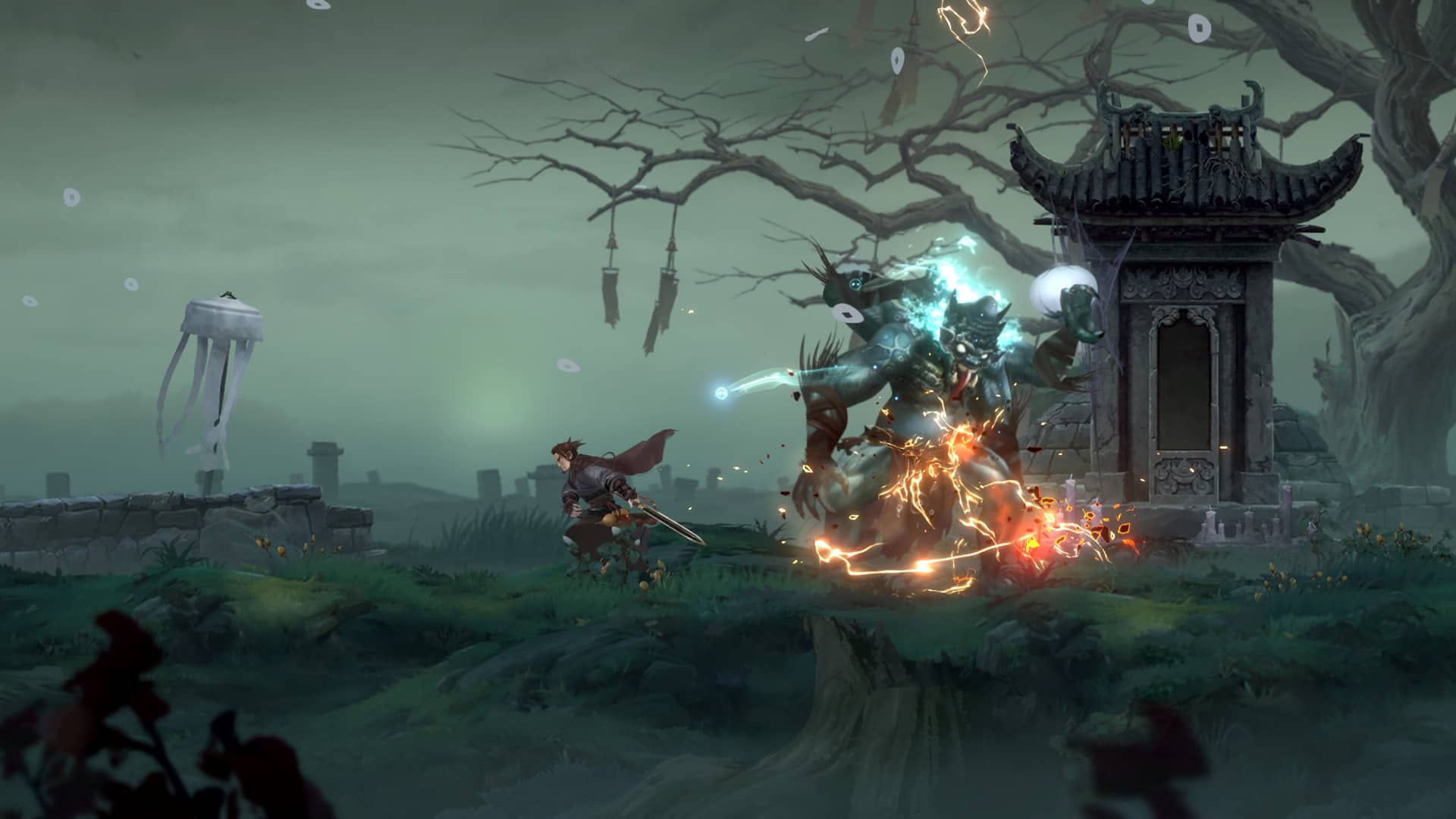
The Surge, the sci-fi action RPG by Deck13, is currently available for $4.49 on the PlayStation Store, marked down from its regular $14.99 price. This discount runs until July 3 at 2:59 a.m. ET, giving Soulslike fans a low-risk window to pick up one of the more mechanically original titles in the genre. With a modest install size around 10–12 GB, it’s not just budget-friendly, it’s hard drive-friendly too.

Sci-Fi Soulslike with a Brutal Corporate Twist

Stepping away from the gothic cathedrals and fantasy ruins typical of the genre, The Surge drops you into the steel-floored hallways and hazardous conveyor belts of the CREO megacorporation. You play as Warren, a disabled man who signs up for CREO’s Exo-Rig workforce initiative—only to awaken during a system-wide catastrophe with his exosuit violently grafted onto his body. Drones are hostile, machines are lethal, and barely anything human seems to have survived the surge-induced breakdown.

This pivot into science fiction doesn’t just serve the setting—it redefines the experience. Factories replace fortresses, plating replaces armor, and mechanical shrieks replace monster growls. There’s no bonfire in sight, but you’ll find your safe havens in Medbays scattered across CREO’s broken infrastructure. Between the oppressive, layered environments and the grounded tech design, the industrial dystopia feels both distinct and internally consistent.

Combat That Demands Precision—and Rewards It Brutally

Combat is built entirely around risk, control, and smart targeting. Stamina management governs your ability to dodge, block, and attack—familiar mechanics for Soulslike veterans. But what sets The Surge apart is its modular limb-targeting system. Want better legs? Take them. Need headgear? Aim for the skull. Each encounter becomes a balance between going for exposed vital zones or armored limbs that can yield upgrade materials. It’s satisfying, tactical, and forces you to make calls that have both immediate and operational impact on your progression.

Enemy design plays into this brilliantly. Most fights are solo but high lethality, relying on careful spacing rather than button mashing. Ranged options are present but minimal—you’re expected to get up close and time your blows correctly. The power of your exosuit amplifies your strikes, giving weight to every action. It might look industrial and mechanical, but it moves with the ferocity and rhythm expected of the genre’s best fights.

Modular Progression and Custom-Built Mechanics

Deck13’s take on character growth leans into versatility. Instead of a traditional RPG tree, your modifications depend on what you loot and what you choose to equip. Implants—think of them as cybernetic perk slots—define your moment-to-moment survivability or utility. You might opt for better stamina regeneration, health boosts when executing finishers, or plugins that expand your UI to show weapon stats or enemy health bars. It’s a more direct and readable system than most Soulslikes, suiting players who like visual feedback in their builds without menu-diving for hours.

On top of that, experience gain (technically called “Tech Scrap”) is tied deeply to risk-taking. You can bank it at Medbays to level up, or keep pushing deeper into levels—risking death and a reset—in hopes of greater payout. The system echoes Bloodborne’s Blood Echoes with a harsher sci-fi twist: your dropped resources decay if you don’t recover them fast enough. Success here hinges on your knowledge of level layouts, efficient combat, and the decision to backtrack or charge ahead. Either way, it rarely feels unfair.

Is the Challenge Worth It?

If you’re used to FromSoftware’s model of repetition-driven learning, The Surge delivers comparable difficulty with its own distinct rhythms. Boss fights aren’t pushovers, but they don’t spike in absurdity like occasional Souls bosses tend to. No single fight demands cheese strategies, but each requires its own kind of patience and spatial awareness. The game also implements a grind-friendly economy: if you’re truly stuck, farming tech scrap and target materials can prep you well for what’s next. It never neuters the challenge, but it gives you a tangible plan of approach.

What helps is the reasonably tight design in enemy placement. Few enemies feel like filler, and ambushes—while occasionally frustrating—only land if you aren’t paying attention. Animations are readable after the first few encounters, turning each new zone into a layer of learnable threats. Compared to its medieval cousins, The Surge offers a slightly smoother early ramp for those easing into the genre.

Graphics, Performance, and Atmosphere

Visually, The Surge shines within its own limitations. Environments are bleak, repetitive by design, but textured with functional detail: wires hang loose, sparks leak from terminals, and ventilation shafts hum as you crawl through them. It’s a dirty, claustrophobic world that sells desperation entirely through wear and corrosion. Enemy models—ranging from suited exosoldiers to berserk mechanical constructs—show enough variation to communicate CREO’s collapse in visual terms alone.

Performance on the PS4 has improved significantly since launch. With patches applied, the framerate holds stable in most combat zones, and loading times remain within acceptable margins. Occasional slowdown can occur when particle effects overload the screen in high-action fights—but it never impairs playability. Audio-wise, it’s all about industrial hit-feedback—metal clanks, servo whines, execution-sting cues. Possessing very little in the way of an orchestral soundtrack, the soundscape retains focus on tension and immediacy.

Why This $4.49 Deal Deserves Attention

There’s an unvarnished honesty to The Surge that makes it particularly valuable at this deep discount. It doesn’t pretend to rewrite the Soulslike rulebook, but the places where it innovates—limb-based targeting, contextual scavenging, and industrial realism—land exceptionally well. For just $4.49, you’re picking up a game that offers 25 to 40 hours of legitimate RPG content, with precise, fleshed-out melee combat and enough build depth to keep theorycrafters entertained without overwhelming beginners.

Even if you’re skeptical about genre fatigue, this game serves as a worthwhile deviation from the fantasy formula. Its sci-fi shell is layered with enough grit and thoughtfulness to avoid feeling like a gimmick. Without relying heavily on cryptic lore dumps, it tells its story through context, disappearances, malfunctioning AI terminals, and the rare—often jarring—survival of other CREO employees. Most Soulslikes lean into esoterica, but The Surge thrives under minimalist storytelling and mechanical transparency.

And let’s be blunt: deals like this don’t come every day. The $4.49 sale price has surfaced before, but timing matters. The sale expires July 3rd, and it’s unclear when or if it’ll return this low for the rest of 2024. If The Surge ends up clicking for you, the sequel—The Surge 2—builds on this formula smartly and often ends up in sales as well.


Steam Summer Sale 2025 – Best Racing Game Deals, Ranked by Value and Genre

Steam Summer Sale 2025 Racing picture
Steam Summer Sale 2025 Racing

Estimated reading time: 6 minutes

Steam’s 2025 Summer Sale is heating up, and racing fans have no shortage of high-octane discounts to burn through. From hardcore sim racing to open-world arcade mayhem, there’s a title for almost every kind of speed junkie in this year’s lineup. Whether you’re into GT3 realism, mud-plugging truck runs, or leaderboard-crushing time attacks, this breakdown will help you pinpoint the best value deals—and figure out which type of racer suits your style.

Accessible Arcade or Experimental Chaos? The Casual Corner

Let’s kick things off with games that don’t demand a sim rig to enjoy. At the forefront is Trackmania—which remains completely free to play for its base experience. Despite a modest Metacritic score of 74, the game thrives through its competition-driven loops. The draw here isn’t depth; it’s precision. With short user-made tracks and constant seasonal content, Trackmania thrives on community involvement and perfectionist time-hunting. It’s a simple formula, but it works, especially at zero cost.

If you’re leaning more toward chaos and anime flair, Haste enters as a stylish underdog at €13.29. It lacks a Metacritic rating, but it positions itself clearly: anime kart-style combat racing with a heavy emphasis on arcade mechanics. There’s no official score yet, and because it’s from an indie studio, this one’s more for those who prize aesthetic and energy over engineering detail.

BeamNG.drive straddles the line between simulation and experiment. While there’s no formal Metacritic rating, Steam classifies it as “Overwhelmingly Positive,” and honestly, that seems fair. With its advanced soft-body physics, BeamNG lets players simulate car crashes, suspension tweaking, or build full-blown off-road obstacle courses. It’s not structured racing per se, but if your inner gearhead enjoys vehicle dynamics above all else, this €18.00 tag (-20%) feels justified for the sheer depth of toys at your disposal.

Sim Racing Core – For the Purists and Pedal Pushers

If you’re into straight-laced realism, several standout titles deserve immediate attention. Automobilista 2 is practically a giveaway at €3.69—a jaw-dropping 90% discount off its original €36.99 price. Sporting a 78 Metacritic score, it’s a sim that delivers a surprisingly in-depth South American motorsport catalog with dynamic weather and solid handling. Built on the Madness Engine, it carries a polished driving feel that never quite hit mainstream fame—making this deal a hidden gem for sim enthusiasts.

Another rock-solid buy is the original Assetto Corsa. At €4.99 (-75%) and boasting an impressive 85 Metacritic score, it continues to enjoy popularity nearly a decade after launch. Its modding scene is still on fire, which means the base experience evolves constantly with fan-made tracks, cars, and drift setups. For value, AC is practically unbeatable.

Assetto Corsa Competizione, the more modern sibling, dials everything toward official GT World Challenge accuracy. For €9.99 (-75%), you’re getting a focused GT3/GT4 simulator with precise tire models, dynamic weather, and full laser-scanned tracks. The Metacritic score of 78 reflects its niche appeal—pure focus on GT racing means less variety—but for endurance-minded racers, it hits exactly where it needs to.

Sim heads should definitely also bookmark iRacing. It’s a unique offer: €3.73 gets you one month of subscription access (-66% off), unlocking what is arguably the most structured competitive ecosystem in sim racing. Metacritic puts it at 79, and its community-driven ride—with licensing, officiating, and SR/IR tracking—is unrivaled. The catch? You’ll need to pay monthly to continue, and meaningful progress requires further purchases. Still, this trial is a great entry point to a meticulous, league-based sim experience.

Endurance and Variety: Bridging Arcade and Sim Ideals

The sim market has been steadily evolving toward long-form racing, and Le Mans Ultimate enters the battlefield as one of 2025’s most interesting releases. While still under development and not Metacritic-rated, its positioning as “successor to rFactor 2” gives it pedigree. It’s €30.44 for now—a bit steep compared to others here—but it’s the only title on this list designed around multi-hour endurance scenarios, complete with day/night cycles and dynamic weather. It’s not done yet, but if you want cutting-edge endurance racing, this is where you look.

SnowRunner deserves mention, even if its focus isn’t traditional racing and its summer 🙂 . Sitting at €14.99 and sporting an 81 Metacritic score, this off-road haul sim delivers satisfaction in rugged traversal, not breakneck speed. Mud physics, water resistance, and cargo balance make it a surprisingly strategic experience. It’s slow and deliberate but deeply rewarding—especially if you’ve got a steering wheel or a friend to co-op with.

For something that strikes a broader balance, Forza Motorsport (2023) steps in at €34.99. That price doesn’t scream deal, but you do get a full-featured, graphically stunning, sim-leaning racer with a solid 81 Metacritic score. The car customization system, streamlined assists, and competitive online modes give it both accessibility and depth. It’s arguably the most modern sim-style game on this list, and while not ultra-realistic, it supports wheel setups and tuning flexibility better than most semi-casual racers.

Open-World Freedom and Festivals of Speed

Only one major open-world racer made the discount board this year: The Crew Motorfest. On a massive €20.99 tag (-70% off from €69.99), it stands out both by map size and car roster. With a Metacritic score of 74, it’s the most accessible big-box arcade racer on the list. You’re looking at dozens of disciplines in one sandbox—from drift challenges to jet-powered drag racing—and a tone that embraces chaos, customization, and exotic settings. It’s not high-brow, but it’s high-fun. For less than half the cost of a modern AAA title, it fills the “need-for-speed-meets-variety” gap nicely.


Sable Is Free on Epic Games Store—And Next Week Delivers Two Stylish Surprises

Sable Free Epic Weekly Game picture
Sable Free Epic Weekly Game

Free Sable Open World Exploration

Zen out in the vast deserts of Midden with this week’s free Epic Games Store drop: Sable. The hand-drawn indie favorite is available to claim and keep forever from now until July 3 at 11 AM ET. If you missed it at launch or want a break from overbearing quest markers and mini-maps, this is your moment.

Sable is an open-world exploration game that trades combat and chaos for atmosphere, discovery, and narrative subtlety. You play as Sable, a young woman leaving her clan to embark on her Gliding—a rite of passage that will take her across futuristic ruins, ancient monoliths, canyons filled with decaying tech, and quiet mysteries. The presentation feels like a Moebius comic coming to life, with cel-shaded desert vistas and soft ambient music that pushes it closer to a playable concept album than a checklist-heavy game.

What sets Sable apart isn’t its size or scale, but its refusal to rush you. There’s no combat, no fail states, and no urge to constantly push forward. Instead, you’re rewarded for slowing down, absorbing the visual language of the world, and allowing Sable’s own internal reflections to guide you. For anyone burnt out on grindy open-worlds, it hits like a tonic.

And if you’re worried about getting bored—don’t. The game’s economy of design means every encounter feels intentional. Whether it’s trading beetle shells with nomads or gliding over rust-stained sand with your customizable hoverbike, Sable builds its charm through mood and tone, not mechanics. It’s also short enough to complete in a long weekend if you treat yourself right.

If that sounds like a change of pace worth firing up, grab Sable while you can. Once July 3 hits, the deal’s gone. But the good news? It’s being replaced by not just one but two more inventive free games.

Double Pick Incoming: Backpack Hero & Figment

Starting July 3, Epic doubles up with Backpack Hero and Figment—two smaller-scale gems that couldn’t be more different but still slot nicely into a growing and diverse free games library.

Backpack Hero turns classic roguelike combat into a surprisingly tense puzzle game, where the layout of your backpack determines your success. Items don’t just have stats—their relative positions inside your grid matter hugely. A shield needs to be beside an armor piece to block effectively. Potions take up odd-shaped space you might need for a weapon. It’s part deck-builder, part inventory Tetris, and fully addicting. This isn’t just another loop-based dungeon crawler—it’s something engineered for those of us who used to obsess over Resident Evil 4’s attaché case screen.

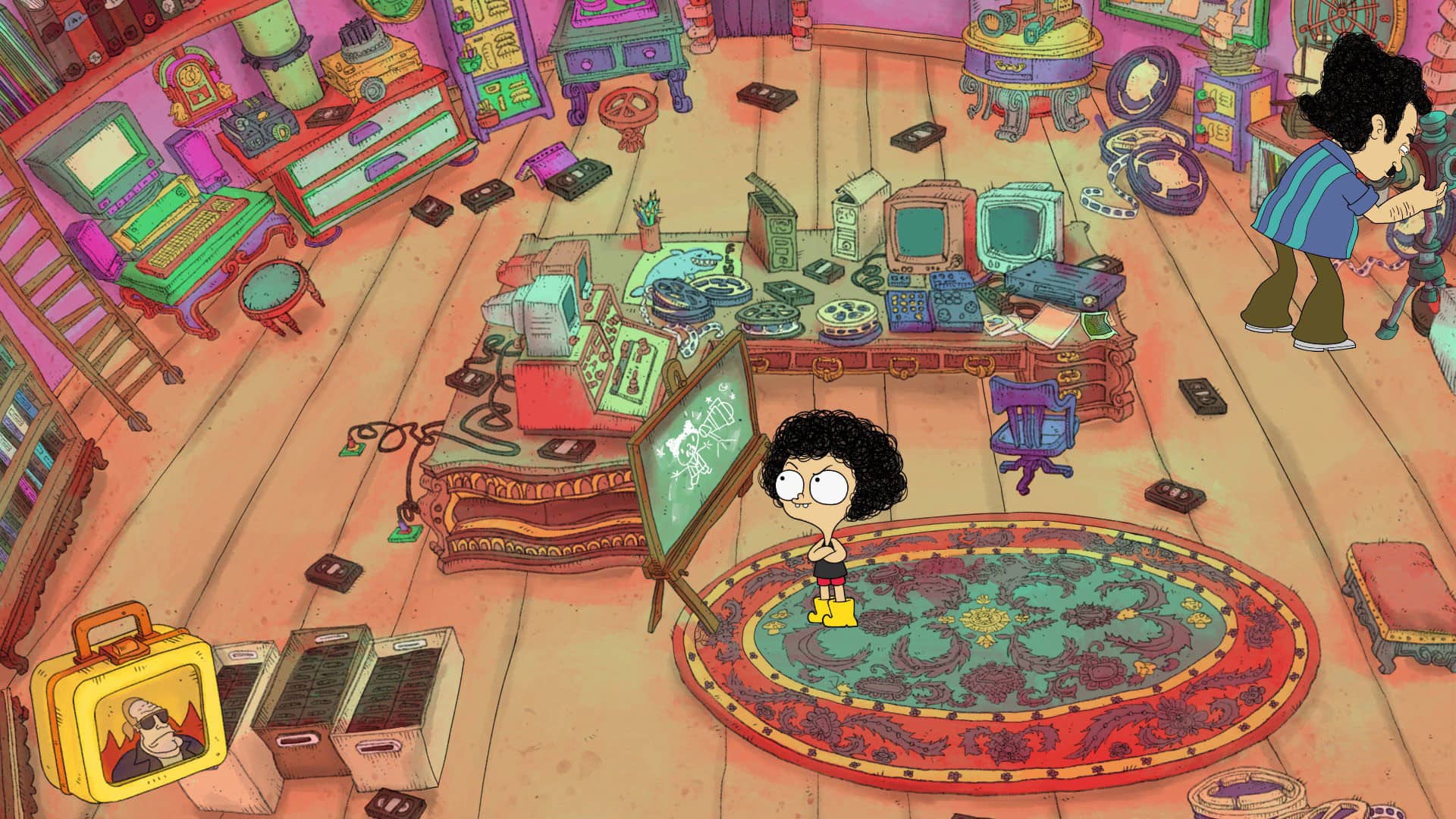
Then there’s Figment, an artsy, musical action-adventure that takes place in the recesses of the human mind. Developed by Bedtime Digital Games, it gives voice and shape to fear, anxiety, and doubt—then lets you fight those manifestations with rhythmic puzzles and dreamlike boss fights. Between its melodic themes, watercolor visuals, and emotional clarity, it ends up feeling closer to a playable animated short film than a traditional game—but that’s the draw. It taps into something most games don’t even attempt.

Between the stylized minimalism of Sable, the crunchy spatial tactics of Backpack Hero, and the narrative abstraction of Figment, Epic’s lineup isn’t just free—it’s curated. None of these would’ve made sense on physical shelves in the PS2 era. But in 2024? They all thrive in digital libraries with nothing to lose.

Epic’s Free Game Strategy Keeps Hitting

Epic’s weekly drops continue to feel less like fluff and more like intentional shots at gaming’s blindspots. While big-budget players scramble to cram more hours and systems into their $70 titles, Epic’s offering up smart, smaller-format games that respect your time and attention.

Yes, the system’s been around for years. But lately, it’s morphed into something oddly reliable—and occasionally revelatory. Whether it’s a meditative art piece, an underground niche RPG, or a cult classic you never finished, there’s value in checking in every Thursday morning. And this week’s Sable-to-Backpack-Figment handoff is a pretty perfect example of that.

Don’t sleep on this one. Your future self doing inventory Tetris on a dungeon floor might thank you.


Rennsport 1.13 – Big Patch, Bigger Expectations, and the Ring for (Almost) Everyone

Rennsport Spa Francorshamps race picture
Rennsport Spa Francorshamps race

Estimated reading time: 6 minutes

After months of simmering community feedback, curious design choices, and a physics model some still call “mysteriously polite,” Rennsport has finally dropped a double hitter with Patch 1.13.0 and the follow-up 1.13.1. And for once, they’re giving everyone a fair crack at the Nürburgring 24H layout—even if it took a tidal wave of N24 hype and pressure from Founders Pack-holdouts to make it happen. You’ve got until June 25 before it vanishes behind the virtual paywall again, so get your reps in.

That’s just one slice, though. Under the hood, Rennsport’s finally trying to show it’s more than just a good-looking demo reel.

Open Setups and Semi-Unleashed Physics

For the first time since launch, open setups are available in Time Trial and across all cars. It’s not total freedom—gear ratios, brake pressure, and a few other parameters remain locked—but at least we’ve escaped the purgatory of default tire pressures and cookie-cutter spring choices. This is a major quality-of-life upgrade for any driver trying to push the edge, not just hotlap within factory tolerances.

Paired with the updated ABS and TC behavior, the car control actually feels less sterile now. TC interacts more like a proper race system—not a roadsafety nanny—and low levels let you hang on to slip angles without slapping your hand. Same for ABS: early settings keep the pedal honest while letting you trailbrake properly.

Audio Rework Done Right—for Once

Major props are due on the audio side. The AMG GT3 saw the biggest upgrade, and it actually sounds like it’s got a real drivetrain attached now. You hear transmission whine under load, distinct external and internal mic blends, and adaptive effects like gravel hits, diff chatter, and crash reverbs based on your view. Opponent audio finally sweeps in with doppler filtering and a sense of proper spatial fade.

Tire noise also got refreshed with a new load-based model. No more one-size-fits-all scrub sound regardless of tire load or direction. Different surfaces, speeds, and camber loads now influence the rollout and slip sounds. For once, headphones do something other than annoy the cat.

This overhaul may feel cosmetic, but for cockpit drivers and immersion hunters, it’s transformative. The audible layers are the clue to mechanical limits—you can now listen for mechanical sympathy rather than guess.

Lite UI Wins, League Points, and Player Reporting

Beyond tires and exhausts, a few UI and QoL tweaks landed with a satisfying thunk. Replays still explode (hold that thought), but player reports can now be filed directly from Race History, complete with notes. Combined with the new League Point System—where splits are merged and DNFs stop farming ghost points—it’s a solid nudge toward competitive legitimacy.

More camera options too: interior visibility sliders, proper seat positioning, anti-aliasing options beyond the weird blurfest defaults—all stuff other sims had a decade ago, sure, but it’s finally here. Given how many cockpit-only players were ready to uninstall over view jank, this is a real pacifier win.

They’ve also fixed rolling start logic and tightened jump start rules: now a mistimed launch earns a disqualification, not free pole. Obvious fix, but one that actually matters if you care about sanctioned league rhythm.

The Old Bugs Still Bite

Then there’s the bad news. And there’s still a list.

Replays are going to crash on you. Period. This isn’t entirely Rennsport’s fault—Unreal Engine has its own cursed replay implementation—but knowing that doesn’t help when your Nürburgring lap vaporizes after 15 minutes. Worse is the in-car menu (ICM), which still hijacks input, rendering your button box or mapped functions non-responsive until you restart the session. That’s day-one stuff that somehow persists.

Pit crew dramatics? Still an unfixed meme. They clip through garage walls like spectral indie game assets. Parts of car interiors suddenly don’t render depending on the cam, breaking VR and dashboard immersers entirely. It’s amateur-hour visual bugs that nobody believes are top priority—and maybe that’s the problem.

And is anyone going to remove that “Local Contest” button that does nothing? Feels like you’re one dropdown away from seeing placeholder lorem ipsum text and realizing half the UI is orphaned.

But the biggest screw-up is core to this patch: setups don’t persist between sessions. Yeah, open setups are here—but every time you load into a new TT, it resets you to default values. You can’t benchmark or develop without manually reloading or reentering camber, toe, or pressure numbers every single time. For a sim courting eSports viability, that’s not just sloppy—it’s counterproductive.

Still No Path Forward… Just a Slicker Roadside

This patch smacks of departmental progress with no overarching direction. Audio and car feel? Vastly improved. Surface systems like reporting and camera tilt? Great. But drivability nuances, proper endurance race structuring, and progression still feel like they’re TBD. There’s no indication yet whether mod support or custom lobbies with save states are on the radar. Still no liveries outside dev handouts, still no user-facing telemetry APIs, still no roadmap for rank resets or sanctioning integrity.

And without a firm stance on where this sim is going—serious PC simulator or polished gateway to eSports events–it all settles into a gray space. Looks sharp, sounds right, but plays like it’s unsure who it’s for. The sim racing scene doesn’t care if your GT3 car has 4K tire textures if it resets your damn setup between sessions.

Exclusive Ring Access and a Gimmicky Livery Hustle

That Nürburgring 24H layout access? It’s good. It’s overdue. It’s limited-time only. Just like the “PRPL Beast” AMG livery you can nab if you run a 2.4-hour event on June 21 or log any TT lap before the 25th. It’s styled after the #17 GetSpeed Mercedes from the real N24—a nice crossover, but clearly an influencer carrot with a weak string attached. We’ve seen the same marketing loop from GT7 to Forza—it gets predictable.