Estimated reading time: 6 minutes
The gaming industry is going through a genuine identity crisis heading into Q2 2026. Hardware costs are climbing, the AI sector is consuming the memory chips that console makers rely on, and GTA 6 is sitting on the calendar like a loaded gun pointed at every platform at once. After multiple delays — first from its original 2025 window, then from a May 26 date — Rockstar and Take-Two have locked in November 19, 2026 as the release date, with CEO Strauss Zelnick publicly committing to it as a firm deadline. Everything happening in hardware right now is orbiting that date.
Xbox Makes Its Move
On March 5, new Xbox CEO Asha Sharma publicly confirmed the codename for the next-generation Xbox: Project Helix. In a post on X, she stated the console “will lead in performance and play your Xbox and PC games,” framing it as central to what she called “the return of Xbox.” That was the full extent of the official announcement. No specs, no price, no release window.

Sharma took over following Phil Spencer’s retirement and is attending GDC this week, where she is expected to brief developers and partners on the hardware direction. The announcement is as much a leadership statement as a product reveal — she is tying her tenure to a concrete hardware bet from day one.
What the community actually knows about Project Helix comes from leaks, not Microsoft. Hardware analysts expect AMD silicon — Zen 6 CPU cores paired with an RDNA 5 GPU — targeting native 4K output at 120fps. The more disruptive detail is on the software side: Project Helix is expected to ship with Steam, the Epic Games Store, and other PC storefronts installed alongside the Xbox platform, making it the only gaming device with simultaneous access to both console and PC libraries.
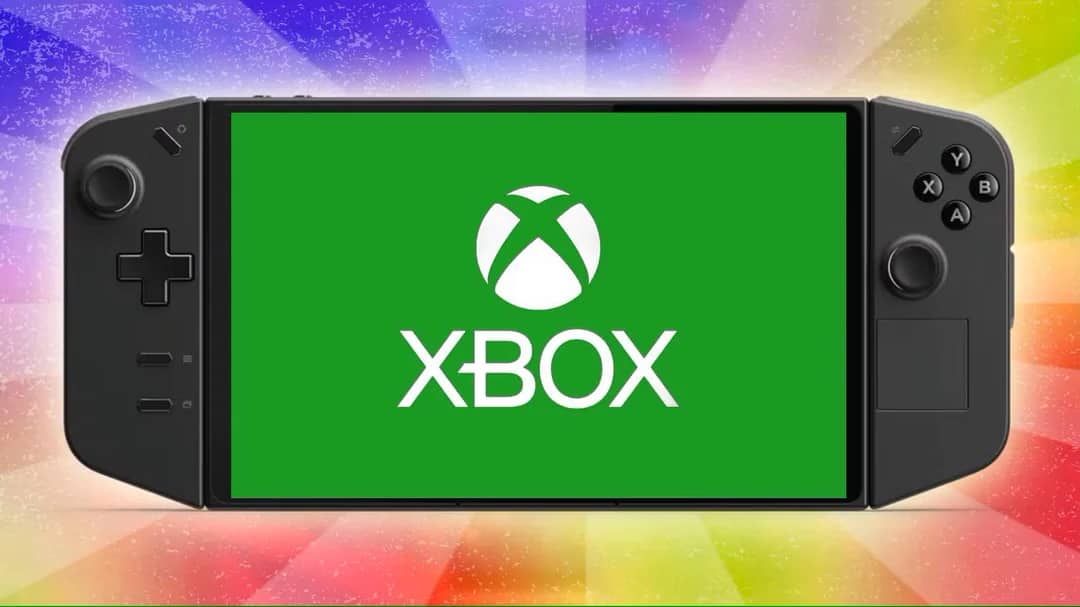
The cost of that ambition is significant. Pricing estimates from leakers range from $900 to as high as $1,400 — and those figures were calculated before the current global RAM shortage began driving component costs further upward. At any point in that range, Project Helix is not a mass-market console. It is a premium device competing against high-end gaming PCs, and Microsoft appears to know it.
With Halo, Gears, Forza, and Fable now available on PlayStation, the traditional exclusive argument for buying an Xbox no longer exists. The counter-argument Microsoft is building is a different one: the largest combined content library on any single device, powered by Steam access and the full Xbox back catalog. Whether that is enough to move units at four figures is the central question of the next hardware cycle.
Sony Is Waiting — By Necessity
While Microsoft is redefining what a console is, Sony is dealing with a more immediate problem: it may not be able to launch its next one on schedule. A Bloomberg report from February states that Sony is considering pushing the PS6 back to 2028 or even 2029, citing the global RAM and memory chip shortage driven by AI infrastructure demand. The crisis — which industry sources have taken to calling “RAMageddon” — has pushed the price of key DRAM categories up roughly 75% in a single month.
HBM memory, critical for the PS6’s target performance, faces severe supply constraints as AI data centers absorb production from Samsung, Micron, and SK Hynix. Industry forecasts indicate data centers will consume roughly 70% of global memory chip production in 2026 alone. The situation is compounded by Micron confirming it is completely sold out for 2026, redirecting supply almost exclusively to AI companies and enterprise clients — removing a significant portion of the consumer market’s supply base in one move.
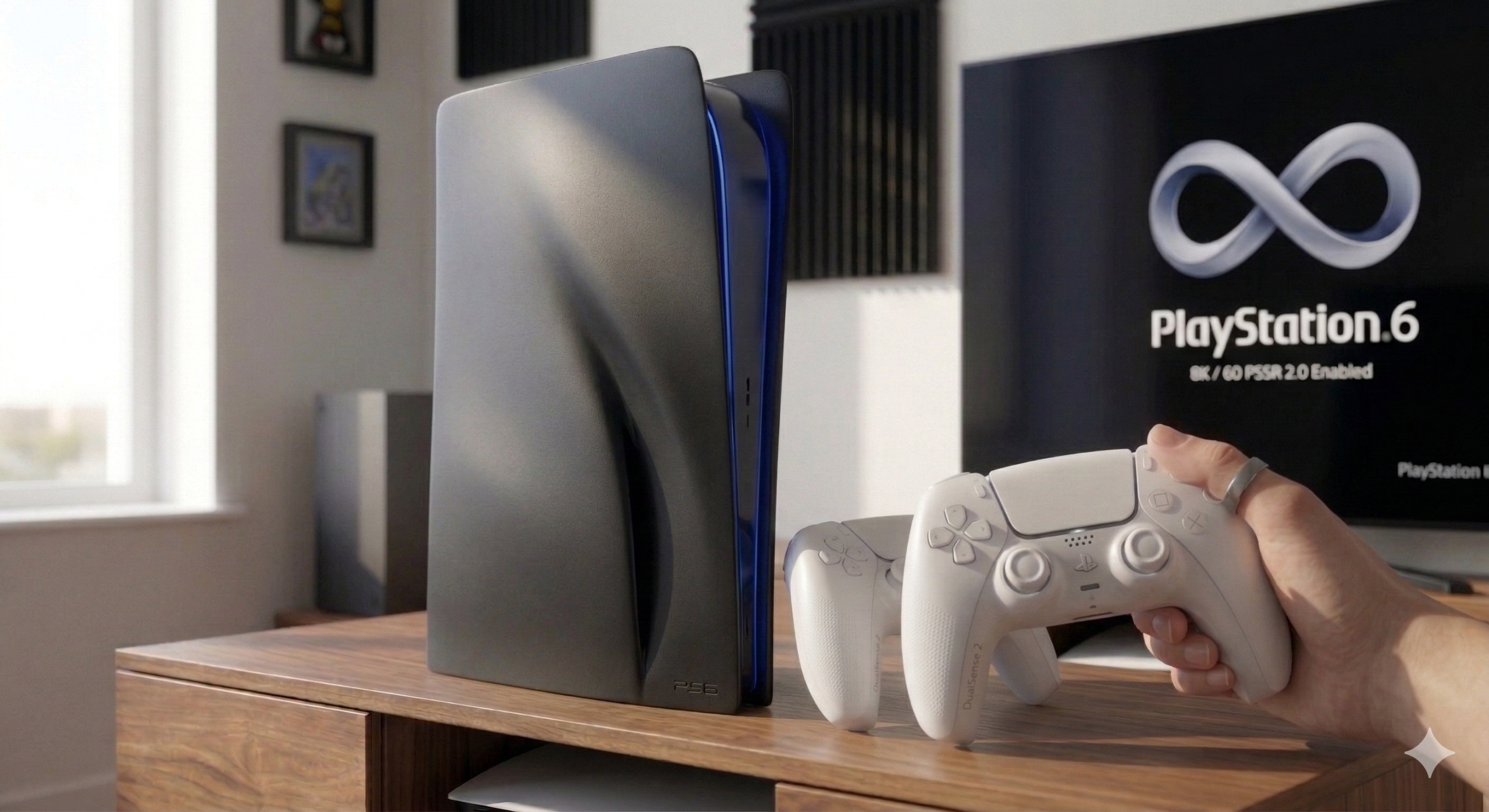
Sony has not officially confirmed a delay. The two positions are not mutually exclusive — Sony may be planning for 2027 while leaving a 2029 escape hatch open depending on component pricing. What this means practically: a direct Helix-vs-PS6 hardware battle in 2026 is not happening. If the PS6 delay proves out, Microsoft gains a potential multi-year hardware window where Project Helix is the only next-generation console on the market — an opening Xbox has not had in two generations.
The Game Pass Question
The 50% price increase that pushed Game Pass Ultimate to $29.99 per month in late 2025 drew real backlash, but the financial logic behind it holds up better than the criticism suggests. Subscriber growth was already plateauing before the hike — the subscription gaming market grew approximately 20% year-over-year in 2025, driven significantly by price increases across all platforms rather than subscriber volume alone. Microsoft shifted deliberately from chasing headcount to extracting more revenue from existing users. The math is not wrong. The brand perception cost is real, but it is a separate problem from the financial one.
The more pointed pressure point is GTA 6 itself. The game launches first on PlayStation 5 and Xbox Series X|S — with no confirmed PC release date at launch. If the Series S version ships with visible technical compromises relative to the PS5 build, Microsoft loses its casual audience at exactly the moment it needs them to consider a $1,000 upgrade. That is the scenario the Game Pass price hike cannot fix.
Where Things Stand
| Platform | Confirmed Status | Central Risk |
|---|---|---|
| Xbox Project Helix | Codename and PC/Xbox hybrid confirmed | No specs, price, or date announced — $900–$1,400 leak range |
| PlayStation 6 | Unannounced — delay to 2028/29 under consideration | RAM shortage may force timeline shift |
| Nintendo Switch 2 | Launched | Price increase under consideration as RAM costs rise |
Microsoft is not fighting a console war anymore. It is attempting to win a different argument entirely — that a Windows-based living room device with Steam access is more valuable than a dedicated gaming box, at twice the price. Sony is betting the average consumer still wants a curated, high-performance ecosystem with a clear identity. Nintendo is, as usual, doesn’t care 🙂
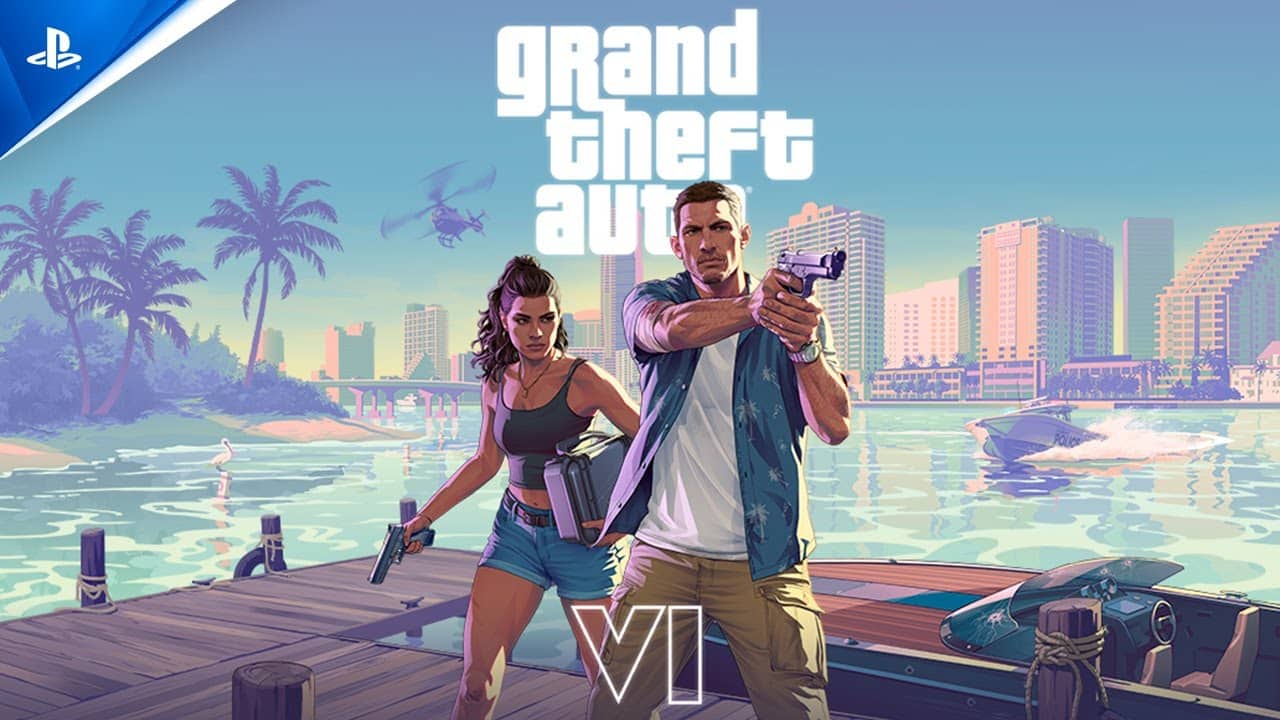
GTA 6 will apply more real-world pressure to these competing theories than any spec sheet or earnings call. The question worth watching is not which platform wins November — it is whether the hardware gap that opens if the PS6 slips to 2028 gives Microsoft the runway to make Project Helix’s price point feel justified before Sony has a chance to answer it.