
Estimated reading time: 5 minutes
The first week of January 2026 finds CD Projekt Red in the middle of a structural overhaul. After years of quiet work following the Phantom Liberty launch, the studio cleared its plate. They sold GOG, moved their entire tech stack to Unreal Engine 5, and started pushing The Witcher into a permanent release cycle.

The GOG Sale: Back to Preservation
On December 29, 2025, CDPR sold 100% of GOG.com back to its original co-founder, Michał Kiciński, for PLN 90.7 million ($25.2 million). The storefront is now independent again.

For players, this protects the DRM-free mission. Kiciński wants GOG to return to its original purpose: reviving classic games and ensuring digital ownership. The studio will still launch future titles like The Witcher 4 on GOG, but the storefront can now focus on its Preservation Program without needing to compete with Steam’s scale or answer to quarterly earnings reports.
The Witcher 3 “Bridge” Expansion: Ciri and the Lynx
Rumors from Polish industry insider Borys Nieśpielak and financial analyst Mateusz Chrzanowski at Noble Securities point toward a massive, paid expansion for The Witcher 3: Wild Hunt dropping in May 2026.
This DLC connects the original trilogy to the new saga. It focuses on Ciri after the main game ends. The marketing features the School of the Lynx medallion, a new Witcher order that represents a break from the dying traditions of Kaer Morhen. Playing as Ciri lets us see the founding of this school, which positions her as the anchor for Project Polaris.
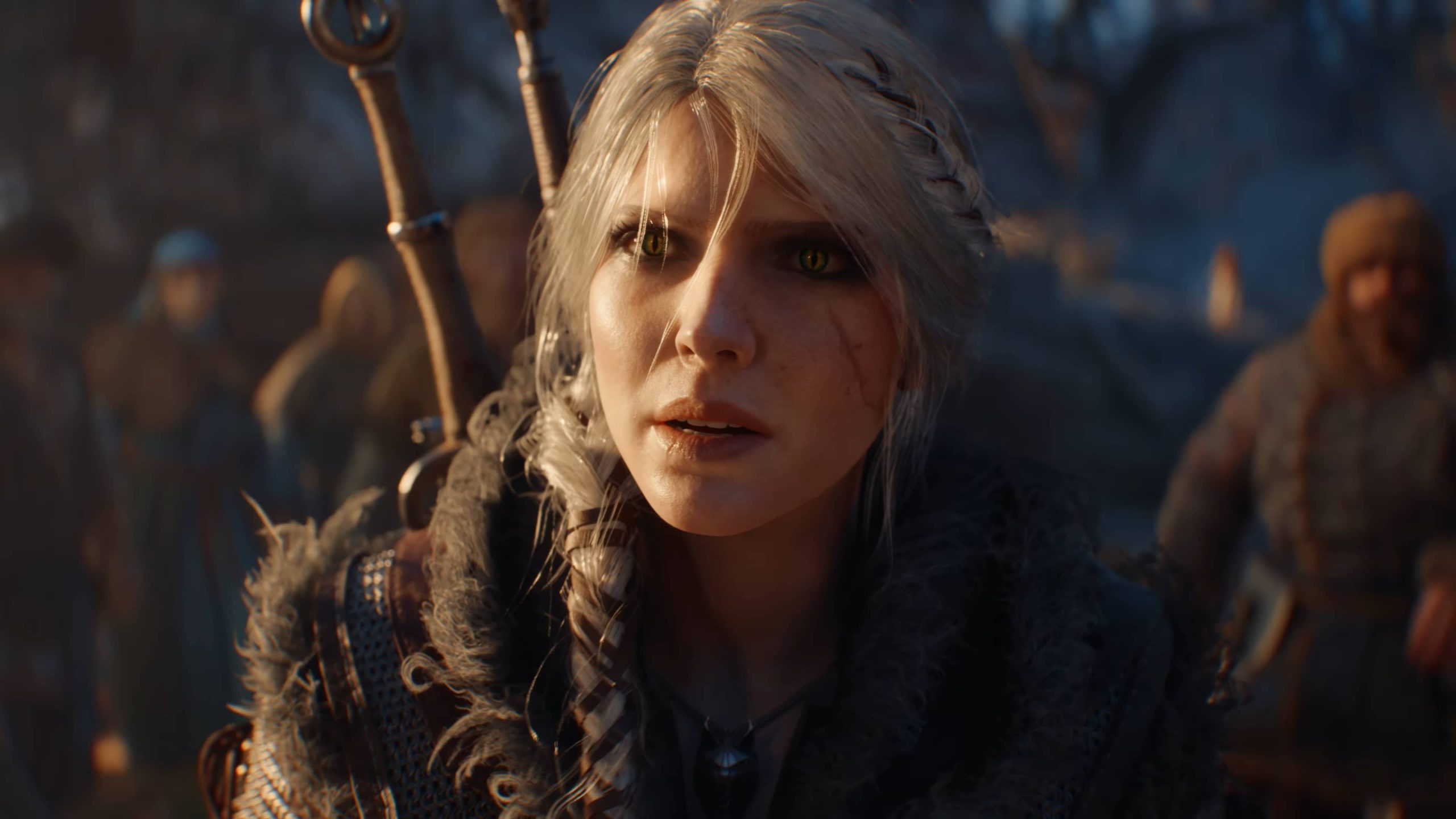
The internal Warsaw team isn’t developing this. Fool’s Theory—the studio remaking The Witcher 1—is handling it. This team includes many lead developers who built the original Wild Hunt. They’re using the familiar REDengine to deliver a standalone-style expansion (projected at $30) while the main CDPR staff stays focused on the new engine for The Witcher 4.
Technical Shift: The Unreal Engine 5 Revolution
The transition to Unreal Engine 5.x is the foundation for everything CDPR plans between now and 2030. The State of Unreal tech demo showed how this shift affects actual gameplay.
Nanite Foliage means the forests of Kovir (the rumored setting for Polaris) use high-fidelity geometry. Trees and grass no longer pop in as you get closer.

Lumen Lighting makes all lighting dynamic. If you cast a Sign or walk past a light source, the shadows and reflections update instantly without the performance hit of traditional ray-tracing.
FastGeo Streaming is a tool CDPR co-developed with Epic Games. It streams massive amounts of data instantly, which matters for the dense urban environments planned for the Cyberpunk sequel.
The 2026–2030 Roadmap
The current plan splits development geographically so The Witcher and Cyberpunk don’t fight for the same resources.
| Project | Lead Team | Current Status | Expected Release |
|---|---|---|---|
| W3 Expansion | Fool’s Theory | Finishing Touches | May 2026 |
| Polaris (W4) | CDPR Warsaw | Full Production | Late 2027 |
| Sirius (Multiplayer) | CDPR / Molasses | Conceptual | 2028 |
| Orion (CP2) | CDPR Boston | Pre-production | 2030 |
Project Polaris: The New Saga
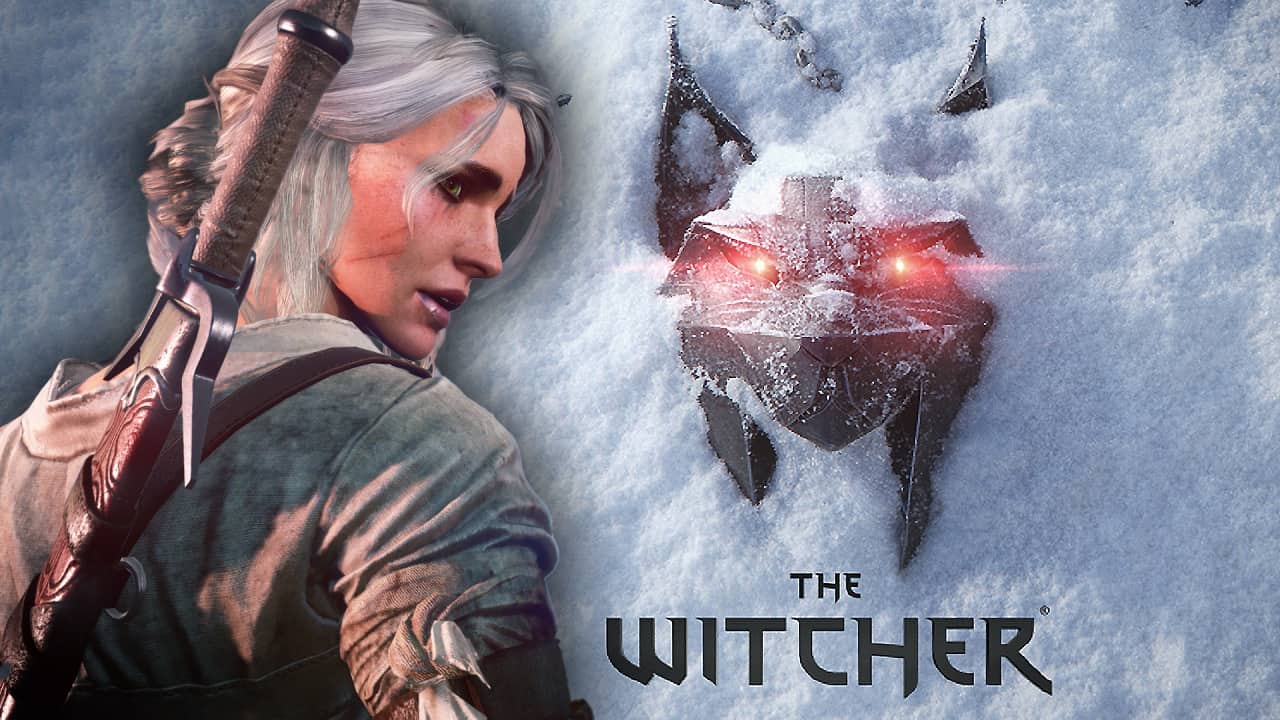
Over 400 people in Warsaw are working on Polaris. It starts a new trilogy that CDPR plans to release over six years. By using a shared UE5 technical base, they expect to release The Witcher 5 and 6 much faster than previous sequels.
Project Orion: The Future of Night City
The Boston hub is now home to the Cyberpunk sequel. Lead designers from Phantom Liberty are building the team in North America. They want to integrate multiplayer directly into the core experience this time, turning Night City into a social hub instead of just a single-player playground. The game entered pre-production in May 2025 with an expected release no earlier than 2030.