Assetto Corsa Evo Early Access update - Maserati GT2
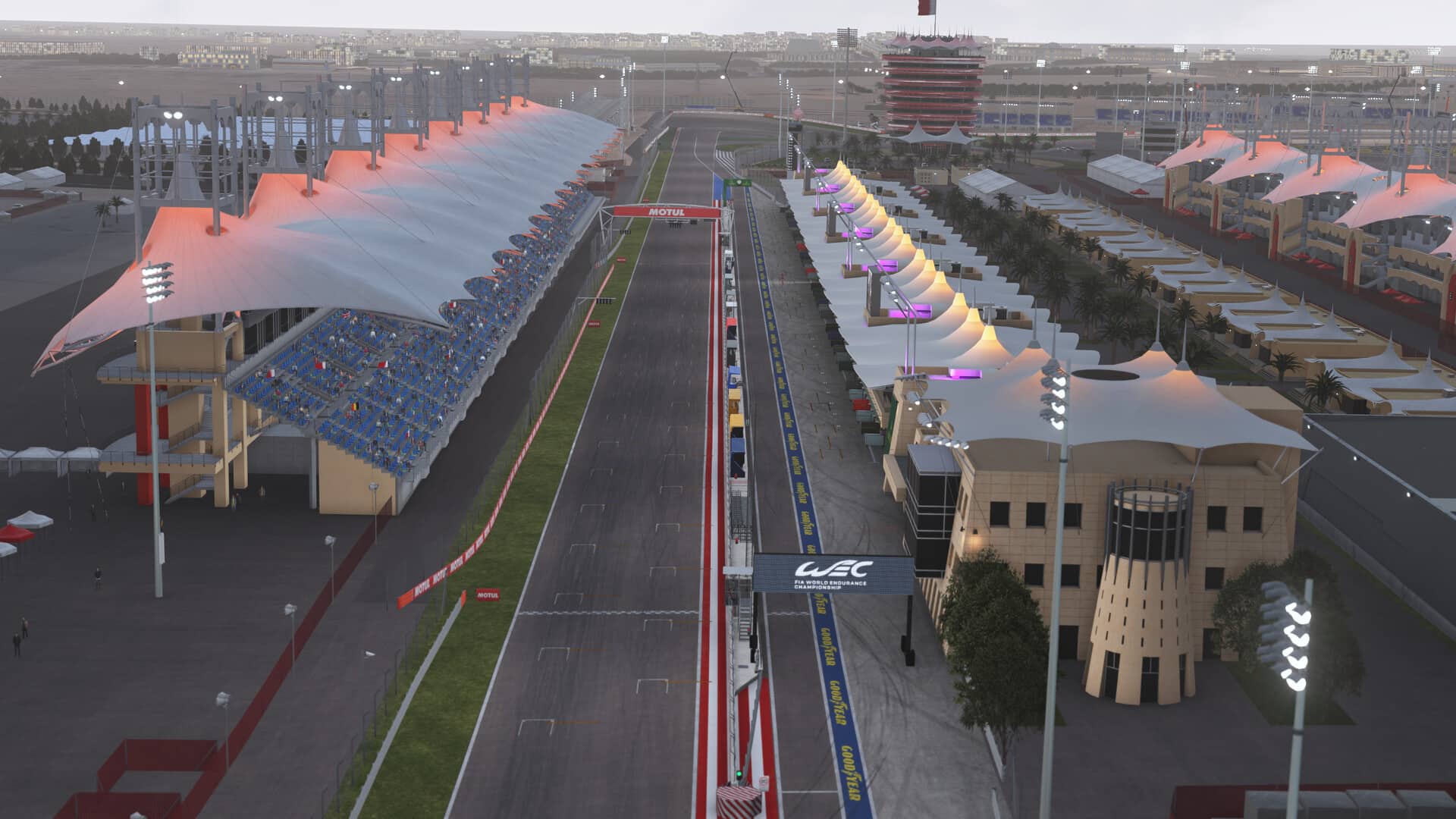
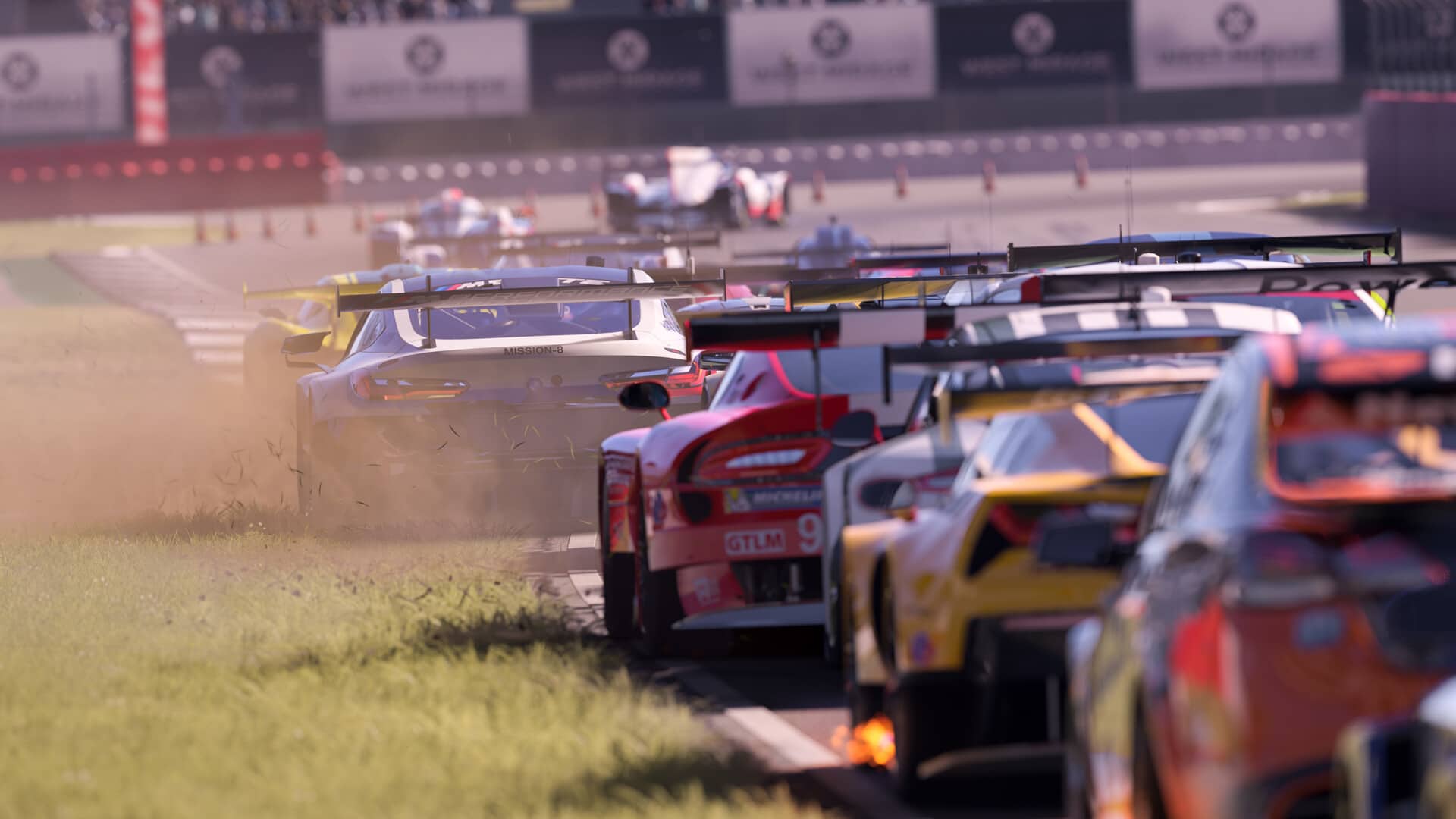
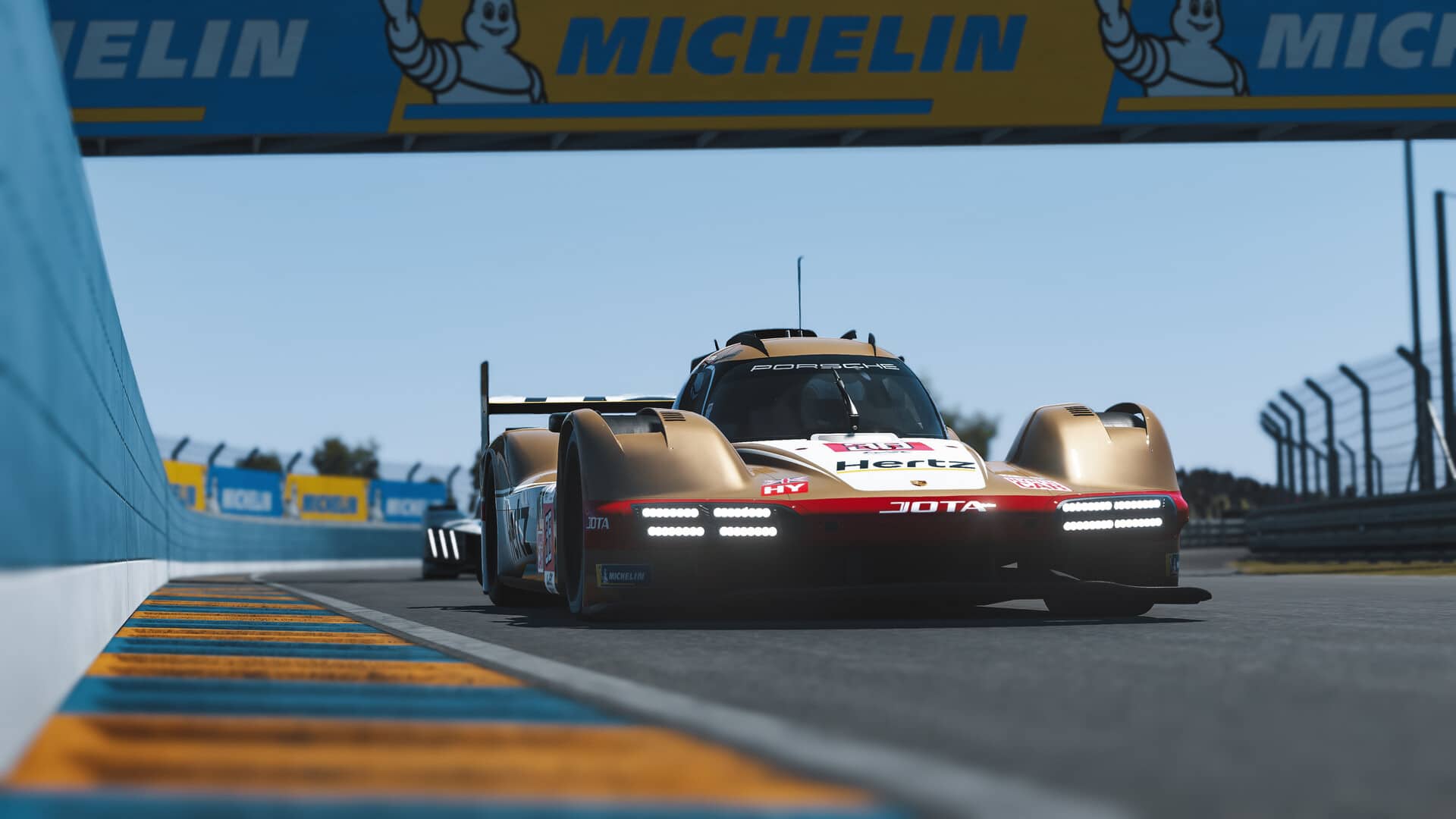
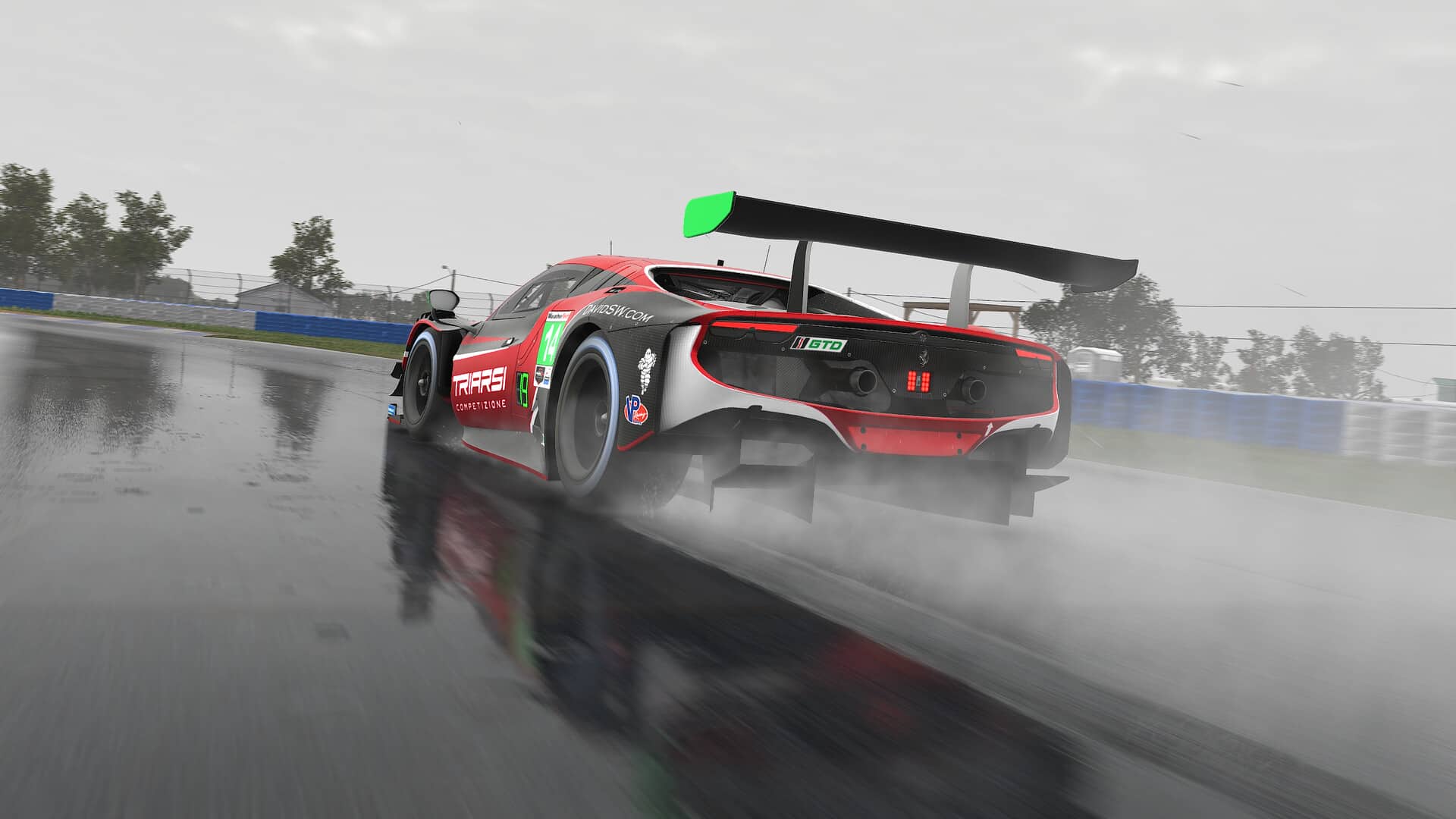
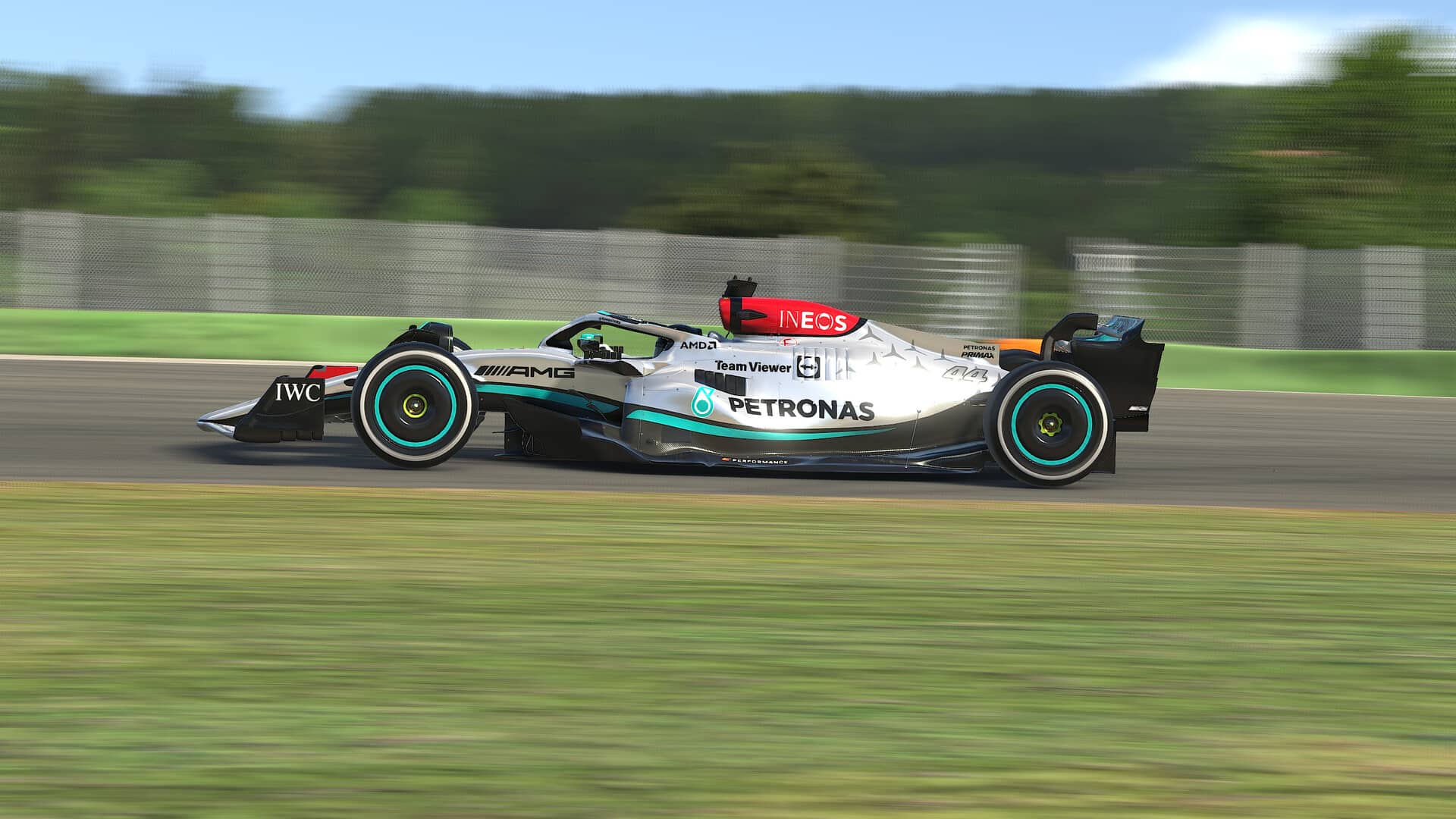
Assetto Corsa Evo’s Update 0.2, currently accessible through Early Access, introduces a range of significant additions and changes designed to enrich the simulation experience.
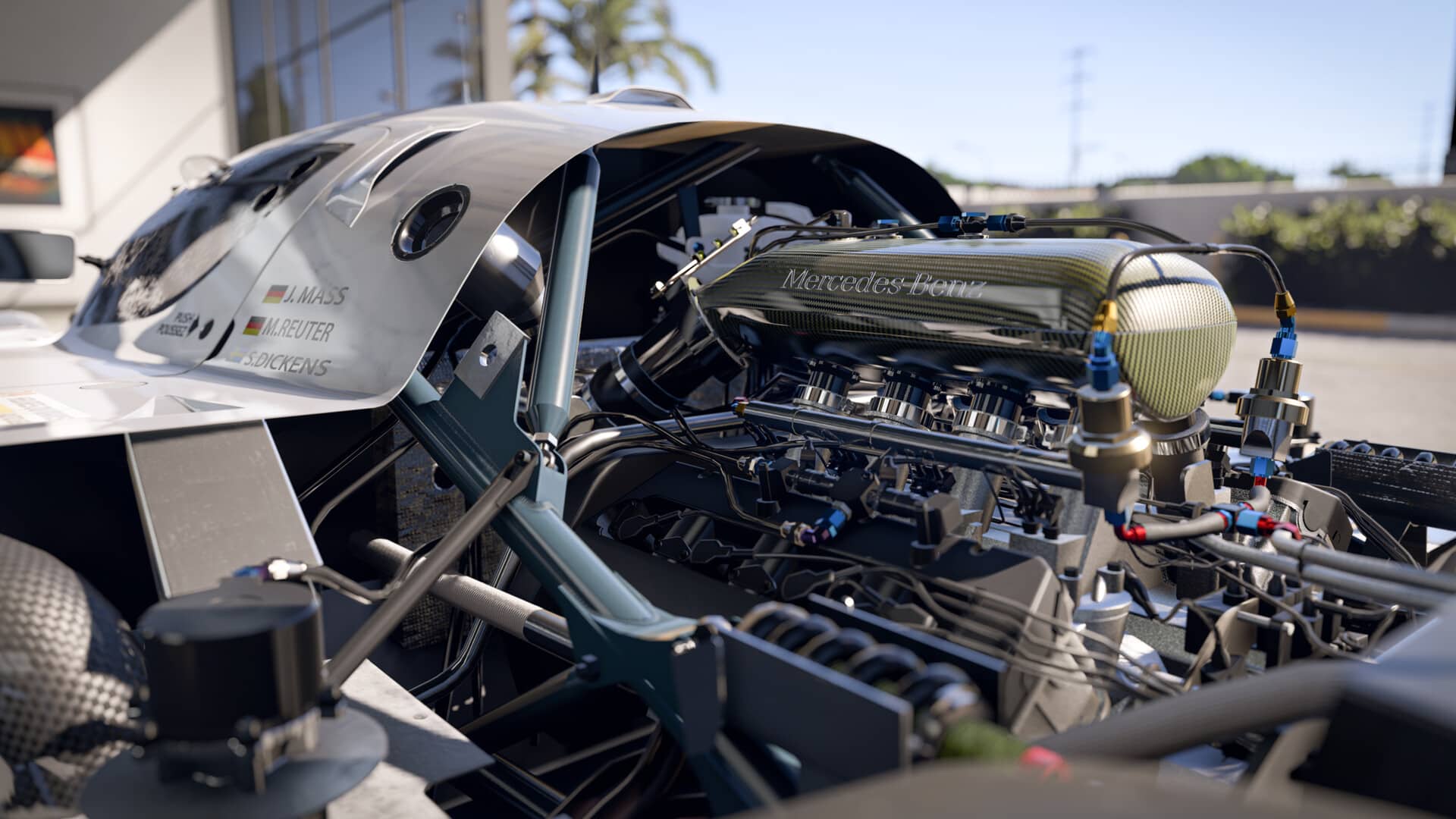
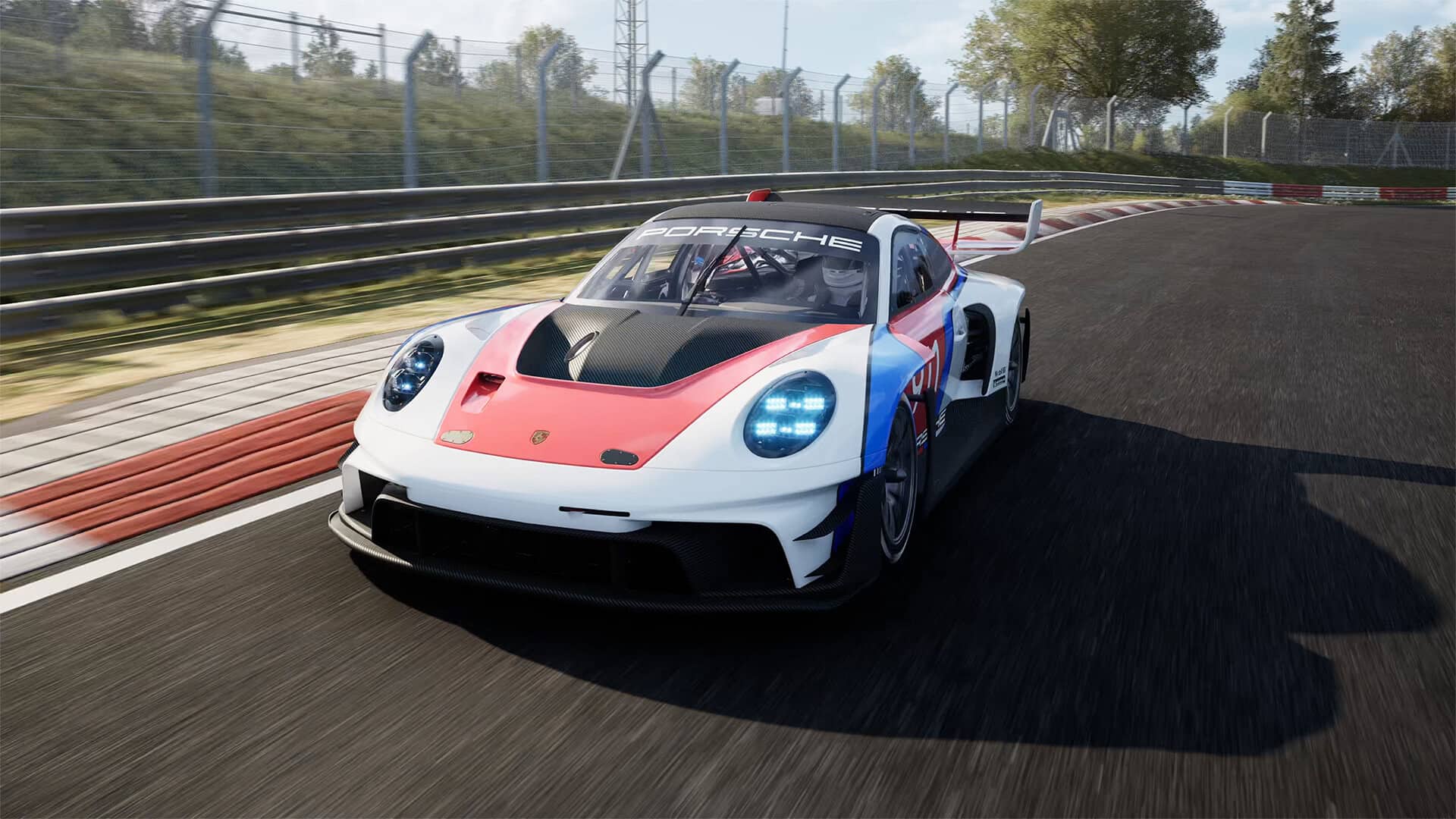
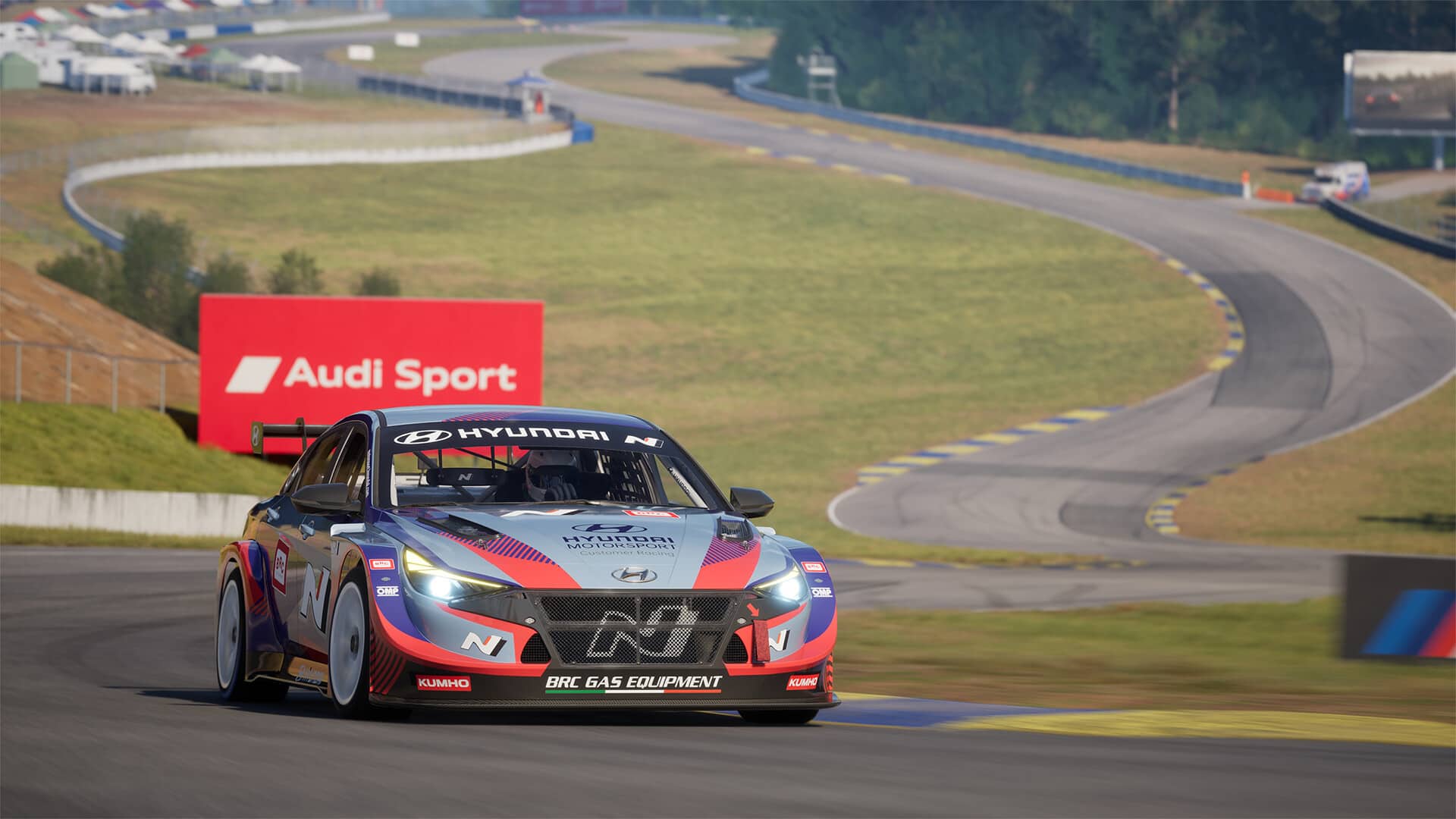
The update incorporates seven new vehicles into the simulation’s roster. These additions include the Alfa Romeo Giulia Sprint GTA, the Lotus Exige V6 Cup, the Porsche 911 Turbo 3.6 (964), the Mazda MX-5 (NA), the Honda NSX-R, the Maserati GT2, and the Alfa Romeo 75 1.8 Turbo Evoluzione, broadening the spectrum of driving experiences available to players across different eras and vehicle types.
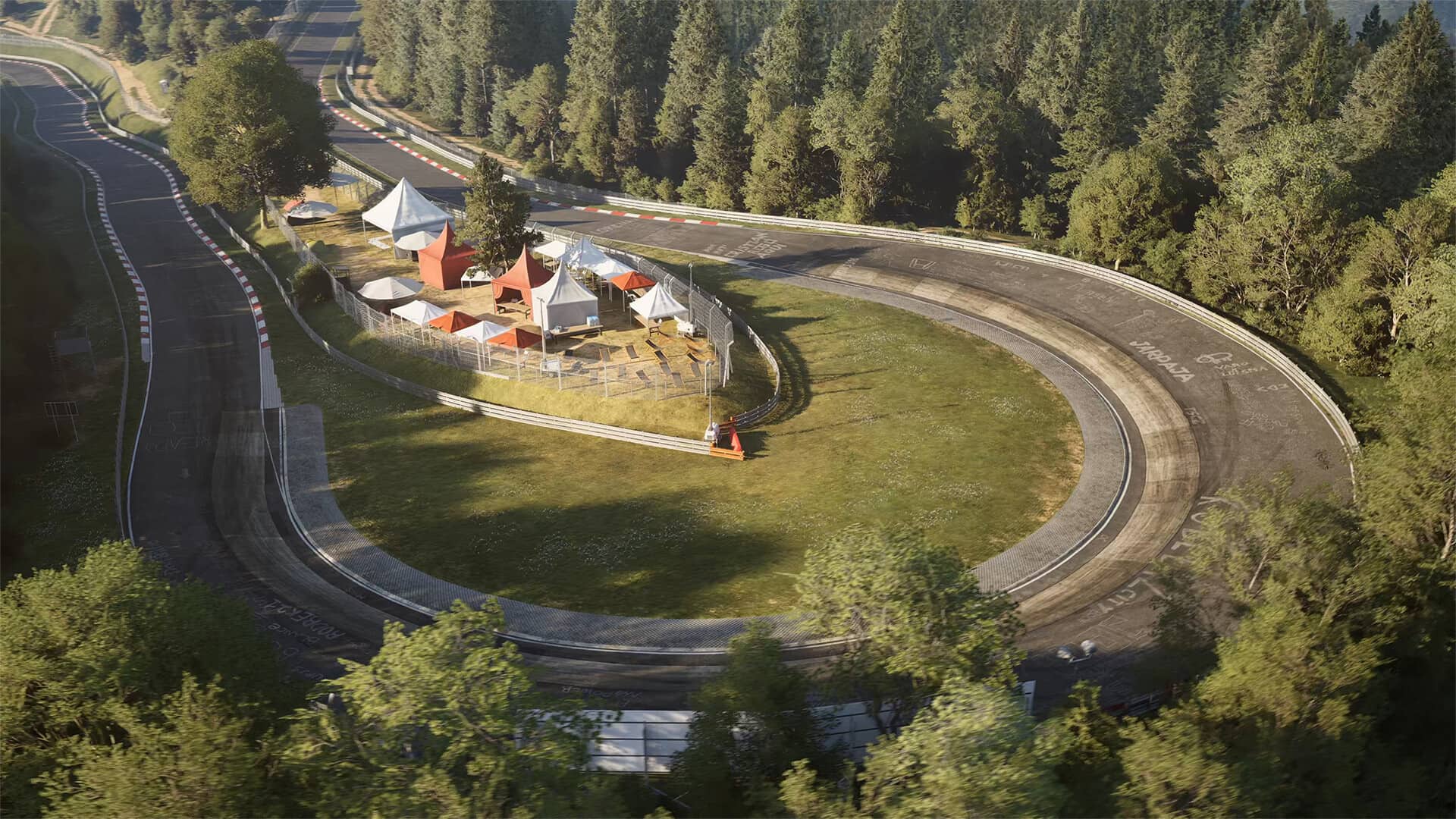
Complementing the expanded vehicle selection are two newly integrated circuits: the Circuit of the Americas (COTA), located in Austin, Texas, and the historically significant Donington Park circuit in the UK. These additions provide players with fresh and diverse environments to test the capabilities of the updated car lineup, offering distinct challenges and layouts.
The update also brings notable changes to the game modes, offering greater flexibility and control to players. The introduction of “Open Mode” provides a completely offline experience where all vehicles and customization options are immediately accessible without the constraints of a progression system or licensing requirements, catering to those seeking immediate access to all content. The “Career Mode” now functions fully offline and retains its features of player progression, an in-game economy, and the Driving Academy, ensuring a structured single-player experience without the need for an internet connection. Furthermore, a new “Custom Race Weekend” mode allows players to design comprehensive race events, including practice, qualifying, warm-up, and the main race, with session durations configurable by either laps or time, offering a more tailored and realistic race weekend structure.
A new “Replay Gallery” feature has been implemented, significantly enhancing the post-race experience. This functionality enables players to save and review their gameplay sessions, allowing for the preservation of memorable moments and the analysis of driving performance. The gallery includes playback functionalities such as slow-motion and the ability to switch between multiple camera angles for detailed observation.
Beyond the new content and ACEVO game mode adjustments, Update 0.2 includes a suite of technical and visual improvements aimed at enhancing the overall quality of the simulation. Efforts have been made to optimize performance, focusing on stability enhancements for various setups, including virtual reality and triple-screen configurations, indicating a commitment to a smoother user experience across different hardware. The artificial intelligence system has been updated with a “Custom AI Grid” interface, allowing players to fine-tune the performance parameters of AI opponents, leading to more engaging and competitive races.
Visual fidelity has been addressed through retuned weather settings, improved rendering of trees, more realistic flag animations, refined visual reflections, and the activation of car dirt effects, contributing to a more immersive and visually appealing environment. For virtual reality users, the update introduces a VR TV camera set and support for DLSS technology, further enhancing the VR experience. Finally, usability has been improved with the addition of a car controls widget in the main menu, an enhanced radar widget, and corrections to controller navigation, streamlining the user interface and improving accessibility.
Epic Games Store is offering Super Space Club for free until May 8, 2025. This lo-fi arcade space shooter combines vibrant visuals with chill-hop beats, providing a relaxing yet challenging experience. Players can choose from five unique pilots and three ships, creating over 100 possible combinations to battle endless waves of enemies. The game features physics-based movement and requires strategic energy management during combat.
Hell Let Loose – Premium Edition is available at 50% off, priced at $29.99. This 50v50 World War II multiplayer shooter emphasizes teamwork and strategy, offering a realistic battlefield experience. Players can choose from 14 distinct roles and engage in large-scale battles across iconic locations.
Overcooked! 2 – Gourmet Edition is offered at an 80% discount, bringing the price down to $9.69. This edition includes the base game and all DLCs, providing a comprehensive cooperative cooking experience. Players can team up locally or online to prepare dishes in increasingly chaotic kitchens, testing their coordination and time management skills.
Epic Games Store continues its weekly free game offerings with two unique titles available until April 24, 2025:Botanicula and Firestone: Online Idle RPG. Both are also free on mobile platforms, providing additional value for players on the go.
Botanicula – A Whimsical Adventure
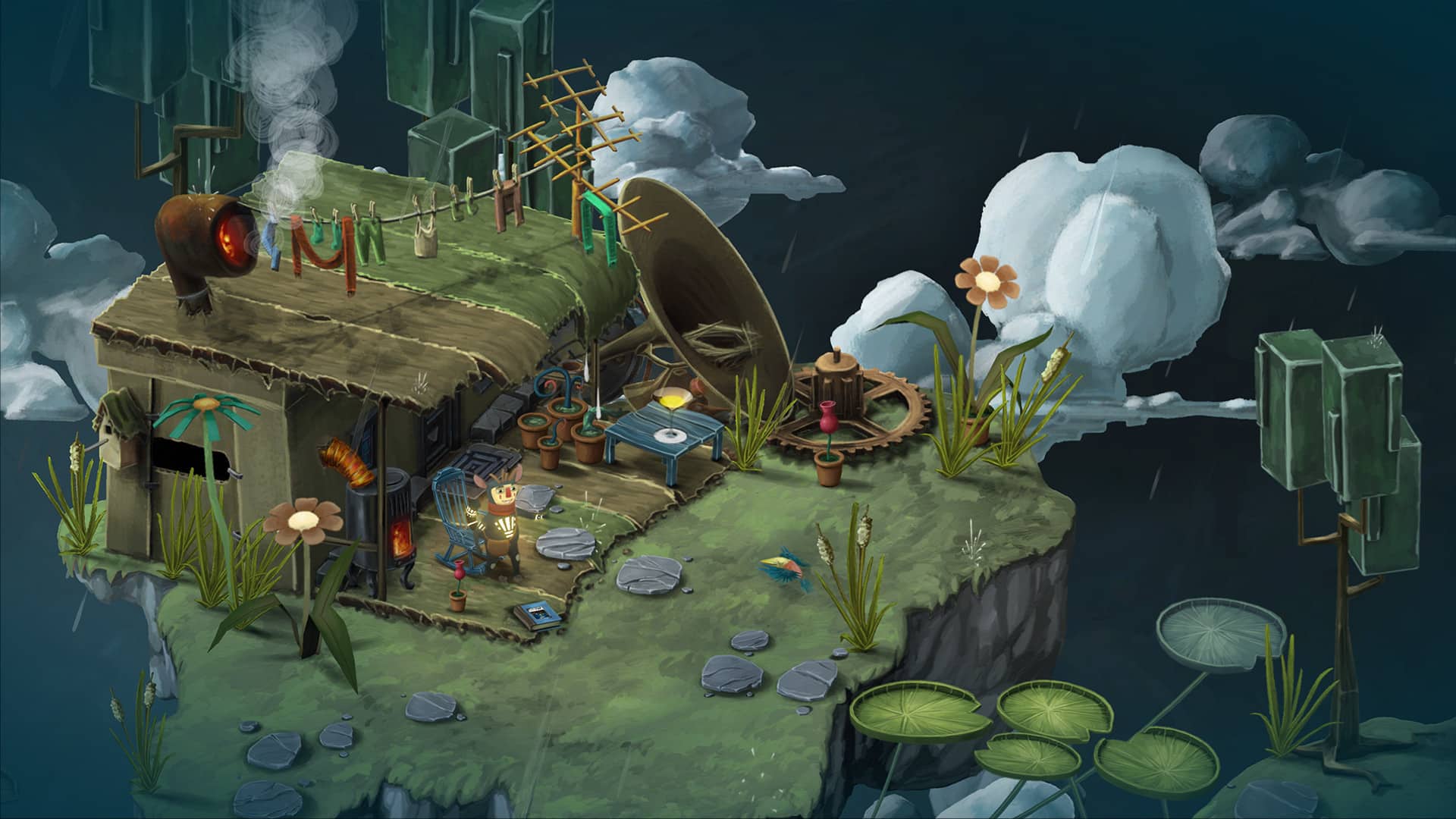
Botanicula, developed by Amanita Design, is a point-and-click adventure game that follows five tree creatures on a quest to save their home from parasitic invaders. The game is known for its charming art style, quirky characters, and engaging puzzles. It’s a delightful experience for players of all ages.
Firestone: Online Idle RPG offers a blend of idle mechanics and strategic gameplay. Players collect heroes, upgrade their abilities, and engage in battles across various fantasy settings. Logging into the game through the Epic Games Store between April 17 and April 24 grants players a bonus pack valued at over $100, including exclusive skins, chests, and in-game currency.
For those interested in classic gaming, Another World – 20th Anniversary Edition is available on the Epic Games Store for mobile devices at approximately $3.99. This cinematic platformer from the early ’90s has been remastered for modern devices, offering a nostalgic experience for veteran gamers and a piece of gaming history for newcomers.
Update 17 has officially arrived to Hell Let Loose, bringing a substantial wave of changes and additions to the battlefield. Centered on the newly introduced Tobruk map, this release modernizes dynamic weather functionality, expands the flamethrower’s destructive capabilities, and reshapes the durability of player-built structures. It also refines how players earn XP—particularly for accurate markings and cooperative acts—while addressing a wide range of bugs that previously undermined the experience. For anyone seeking fresh desert-themed encounters, Tobruk stands out as an important addition to the existing array of environments.
This patch also offers a practical demonstration of how new systems might benefit the game in the long run. The revised approach to variable weather ensures that storms or sand-blown gales feel less predictable, while new ways to accumulate XP encourage positive teamwork. Where earlier updates to desert maps such as El Alamein left some players concerned about wide-open spaces, Tobruk aims to deliver both close-quarters cave combat and broader vehicle engagements that hinge on controlling vantage points across dunes. Along with these additions, a set of improvements to the Soviet Practice Range showcases how lighting and terrain can evolve for a more detailed early test environment. Below is a thorough breakdown of each major feature, as gleaned from Update 17’s patch notes, along with insights into how these changes could shape gameplay.
Tobruk’s Second Siege
The North African theater comes into sharper focus thanks to Tobruk, a desert map set in 1942 during what was historically the capitulation of British defenses in a single day. The battle pitted the Deutsche Afrika Korps against the British Eighth Army, with extreme conditions driving the conflict in quick bursts of aggressive armored assaults. In this adaptation, the development team highlights the possibility of fast-paced matches, featuring tricky terrain, caves, rooftops, and everything in between.
Tobruk offers four official game modes: Warfare, Offensive British, Offensive German, and Control Skirmish. While the environment does feature the expected desert topography, it also surprises players with subterranean areas—“Desert Rat Caves”—that pay homage to the defenders, nicknamed the “Rats of Tobruk.” This map design merges open, vehicle-friendly plains with pockets of dense structures, granting infantry multiple vertical layers for vantage and flanking. Early glimpses of the city core suggest brutal street fights, but the layout avoids limiting armor movement to the point where tanks and other vehicles become irrelevant. The developer rationale indicates specific goals: maintaining the feel of a desert setting while providing rocky formations, dunes, and varied capture points, all of which keep firefights dynamic.
For those wanting to see the map in action, there is a so-called “Deep-Dive Video Overview” that demonstrates its contrasting spaces, from rooftops with elevated lines of fire to caves with claustrophobic corridors. The impetus behind creating another North African setting—one distinct from El Alamein—stems from a desire to add new desert experiences without repeating past design. Where El Alamein was known for open fields and longer-range engagements, Tobruk aims for a balance that respects vehicles but also encourages creative infantry maneuvers.
Morning, Day, and Dusk
Tobruk in Hell Let Loose arrives with multiple time-of-day variations: Morning, Day, and Dusk. These variations alter visibility, color tone, and overall mood. The difference between a bright midday sun and the subdued glow of dusk can significantly impact play, because certain vantage points or landmarks become easier or harder to see. In many matches, that slight shift in lighting can grant an attacker the advantage if defenders rely too heavily on stable lines of sight. The presence of these variations also ties into the upgraded weather system, ensuring that at any point, conditions might tip from light haze into a full-scale sandstorm.
Among the patch’s standout features is the improved dynamic weather framework, allowing random changes rather than the predictable intervals of earlier versions. In prior updates, weather would escalate in intensity in a predictable sequence. Now, storms can fluctuate between mild and extreme conditions at irregular intervals, forcing squads to adapt on the fly. The developers mention that the new system transitions among intensities using separate weighting, so it might remain moderate for longer than usual, or jump to a heavy scenario before receding.
Because the game’s core desert dust and cloud particles demand extra nuance, the technical art team revised the occlusion logic. Previously, the game sampled a heightmap to hide particles below the terrain line, but now the engine can run a small ray-march for each pixel in the direction of motion. That measure determines how soon a particle should fade. The result is a more believable depiction of swirling sand and obstructed lines of sight. When the system steps into full-blown sandstorm intensity, players find themselves wrestling with minimal visibility, forcing them to decide whether to push under the cover of dust or hold tight. This ties into the general randomness: sometimes the storm remains heavy for only a short moment, while other times it lingers, drastically altering the flow of a match.
Tobruk’s signature additions are the “Desert Rat Caves” that weave through the rugged hills and rocky outcrops. By providing narrow passages and multiple entry points, the map challenges infantry squads to coordinate. The presence of caves can transform otherwise open sections of desert into labyrinthine chokepoints, giving defenders a strong chance of halting enemy movement if they hold the right vantage. Tanks remain integral if deployed carefully, but they risk being caught by rocket teams or flamethrowers at close range, especially in canyons and hollows. Meanwhile, capturing rooftops in certain sectors grants line-of-sight advantages reminiscent of urban fighting seen on other maps. The difference here is that swirling sand or the abrupt onset of a storm can obscure those vantage points. One minute you’re scanning the distance for silhouettes, and the next minute your scope is useless in a wall of dusty clouds.
Soviet Practice Range Rework
Although overshadowed by the arrival of Tobruk, the Soviet Practice Range in HLL has also undergone a revamp. Developers replaced the old distant landscape, reworked materials, and made a new road system. Additionally, they updated lighting to create a more dramatic morning vibe, applying a new skybox and fine-tuning the post-processing effects to produce a subtle bluish filter in some areas. This environment offers a less plain testing ground for players wanting to practice marksmanship, vehicle usage, or just get acquainted with game mechanics. The rework aligns with the idea that even tutorial or practice maps can evolve visually to match the better lighting and style found in mainline content.
Another major pillar of Update 17 is the flamethrower buff. Previously, it could only destroy a limited set of buildable structures (like Garrisons, Outposts, and Forward Positions). Now, it can torch a larger array of objects: fuel nodes, manpower nodes, munitions nodes, supply drops, ammo drops, and more. By increasing the flamethrower’s effective range from 23 meters to 35 meters, developers have made it more than just a defensive crowd-control tool. The capacity to suppress enemies has also been introduced, which amplifies its presence in close-quarter fights—ideal in Tobruk’s caves or tight city blocks. If a group attempts to hide behind freshly built barricades, a well-coordinated flamethrower operator can break them down in short order. The hope is that adding destructibility to these structures and raising the range will reward squads that push forward with well-timed flames, rather than letting them remain a seldom-used novelty.
Update 17 sees a categorization of structures into Light, Medium, or Heavy for durability. Tier 1 bunkers are considered Light, Tier 2 bunkers are Medium, and Tier 3 bunkers are Heavy, with a parallel approach for barricades. Hedgehogs, Belgium Gates, and barbed wire are labeled Medium. If a team invests time in upgrading a bunker to Tier 3, they can expect it to withstand more punishment before collapsing under rocket attacks, grenades, or standard small-arms fire. By layering these varied levels of durability, the game promotes an expanded meta in which squads might weigh the risk of building a simple Tier 1 structure quickly vs. upgrading to Tier 3 for a solid defense. This new approach also sets the stage for future weapon interactions. With Light or Medium structures more vulnerable to standard anti-tank measures or flamethrowers, you have an array of tactics for clearing or fortifying positions. In the past, certain structures felt too uniform in how easily they fell. Now, an upgraded bunker might hold out longer unless an attacker uses heavier ordnance or multiple angles of assault.
Commanders will notice that their Precision Strike ability now affects a broader set of buildables. While it previously could destroy things like Garrisons, Outposts, or supply boxes, it was incapable of leveling bunkers or barricades. Under the new guidelines, Light and Medium structures can be eradicated by a well-placed Precision Strike. This broadens the Commander’s role in forcibly removing enemy fortifications. In desert scenarios like Tobruk, a cluster of Medium bunkers can quickly lock down an approach, so having the Commander flatten them from above becomes a strategic option for an attacking team. Keep in mind that Tier 3 bunkers or the heaviest defenses might remain intact, pushing teams to combine the Commander’s barrage with direct assaults or other destructive methods. The synergy between the updated flamethrower, structure durability, and Precision Strike fosters more layered warfare across the map.
Revisions to the XP System
Another highlight is the expansion of ways to earn XP. By awarding points for accurate infantry marks, vehicle marks, or effective outpost/garrison markers, the game encourages players to feed intel to their squad and the broader team. Suppressing enemies yields additional XP as well, rewarding actions that contribute to a push without necessarily netting kills. The same goes for kill assists. In theory, this fosters more cooperation among squad members, who might share extra pings or provide consistent suppression. When combined with the new accuracy weighting, these changes mean that a well-trained recon scout or a commander updating the map can stay relevant to the scoreboard through tactically valuable contributions. This is particularly meaningful in matches where direct kills are less frequent—like Tobruk’s chaotic storms or claustrophobic cave fights.
Bug Fixes and Map-specific Issues
In addition to the headline features, the developers tackled a laundry list of bugs. Outposts that layered incorrectly, microphone settings that reset, spawn timer glitches, and uneven terrain or missing snow textures on older maps all came under scrutiny. Sainte-Mère-Église, Sainte-Marie-du-Mont, Purple Heart Lane, Omaha Beach, Kharkov, Foy, Elsenborn Ridge, and more have seen location-specific updates. These mostly revolve around stuck spots, overlapping buildings, or spawns that placed players inside inaccessible areas. By addressing those concerns, the patch smooths the user experience in modes not necessarily related to Tobruk. Nonetheless, the new desert scenario rightfully takes center stage, giving squads a fresh environment in which to test the improved flamethrower or the dynamic weather system.
The game’s second siege theme extends to the brand-new main menu and loadout screen, both re-skinned with references to Tobruk. Even the background of the Soviet Practice Range has been shaped to fit the emerging standard: better skyboxes, improved lighting, and additional textural detail. The team also updated numerous small geometry or environment bugs. Some of these revolve around missing polygons or misaligned snow in older winter maps, others dealing with building collisions or incorrectly placed artillery. While not as flashy as implementing new storms, these fixes matter for overall polish, ensuring players can push through the environment without random pitfalls or geometry holes.
DLCs and North Africa Factions
Beyond the map itself, the North African context broadens. The Deutsche Afrika Korps receives an extra spotlight, from the 21. Panzerdivision to the 90. Leichte Afrika Division. On the Allied side, the British Eighth Army includes the Cameron Highlanders and the 1st Armoured Division, with references to the Long Range Desert Group as the “eyes” of the British forces. These short historical blurbs highlight each division’s role in the Western Desert Campaign, describing how miscommunication at Gazala or retreating tank units set the stage for Tobruk. It’s not a brand-new faction introduction per se, but the extra background helps players connect with the setting. Over time, if future updates incorporate more desert expansions or campaigns, these DLC additions may grow in significance. For now, they underscore the authenticity behind fighting in the North African theater.
Further Reflections
All told, Update 17 redefines how desert warfare can be approached, with dynamic sandstorms acting as a wildcard that randomly blankets visibility. The introduction of the Tobruk map addresses prior worries about monotony in desert expansions by providing more variety—caves, rooftops, and a balanced approach to both infantry and armor. The desert topography still offers open plains for those who enjoy the thrill of tank duels, but cleverly placed rock formations and dunes keep line-of-sight from being too predictable. Meanwhile, expansions to the XP system reward skillful marking, cooperative suppression, and general synergy among squads, which in turn fosters a more team-oriented playstyle.
Pair that with significant structure changes—where bunkers, barricades, and other defenses now have scaled health—and you have a battlefield that can drastically shift if the Commander calls in a precision strike at just the right moment or if a flamboyant flamethrower operator moves in to purge an outpost. While some players may worry about an overly chaotic environment, the developers seem to be banking on unpredictability as a source of excitement and strategic evolution. One moment might involve open fields under a hot sun, the next might be a swirling dust cloud turning the entire fight into near-blind chaos, and then it all fades into a mild breeze that reveals fortifications newly battered by artillery or the newly expanded flame range.
For fans of historical detail, the references to the Second Siege of Tobruk highlight how swift the real battle was, resolved in a single day. The game’s adaptation tries to capture the sense of a short but intense engagement by combining multiple vantage points in a compact environment. The star of the show is that interplay between arid desert scale and tight urban spaces, bridging those two extremes so squads can jump from external vehicle-based skirmishes to narrow cave infiltration without crossing an entire map in silence. Whether you come to conquer with an armor column or prefer infiltration behind lines, the synergy with new destruction mechanics and dynamic conditions promises a fresh wave of experiences that differ from the likes of El Alamein or Kharkov.
Ultimately, Update 17 feels like a substantial pivot toward a deeper desert theater, layered with a random weather engine that keeps each match interesting. The new ways to earn XP and the more powerful flamethrower underscore that the team wants to incentivize direct engagement and accurate teamwork, not just raw kill counts. If the impetus behind creating these expansions and DLC additions was to keep the community exploring new corners of the war, it appears well on track. Many bug fixes also make the overall environment less frustrating, ensuring older maps continue to benefit from the refinements. Going forward, it will be interesting to see if the devs bring similar weather unpredictability to other settings or further fine-tune how structure durability interacts with artillery and direct hits from tank shells.
After last week’s free giveaways of Cat Quest and Neko Ghost, Jump!, Epic continues to surprise us. This week, you can snag Cat Quest 2 and Arcadgeddon for free, so fire up your Epic Games Store before they disappear.
Cat Quest 2 picks up where its predecessor left off, expanding the open-world feline RPG with deeper combat, a larger map, and more quirky humor. Whether you loved the original or are new to the series, this sequel offers improved mechanics and engaging quests that keep you hooked throughout your adventure.
On 10th of April another free game – Arcadgeddon brings classic arcade action into the modern era with fast-paced gameplay and vibrant retro graphics. If you’re in the mood for an old-school challenge with a fresh twist, Arcadgeddon’s addictive shooter mechanics and endless high-score chase deliver pure nostalgic fun.
Epic Games Store has been on a roll with free game deals lately. After last week’s fun lineup, it’s time to add Cat Quest 2 and Arcadgeddon to your library. Don’t wait – grab these games while they’re available and keep your gaming sessions exciting without spending a dime. Happy gaming!